
Essential Annual Gas Fireplace Maintenance: A Comprehensive Guide to Safety and Efficiency
A gas fireplace offers the cozy ambiance of a traditional fire without the hassle of wood, ash, and extensive cleanup. However, just like any heating appliance, it requires regular attention to ensure it operates safely, efficiently, and continues to be a beautiful focal point in your home. Annual maintenance is not just a recommendation; it’s a crucial step to prevent potential hazards, maintain peak performance, and extend the lifespan of your unit. This comprehensive guide will walk you through the importance and steps of maintaining your gas fireplace, empowering you to keep your home warm and safe.
Why Annual Gas Fireplace Maintenance is Non-Negotiable
Ignoring your gas fireplace’s maintenance needs can lead to a range of issues, from minor inconveniences to serious safety concerns. Understanding the ‘why’ behind annual check-ups can motivate you to add this essential task to your home care routine.
Ensuring Safety: Your Top Priority
The primary reason for regular maintenance is safety. Gas fireplaces, while convenient, involve combustible gas. Proper functioning of all components, including pilot lights, thermocouples, igniters, and ventilation systems, is critical to prevent gas leaks, carbon monoxide buildup, and potential fires. A professional inspection, complemented by your own annual cleaning, can identify and address wear and tear or malfunctions before they escalate into dangerous situations.
Maximizing Efficiency and Performance
Over time, dust, soot, and debris can accumulate on various components, including the burner, gas logs, and blower fan. This buildup can impede airflow, reduce heat output, and force your fireplace to work harder, consuming more gas to produce the same amount of warmth. Regular cleaning ensures all parts function optimally, keeping your energy bills in check and your home comfortably heated.
Extending the Lifespan of Your Appliance
Just like a car needs regular oil changes, a gas fireplace benefits from routine care. Addressing minor issues like clogged burner ports or worn gaskets promptly can prevent them from causing more significant damage to expensive components. Consistent maintenance helps to preserve the integrity of the unit, safeguarding your investment and delaying the need for costly repairs or premature replacement.
Maintaining Aesthetic Appeal
A sparkling clean glass front and realistic-looking logs enhance the beauty of your fireplace. Soot and dust can dull the glass and discolor the logs, detracting from the inviting glow. Annual cleaning restores your fireplace’s visual appeal, allowing its flame to be the brilliant centerpiece it’s meant to be.
When to Perform Your Annual Maintenance
The best time for gas fireplace maintenance is typically before the heating season begins, ideally in late summer or early fall. This allows you to identify and address any issues well in advance, ensuring your fireplace is ready to provide warmth and comfort when the colder months arrive. If you didn’t get to it before the season, it’s never too late to perform a thorough check and cleaning.
Tools and Materials You’ll Need
Before you begin, gather the necessary tools to make the process smooth and efficient:
- Screwdriver set (Phillips and flathead)
- Soft cloths or paper towels
- Glass cleaner specifically designed for gas fireplaces (ammonia-free)
- Vacuum cleaner with hose attachments (crevice tool, brush attachment)
- Soft brush (e.g., paintbrush, toothbrush)
- Gloves (latex or work gloves)
- Flashlight
- Small bucket or container for components
- Safety glasses
Your Step-by-Step Guide to Annual Gas Fireplace Maintenance
While some aspects are best left to professionals, many cleaning and inspection tasks can be safely performed by a diligent homeowner. Follow these steps carefully.
Step 1: Prioritize Safety – Turn Off the Gas and Let It Cool
This is the most critical first step. Locate the main gas shut-off valve for your fireplace, usually a small valve on the gas line near the unit or inside the cabinet below. Turn it off completely. If your fireplace has been in use, allow ample time for it to cool down completely, typically at least an hour, before touching any components. Safety first!
Step 2: Remove the Glass Front
Most gas fireplaces have a removable glass front panel. Consult your owner’s manual for specific instructions on how to release the latches or clips that hold it in place. Handle the glass with care, as it can be heavy and fragile. Place it on a soft, clean surface away from your workspace.
Step 3: Clean the Glass Panel
Once removed, lay the glass flat. Spray it with a specialized gas fireplace glass cleaner (ensure it’s ammonia-free, as ammonia can etch the glass or leave a residue that bakes on). Let the cleaner sit for a few minutes as directed. Then, wipe thoroughly with a clean, soft cloth or paper towel until all soot and streaks are gone. For stubborn spots, a non-abrasive scrubber designed for glass might be helpful. Finish with a dry cloth for a streak-free shine.
Step 4: Vacuum the Firebox Interior
With the glass removed, the interior of the firebox is accessible. Use a vacuum cleaner with a hose attachment to carefully remove any dust, debris, pet hair, or soot accumulation from the bottom of the firebox, around the burner, and on any metal surfaces. Pay close attention to corners and crevices.
Step 5: Inspect and Clean Gas Logs and Embers
Carefully remove the gas logs. Take a photo beforehand to remember their original configuration, as proper placement is crucial for efficient burning and a realistic flame pattern. Gently brush off any dust or soot from the logs using a soft brush. Do not use water or chemical cleaners on ceramic logs, as they are porous and can be damaged. If you have decorative embers or vermiculite, gently shake them in a small bucket to dislodge debris, or replace them if they appear heavily soiled or deteriorated.
Step 6: Check and Clean the Burner Ports
With the logs removed, you’ll have a clear view of the burner assembly. Look for any debris, spider webs, or rust that might be obstructing the small holes (ports) where the gas ignites. Use a soft brush or a straightened paper clip to gently clear any blockages. Do not use anything that could damage the burner material. Clean burner ports ensure an even, efficient flame.
Step 7: Inspect the Pilot Light Assembly and Thermocouple/Thermopile
If your fireplace has a standing pilot light, inspect it. Ensure the flame is strong and blue, not yellow or flickering. The thermocouple (a small copper rod) should be engulfed by the pilot flame. Wipe away any dust or corrosion from these components. If you notice any issues with the pilot light or thermocouple, it’s often best to consult a professional.
Step 8: Clean the Blower Fan (If Applicable)
Many gas fireplaces have a blower fan to circulate heat. If yours does, locate it (usually underneath the firebox or behind an access panel). Use your vacuum’s brush attachment to remove dust and debris from the fan blades and housing. A clean blower operates more quietly and efficiently.
Step 9: Inspect the Venting System
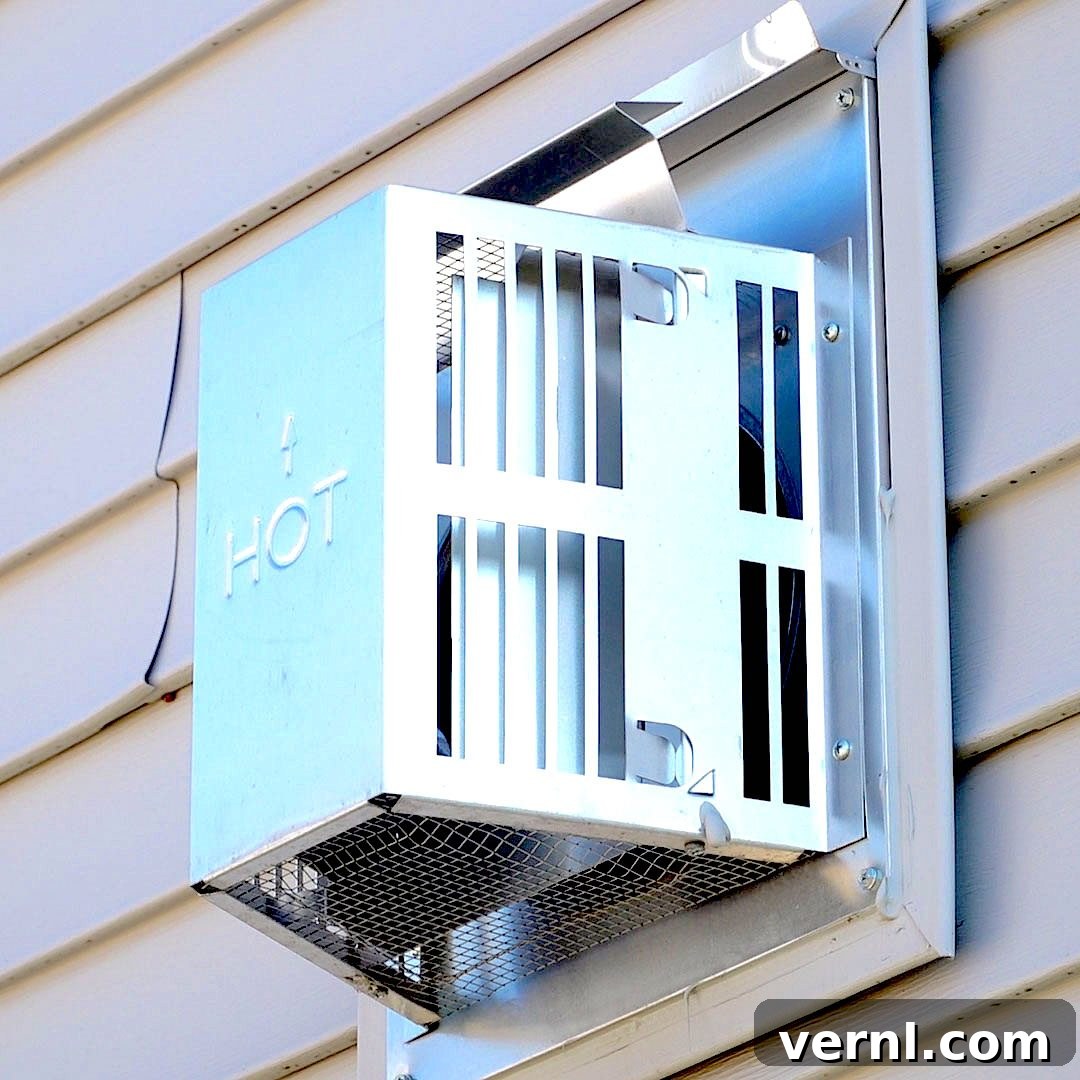
For direct-vent or B-vent fireplaces, briefly inspect the exterior vent termination cap for any obstructions (bird nests, leaves, ice buildup) or damage. Inside, ensure vent pipes are securely connected and show no signs of corrosion or leaks. Blocked vents are a serious safety hazard, as they can lead to carbon monoxide entering your home.
Step 10: Reassemble and Test
Once all components are clean and inspected, carefully reassemble the gas logs in their original configuration, then reattach the glass front panel according to your manufacturer’s instructions. Finally, turn the gas supply back on slowly. Light the pilot and then the main burner to ensure everything is functioning correctly. Observe the flames – they should be mostly blue with some yellow tips, burning evenly across the logs.
Visual Aid for Maintenance
For those who prefer a visual guide, the following video demonstrates critical annual maintenance steps. It’s an excellent resource to see these processes in action.
This is very important annual gas fireplace maintenance.
When to Call a Professional
While DIY cleaning and basic inspection are valuable, there are times when professional expertise is indispensable. You should always contact a certified gas fireplace technician if you:
- Smell gas (evacuate and call your gas company immediately).
- Notice unusual odors during operation.
- Experience persistent ignition problems.
- See excessive soot buildup that quickly reappears after cleaning.
- Observe yellow or orange flames (indicating incomplete combustion and potential carbon monoxide).
- Have concerns about the integrity of the gas line or venting system.
- Hear strange noises coming from the fireplace.
- Are unsure about any step of the maintenance process.
Professionals have specialized tools and training to thoroughly inspect and service all components, including gas pressure, electrical connections, and complex ventilation systems, ensuring your fireplace meets all safety standards.
Beyond Annual Cleaning: Everyday Care and Safety Tips
To supplement your annual deep dive, consider these ongoing practices:
- Carbon Monoxide Detectors: Install and regularly test carbon monoxide detectors on every level of your home, especially near sleeping areas.
- Clear the Area: Keep the area around your fireplace clear of combustibles, such as curtains, furniture, and decorations, maintaining a safe distance.
- Supervise Children and Pets: Ensure children and pets are kept at a safe distance from the hot glass and flame during operation.
- Monitor Flame Appearance: Periodically observe the flame. A healthy gas flame is primarily blue with hints of yellow/orange. A consistently yellow or sooty flame could indicate a problem.
- Don’t Modify: Never attempt to modify your gas fireplace or use it for purposes other than intended (e.g., burning wood in a gas-only unit).