
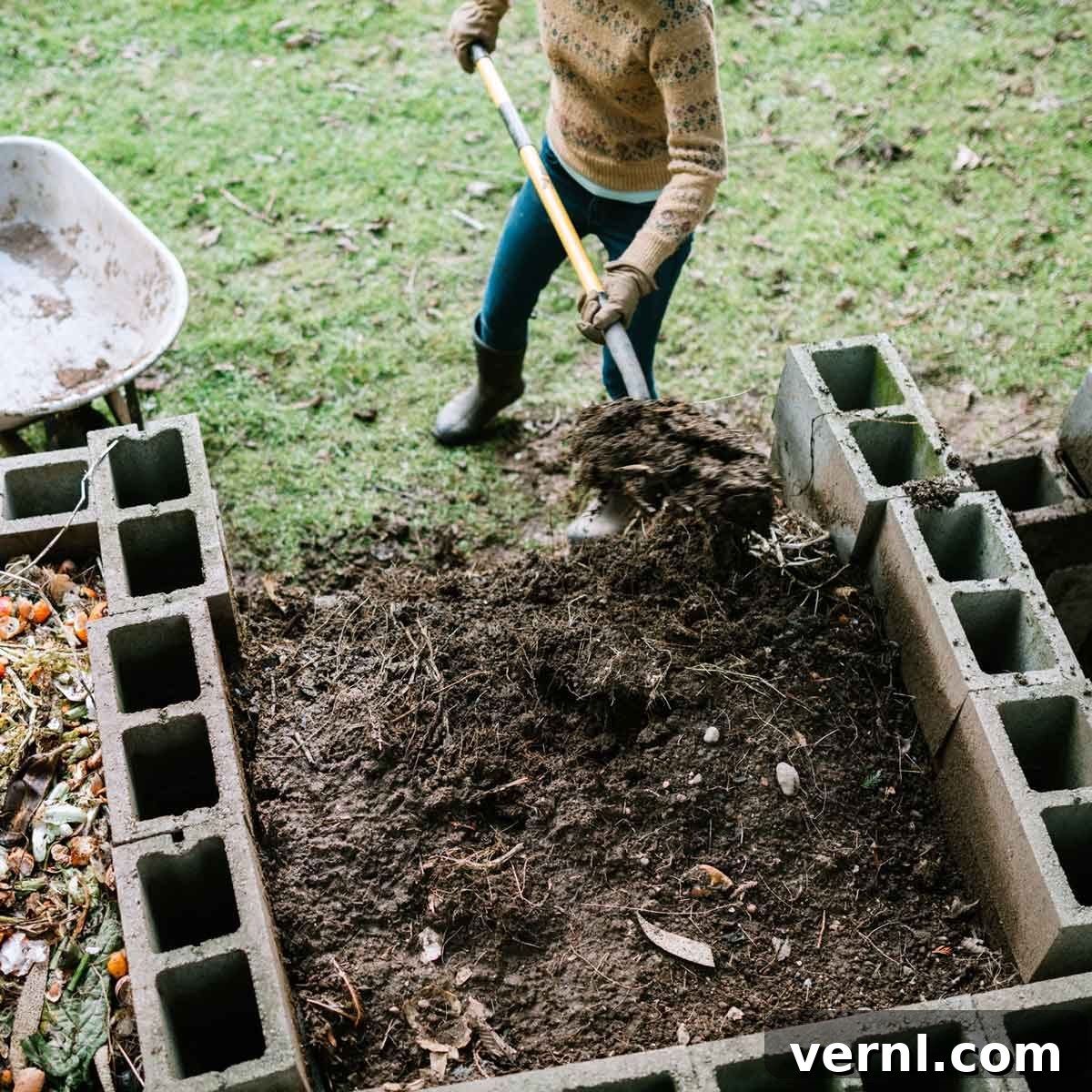
Composting has emerged as a cornerstone of sustainable living, captivating gardeners and eco-conscious individuals alike. Its popularity is not just a trend; it’s a testament to its profound benefits for both the environment and your personal green spaces. If you’ve been contemplating embarking on this rewarding journey but feel overwhelmed by where to start, this comprehensive guide will equip you with all the essential knowledge before you invest your time or resources. Embrace the art of composting and transform your organic waste into a valuable asset for a healthier planet and a thriving garden.
Understanding the Essence of Composting
At its core, composting is the miraculous process of recycling organic waste through natural decomposition. Instead of consigning valuable materials like fallen leaves, kitchen scraps, and garden trimmings to landfills, you harness nature’s own mechanisms to break them down. This intricate biological process, driven by microorganisms, fungi, and beneficial insects, transforms raw organic matter into a dark, crumbly, nutrient-rich soil amendment known as compost. Often referred to as “black gold,” compost is an invaluable resource for any garden. While commercially produced compost is readily available at most landscape and garden centers, the satisfaction and cost-effectiveness of creating your own are unparalleled. Maintaining a home compost pile ensures a constant, readily accessible supply of this vital soil enhancer, ready whenever your plants need a boost.
Choosing the Right Composting Method and Tools
The world of composting offers diverse approaches, allowing you to select a method that perfectly aligns with your space, lifestyle, and gardening aspirations. Your chosen style will inherently guide the selection of necessary tools and equipment. Some individuals prefer the simplicity of a freestanding compost bin, which can be constructed from various materials or purchased ready-made. Others opt for a more hands-on approach with a traditional open pile, a method often favored by those with ample yard space. For those seeking faster results and easier aeration, a compost barrel tumbler offers a convenient solution, allowing you to turn the contents with minimal effort. Even if you reside in an apartment or have limited outdoor space, composting is still entirely feasible; a small countertop compost bin can effectively manage kitchen scraps, often serving as a preliminary collection point before transferring to a larger outdoor system or a vermicomposting setup.
Should you prefer not to embark on a DIY bin construction project, the market abounds with an array of compost tools and accessories designed to simplify the process. These include practical items like a dual-chamber compost tumbler, which allows for continuous composting by having one batch mature while another is actively being added to. An essential tool for any compost enthusiast is a reliable compost aerator, crucial for introducing oxygen into the pile and preventing anaerobic conditions. For those planning to include fruit and vegetable scraps, selecting a bin that offers robust rodent resistance is paramount to prevent unwanted visitors and maintain hygiene.
The Science of Composting: Mastering the Basics for Success
Composting, though seemingly simple, is a delicate science driven by a precise balance of elements. Achieving a rich, healthy compost requires understanding and maintaining the correct “recipe” of ingredients. The key components, as outlined by the U.S. Environmental Protection Agency’s composting basics, are ‘greens,’ ‘browns,’ and water, all working in synergy with proper aeration. Let’s delve into how to start composting by mastering this foundational ratio:
- “Greens” (Nitrogen-Rich Materials): These materials are typically moist, fresh, and provide the nitrogen necessary for microbial growth and activity. Excellent examples include fresh grass clippings, vegetable and fruit scraps, coffee grounds, tea bags, and fresh plant trimmings. Nitrogen is the fuel that kickstarts the decomposition process and allows microorganisms to multiply rapidly.
- “Browns” (Carbon-Rich Materials): In contrast, “browns” are dry, woody, and rich in carbon, providing energy for the microorganisms and creating the airy structure within the pile. Common browns include dead leaves, straw, wood chips, shredded newspaper or cardboard, sawdust, and small twigs. A good balance of carbon prevents the pile from becoming too dense and promotes efficient decomposition.
The ideal ratio often cited is roughly one part greens to one part browns by volume, though this can vary depending on the specific materials. The goal is a balanced mix that fuels microbial activity without becoming overly wet or dry.
The final, yet equally critical, ingredient is water. Moisture is indispensable for the microorganisms that facilitate decomposition. The general rule of thumb, as Oregon Metro wisely recommends, is to keep your compost pile damp, like a wrung-out sponge. This level of moisture ensures an optimal environment for microbial activity without drowning them. You will likely need to spray your pile periodically, especially in dry climates, but the frequency will depend on local weather patterns. Naturally, compost piles in rainy regions will require less supplemental watering.
Beyond greens, browns, and water, oxygen is another non-negotiable component for healthy, odor-free composting. Aeration prevents the pile from becoming anaerobic, which is when unpleasant, rotten-egg-like odors typically arise. You can enhance oxygen flow by regularly turning the pile with a pitchfork, stirring it with an aerator, or tumbling it in a compost barrel. A critical indicator for when to turn your pile is its temperature. Using a compost thermometer, aim for the sweet spot between 135 to 160 degrees F, as advised by Washington State University. This thermophilic range signifies peak microbial activity, effectively sterilizing the compost by killing off most weed seeds and pathogens. When the temperature begins to drop from this peak, it’s a clear signal that the pile needs turning to reintroduce oxygen and reinvigorate the decomposition process. The entire hot composting process, from start to ready-to-use compost, can take as little as four to five weeks on average, according to the University of Illinois Extension, when all conditions are optimized. Without proper temperature, water, and oxygen management, the EPA warns that the process could stretch for up to two years.
The Multifaceted Benefits and Minor Disadvantages of Composting
Engaging in home composting offers a compelling array of advantages that extend far beyond simply dealing with waste. However, like any endeavor, it comes with a few considerations.
Pros of Composting:
- Reduces Landfill Waste: A significant portion of household waste, particularly organic matter, can be diverted from landfills. This directly lessens the burden on waste management systems and reduces methane emissions, a potent greenhouse gas produced when organic matter decomposes anaerobically in landfills.
- Minimizes Trash Pickups & Saves Money: By significantly reducing the volume of your regular trash, you may be able to opt for less frequent trash collection services or smaller bins, translating into direct cost savings on waste disposal fees.
- Enriches Soil Health: Compost is a phenomenal soil conditioner. It improves soil structure, making heavy clay soils more workable and increasing the water retention capacity of sandy soils. It also helps to balance soil pH and provides a slow-release source of essential nutrients.
- Reduces Need for Chemical Fertilizers: By consistently amending your garden with nutrient-rich compost, you naturally fertilize your plants, significantly lessening or even eliminating the need for synthetic lawn and garden fertilizers. This saves money and reduces chemical runoff into waterways.
- Enhances Water Retention: The organic matter in compost acts like a sponge, dramatically increasing the soil’s ability to hold moisture. This means less frequent watering for your plants, conserving a precious resource.
- Boosts Plant Vigor and Disease Resistance: Healthy, biologically active soil, courtesy of compost, fosters strong root development and bolsters plants’ natural defenses against pests and diseases.
- Promotes Biodiversity: A thriving compost pile supports a micro-ecosystem of beneficial organisms that contribute to soil health and aeration.
Cons of Composting:
- Requires Space: A dedicated area in your yard is necessary for a compost pile or bin, which might be a challenge for those with very small properties or no garden.
- Potential for Odor: If not managed correctly (e.g., insufficient aeration or improper greens/browns ratio), a compost pile can become anaerobic and emit unpleasant, foul odors.
- Aesthetics: Some individuals may find a visible compost pile or bin visually unappealing in their garden landscape. Creative placement or enclosed bins can mitigate this.
- Demands Some Maintenance: Composting isn’t entirely hands-off. It requires periodic attention, including turning, watering, and monitoring, especially for optimal “hot” composting.
- Risk of Pests: If certain materials (like meat or dairy) are added or food scraps aren’t adequately covered, a compost pile can attract rodents or insects.
Practical Applications: How to Use Your Finished Compost
One of the most appealing composting benefits is the incredible versatility of the finished product. When your compost reaches its prime – identifiable by its dark, crumbly texture resembling rich, earthy dirt and an invigorating smell reminiscent of a rainy forest floor – it’s ready to be put to work across your yard and garden, fostering a more lush, vibrant green space.
Mulching with Compost: Utilizing compost as a mulch layer is both incredibly easy and highly effective. Simply spread a half-inch to one-inch layer directly on top of the soil at the base of your plants, around shrubs, or in flower beds. Over time, the nutrients will gradually seep down into the root zone with each watering or rainfall. Beyond nutrient delivery, this layer acts as an excellent weed suppressant, significantly reducing weed growth, and helps the soil retain precious moisture, minimizing the need for frequent irrigation.
Mixing Compost into the Soil: While this method demands a bit more physical effort, the long-term rewards for your garden’s foundation are substantial. In early spring, before planting, spread a generous one- to two-inch layer of mature compost evenly over your bare garden beds. Then, using a spade, fork, or tiller, work this compost into the top three to five inches of your existing soil. According to Earth Matter NY, this practice will profoundly amend any type of soil, improving its structure, fertility, and microbial activity, laying a robust foundation for healthy plant growth throughout the season.
Boosting New Plantings: Give your new plants the best possible start by adding a handful of compost directly into the planting hole. This concentrated dose of nutrients and beneficial microbes will provide immediate nourishment to the developing root system, helping the plant establish itself more quickly and reduce transplant shock. This technique is particularly beneficial for vegetable gardens, promoting stronger, more productive plants.
Enhancing Potted Plants and Containers: Your homegrown compost is also a fantastic addition to container gardens, both indoors and outdoors. When potting new plants, combine store-bought potting soil with your homemade compost, aiming for a ratio of about 1 part compost to 3-4 parts potting soil. This blend will infuse the potting mix with essential nutrients and improve moisture retention, helping new additions to your container garden thrive. For existing potted plants, you can top-dress them with an inch of compost, allowing the nutrients to leach into the soil with watering.
Making Compost Tea: For a liquid nutrient boost, you can create compost tea. This involves steeping finished compost in water for a day or two, creating a nutrient-rich liquid that can be diluted and used as a foliar spray or soil drench. It’s an excellent way to provide quick, gentle nutrients to seedlings or ailing plants.
What Not to Compost: Crucial Items to Avoid
While most organic matter can be composted, there’s a vital, albeit short, list of what not to compost. Adhering to these guidelines is crucial for ensuring your pile decomposes correctly, avoids attracting pests, and remains free of harmful pathogens. The EPA strongly advises against composting these specific items and explains why:
- Black Walnut Tree Trimmings: These contain juglone, a natural herbicide that can inhibit the growth of many other plants. Adding them to compost could harm sensitive plants when the compost is used.
- Animal Products (Dairy, Meat, Fish, Bones, Eggs): These materials decompose slowly, can attract rodents, flies, and other pests, and may contain harmful pathogens that ordinary home composting temperatures might not eradicate.
- Diseased or Pest-Infested Plants: Adding these to your compost pile risks spreading diseases and pests throughout your garden when the finished compost is applied. It’s best to discard them or dispose of them in a way that prevents spread.
- Fat, Grease, Lard, or Oil: Similar to animal products, these can attract pests and create anaerobic (smelly) conditions within the pile. They also take a long time to break down.
- Pet Waste (Including Cat Litter): Dog and cat feces can contain parasites and pathogens harmful to humans, which are generally not destroyed by the temperatures achieved in typical backyard compost piles. Cat litter also often contains synthetic materials and deodorizers.
- Yard Waste with Chemical Pesticides: Residues from chemical pesticides or herbicides can persist in your compost and potentially harm beneficial microorganisms in the pile or damage plants when the compost is used. Always compost organic, untreated yard waste.
- Heavily Processed Foods: While some food scraps are fine, highly processed foods often contain salts, sugars, and preservatives that can disrupt the microbial balance of your compost.
- Treated Wood: Lumber treated with preservatives contains chemicals that are toxic and should not be introduced into a natural compost system.
Common Composting Questions and Practical Answers
Starting a composting journey often comes with a few common queries. Here are answers to some frequently asked questions that can help you navigate your way to composting success:
How much space do I need for composting?
A functional compost pile can be as small as three feet by three feet, which is often considered the minimum size to generate enough heat for efficient decomposition. However, this size might not accommodate all the organic waste produced by an average household, especially if you plan to compost more than just yard waste. Many people find it more practical to use multiple composting bins or a larger system to handle a greater volume of materials. Consider your household’s waste output and your gardening needs when planning your composting space.
What if I don’t have a garden?
Having a traditional garden isn’t a prerequisite for composting. Your finished compost remains a valuable resource. You can spread it around trees, shrubs, and other landscaping plants to nourish them. It’s also excellent for potted houseplants, providing them with a rich nutrient boost. Furthermore, you can use it to reseed bare patches in your lawn or offer it to friends, family, or community gardens who will gladly put your “black gold” to good use. Some areas even have community composting programs where you can donate your finished product.
My compost pile smells. Now what?
An unpleasant odor, often described as rotten eggs or ammonia, is a clear sign that your pile has become anaerobic – meaning it lacks sufficient oxygen. This typically happens when the pile is too wet, has too many “greens,” or hasn’t been turned frequently enough. The Cornell Waste Management Institute suggests that to resolve this, you need to improve aeration by adding woodchips, straw, shredded leaves, or other dry, carbon-rich materials. Turning the pile more frequently will also introduce oxygen and help break down the offensive compounds, restoring a healthy, earthy smell.
How can I prevent my compost pile from attracting pests?
Pest attraction is usually only an issue when food scraps are included in the compost. If your pile is exclusively for yard waste, pests are rarely a concern. When adding food scraps, the most crucial step is to cover them completely. They should be buried several inches deep into the center of the pile, ensuring they are not exposed to the surface. Additionally, avoid adding meat, dairy, bones, fats, or oils, as these are primary attractants for rodents and other unwanted critters. Using a well-secured, rodent-resistant bin can also provide an extra layer of protection.
Can I compost in the winter?
Yes, winter composting is entirely possible, though the decomposition process will naturally slow down in colder temperatures, sometimes even halting completely in freezing conditions. The activity will resume as temperatures rise. Some extra considerations based on your local climate can optimize winter composting. In regions with heavy precipitation (snow or rain), you might want to shelter your pile with a tarp or a lid to prevent it from becoming waterlogged. Conversely, in areas with arid winter conditions, you may need to add water more often than you would in other seasons to maintain essential moisture levels. Continue to add materials as usual; they will break down eventually.
How long does it take for compost to be ready?
The time it takes for compost to fully mature varies significantly based on your composting method, the materials you’re using, and how diligently you manage the pile. With optimal conditions (balanced greens/browns, proper moisture, regular turning, and high temperatures – “hot composting”), you can produce finished compost in as little as 4-8 weeks. However, a more passive, “cold composting” approach might take anywhere from a few months to a year or even two years. Patience is key, but consistent management will always yield faster results.
Composting is a journey that connects you more deeply with the natural cycles of your environment. By understanding its principles and applying a few simple practices, you can transform waste into a valuable resource, nurturing your garden and contributing to a more sustainable world. Start today, and watch your efforts blossom into rich, life-giving soil for years to come.