
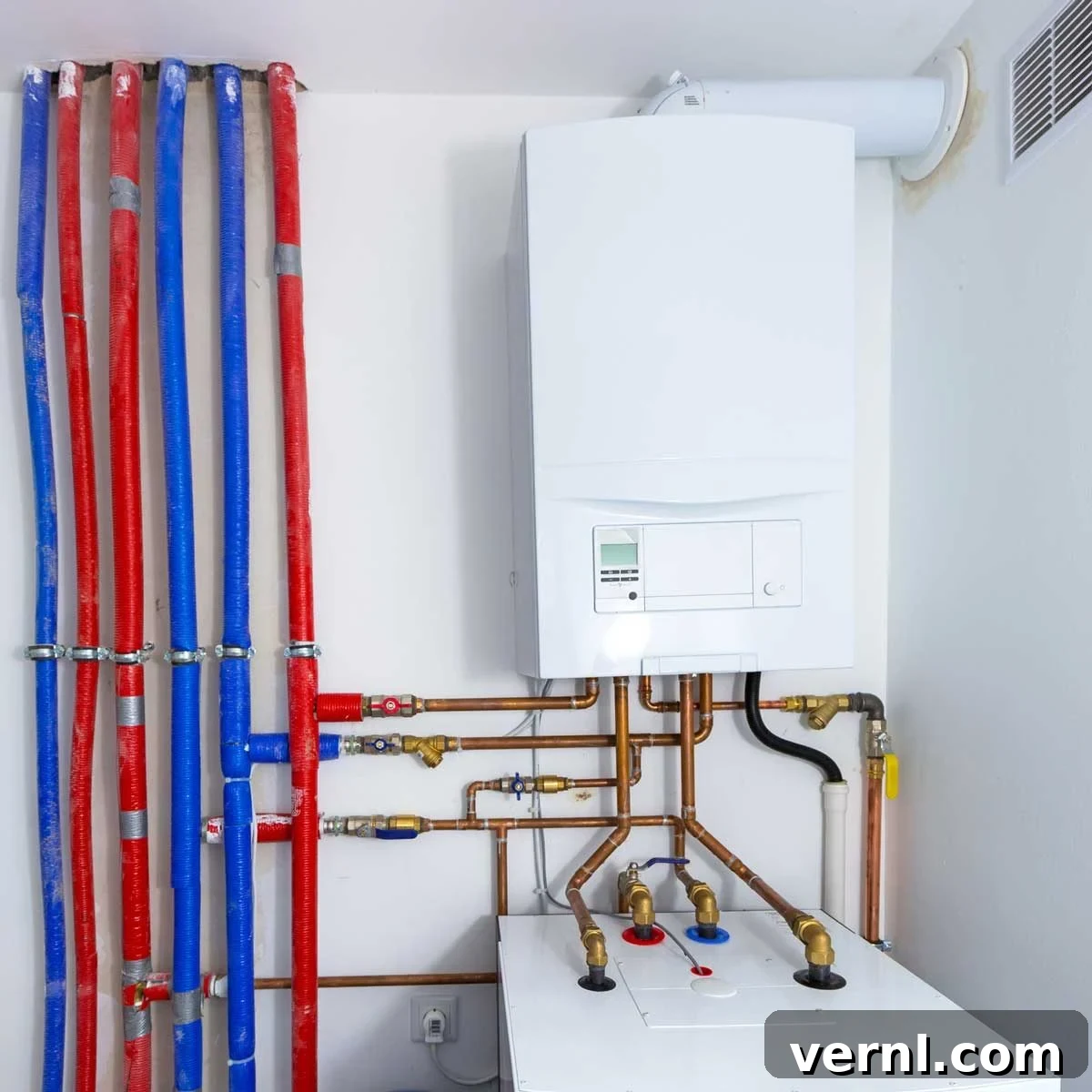
While only approximately nine million homes in the U.S. currently rely on boilers for heating, this highly effective and efficient heat source is a cornerstone of domestic comfort, particularly in the United Kingdom, where an astounding 85 percent of homes utilize them. Boilers offer a distinct and comfortable heating experience, known for their ability to deliver consistent warmth. Whether you’re embarking on the journey of purchasing your first boiler or contemplating a replacement for an aging system, understanding the critical factors that contribute to a wise investment is paramount. This comprehensive guide will illuminate what boilers are, how they stand apart from other heating methods, delve into their diverse types and advanced features, and ultimately, equip you with the knowledge to select the optimal boiler for your home’s unique needs, ensuring efficiency, comfort, and long-term value.
Understanding Boilers: The Core of Hydronic Home Heating
At its core, a boiler is a central heating appliance designed to generate heat by warming water within a sealed system. Unlike conventional water heaters that primarily supply hot water for domestic use (showers, sinks), a boiler’s primary function is space heating. It circulates heated water (or sometimes steam) through a robust network of pipes to radiators, baseboard heaters, or radiant floor systems strategically placed throughout your home, providing consistent and pervasive warmth. This method, often referred to as hydronic heating, is renowned for its gentle, even distribution of heat and its ability to maintain stable indoor temperatures without circulating dust or allergens.
Boilers operate on various fuel sources, including natural gas, propane, heating oil, or electricity, each offering comparable levels of energy efficiency depending on the specific model and innovative technology employed. Traditional boilers typically heat water until it becomes steam (steam boilers) or maintain it in its liquid state (hot water boilers). When replacing an existing boiler, it is generally recommended to stick with the same primary type (steam or hot water) as your existing radiators and intricate piping system are specifically designed to work optimally with one or the other. Mismatched systems can lead to severe inefficiency, costly compatibility issues, and diminished heating performance.
Anatomy of a Modern Boiler: Key Components Explained
To truly appreciate how a boiler efficiently functions, it helps to understand the integral role played by its primary components, which work in harmony to deliver heat:
- Burner: This is the crucial component where fuel (whether natural gas, propane, or heating oil) is ignited to produce a powerful, controlled flame, initiating the heat generation process.
- Heat Exchanger: A series of highly conductive coils or fins meticulously designed to absorb heat from the burner’s flame and efficiently transfer it to the circulating water within the system. This is the very core of the heating mechanism.
- Circulator Pump: An essential electric pump responsible for moving the heated water from the boiler, through the intricate piping system to the various radiators or heating zones, and then returning the cooled water back to the boiler for reheating.
- Expansion Tank: A vital safety and operational component that accommodates the natural expansion of water as it heats up. This prevents excessive pressure buildup within the sealed system, safeguarding its integrity.
- Pressure Relief Valve: A critical safety device that automatically opens and releases pressure if it exceeds a predetermined, safe operating limit, thereby preventing potential damage or hazards.
- Thermostat and Controls: The user interface of your heating system, these components allow you to precisely set and maintain your desired indoor temperature, regulating the boiler’s operation for optimal comfort, efficiency, and energy savings.
Boilers vs. Other Leading Home Heating Solutions
While boilers excel in providing radiant heat and superior comfort, it’s crucial for homeowners to understand how they compare to other prevalent home heating systems, particularly forced-air furnaces and modern heat pumps, to make an informed decision tailored to their climate and lifestyle.
Boilers vs. Furnaces: A Direct Comparison
Furnaces represent the most common central heating source in the U.S. They operate by heating air and then forcing that warm air through an extensive system of ductwork to various rooms throughout the property. Furnaces are typically integrated into a home’s comprehensive Heating, Ventilation, and Air Conditioning (HVAC) system, often sharing the same ductwork with an air conditioning system for seamless, year-round climate control, offering both heating and cooling from a single infrastructure.
The primary distinction lies in their output and functionality: boilers generate heat only, circulating hot water or steam to radiant elements. This inherent design means they cannot provide cooling during warmer months, making them less prevalent in the hottest regions of the U.S. where central air conditioning is a non-negotiable necessity. Furthermore, initial installation costs can be a significant differentiator. A new furnace might cost between $700 and $2,000 for the unit itself, with professional installation pushing the total project cost to $2,500 to $6,000. In contrast, a boiler unit can range from $3,500 to $8,000, and comprehensive professional installation can elevate the total project cost to $3,500 to $10,000 or even higher, depending on the system’s complexity, the existing infrastructure, and regional labor rates.
Distinct Advantages of Boilers Over Furnaces:
- Superior Comfort and Even Heat Distribution: Hydronic heating provides a gentle, consistent warmth that radiates from surfaces (radiators, floors), effectively minimizing uncomfortable cold spots and drafts often associated with forced-air systems.
- Allergy Friendliness: Because boilers do not circulate air through extensive ductwork, they do not actively distribute dust, pet dander, pollen, and other particulate matter throughout the home, making them an excellent choice for individuals with allergies or respiratory sensitivities.
- Whisper-Quiet Operation: Boilers operate with minimal audible noise compared to the fan motor and the sounds of air rushing through ducts characteristic of a furnace.
- Less Physical Space Required for Distribution: While the boiler unit itself takes up space, the absence of extensive, bulky ductwork can free up valuable attic, basement, or ceiling space.
- Enhanced Zoning Capability: Hydronic systems are exceptionally amenable to zoning, allowing different areas or rooms of the home to be heated to different temperatures independently. This leads to enhanced personalized comfort and significant potential energy savings.
- Lower Maintenance Requirements: With fewer complex moving parts and no air filters to regularly change or ducts to clean, boilers typically require less frequent and less intensive maintenance than forced-air systems.
For these compelling reasons, boilers often emerge as the preferred central heating system in colder climates where efficient, consistent, and comfortable heat is the paramount concern and central air conditioning may be considered less critical or handled effectively by a separate, dedicated system.
Boilers vs. Heat Pumps: Modern Heating Alternatives
Heat pumps represent another modern and increasingly popular alternative, capable of both heating and cooling a home by transferring existing heat rather than generating it through combustion. While highly efficient, particularly in moderate climates, their heating performance can diminish significantly in extremely cold conditions, often requiring a supplementary electric resistance or fossil-fuel-based heating source to maintain comfort. Boilers, on the other hand, deliver consistent, powerful, and reliable heat even in the harshest winter conditions, making them a robust and unwavering choice for truly cold environments. However, heat pumps offer the distinct advantage of providing efficient cooling in warmer months, which boilers inherently cannot. The decision often hinges on your local climate and specific cooling needs.
Deciphering Boiler Energy Efficiency Ratings (AFUE)
A boiler’s energy efficiency is meticulously rated using its “Annual Fuel Utilization Efficiency” (AFUE) score. This standardized percentage indicates precisely how much of the fuel consumed by the boiler is converted directly into usable heat for your home, with the remainder lost through the exhaust gases, standby losses, or other inefficiencies inherent in the combustion process. By federal mandate in the U.S., any newly manufactured boiler sold today must achieve an AFUE rating of at least 80 percent, representing a baseline of acceptable performance. However, it’s not uncommon for older, less efficient boilers to operate with significantly lower AFUE ratings, often between a meager 56 percent and 70 percent, signifying substantial energy waste and higher operational costs.
Modern, high-efficiency boilers represent a significant leap forward in heating technology, boasting impressive AFUE scores as high as 98.5 percent. Many of these top-tier units are also Energy Star certified, a prestigious designation from the U.S. Environmental Protection Agency and Department of Energy, awarded to products that meet strict energy efficiency guidelines. While the upfront investment for a high-efficiency boiler is typically greater, the long-term savings on your utility bills due to drastically reduced fuel consumption can be substantial, often recouping the initial cost difference over the lifespan of the appliance. Investing in a higher AFUE unit not only benefits your wallet but also significantly contributes to a smaller carbon footprint and greater environmental responsibility.
Exploring Diverse Boiler Types and Advanced Features
The world of modern boilers is more diverse and sophisticated than a simple steam or hot water distinction suggests. Continuous innovation has led to specialized designs catering to various home sizes, differing hot water demands, and evolving efficiency goals. Understanding these contemporary types and their integrated features is absolutely crucial for making an informed and optimal decision for your household.
Main Categories of Modern Boilers:
- Conventional (Regular) Boilers: Also commonly known as heat-only or regular boilers, these traditional systems require a cold water storage tank (typically located in the loft to provide gravity feed) and a separate hot water storage cylinder (often housed in an airing cupboard). They heat water for your radiators directly and then store a separate supply of domestic hot water for taps and showers. They are ideally suited for larger homes with multiple bathrooms and a consistently high hot water demand, as they can provide a large volume of hot water simultaneously to several outlets without significant pressure drops.
- System Boilers: Similar in principle to conventional boilers, system boilers also require a hot water storage cylinder but cleverly do not need a cold water storage tank. This is because many of the major components, such as the expansion vessel and circulator pump, are conveniently built directly into the boiler unit itself. This integrated design makes them more compact, simpler to install, and easier to maintain. Like conventional boilers, they are excellent for homes with high hot water demands, delivering a powerful and continuous supply.
- Combi (Combination) Boilers: These are arguably the most popular and versatile boiler type in many regions, especially for smaller to medium-sized homes with limited space. Combi boilers are ingenious all-in-one units that provide both heating for radiators and instant hot water on demand directly from the mains supply, completely eliminating the need for a separate hot water cylinder or cold water storage tank. This makes them exceptionally space-efficient and often highly energy-efficient, as they only heat water when it is specifically needed. However, a potential drawback is that they may struggle to supply multiple hot water outlets simultaneously (e.g., two showers running) without a noticeable drop in pressure or temperature.
Critical Features Influencing Boiler Performance and Efficiency:
- Condensing Technology: This is arguably the single most pivotal advancement in modern boiler design for energy efficiency. Non-condensing boilers, representing the older generation, expelled incredibly hot exhaust gases (often around 400 degrees Fahrenheit) directly out of their ventilation chimney. This resulted in a significant and wasteful loss of heat energy, dramatically reducing overall energy efficiency. Newer condensing boilers are ingeniously engineered with a larger or a secondary heat exchanger that efficiently cools these exhaust gases to the point where the water vapor within them condenses back into liquid. This physical condensation process releases a substantial amount of latent heat, which is then cleverly captured and reused to pre-heat the cooler return water entering the boiler. This innovative heat recovery process can make condensing boilers a remarkable 10 to 12 percent more energy efficient than their non-condensing predecessors, leading to substantial and sustained fuel savings over time.
- Closed/Sealed Combustion Systems: Another vital distinction pertains to how the boiler draws air for its combustion process. Non-sealed (or “open”) combustion boilers draw air directly from the immediate room where they are located. While seemingly convenient, this can create a noticeable draft, and more importantly, poses a slight but inherent risk of introducing carbon monoxide (CO) into the living space if ventilation is poor or the flue system becomes blocked or compromised. Sealed combustion boilers, on the other hand, utilize outside air for the combustion process through a dedicated, completely sealed pipe that vents directly to the exterior. This superior design makes them significantly safer by isolating the combustion process, more energy-efficient by avoiding drawing in already heated indoor air, and generally the preferred choice for modern homeowners prioritizing both safety and optimal performance.
How to Choose the Best Boiler for Your Home: A Definitive Guide
Selecting the ideal boiler involves a careful and thorough evaluation of several interconnected factors beyond just its type and stated efficiency. A thoughtful and informed decision will ensure optimal comfort, maximize long-term savings, and guarantee reliable heating performance for your home for many years to come.
1. Prioritize Maximum Efficiency and Advanced Features:
As a general rule of thumb for modern heating, the most advanced and inherently efficient boilers are those featuring a combination of sealed combustion and condensing technology. These cutting-edge units offer the highest attainable levels of energy efficiency, directly translating into the lowest possible operational costs over their lifespan. While their upfront purchase price typically tends to be higher, it’s absolutely imperative to weigh this initial investment against the substantial and continuous long-term savings you’ll realize on your monthly utility bills. Over the boiler’s entire operational lifespan, a more efficient model will almost always prove to be the more cost-effective and environmentally responsible heating solution. Always look for prominent Energy Star certification when considering high-efficiency models, as this denotes adherence to stringent efficiency standards.
2. Correct Sizing is Absolutely Paramount:
Perhaps the single most critical factor in successful boiler selection is ensuring it is precisely and correctly sized for your home’s specific heating load requirements. An undersized boiler will constantly struggle to meet your heating demands, running almost continuously, leading to premature wear and tear on components, and operating highly inefficiently. Conversely, an oversized boiler will cycle on and off too frequently (a phenomenon known as short cycling), which also drastically reduces efficiency, increases energy consumption through standby losses, and shortens the unit’s overall lifespan.
Accurate boiler sizing is a complex, scientific calculation that considers numerous intricate variables unique to your property, including:
- Precise insulation values in walls, attics, and floors, including R-values.
- Specific wall construction materials and thickness.
- The exact number, size, type (e.g., double-pane, triple-pane), and quality of existing door and window seals.
- The overall square footage and average ceiling heights of all heated spaces.
- The specific climate zone your home is located in and average anticipated winter temperatures.
- Measured air leakage rates throughout the building envelope.
- The type and quality of the home’s foundation and basement insulation.
- Your personal comfort preferences and desired indoor temperature settings.
Given the intricate and critical nature of these calculations, recruiting a qualified, licensed, and experienced heating and cooling professional is not just recommended, but absolutely required to make an accurate and reliable sizing determination. They will perform a comprehensive heat loss calculation specific to your property using industry-standard methodologies.
3. Carefully Consider Your Household’s Hot Water Demands:
Your household’s daily hot water usage patterns will heavily influence whether a combi, system, or conventional boiler is the most suitable choice for your needs.
- If you have a smaller home, limited utility space, and typically only need hot water at one or two points simultaneously (e.g., one shower at a time), a **combi boiler** is often an excellent, highly space-saving, and efficient choice.
- For larger homes with multiple bathrooms where hot water is frequently in high demand simultaneously (e.g., multiple showers running concurrently, dishwasher operating, and laundry machine filling), a **system boiler** or a **conventional boiler** expertly paired with a sufficiently sized hot water cylinder will provide a more robust, reliable, and continuous supply.
4. Evaluate Fuel Type Availability and Cost-Effectiveness:
The choice of fuel type for your boiler – whether natural gas, propane, heating oil, or electricity – is often dictated by what’s readily available in your geographic area and the relative fluctuating cost of each energy source. Natural gas is generally the most economical and widely available option for homes where mains gas lines exist. Propane and heating oil are viable alternatives for properties located off the main gas grid but can be more expensive per unit of energy and require the installation and maintenance of on-site storage tanks. Electric boilers are an option but typically have significantly higher running costs unless paired with a robust solar panel system or other renewable energy sources. Diligently evaluate local fuel prices, long-term price trends, and availability before making a final decision.
5. The Importance of Expert Installation:
The overall performance, safety, and longevity of your boiler system are as dependent on expert, professional installation as they are on the intrinsic quality of the unit itself. Always engage a certified, highly experienced, and reputable HVAC professional for boiler installation. Incorrect installation can lead to severely reduced efficiency, dangerous safety hazards (like carbon monoxide leaks), and potentially voided manufacturer warranties, costing you more in the long run.
6. Comprehensive Warranty and Reliable Aftercare:
When purchasing a boiler, carefully look for units that come with comprehensive and extensive warranties, ideally covering both parts and labor for a significant period (e.g., 5-10 years for the heat exchanger, a primary component). A good, lengthy warranty reflects the manufacturer’s confidence in the durability and reliability of their product. Additionally, inquire thoroughly about aftercare services, routine maintenance packages, and the ready availability of genuine spare parts from your chosen installer or local suppliers.
7. Consider Smart Home Integration and Zoning Capabilities:
Many modern boilers can be seamlessly integrated with advanced smart thermostats and sophisticated home automation systems. These intelligent features allow for far greater control over your heating, remote management via smartphone apps, and advanced scheduling capabilities, further enhancing both energy efficiency and personalized comfort. Consider implementing multi-zone heating systems if you have diverse heating needs across different areas or floors of your home, allowing for independent temperature control in each zone.
By carefully considering all these critical factors and consulting diligently with experienced, certified professionals, you can confidently choose a boiler that not only precisely meets your heating needs but also delivers exceptional energy efficiency, unparalleled comfort, and long-lasting value for your cherished home for many reliable years to come.