
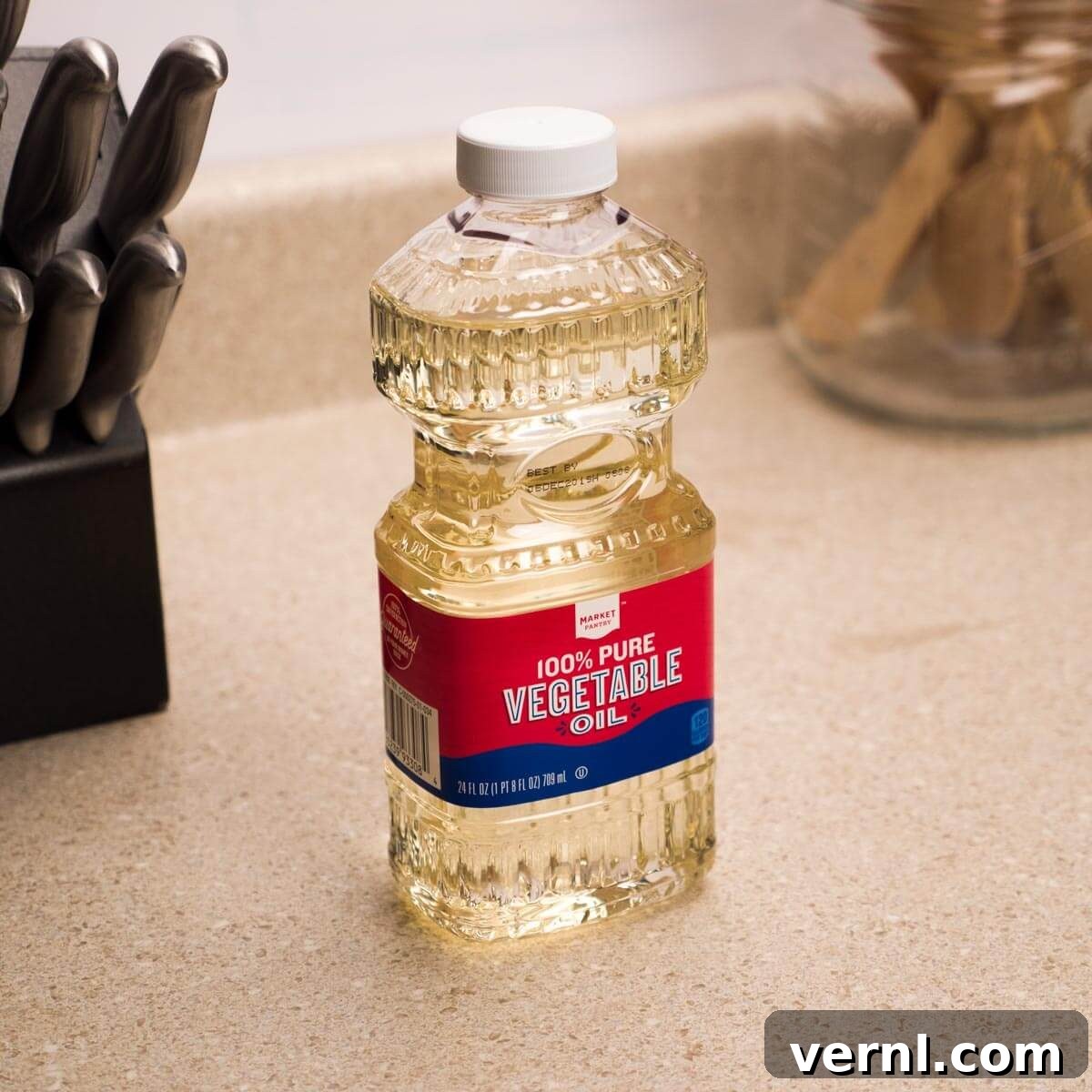
The Ultimate Guide: How to Easily Remove Stubborn Sticker Residue with Vegetable Oil – A Smart Kitchen Hack
Few things are as persistently annoying as that gummy, sticky residue left behind after peeling off a label or sticker. Whether it’s on a brand-new appliance, a treasured glass jar, a plastic container, or even a piece of furniture, this adhesive film can seem impossible to remove without resorting to harsh chemicals, abrasive scrubbing, or damaging the surface underneath. But what if the solution to your sticky woes was not a specialized cleaning product, but rather a common pantry staple?
Get ready to discover an ingenious, eco-friendly, and surprisingly effective method: the vegetable oil hack. This comprehensive guide will equip you with everything you need to know about using ordinary cooking oil to effortlessly banish even the most stubborn sticker and glue residues. We’ll delve into the science behind why it works, provide a detailed step-by-step process, highlight ideal surfaces, and share crucial precautions to ensure a pristine finish every time. Say goodbye to sticky frustration and hello to clean, spotless surfaces!
How to Get Sticker Residue Off With Vegetable Oil Hack
The next time you encounter that tenacious adhesive film – be it from product labels, price tags, or even tougher challenges like stubborn super glue spills or the notorious residue left by duct tape – resist the urge to scrape aggressively or reach for potent, sometimes toxic, solvents. Instead, simply head to your kitchen and grab a bottle of cooking oil. This humble household item is a truly remarkable game-changer for dissolving sticky messes without damaging the underlying surface, provided you follow a few straightforward steps and heed important precautions.
The Science Behind the Magic: Why Oil Dissolves Glue So Effectively
To truly appreciate the power of vegetable oil against sticky residue, a brief understanding of its chemistry is helpful. Most adhesives, particularly those used on stickers and tapes, are composed of polymers that are non-polar. This means they possess a chemical structure that doesn’t readily mix with water, which is a polar substance. This fundamental difference is precisely why attempting to wash away sticky residue with just water often proves futile.
Vegetable oils, much like the adhesives themselves, are also non-polar. Herein lies the core principle of “like dissolves like.” The oil molecules, sharing a similar chemical makeup with the adhesive molecules, are strongly attracted to them. This attraction causes the oil to effectively penetrate and break down the chemical bonds that bind the glue to the surface. As the oil permeates the adhesive, it causes it to swell, soften, and lose its grip, transforming it from a stubborn, hardened film into a softened, easily removable substance. This natural solvent action is both gentle and highly efficient, making it an ideal, non-abrasive choice for a wide variety of household surfaces.
Step-by-Step Guide: Effortlessly Banishing Sticker Residue with Vegetable Oil
Tackling sticker residue with vegetable oil is remarkably simple and doesn’t require any specialized skills or tools. Follow these clear steps for optimal results:
- Gather Your Essential Supplies: Before you begin, assemble your tools. You’ll need any type of common kitchen cooking oil (olive oil, canola oil, sunflower oil, generic vegetable oil, or even coconut oil when liquified, all work excellently). You’ll also need a paper towel or a soft, clean cloth for application, and another clean, dry cloth for wiping. For the final cleanup of any oily film, a small amount of mild dish soap and warm water will be beneficial.
- Apply the Oil Liberally: Dab a generous amount of your chosen cooking oil onto a corner of a paper towel or a soft cloth. The goal is to thoroughly saturate the entire sticky area, ensuring complete coverage of the residue.
- Cover and Allow Ample Soaking Time: Carefully lay the oil-soaked paper towel or cloth directly over the tenacious residue. Make sure the entire sticky patch is fully covered and in direct contact with the oil. Patience is a crucial ingredient here. Allow the oil sufficient time to penetrate and dissolve the stubborn glue. This typically takes anywhere from 5 to 15 minutes. For particularly old, thick, or hardened residue, you might need to extend this soaking time to 30 minutes, an hour, or even longer. If the paper towel begins to dry out during extended soaks, reapply a little more oil to keep the area saturated.
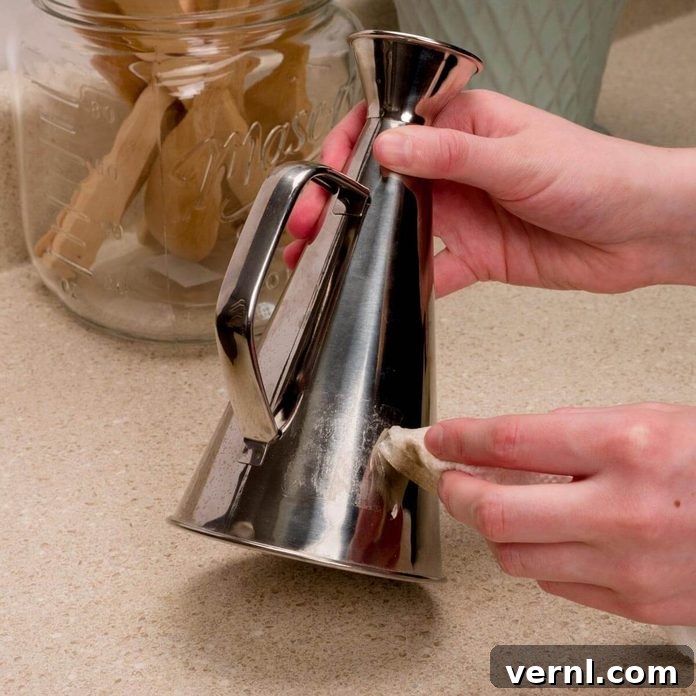
- Gently Rub Away the Residue: Once the oil has had adequate time to work its magic and soften the adhesive, carefully remove the oil-soaked paper towel. You should notice that the residue has become significantly softer and more pliable. Using a fresh, clean paper towel or a soft cloth, gently rub the area in small, circular motions. The sticker residue should now lift away with surprising ease. For very thick or unusually stubborn remnants, you might need to apply a tiny bit more oil directly onto the spot and continue rubbing. If gentle rubbing isn’t enough, you can use your fingernail or a plastic scraper (like an old credit card) to carefully assist in lifting the softened glue.
- Clean Up the Oily Film: After successfully removing the sticky residue, you will likely be left with a slight oily film on the surface. It is essential to clean this off to prevent it from attracting dust and dirt, or potentially becoming rancid over time, which could lead to new stains or odors. For most non-porous surfaces such as glass, metal, or hard plastics, a quick wipe with a clean cloth dampened with a small amount of mild dish soap and warm water will effectively remove the oily residue. Follow this with a rinse and thorough drying. For surfaces where soap and water might not be ideal, such as certain electronics or meticulously finished wood, a simple wipe with a clean, dry cloth or a very mild all-purpose cleaner (tested first) may be more appropriate.
Choosing Your Oil: Any Kitchen Oil Will Do (Mostly)
When selecting your weapon against sticker residue, you truly have a wide array of options readily available in your kitchen cabinet. Common choices such as olive oil, canola oil, sunflower oil, generic vegetable oil blends, and even solidified coconut oil (once liquified through gentle warming) are all excellent and equally effective choices. The primary characteristic you’re looking for is a non-polar oil, and most cooking oils fit this description perfectly. There isn’t a significant difference in their adhesive-dissolving power, so feel free to use whichever is most readily accessible, economical, or preferred for your specific situation. It’s generally best to avoid highly specialized or heavily scented oils if you are concerned about lingering odors or potential reactions on delicate surfaces.
Ideal Surfaces for Employing the Vegetable Oil Hack
The true beauty of the vegetable oil method lies in its remarkable versatility and gentleness. It proves particularly effective and safe on a broad spectrum of non-porous surfaces, making it a go-to solution for many household items:
- Glass: This method is perfect for effortlessly removing price tags and labels from glass jars, drinking glasses, windows, mirrors, picture frames, and ceramic dishes without scratching or hazing the surface.
- Hard Plastics: Generally safe and effective for most hard plastics, including storage containers, children’s toys, appliance exteriors, and plastic packaging. However, due to the varying compositions of plastics, always perform a discreet spot test first, especially on softer or more porous plastics, as some types might subtly react or absorb oil.
- Metals: Excellent for cleaning sticker residue off stainless steel appliances, tools, metal shelving, car surfaces (paint-safe, but clean thoroughly), and various metallic household items.
- Finished Wood: While extreme caution and thorough testing are strongly advised, vegetable oil can be used on finished wood furniture, floors, or decorative items to remove sticker residue. In some cases, it might even offer a slight conditioning benefit to the wood, though careful cleaning afterward is paramount.
- Ceramics and Porcelain: Mugs, plates, tiles, bathroom fixtures, and sinks can all benefit from this gentle and effective residue removal method.
- Laminates: For stubborn stains and persistent adhesive residue on surfaces such as plastic laminate countertops, vegetable oil offers a gentle yet powerful solution that won’t damage the surface.
Crucial Precautions and Important Tips for Optimal Success
While vegetable oil is undeniably a gentle and natural cleaning agent, exercising a degree of caution is absolutely necessary to ensure successful residue removal without any unintended side effects. Always keep these vital considerations in mind:
- Always Perform a Spot Test First: This is the golden rule for virtually any cleaning hack. Many oils possess the potential to stain absorbent or porous materials. This includes unfinished wood, various fabrics, wallpaper, paper products, and even certain types of natural stone. Before applying oil to a prominent or visible area, always test a small, inconspicuous drop on an hidden part of the object. Only proceed with the full application if the oil leaves absolutely no trace, discoloration, or altered texture after you’ve cleaned it away.
- Avoid on Highly Absorbent Materials: As a direct consequence of the previous point, strictly avoid using vegetable oil on items made from materials that can easily absorb liquids and become stained. This list includes clothing, upholstery, carpets, raw or untreated wood, paper, cardboard, suede, and certain leathers. For these delicate and porous surfaces, it’s best to research alternative methods specifically designed for them or consult professional cleaners.
- Clean Up Oily Residue Promptly and Thoroughly: Once the sticker residue has been successfully removed, it is critically important to clean any remaining oily film from the surface. Leftover oil, if not removed, can rapidly attract dust, dirt, and lint, leading to new unsightly blemishes. Furthermore, over time, residual oil can become rancid, potentially causing unpleasant odors or even permanent stains, especially on lighter-colored surfaces. A mild solution of dish soap and warm water is typically highly effective for this post-removal cleaning step.
- Exercise Caution with Sensitive Electronics: While you might use a tiny amount of oil applied with a cotton swab to address a sticker on a plastic electronic casing, never apply oil directly to sensitive electronic components. Crucially, prevent oil from seeping into any cracks, openings, or seams of electronic devices, as this could cause internal damage.
- Patience is More Than a Virtue – It’s Key: Do not attempt to rush the process. Allowing the vegetable oil sufficient time to fully penetrate and dissolve the adhesive is the fundamental principle that makes this hack so incredibly effective. If the residue isn’t coming off with ease, it’s a clear indication that it needs more soaking time. Reapply oil if necessary and extend the wait.
- Consider Gentle Assistance (If Needed): For extremely thick, aged, or hardened residues, after the oil has had ample time to soak in and soften the adhesive, you might gently assist the removal. This can be done by carefully using a plastic scraper, an old credit card, or even just your fingernail to help lift the softened adhesive. Always proceed with extreme gentleness and caution to avoid any potential scratching or damage to the underlying surface.
Beyond Stickers: Tackling Other Sticky Challenges with Vegetable Oil
While this guide primarily focuses on sticker residue, the powerful solvent properties of vegetable oil extend to addressing other common sticky problems around the house. It can be surprisingly effective for:
- Duct Tape Residue: As briefly mentioned, duct tape is infamous for leaving behind a notoriously stubborn and gummy adhesive residue. The vegetable oil hack can significantly soften and aid in the removal of these persistent, difficult-to-clean strips.
- Tar or Grease Stains: On robust, non-porous surfaces, oil can effectively help break down other petroleum-based substances, such as road tar or heavy grease, making them considerably easier to wipe away and clean.
- Some Super Glue Residues: While vegetable oil is not the primary solution for completely dried and hardened super glue (which often requires acetone or specialized debonders), fresh or very thin layers of super glue might respond to a prolonged oil soak. This can be particularly useful on certain plastics where acetone is known to be too harsh and potentially damaging. However, for significant super glue removal, other specialized methods are typically more effective and recommended.
Comparing Natural Solutions to Chemical Cleaners: The Vegetable Oil Advantage
The market is flooded with various commercial products specifically designed to remove adhesive residue, such as popular brands like Goo Gone, household staples like WD-40, or even common rubbing alcohol. While these chemical solutions can certainly be effective, vegetable oil offers several distinct and compelling advantages:
- Non-Toxic and Inherently Safe: In stark contrast to many chemical adhesive removers, vegetable oil is food-safe and generally non-toxic. This makes it an ideal and worry-free choice for use in kitchens, around young children and pets, and on items that regularly come into contact with food.
- Readily Available and Convenient: Chances are, you already have a bottle of cooking oil readily available in your pantry. This eliminates the need for a special trip to the store and provides an instant solution when a sticky situation arises.
- Gentle on Most Surfaces: Its mild, non-abrasive nature means that vegetable oil is far less likely to strip finishes, cause discoloration, or damage delicate materials when compared to the harsher, more aggressive solvents found in many chemical cleaners (though, as always, testing remains vital).
- Eco-Friendly and Biodegradable: As a natural, plant-derived product, vegetable oil is a much more environmentally conscious and biodegradable option compared to many petroleum-based chemical cleaners.
Preventing Future Sticker Residue Headaches: Proactive Tips
While the vegetable oil hack is undeniably effective, the adage “prevention is better than cure” certainly applies to sticker residue. Implementing these proactive tips can significantly minimize future sticky messes:
- Peel Slowly and Evenly: When the time comes to remove a sticker, do so with deliberate slowness and at a sharp, acute angle. Pulling the sticker back on itself (almost flat against the surface) often encourages the adhesive to come off cleanly in one cohesive piece.
- Apply Gentle Heat First: For particularly sticky or stubborn labels that you anticipate will leave residue, gently heating them with a hairdryer on a low setting for 30-60 seconds can work wonders. The heat softens the adhesive, making removal much easier and significantly cleaner.
- Seek Out “Easy Peel” Labels: Whenever possible, especially when purchasing items that you know will need labels removed (like storage containers or kitchenware), actively look for products that specifically advertise “easy peel” or “removable” labels.
- Consider Non-Adhesive Alternatives: For temporary labeling needs around the house or office, think about using non-adhesive alternatives such as tags attached with string, tie-on labels, or erasable markers on suitable surfaces, rather than relying on sticky labels.
Conclusion: Embrace the Unexpected Power of Your Pantry
Dealing with stubborn sticker residue no longer has to be a source of frustration or necessitate the use of strong, odorous, and potentially harmful chemicals. The simple, incredibly effective, and surprisingly powerful vegetable oil hack offers a fantastic, natural, and readily available alternative. By understanding the underlying scientific principles of why it works and diligently following a few straightforward steps and crucial precautions, you can effortlessly restore your surfaces to their pristine, spotless condition.
So, the very next time a sticky situation arises and threatens to mar the appearance of your belongings, remember to reach for that unassuming bottle of cooking oil. It’s not just a staple for culinary delights; it’s a versatile household hero, poised and ready to dissolve your adhesive woes, leaving your surfaces looking brand new. Give this remarkable hack a try, and prepare to be genuinely amazed by the silent, powerful cleaning force hiding right there in your kitchen!