
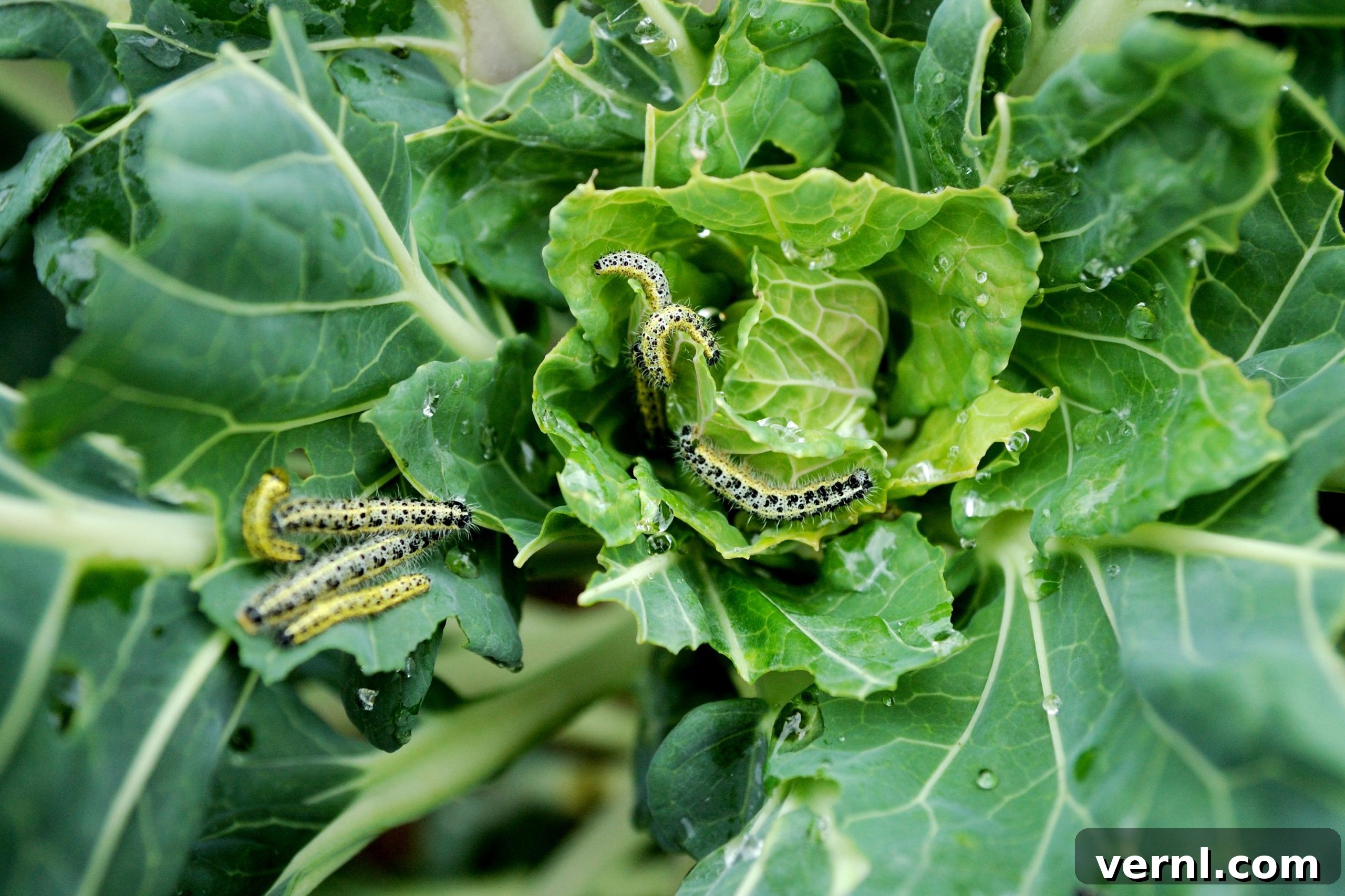
Garden pests are a common challenge for even the most experienced gardeners, appearing in an astonishing array of forms and sizes. From nearly invisible mites to larger mammals like deer, these unwelcome visitors can burrow, crawl, fly, climb, or jump their way into your cherished garden space. The initial thought might be to eradicate every insect and creature, but this is a misconception. It’s vital to remember that the vast majority of insects and wildlife present in your garden are not pests at all. In fact, a truly healthy and vibrant garden ecosystem thrives on a diverse population of bugs and other critters, many of which are beneficial.
“Often, when we encounter an animal or an insect, it’s not inherently a problem,” explains Thomas Ward, a seasoned training specialist and biologist at Critter Control. “More often, we are simply sharing habitats.” The cornerstone of effective garden pest control, therefore, lies in accurately identifying which insects and wildlife are genuinely problematic. Typically, these are the culprits aggressively devouring your homegrown vegetables, causing significant damage to leaves, stems, or root systems, or threatening the overall health of your plants. Once you pinpoint the specific pest and the extent of the damage, you can implement targeted strategies to manage their populations and prevent them from spiraling out of control.
“With a bit of foresight and strategic planning, you can cultivate a thriving garden and minimize conflicts with unwanted guests,” Ward advises. This comprehensive guide delves into effective garden pest control, offering expert insights from Ward, Bernie Holst of Horizon Pest Control, and John Bell from Florida Pest Control. We’ll explore prevention, identification, and mitigation techniques to help you maintain a beautiful and productive garden.
Common Types of Garden Pests
Gardens, whether dedicated to vegetables, flowers, or a mix, are often besieged by various insects and wildlife. The specific pests you encounter will largely depend on your geographical location and local environmental conditions. However, some types are universally recognized as common adversaries for gardeners across many regions. Understanding these common offenders is the first step towards effective management.
- Beetles: Certain beetle species are notoriously voracious eaters and can cause extensive damage very quickly. Key culprits include the Colorado potato beetle, Mexican bean beetle, flea beetle, and the Japanese beetle. Japanese beetles, in particular, have a broad diet, feeding on the leaves of over 300 plant species, including popular garden inhabitants like roses, grapes, crabapples, and certain maples. Their feeding often leaves a distinctive skeletonized appearance on leaves.
- Caterpillars: These larval forms of butterflies and moths possess insatiable appetites, munching their way through foliage as they grow toward metamorphosis. Among them, the larvae of spongy moths (formerly known as gypsy moths) are an invasive species, capable of causing significant defoliation to trees, sometimes stripping an entire tree of its leaves between spring and fall. Look for chewed leaves and often visible caterpillars or their droppings.
- Aphids and Thrips: These tiny, soft-bodied insects inflict damage by sucking sap from plant leaves, fruits, and sometimes even roots. “Aphids are a persistent nuisance, both indoors and out,” notes Chris Plante, district manager of Davey’s Tree Care Service in Portland, Maine. “They are often hard to spot due to their small size and can infest a wide range of plants, including fruits, vegetables, and ornamentals.” Signs of infestation include curled or distorted leaves, sticky honeydew residue, and stunted plant growth. Thrips cause silvery streaks on leaves and distorted flowers.
- Mammals: Larger animals can also pose significant threats to gardens. Chipmunks, deer, and rabbits are notorious for grazing on plants, devouring leaves, flowers, and ripe produce. Skunks, opossums, and raccoons, while sometimes searching for insects, can extensively dig up garden beds in their foraging efforts. Smaller mammals might also seek refuge in dense garden foliage, using it as cover from predators.
- Burrowing Wildlife: Gophers, moles, and voles are subsurface threats that damage gardens by creating intricate tunnel systems and gnawing on vital root systems. Moles primarily create unsightly tunnels and mounds as they hunt for grubs, while gophers and voles actively feed on roots, bulbs, and tubers, often leading to sudden wilting and death of plants.
Proactive Strategies: How to Keep Garden Pests Out
Embracing a pest-free garden as an absolute goal is often an exercise in futility. As Chris Plante wisely states, “Every gardener, from the novice to the advanced, will encounter garden pests. The experienced gardener understands there’s no magic bullet to completely rid your garden of them.” The true art of gardening lies in minimizing serious pest invasions and maintaining a healthy balance. Here are some effective strategies to reduce the likelihood of a pest problem escalating.
Strategic Garden Planning
Before you even break ground, thoughtful planning can significantly reduce future pest issues. If you’re still in the initial planning stages of your garden, dedicate time to researching common pests prevalent in your specific area and identifying their preferred food sources.
“Consider your garden’s future in both the short and long term,” advises Bernie Holst, CEO of Horizon Pest Control in Midland Park, New Jersey. “If you’re aware that certain pests are already present in your yard or neighborhood, then make informed plant selections that these pests find less appealing.” Consulting a local university extension agent can provide invaluable, region-specific advice on pest-resistant plant varieties, proper planting times, and effective cultural practices. Implementing crop rotation and companion planting can also confuse pests and break their life cycles.
Cultivate Beneficial Predators
One of the most ecological and sustainable approaches to pest control is to invite nature’s own pest managers into your garden. Planting a diverse array of species, with a particular emphasis on native plants, creates a welcoming habitat for beneficial insects that prey on the undesirable ones. These helpful insects act as natural biological controls, keeping pest populations in check without the need for chemical intervention.
Beneficial insects crucial for a healthy garden include:
- Ladybugs: Renowned for their voracious appetite for aphids, mealybugs, and other soft-bodied pests.
- Lacewings: Their larvae, often called “aphid lions,” consume aphids, thrips, mites, and whiteflies.
- Soldier Beetles: Both adults and larvae feed on aphids, grasshopper eggs, and other small insects.
- Tachinid Flies: Parasitize a wide range of caterpillars, beetles, and true bugs.
- Predatory Stink Bugs: Feed on various insect larvae and caterpillars.
- Parasitic Wasps: Lay eggs inside or on other insects, eventually killing the host.
To effectively attract these “good bugs” to your garden, consider planting flowers and herbs with small blooms that provide nectar and pollen, such as yarrow, laceflower, cosmos, angelica, tickseed, sunflowers, Shasta daisies, black-eyed Susans, hardy aster, dill, and goldenrod. (A note of caution: Goldenrod can sometimes spread aggressively and become an invasive weed in certain areas, so choose varieties carefully or manage its growth.)
“If you plant it, they will come,” affirms Plante. “However, please refrain from purchasing insects. When you buy bugs, you risk introducing invasive species that don’t belong in your ecosystem, or you might inadvertently support the wild harvesting of natural lands, which can disrupt local insect populations.”
Vigilance Against Invasive Species
Invasive pest species, such as the emerald ash borer, pose a unique challenge because they often lack natural predators in their new environment, allowing them to spread rapidly and cause widespread devastation. Early detection and aggressive management are critical. For highly destructive invasive pests, professional treatments may be necessary. These can include specialized soil or trunk injections, or in some cases, canopy sprays applied by certified arborists, to protect susceptible trees and plants.
Embrace Proactive Monitoring
Regular, diligent monitoring of your garden is one of the most effective ways to prevent minor pest issues from escalating into full-blown infestations. Make it a habit to inspect your plants thoroughly. Check the undersides of leaves, along stems, and examine the soil surface for any signs of pest activity, eggs, or damage. Early detection allows for immediate, often less intrusive, intervention. Remember that many destructive bugs can overwinter in the soil or in garden debris, emerging to infest plants once the weather warms. Implementing certain home remedies for bugs and maintaining garden cleanliness can help disrupt their life cycles.
Cultivate Healthy Soil
A plant’s ability to resist pests, diseases, and environmental stressors like drought is directly linked to its overall health. And at the heart of plant health is healthy soil. Robust soil provides essential nutrients, promotes strong root development, and harbors beneficial microorganisms that can protect plants. To ensure your soil is in peak condition:
- Conduct a soil test periodically to understand its composition and nutrient deficiencies.
- Amend soil with organic matter like compost to improve structure, fertility, and water retention.
- Fertilize judiciously based on soil test results, avoiding over-fertilization which can encourage lush, susceptible growth.
- Practice no-till or minimum-till gardening to preserve soil structure and beneficial soil life.
- Ensure deep, consistent watering at the root zone, rather than frequent shallow watering, to encourage strong root systems.
Implement Physical Barriers
Creating physical deterrents is an excellent way to prevent pests from ever reaching your plants.
- For flying insects and birds, finely meshed netting draped over berry bushes and fruit trees can protect ripening produce.
- To thwart crawling pests or digging animals, consider installing a mesh fence that is buried at least six inches deep. This subsurface extension prevents critters from simply burrowing underneath it.
- A sturdy fence, at least eight feet tall, is often necessary to deter persistent deer from browsing your garden.
- Row covers made of lightweight fabric can effectively shield susceptible plants like cabbage from cabbage worms and birds.
- Elevating your garden beds with raised planters can significantly deter rabbits and other ground-dwelling animals from munching on your tender vegetables.
Strategic Use of Traps
Traps can be an effective component of an integrated pest management strategy, controlling pests before they infest your prized flowers and vegetables. Pheromone traps and various rodent traps are useful tools. The key to their success lies in strategic placement: always position them a good distance *away* from your garden beds. This ensures that you are luring pests *away* from your plants, rather than attracting them directly to the area you’re trying to protect.
Effective Strategies: How To Get Rid of Garden Pests
When your garden is actively under attack, the first step is to accurately identify the culprit, understand what is attracting them, and determine the environmental conditions that allow them to thrive. With this information, you can choose the most appropriate and effective solution. Generally, pest mitigation processes fall into four main categories: cultural, mechanical, biological, and chemical.
While chemical treatments can sometimes offer rapid results, most experts advocate for them as a last resort. This is because chemicals often address only the symptoms of the problem rather than the underlying causes. Furthermore, they can indiscriminately harm beneficial insects, introduce toxins into the soil, pose risks to birds and other wildlife, and generally disrupt the delicate balance of the garden ecosystem. Prioritizing other methods, especially if you plan to consume produce from your garden, is always recommended.
Editor’s Tip: For avid vegetable gardeners, battling garden pests is a regular challenge. Discover how you can implement the clever huckleberry plant hack as a natural, pesticide-free method to safeguard your plants.
Cultural Pest Removal
Cultural mitigation involves modifying your garden environment and practices to naturally make it less appealing or hospitable to pests. As John Bell, a board-certified entomologist with Florida Pest Control, explains, “Utilizing insect or disease-resistant plants is often the simplest method for tackling insects. Altering the environment to be less attractive to specific pests is also highly effective.”
For problematic animals, cultural shifts might include:
- Clearing away debris, brush piles, and other potential hiding spots to deter rodents and other small mammals seeking shelter.
- Relocating compost piles away from garden beds to reduce their appeal as a food source or habitat.
- Ensuring pet food and bird seed are stored in secure, airtight containers indoors to prevent attracting rodents and other wildlife.
- Regularly harvesting ripe fruits and vegetables, and promptly picking up any fallen produce from the ground, as decaying matter can attract pests.
For insect pests and plant diseases, cultural practices can involve:
- Maintaining adequate spacing between plants and keeping them properly trimmed to improve air circulation, which significantly reduces conditions favorable for many plant diseases.
- Allowing infested or overly wet areas to dry out, as many pests and pathogens thrive in moist environments.
- Strategically swapping out food-source plants with alternative varieties or species that are less attractive or resistant to specific pests.
Mechanical Pest Removal
“Employing physical devices or direct physical intervention to deter larger pests from damaging your garden can often be the easiest and most immediate control method,” states Bell. These mechanical solutions are practical and typically non-toxic:
- Constructing raised garden beds, as mentioned previously, can make it harder for many ground-dwelling pests to access plants.
- Installing various types of fencing specifically designed to exclude animals like rabbits, deer, or even smaller pests.
- Creating a hanging garden, utilizing elevated containers or vertical gardening structures, can keep plants out of reach of many crawling and ground-level pests.
- Strategically placing live traps to safely capture and then relocate smaller nuisance animals away from your garden.
For insects, a common mechanical solution involves the use of pheromone traps. Holst notes these are effective for controlling various species, including ladybugs (when they become a nuisance indoors) and Japanese beetles. The key, he advises, is to set up several traps a considerable distance *away* from your garden. “The last thing you want to do is inadvertently lure more destructive insects directly into the garden you’re trying to protect,” Holst emphasizes. Other mechanical methods for insects include hand-picking visible pests, using strong sprays of water to dislodge aphids and mites, and deploying sticky traps for flying insects.
Biological Pest Removal
Biological pest removal harnesses the power of natural enemies to control pest populations. “The classic example is the introduction of ladybugs to manage aphid infestations,” says Bell. Another effective biological agent is nematodes, microscopic, worm-like creatures that can be applied to the soil to control various grubs and soil-dwelling insect larvae.
However, biological control isn’t without its potential consequences. Introducing new species, even beneficial ones, can sometimes unintentionally disrupt the existing ecological balance. Holst cautions about the nuances: “While ladybugs are generally cute and harmless to humans in small numbers, hundreds or thousands of ladybugs can be far less charming, particularly if they attempt to enter your home or business in large swarms as temperatures drop, seeking shelter for winter.” It’s crucial to understand the full implications before introducing non-native biological controls.
Chemical Pest Removal (Last Resort)
“If all other methods prove insufficient, a specialized product may become necessary to preserve your garden’s aesthetic appeal or ensure its productivity,” Holst acknowledges. “Fortunately, a wide array of options exists.”
For insect pests, chemical treatments vary in application: some are sprayed directly onto plants, others are incorporated into the soil, and some act as a barrier repellent around the garden perimeter. Ward highlights that “Repellents typically work best when applied *before* an animal problem begins. Most repellents also necessitate multiple applications to maintain their efficacy.”
When considering chemical solutions, it’s wise to prioritize those considered low-toxicity or non-toxic to humans, beneficial insects, and the environment. A few common treatments in this category include:
- Neem Oil: Neem oil is a naturally occurring pesticide extracted from the seeds of the neem tree, an evergreen native to India. When sprayed, it works by suffocating insects on contact and also acts as an insect growth regulator, disrupting their feeding and reproduction. It is particularly effective against soft-bodied insects like aphids, mites, and thrips, and is generally considered safe for birds, bees (once dry), and mammals.
- Diatomaceous Earth (DE): Typically applied as a fine powder, diatomaceous earth consists of the sharp, microscopic fossilized remains of tiny aquatic organisms. It kills by abrading the exoskeletons of insects, causing dehydration. DE is most effective against crawling pests such as larvae, slugs, ants, and cutworms. It is generally considered environmentally benign, though care should be taken to avoid inhaling the dust.
- Insecticidal Soaps and Essential Oils: Various insecticidal soaps and certain essential oil blends kill target pests upon direct contact by disrupting their cell membranes. Most are effective against aphids, thrips, and mites and are largely considered safe for beneficial insects once dry. It’s best to purchase commercially prepared formulations, as homemade versions can sometimes be too concentrated and cause foliage burn.
- Pyrethroids: These are man-made synthetic versions of pyrethrins, naturally occurring insecticidal compounds derived from chrysanthemum flowers. Pyrethroids work by rapidly paralyzing the nervous systems of insects. They must be applied directly to the insects and are effective against moths, ants, and mosquitoes, but it’s important to note that they can also harm beneficial insect species.
- Neonicotinoids: These are a widely used class of systemic pesticides that are absorbed by plant tissues, targeting sap-sucking and leaf-chewing insects like aphids. Because they permeate the entire plant, they offer extended protection. However, due to their systemic nature and known detrimental effects on pollinators (bees, butterflies) and birds, neonicotinoids should be considered a last resort and used with extreme caution, if at all, especially in gardens with flowering plants.
For optimal results and to ensure safety for yourself, your plants, and the environment, *always* meticulously follow the instructions and dosage guidelines provided on the product label. When treating edible gardens, prioritize organic solutions and ensure any chosen product is explicitly labeled for use on food crops.
When to Call the Pros
While many common pest problems can be effectively managed through DIY strategies, some infestations prove too challenging or complex for the average gardener. When your efforts continually fall short, or you face a severe, persistent, or widespread problem (especially involving trees or invasive species), it’s time to seek expert assistance. Local landscapers, arborists, and professional tree-care specialists possess the specialized knowledge, equipment, and experience to diagnose difficult issues and apply the most appropriate treatments. Furthermore, they are well-versed in complying with stringent state pesticide applicator regulations, ensuring treatments are conducted safely and legally. Don’t hesitate to reach out to them when all else fails.
FAQ: Frequently Asked Questions About Garden Pests
How can I accurately identify which pest is damaging my garden?
Effective pest control begins with accurate identification. Start by carefully observing the specific type of damage evident on your plants. Are leaves showing chew marks, holes, or skeletonization? Are roots being dug up or gnawed? Are flowers or fruits exhibiting bite marks, discoloration, or distortion? Beyond damage, spend time actively observing your garden to see what insects or animals are present and what they are doing. Look closely under leaves, along stems, and on the surrounding soil surface. Note the size, color, shape, and movement of any suspect critters. Consulting a local garden guide, online resources, or an extension agent can help match the damage and pest characteristics.
Are chemical pesticides safe for edible gardens?
While some chemical pesticides are labeled for use on edible crops, it is generally best practice to avoid applying conventional chemical pesticides directly to plants you intend to eat. The primary concern is potential residue on the produce. If chemical intervention becomes absolutely necessary, always opt for products specifically certified for organic gardening or clearly labeled for edible plants, and ensure you meticulously follow all instructions regarding application rates, pre-harvest intervals, and safety precautions. For edible gardens, prioritizing cultural, mechanical, and biological control methods is always the safest and most recommended approach.
About the Experts
- Thomas Ward is a training specialist and biologist at Critter Control, an organization focused on professional wildlife and pest management.
- Bernie Holst serves as the CEO of Horizon Pest Control, based in Midland Park, New Jersey, providing extensive pest management services.
- John Bell is a board-certified entomologist with Florida Pest Control, bringing specialized scientific expertise to pest identification and control.