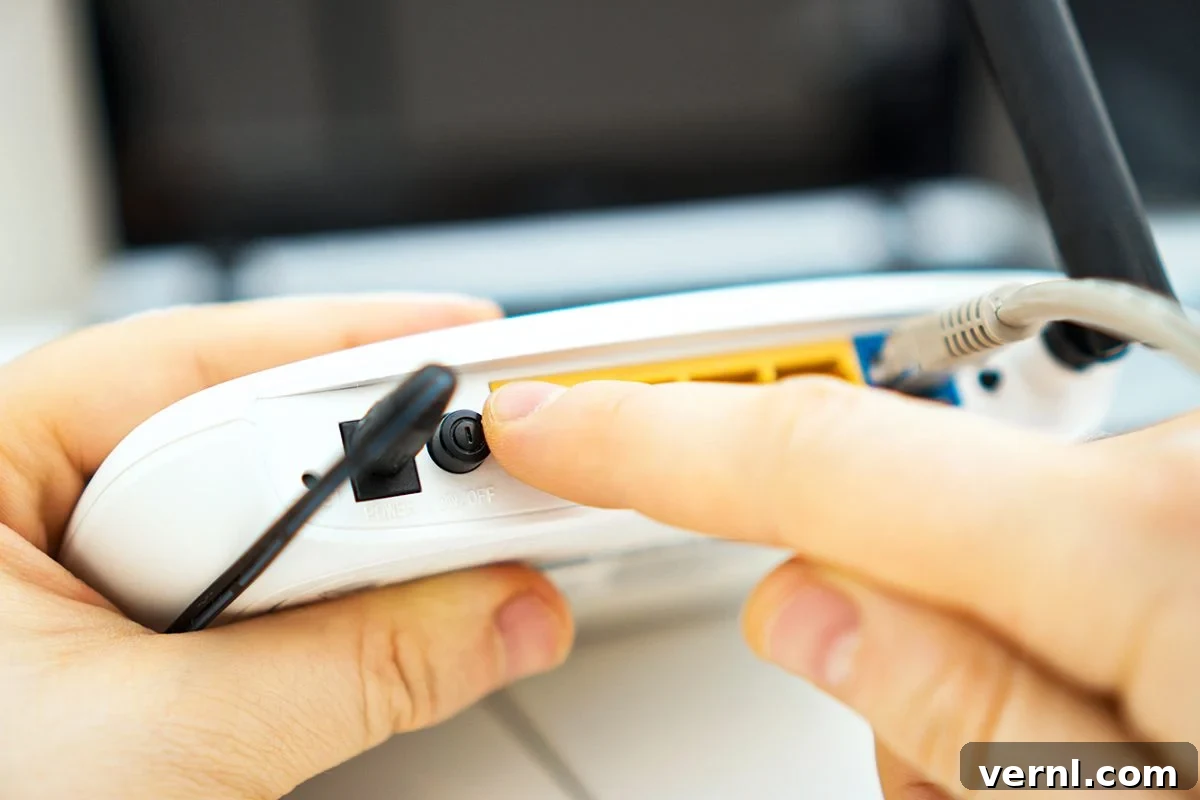
The Essential Guide to Router Rebooting: Boost Your Wi-Fi Performance and Security
In the modern smart home, our Wi-Fi routers serve as the unsung heroes, tirelessly channeling the digital world into our devices. Often tucked away in a corner, they operate quietly in the background, rarely demanding attention—until something goes wrong. However, much like any vital component of our home infrastructure, routers can significantly benefit from periodic maintenance. And in this case, that means a simple, yet powerful, action: rebooting your router.
While many users adopt an “if it ain’t broke, don’t fix it” approach, only restarting their router when a problem arises, experts suggest a more proactive stance. “Restarting your router once a month or so is a good idea,” advises Seth Geftic, vice president of product marketing at Huntress. He explains that factors such as the router’s quality and its internal software can contribute to performance degradation over time. “Memory leaks, stalled processes, and various bugs can accumulate and significantly slow things down,” Geftic adds.
Understanding the inner workings of your router and recognizing the profound benefits of a routine reboot can transform your online experience. Let’s delve into why scheduling a regular router restart is not just a good idea, but an essential practice for maintaining a robust and secure home network.
Benefits of Regularly Restarting Your Router
A simple reboot can unlock a wealth of advantages for your home network, improving everything from speed to security. Jacob Kalvo, co-founder and CEO at Live Proxies, highlights several major upsides to this routine practice.
It Updates Software and Enhances Security
One of the most critical reasons to reboot your router regularly is to ensure it receives vital software and firmware updates. Manufacturers frequently release patches that address newly discovered vulnerabilities and improve overall device functionality. Without these updates, your router can become a weak link in your digital defenses. “It’s really important to keep an eye on your device’s security patches and make sure it’s up to date,” emphasizes Marcello Barros, global director at Hacker Rangers.
These updates aren’t just about performance; they are fundamental to your network’s security. Outdated firmware can expose your network to various cyber threats, making it easier for potential hackers to gain unauthorized access. Barros warns, “If a hacker gets into your network device, they could intercept your data or keep track of what you’re doing online.” A timely reboot helps integrate these crucial security patches, safeguarding your personal information and ensuring your online activities remain private.
It Can Fix Connection Problems and Improve Speed
Frustrated by sluggish internet speeds, buffering videos, or frequent connection drops? A router reboot is often the first and most effective troubleshooting step. Over time, your router processes a vast amount of data and manages connections for numerous devices. This continuous operation can lead to minor glitches, IP address conflicts, or a build-up of temporary data that impairs its efficiency. “It’s simply a means of rebooting the entire network to get rid of those minor glitches that might build up in it over time,” Kalvo explains.
By restarting, you essentially give your router a fresh start. It clears its internal memory, re-establishes a clean connection with your Internet Service Provider (ISP), and reassigns IP addresses to all connected devices. This process can resolve common issues like slow loading times, intermittent Wi-Fi signals, and even complete loss of internet access, restoring your network to its optimal operational state.
It Cleans the Cache and Optimizes Performance
Just like your web browser, your router maintains a cache—a collection of temporary files and data stored in its memory. This cache is designed to speed up common tasks by storing frequently accessed information. However, over extended periods of operation, this cache can become cluttered and inefficient, akin to a computer hard drive filled with unnecessary temporary files. A bloated cache can hinder your router’s ability to process new requests swiftly, leading to noticeable dips in internet speed and overall network performance.
Rebooting your router effectively cleans this cache, freeing up valuable memory resources. This refresh allows the router to operate more efficiently, process data faster, and deliver a more consistent and responsive internet connection. You’ll likely experience enhanced performance, quicker page loads, smoother streaming, and improved responsiveness for online gaming once the cache is cleared.
It Resolves IP Address Conflicts
Your router acts as a DHCP (Dynamic Host Configuration Protocol) server, assigning unique IP addresses to every device connected to your local network. Occasionally, particularly after new devices are introduced or existing ones are reconnected, conflicts can arise where two devices attempt to use the same IP address. These conflicts can lead to devices being unable to connect to the internet, or experiencing intermittent connectivity issues. A router reboot forces all devices to request new IP addresses from the router, effectively resolving any existing conflicts and ensuring a smooth, harmonious network environment for all your gadgets.
Dangers of Not Restarting Your Router
Neglecting your router can lead to a cascade of problems, impacting not just your internet experience but also your digital security and even the lifespan of the device itself. Understanding these potential pitfalls can further underscore the importance of regular maintenance.
Slow Internet Connection and Frustration
The most immediate and noticeable consequence of an un-rebooted router is a significant degradation in internet performance. As discussed, a router’s memory cache can become overloaded with temporary data, leading to an unstable and sluggish connection. “That degraded performance could cause frustration due to slower internet speeds and poor connectivity,” says Geftic. This isn’t just an inconvenience; it can severely impact activities like video conferencing, 4K streaming, online gaming, and even simple web browsing, turning a seamless experience into a constant battle with buffering and lag.
Compromised Security and Privacy Risks
Perhaps the most alarming danger of neglecting your router is the increased vulnerability to cyberattacks. Many older or lower-end routers do not automatically update their firmware without a manual reboot. This means critical security patches, designed to protect against emerging threats, might never be applied. An outdated router is a gaping hole in your network’s defense, making you susceptible to various malicious activities. Hackers could exploit known vulnerabilities to gain unauthorized access to your network, intercept your data, monitor your online activity, or even turn your router into part of a botnet for malicious purposes. The integrity of your personal information, financial data, and overall privacy hinges on maintaining a secure router.
Shorter Device Lifespan and Increased Costs
Just like any electronic device, continuous, uninterrupted operation can take its toll on a router. Issues such as overheating, constant high resource utilization, and congestion can place undue stress on its internal components. “Minor issues with your router, such as overheating or congestion, may result in more significant connectivity failures or hardware wear over time if the router is not restarted,” Kalvo points out. These stresses can accelerate wear and tear, leading to premature hardware failure and ultimately shortening the lifespan of your router. Regular reboots help alleviate this strain, allowing components to cool down and processes to reset, potentially extending the operational life of your device and saving you the cost of early replacement.
Network Instability and Device Disconnectivity
Beyond slow speeds, a neglected router can lead to persistent network instability. You might experience frequent Wi-Fi signal drops, intermittent internet access on certain devices, or difficulty connecting new devices to the network. This instability can be particularly disruptive in smart homes, where numerous devices rely on a consistent connection. Smart lights, thermostats, security cameras, and voice assistants can all become unresponsive, leading to significant inconvenience and frustration.
How Often Should You Reboot Your Router?
For most home users, a general recommendation is to reboot your router every month or so. This regular cadence helps maintain optimal performance and security, acting as a preventative measure against the common issues discussed above. Beyond this schedule, you should definitely reboot your router whenever you notice a significant drop in internet speed, experience frequent disconnections, or encounter other connectivity problems that aren’t resolved by restarting your devices.
However, the ideal frequency isn’t a one-size-fits-all rule. “The frequency can depend on your usage habits and the reliability of your router,” Kalvo notes. If you have a particularly old router, stream a lot of high-bandwidth content, connect numerous smart devices, or engage in extensive online gaming, you might benefit from more frequent reboots—perhaps even bi-weekly. “For businesses or users with high internet demands, more frequent reboots may help maintain a consistently smooth network experience,” he adds, emphasizing that heavy usage can accelerate the accumulation of issues that a reboot resolves.
How to Reboot Your Router
Rebooting your router is a straightforward process, but it’s important to do it correctly to ensure a complete power cycle and memory clear. Here’s a simple, step-by-step guide:
- Locate the Power: Find the power cable connected to your router. Alternatively, if your router has a dedicated power button, you can use that.
- Disconnect Power: Unplug the power cable from the router or press the power button to turn the device off.
- Wait for a Brief Period: Crucially, wait at least 30 seconds to a full minute. “This brief pause will completely clear the memory of the router,” says Kalvo. This waiting period allows all residual power to drain, ensuring a thorough reset of its internal components.
- Reconnect Power: Plug the power cable back into the router or press the power button to turn it on.
- Allow to Restart: Wait for the router to fully restart. This process typically takes a few minutes as the device boots up, reconnects to your ISP, and re-establishes your Wi-Fi network. You’ll usually see indicator lights stabilize once it’s ready.
Some routers are also equipped with a dedicated “reset” button, often recessed and requiring a pen or paperclip to press. While this can reboot the device, it’s crucial to differentiate it from a “factory reset” option, which typically requires holding the button for an extended period. A factory reset will erase all your custom settings, including your Wi-Fi password and network name, forcing you to reconfigure your router from scratch. Always ensure you are performing a simple power cycle or a soft reboot, not a factory reset, unless specifically instructed for advanced troubleshooting.
For added convenience, many modern routers come with companion mobile apps. These apps often allow you to navigate through settings and initiate a soft reboot remotely. “This is helpful if your router’s power source is inconvenient to reach,” Geftic points out, offering a practical solution for routers located in hard-to-access areas.
Should I Change My Router Password? Absolutely!
Changing your router’s default password is not just a recommendation; it’s a fundamental security measure that every internet user should take. Routers typically ship with a default password that is often generic, easily guessable, or widely known and readily available online. “That’s why it’s super important to change it to something stronger and harder to guess,” stresses Barros.
Even if your internet provider initially sets up a strong default password, changing it remains a best practice. This ensures that only you know the credentials, minimizing any potential risk of unauthorized access through a shared or compromised provider password list. When creating a new password, aim for a strong, unique combination of uppercase and lowercase letters, numbers, and symbols. Avoid using personal information, common words, or easily predictable patterns.
WPS vs. WPA: Understanding Your Wi-Fi Security Protocols
Beyond just changing your password, understanding your router’s Wi-Fi Protected Setup (WPS) and Wi-Fi Protected Access (WPA) settings is vital for robust network security. “WPS makes it easier for devices to connect to the network without needing a security password, but that makes it less secure and more prone to attacks, so a lot of experts recommend turning off WPS,” Barros advises.
WPS, while convenient, introduces a significant security vulnerability due to its inherent design flaws that make it susceptible to brute-force attacks. Disabling WPS removes this potential entry point for hackers.
On the other hand, “WPA, is a security protocol that keeps your Wi-Fi safe, only letting authorized devices connect, so it’s a much safer option,” he clarifies. WPA encrypts your wireless traffic, making it incredibly difficult for unauthorized parties to eavesdrop on your data. Barros strongly recommends using the latest version of WPA, which is WPA3, for the highest level of protection. “WPA3 has the fewest security issues,” he notes, offering advanced encryption and stronger authentication methods that are crucial for safeguarding your modern digital life.
Additional Router Security Tips
Beyond passwords and WPA, consider these additional steps to harden your router’s security:
- Change Default SSID: While not a security feature, changing your network’s default name (SSID) can make it less obvious which brand of router you’re using, making it slightly harder for attackers to identify known vulnerabilities for that specific model.
- Disable Remote Management: Ensure that remote access to your router’s administration interface is disabled, especially from the internet. This prevents outsiders from trying to log into your router’s settings.
- Enable a Guest Network: If your router supports it, create a separate guest Wi-Fi network for visitors. This isolates guest devices from your primary network, protecting your main devices and data.
- Regular Firmware Checks: Even with reboots, occasionally log into your router’s admin interface to manually check for and apply firmware updates, ensuring you’re always running the most secure version.
About the Experts
- Jacob Kalvo is a tech and cybersecurity expert and co-founder and CEO at Live Proxies, a proxy and web intelligence company focused on providing secure and reliable online solutions.
- Seth Geftic is vice president of product marketing at Huntress, bringing almost two decades of cybersecurity experience across endpoint security, MDR (Managed Detection and Response), phishing defense, and identity protection issues.
- Marcello Barros is an expert in cybersecurity with more than three decades of IT experience, and is the global director at Hacker Rangers, a company dedicated to fostering robust cybersecurity practices within businesses through innovative gaming techniques.