Navigating the open road is an integral part of modern life for many, yet it inherently carries a degree of risk. While most drivers strive for caution and adherence to traffic laws, the potential for an accident looms large whenever a vehicle is in motion. We are often educated on the principles of defensive driving, learning to anticipate and react to the honest mistakes of other motorists. However, a far more insidious threat lurks on our streets: sophisticated car insurance scams designed to defraud unsuspecting victims and exploit the system.
These fraudulent schemes are not only financially detrimental but can also leave innocent drivers with inflated insurance premiums, tarnished records, and significant emotional distress. A recent incident, widely circulated online due to compelling video evidence, starkly illustrates the cunning tactics employed by these criminals. This particular event, captured on a dash camera, serves as a powerful reminder of the importance of vigilance and preparedness in protecting oneself against such deceptive practices.
Unmasking the Car Insurance Scam: A Closer Look at Deceptive Tactics
The viral video in question meticulously documents a common yet alarming car insurance scam in action. In this orchestrated event, the perpetrators initially attempted a ‘brake check’ maneuver – abruptly braking in front of the victim’s vehicle without legitimate cause – in a deliberate effort to induce a rear-end collision. When this initial attempt failed to provoke an accident, the scammers, undeterred, resorted to a more audacious tactic: intentionally backing their vehicle into the victim’s car. This blatant act of aggression ensured contact and provided the staged “accident” they needed to initiate their fraudulent claim.
Following the manufactured collision, the group of con artists immediately launched into a well-rehearsed performance designed to amplify confusion and create a false narrative. Occupants of the scammer’s car were seen rapidly shuffling positions, likely an attempt to obscure the true driver’s identity or to implicate an uninsured party. Simultaneously, they began to feign injuries, rubbing their necks and cradling their heads in their hands, all while conspicuously taking photos of the “accident scene.” These theatrical displays are strategically employed to generate immediate sympathy, pressure the victim into admitting fault, and establish a basis for exaggerated injury claims to their insurance provider.
However, the entire elaborate charade unraveled when the scammers noticed the victim’s vehicle was equipped with a dash camera. The presence of irrefutable video evidence, documenting their premeditated actions, instantly exposed their fraudulent intent. Realizing their scheme was compromised, they swiftly abandoned their act and fled the scene, leaving their intended victim unscathed but shaken. This incident underscores the profound impact a simple piece of technology can have in deterring and exposing criminal activity.
According to the National Insurance Crime Bureau (NICB), organized staged accident fraud, like the one witnessed, is a prevalent issue, particularly in urban areas and locations experiencing high traffic volumes. These environments offer more opportunities for scammers to execute their plans and a greater likelihood of distractions for potential witnesses. The NICB also highlights that scammers often target specific types of vehicles, including newer models, rental cars, and commercial vehicles. This strategic targeting is not arbitrary; these vehicles are typically well-insured, promising a larger potential payout for the fraudulent claims. Furthermore, luxury vehicles are also frequently targeted due to their higher repair costs and perceived higher policy limits, making them attractive for inflated damage claims.
Had this sophisticated insurance scam succeeded, the innocent victim, driving the rear vehicle, would have faced severe repercussions. In the absence of compelling video proof, the legal presumption often places fault on the rear driver in a rear-end collision. This would have left the victim battling an undeserved accident on their driving record, significantly increased insurance premiums for years to come, and potentially substantial out-of-pocket expenses. Meanwhile, the perpetrators would have collected a fraudulent insurance payout, emboldened to continue their criminal enterprise and victimize countless others, perpetuating a costly cycle of deceit that ultimately impacts all policyholders through higher overall insurance costs.
Proactive Measures: How to Safeguard Yourself Against Auto Insurance Scams
Protecting yourself from the cunning tactics of car insurance scammers requires a combination of technological preparedness, heightened awareness, and adherence to specific post-accident protocols. The single most effective defense against staged accident fraud is irrefutable video evidence that exonerates you from false accusations.
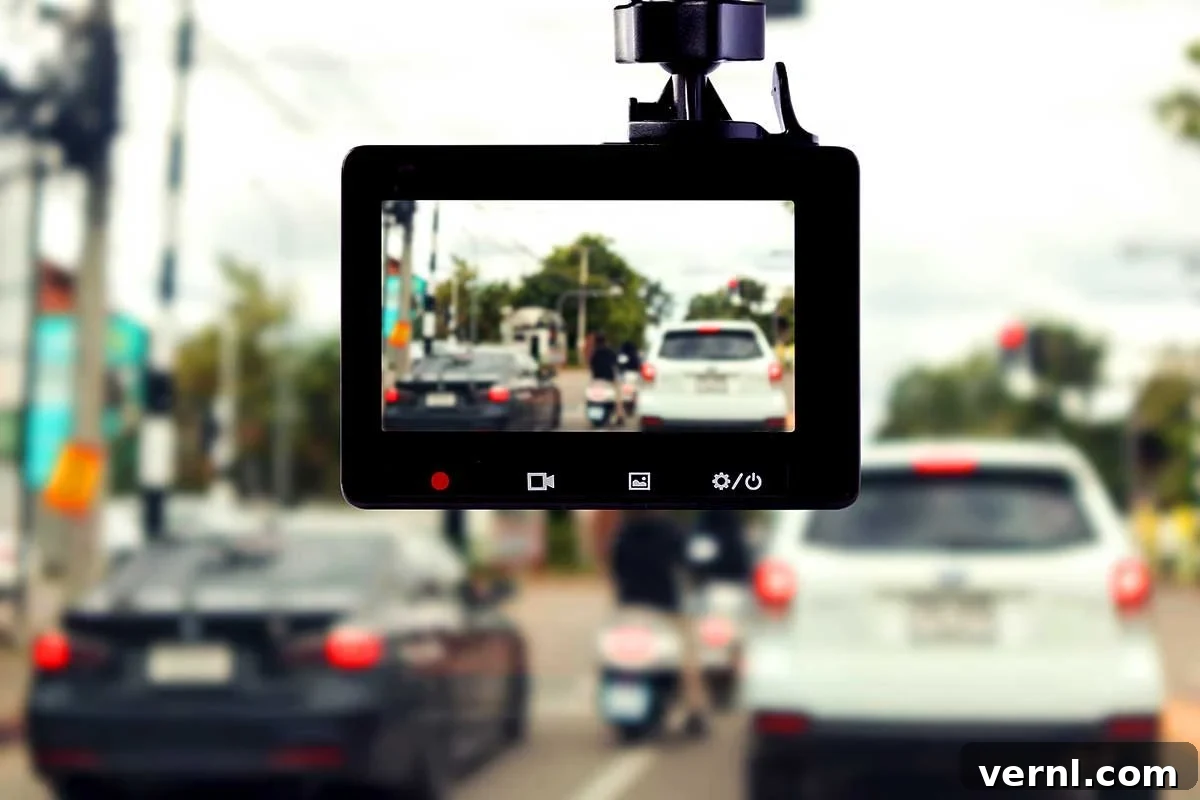
Investing in a high-quality dash cam for your car is not merely a recommendation; it is an essential safeguard in today’s driving environment. Unlike attempting to record an incident on your phone – which is unsafe, illegal in many jurisdictions, and an unnecessary drain on your device’s battery – a dedicated dash cam provides continuous, hands-free recording. Modern dash cams offer various features, including front-facing and dual-channel (front and rear) recording, high-definition video, GPS logging, and even parking surveillance modes that record incidents while your vehicle is stationary. This constant vigilance acts as a silent witness, capturing everything that unfolds on the road and providing the crucial proof needed to counter fraudulent claims, as it did in the viral incident discussed.
Beyond technological solutions, maintaining an elevated level of situational awareness is paramount. While defensive driving traditionally focuses on anticipating genuine mistakes, it must now extend to recognizing suspicious driving patterns that could indicate a scam. Be wary of vehicles that suddenly accelerate and then brake without warning, especially in light traffic or at intersections. Watch out for drivers who try to wave you forward from a side street or parking lot, only to intentionally collide with your vehicle as you proceed. Always maintain a safe following distance, providing ample time to react to sudden, unexpected braking and reducing the likelihood of being caught in a ‘brake check’ scam.
Should you unfortunately find yourself involved in an accident, especially one that feels suspicious, your actions immediately afterward are critical. The most crucial rule is: never admit fault at the scene. Even an innocent “I’m sorry” can be misconstrued as an admission of guilt and used against you. Immediately call the police, regardless of how minor the damage appears. A police report creates an official record of the incident, which is vital for insurance claims and can often deter scammers who prefer to avoid law enforcement involvement.
Thoroughly document the scene yourself. Use your phone to take numerous photos and videos of everything: the damage to both vehicles, the positions of the cars, license plates, the surrounding environment (road conditions, traffic signals, landmarks), and all occupants of the other vehicle. Note their physical descriptions, especially if you suspect driver shuffling. Obtain contact and insurance information from all parties involved, but remember to verify this information against their driver’s license if possible. Look for independent witnesses and ask for their contact details. Report any suspicious behavior, such as feigned injuries, refusal to provide information, or attempts to leave the scene, to both the police and your insurance company immediately.
It’s also beneficial to understand who these scammers typically target. According to NICB data, individuals perceived as less likely to challenge an aggressive claim are often preferred victims. This includes women driving alone, senior citizens, and sometimes even young, inexperienced drivers who may be easily flustered or less familiar with accident protocols. Scammers bank on these vulnerabilities, assuming such targets may be less likely to carry dash cams, less confrontational, or quicker to settle a claim without extensive investigation. By being aware of these target demographics, all drivers can cultivate heightened caution and preparedness, ensuring they are not perceived as an easy mark.
Finally, continuous education is a powerful tool. Research common car insurance scam scenarios like the “Swoop and Squat,” “Wave-in,” “Side Swipe,” or “Phantom Passenger” scams. Familiarizing yourself with these techniques will better equip you to identify and avoid them in real-time. Resources from organizations like the NICB, your local police department, and even your own insurance provider often offer valuable insights and preventative tips. By staying informed, being vigilant, and preparing with tools like a dash cam, you empower yourself to navigate the roads safely and confidently, protected against the deceptive schemes of insurance fraudsters.
Sources
- Attempt at Insurance Scam Caught on Camera, ABC News 2024
- Staged Auto Accident Fraud, National Insurance Crime Bureau