
Ultimate Guide to Eliminating Houseplant Gnats: Prevention & Treatment
The first time I encountered those annoying houseplant gnats, it was a truly exasperating experience. I had just finished repotting a cherished night-blooming jasmine, a plant I had lovingly nurtured from a tiny seed. My attachment to it was significant, which made the sudden swarm of tiny, dark insects buzzing around it all the more distressing. There were so many that approaching the plant became an exercise in willpower.
It quickly became clear that understanding how to get rid of plant gnats was not just a matter of convenience, but a necessity for maintaining my sanity and the health of my beloved plant.
“Fungus gnats are undeniably a nuisance for anyone with indoor plants, constantly flying into your tea or coffee, and irritatingly buzzing around your face,” explains Lisa Eldred Steinkopf, widely known as The Houseplant Guru. While their presence is certainly unwelcome, there’s no need to panic. “They are unlikely to kill a healthy mature plant; however, as their numbers escalate, they can gradually weaken plants by feeding on delicate roots and young stems, particularly in seedlings or already stressed specimens.”
My initial, albeit somewhat drastic, solution involved completely repotting my jasmine using a fresh bag of potting mix. While effective, I later discovered a multitude of simpler, less disruptive methods. If you find yourself battling a swarm of these persistent pests in your home, read on for a comprehensive guide on how to effectively get rid of houseplant gnats and keep them from returning.
What Exactly Are Houseplant Gnats?
Houseplant gnats, more precisely known as fungus gnats (members of the Sciaridae family, among others), are a collective term for various species of small, dark flying insects and their larvae that inhabit potted plants. These tiny pests are often mistaken for fruit flies or even miniature mosquitoes due to their appearance and flight patterns, but they have distinct characteristics and preferences.
“They might be tiny, but their ability to annoy is incredibly disproportionate to their size!” remarks Justin Hancock, a seasoned horticulturist at Costa Farms. “Adding to the challenge, they possess a relatively rapid lifecycle, especially in the warm, stable environments of our homes. This means a small, unnoticed population can very quickly explode into a significant and highly noticeable infestation.”
Understanding the Fungus Gnat Lifecycle
To effectively combat fungus gnats, it’s crucial to understand their complete lifecycle, which typically spans around 17-25 days depending on environmental conditions like temperature and humidity. This cycle consists of four distinct stages:
- Egg: Adult female gnats lay hundreds of tiny, translucent eggs in moist, organic-rich soil. These eggs hatch within 3 to 6 days.
- Larva: Once hatched, the legless, translucent white larvae, measuring about ¼ inch long with distinctive shiny black heads, begin feeding. This is the most destructive stage, as larvae primarily feed on fungi, decaying organic matter, and unfortunately, the fine root hairs of plants. This larval stage lasts approximately 10 to 14 days.
- Pupa: After sufficient feeding, the larvae transform into pupae within the soil. This quiescent stage typically lasts 3 to 4 days.
- Adult: Finally, the adult gnats emerge from the pupal stage, ready to mate and lay more eggs, perpetuating the cycle. Adults live for about 7 to 10 days, during which they focus solely on reproduction.
The speed at which they complete their lifecycle means that numbers can multiply exponentially in a short period, making early detection and intervention key.
Where Do Houseplant Gnats Originate From?
Fungus gnat larvae are soil dwellers, meaning their eggs and larvae are most commonly introduced into your home through contaminated potting mix or new plants. This can happen in several ways:
- New Plants: When you purchase new plants from a nursery or garden center, they may already harbor gnat eggs or larvae in their soil.
- Repotting: Using a bag of potting mix that has been left open or exposed, especially if stored outdoors, can introduce eggs or larvae.
- Outdoor Plants: Bringing potted plants indoors after they’ve spent time outside can also transfer gnats from your garden into your home.
“It’s unfortunately quite common to inadvertently bring them in from your local garden center,” explains Hancock. “Even a small tear or opening in a bag of potting mix can create an opportunity for adult gnats to lay their eggs, leading to a surprise infestation when you get home.”
What Attracts Houseplant Gnats?
Fungus gnats are irresistibly drawn to moist potting soil, particularly mixes rich in organic matter like peat moss, compost, or decaying plant debris. This moist, nutrient-rich environment provides an ideal breeding ground and food source for their offspring.
“The continually damp soil offers the perfect habitat for raising their young,” Hancock clarifies. “While the larvae primarily feed on naturally occurring fungi and other organic material in the soil, they may unfortunately resort to feeding on delicate plant roots if the roots are weak, or if the potting mix lacks sufficient fungi and decaying organic matter to sustain them. This root damage can be particularly detrimental to young seedlings or plants already under stress.”
Do Fungus Gnats Pose a Biting Risk?
No, despite their tendency to swarm and fly annoyingly close to your face, adult fungus gnats are completely harmless to humans. They lack the mouthparts necessary to bite people or pets. Similarly, while their larvae can damage plant roots, adult gnats do not directly harm plants by biting or feeding on foliage.
Identifying a Gnat Infestation in Your Houseplants
Recognizing the signs of a houseplant gnat infestation early is crucial for effective management. You’ll primarily see the adult gnats themselves. They are typically small (about 1/8 inch long), dark-bodied, and have long legs and antennae, resembling tiny mosquitoes. You’ll notice them flying slowly and erratically around your plants, often near the soil surface, or even landing on nearby surfaces like windows and computer screens.
If you suspect an infestation, gently dig around in the top inch or two of your potting soil. With careful observation, you may be able to spot the larvae. These appear as tiny, translucent white worms with distinct shiny black heads, wriggling through the moist soil. Their presence confirms a breeding population within your plant.
A simple test is to place a slice of raw potato on the soil surface. The larvae are attracted to the potato and will congregate beneath it within a few hours or overnight, making them easier to spot.
Effective Strategies for Preventing Houseplant Gnats
Prevention is always the best defense when it comes to houseplant gnats. By understanding what attracts them, you can implement practices that make your indoor garden a far less inviting environment.
1. Master Your Watering Routine
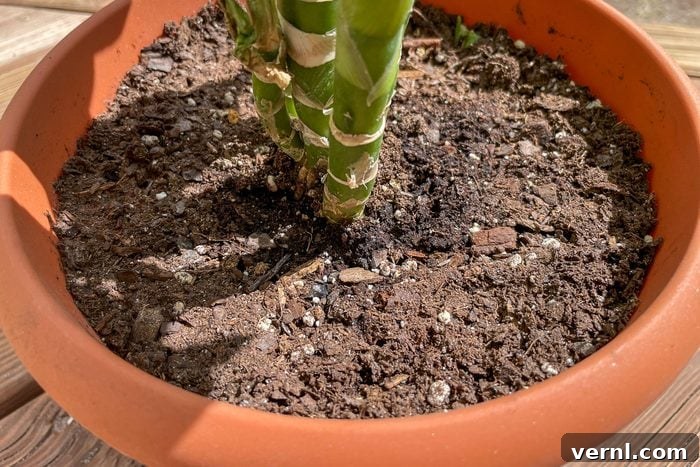
Since fungus gnats thrive in consistently moist soil, the most critical preventative measure is to allow your plant soil to dry out between waterings. This eliminates the damp conditions essential for gnat eggs and larvae to survive and develop. Always water your plants thoroughly until water drains from the bottom, then allow the top 1-2 inches of soil to dry completely before the next watering. For many plants, this might mean watering less frequently than you’re used to. You can test the soil dryness by sticking your finger into the soil or by lifting the pot to gauge its weight.
2. Inspect New Plants and Potting Mix
Be vigilant when introducing new plants or potting soil into your home. Before making a purchase, visually inspect the soil surface of any prospective plant for flying adults or small larvae. Use a magnifying glass if necessary to examine the soil closely for any signs of eggs or wriggling larvae.
“If you observe gnats flying around the garden center or nursery while you’re plant shopping, consider it a strong indication that you’ll be bringing them home,” advises Steinkopf. “It’s best to leave those plants behind. Furthermore, always avoid purchasing plants that appear waterlogged, as this is a prime condition for gnat proliferation and generally unhealthy for the plant.” When buying potting mix, opt for sealed bags and store any opened bags in airtight containers to prevent contamination.
3. Ensure Proper Drainage
Always use pots with adequate drainage holes to prevent water from pooling at the bottom, which contributes to overly moist soil conditions. If you use decorative cachepots, ensure you empty any excess water that collects after watering.
4. Consider a Soil Barrier
Creating a physical barrier on top of your potting mix can effectively deter adult gnats from laying eggs. A half-inch to an inch layer of coarse sand, fine gravel, or even decorative pebbles can dry out quickly, making the top layer inhospitable for egg-laying. Diatomaceous earth (DE), a natural powdery substance, can also be sprinkled on the soil surface; it works by dehydrating and abrading the exoskeletons of adult gnats and larvae.
Comprehensive Methods for Eliminating Houseplant Gnats
If prevention wasn’t enough, or you’ve inherited an existing gnat problem, don’t despair. A combination of strategies will help you effectively eradicate these pests from your beloved houseplants.
1. Adjust Watering Frequency and Method
As larvae thrive in the top few inches of moist potting mix, altering your watering routine is often the first and most effective step. You have two primary approaches:
- Water Less Often: Allow the top 1-2 inches of soil to thoroughly dry out between waterings. This dehydrates and starves the gnat larvae. While effective for most plants, some moisture-loving varieties like ferns, peace lilies, Schismatoglottis, and Fittonia might struggle with prolonged dry periods.
- Bottom Watering: Water your plants from the bottom by placing the pot in a tray of water and allowing the plant to absorb moisture upwards through the drainage holes. This keeps the top layer of soil dry, making it inhospitable for gnat eggs and larvae, while ensuring the plant’s roots receive sufficient hydration.
2. Replace Soil or Create a Barrier
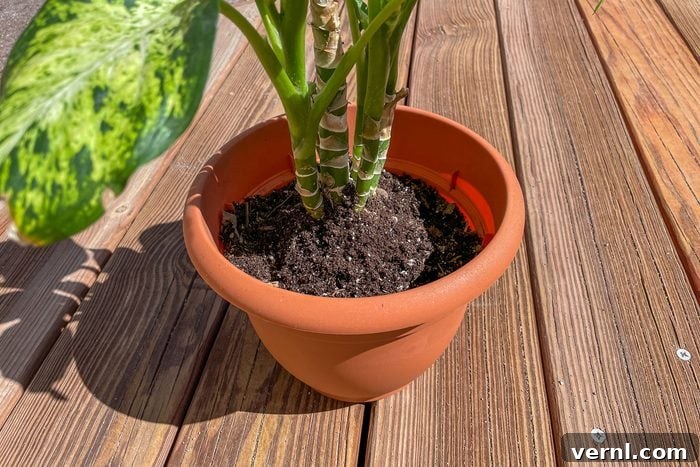
For minor infestations, simply replacing the top 1 to 2 inches of potting mix with fresh, gnat-free soil can significantly reduce the population, as this is where most larvae reside, says Steinkopf. For more severe cases, a complete repotting might be necessary, ensuring you gently remove as much of the old, infested soil from the roots as possible.
Hancock also advocates for experimenting with soilless growing mediums or implementing a physical barrier. “I’ve personally experienced great success by adding an inch or so of horticultural sand to the top of the potting mix,” he shares. “This sand layer dries out too quickly to sustain fungus gnat eggs or larvae, effectively breaking their lifecycle at the soil surface. Other options include LECA (lightweight expanded clay aggregate) or a thick layer of fine gravel.”
3. Utilize Sticky Traps for Adults
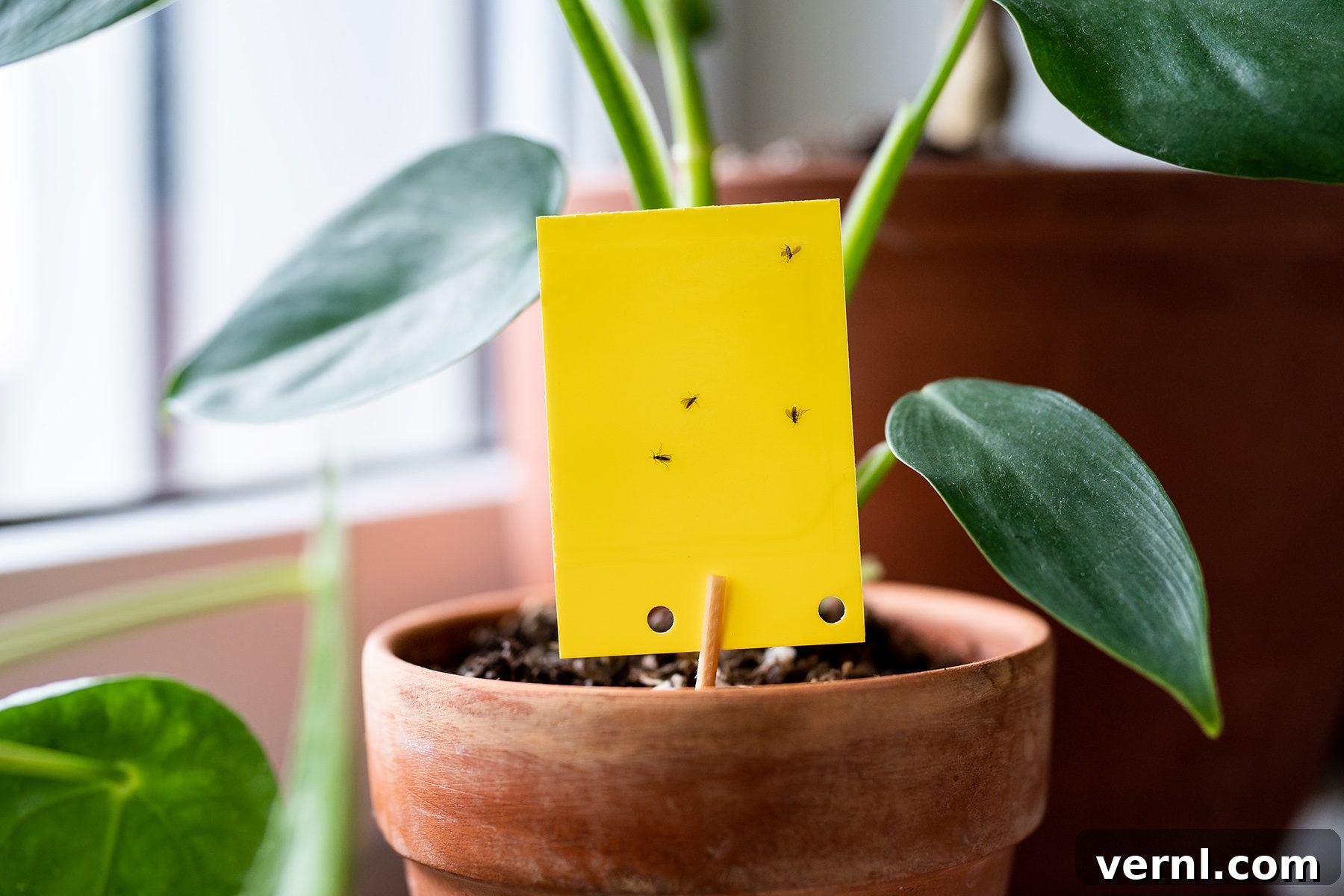
Yellow or blue sticky traps are highly effective tools for both monitoring and reducing adult gnat populations. These brightly colored cards, coated in a strong adhesive, attract gnats, which then become irreversibly stuck. Place these traps directly into the soil using small stakes, or hang them near infested plants. While they won’t eliminate larvae in the soil, they are excellent for controlling the breeding adults and provide a clear visual indicator of whether your infestation is increasing or decreasing.
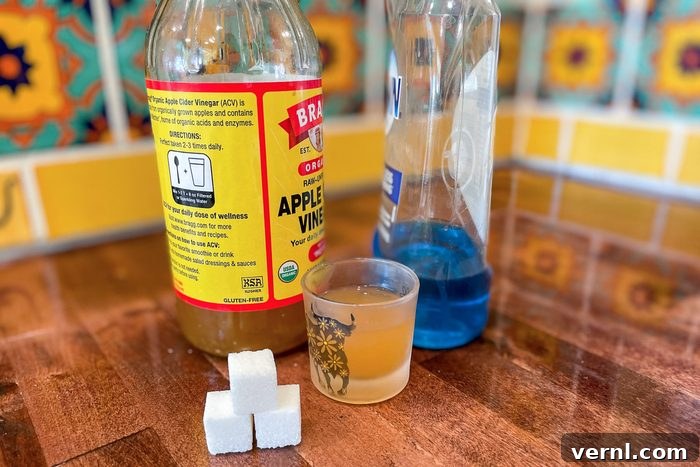
For a DIY approach, Hancock suggests creating a simple liquid trap: “Combine a mix of apple cider vinegar, a spoonful of sugar, and a few drops of dish soap in a shallow ramekin or small bowl. The apple cider vinegar attracts the gnats, and while some will fly into the mixture, the dish soap breaks the surface tension of the liquid, preventing them from escaping once they land on it.” Place these traps near your infested plants.
4. Apply Natural and Biological Insecticides
Several highly effective and environmentally friendly products can be integrated into your plant care routine to specifically target and control gnat larvae. Always read and strictly adhere to all warnings and directions provided on the product label for safe and effective use.
- Bacillus thuringiensis israelensis (Bti): Products containing the bacterium Bacillus thuringiensis israelensis, commonly found in mosquito control products like “Mosquito Bits” or “Gnatrol,” are incredibly effective. Bti specifically targets and kills gnat larvae when ingested, without harming plants, pets, or beneficial insects. Steinkopf highly recommends Mosquito Bits; you can either sprinkle them on the soil surface and water them in, or steep them in your watering can to create a Bti-infused solution.
- Beneficial Nematodes (Steinernema feltiae): These nearly microscopic, soil-dwelling organisms are natural predators of gnat larvae. Steinernema feltiae nematodes actively seek out and parasitize gnat larvae in the soil, offering a powerful biological control. They are safe for plants, pets, and humans and can be applied by mixing them with water and drenching the soil.
- Rove Beetles: Certain species of rove beetles are another natural predator that can be introduced to control gnat larvae. “However, for plant enthusiasts who are uncomfortable with the idea of any insects, even beneficial ones, living in their plants, this might not be the most appealing solution,” Hancock notes.
- Hydrogen Peroxide Solution: A diluted hydrogen peroxide solution (1 part 3% hydrogen peroxide to 4 parts water) can be used to drench the soil. It will kill larvae on contact by oxidizing them. While generally safe for plants, it’s advisable to test on a small area first and avoid frequent use as it can also impact beneficial soil microorganisms.
Frequently Asked Questions About Houseplant Gnats
Are fungus gnats harmful to my plants?
Generally, adult fungus gnats are harmless to plants. The primary concern comes from their larvae. While larvae predominantly feed on fungi and decaying organic matter in the soil, if the potting mix lacks sufficient nutrients or if the plant roots are already weak (e.g., seedlings or stressed plants), the larvae may start feeding on the delicate root hairs. A large number of larvae feeding on roots can eventually weaken a plant, causing stunted growth, yellowing leaves, or even death in severe cases, especially for young plants.
What’s the absolute easiest way to prevent or get rid of houseplant gnats?
The single most effective and easiest strategy for both prevention and eradication of houseplant gnats boils down to proper moisture management: keep your potting mix on the drier side. “Always water your plants thoroughly until water drains out, but then critically allow the top layer of the soil to dry down significantly before you water again,” advises Lisa Eldred Steinkopf. This simple adjustment eliminates the moist breeding ground that fungus gnats require to survive and reproduce, making your plants far less attractive to these pests.
Meet Our Expert Contributors
Justin Hancock is a distinguished horticulturist at Costa Farms, recognized globally as the world’s largest houseplant grower. With an impressive career spanning over 25 years in the horticulture industry, Justin brings a wealth of knowledge and practical experience, honed through his roles as a garden editor and a successful retail garden center operator.
Lisa Eldred Steinkopf is the visionary founder of The Houseplant Guru, a dedicated online platform committed to educating and empowering individuals in the art of houseplant care. Beyond her website, Lisa is a prolific writer, an engaging lecturer, and the acclaimed author of several essential plant care books, including Houseplants: The Complete Guide; Grow in The Dark; Creative Houseplant Projects; and Bloom. Her expertise is invaluable to plant enthusiasts everywhere.