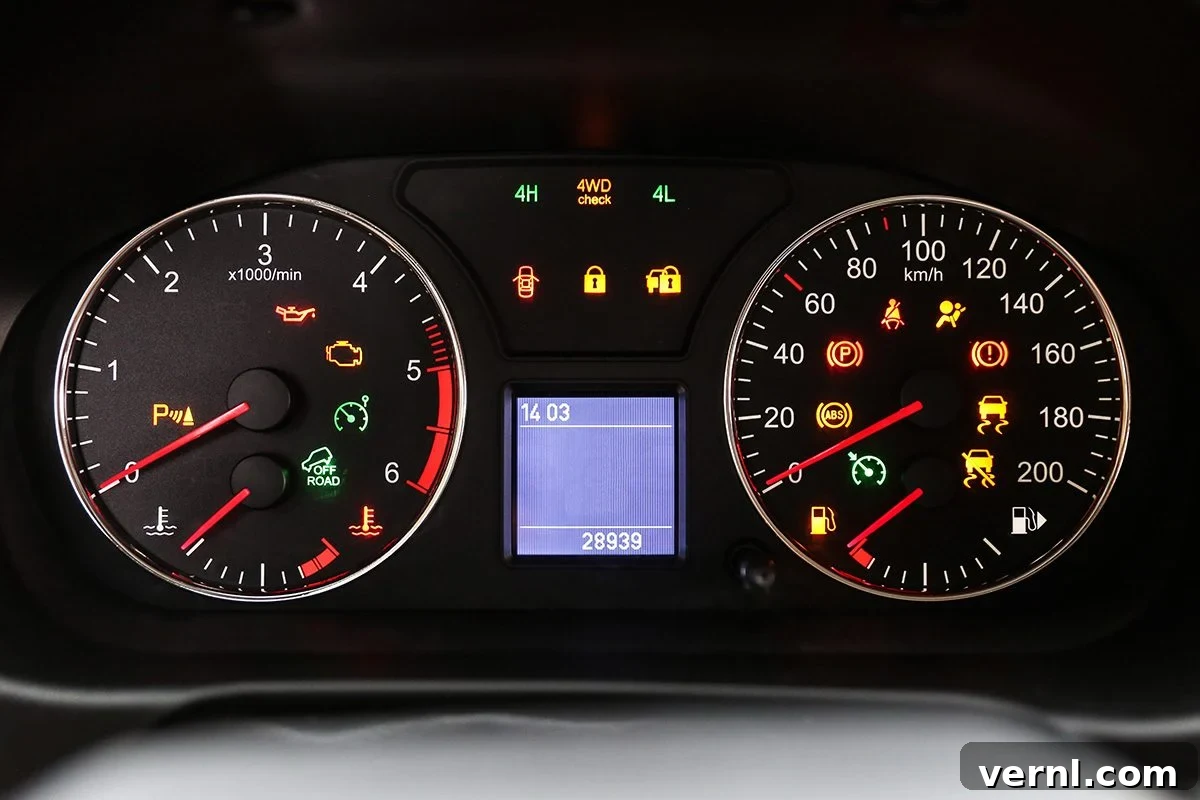
The Language of Safety: Decoding Modern Car Warning Systems and Advanced Driver-Assistance Systems (ADAS)
For most drivers, a familiar chime signals an unbuckled seatbelt – a clear and understandable safety prompt. But what if your vehicle starts beeping incessantly, or the steering wheel or seat vibrates? These are likely signals from your car’s advanced driver-assistance systems (ADAS), an array of sophisticated technologies designed to enhance safety, mitigate risks, and, in many cases, prevent accidents altogether. These systems communicate with drivers through various auditory, visual, and haptic (vibrational) warnings, effectively giving your car a “voice” to alert you to potential dangers.
“Almost every new car today comes equipped with some form of advanced driver-assistance systems, but a significant number of drivers still don’t fully understand what these alerts signify or how the underlying systems function,” explains Duane “Doc” Watson, a seasoned technical trainer at Bosch Mobility Aftermarket. “The efficacy of technology is directly tied to the driver’s ability to comprehend and appropriately respond when their vehicle communicates with them.”
From the subtle pings of a forgotten headlight to the urgent beeps of an imminent collision warning, understanding your car’s diverse range of safety messages is crucial for a safer driving experience. This comprehensive guide will help you decipher what your car’s various warnings are trying to convey.
Why Modern Cars Communicate Through Beeps and Chimes
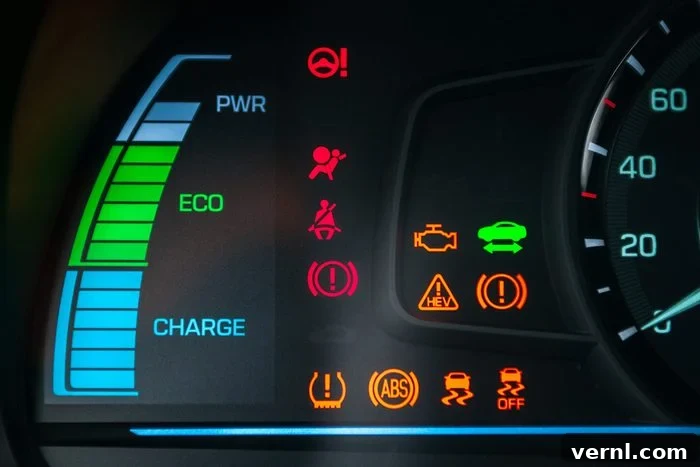
Car noises, encompassing everything from gentle chimes to urgent beeps, serve as critical attention-grabbing mechanisms designed to alert you to various operational or safety issues. These alerts are categorized based on their urgency and the type of situation they address. Understanding these distinctions is key to reacting appropriately and enhancing your safety on the road. Here’s a breakdown of what these signals often indicate:
- Fundamental Vehicle Status Alerts: These are the most basic and common car noises, signaling routine operational states or minor oversights. They can include chimes for an open door, headlights inadvertently left on after the ignition is off, keys remaining in the ignition, an unbuckled seatbelt, or audible confirmations when the vehicle is locked or unlocked. These are often accompanied by visual indicators on the dashboard.
- Parking Assistance Tones: As you maneuver into or out of a parking space, specific tones provide crucial feedback on your proximity to surrounding objects. These sensors emit a series of beeps that increase in frequency and intensity as your vehicle gets closer to an obstacle, helping you avoid minor bumps and scrapes.
- ADAS Warning Beeps – Accident Prevention: These are among the most critical auditory warnings, designed to alert you to an imminent danger of a crash. Examples include a persistent beep indicating that your vehicle is unintentionally drifting out of its lane without a turn signal, or a sharp, urgent tone signifying that you are too close to the vehicle in front of you, potentially necessitating immediate driver intervention. These warnings are often part of systems like Lane Departure Warning or Forward Collision Warning.
- Diagnostic Beeps Paired with Dashboard Lights: When an issue requires your attention, your car’s internal diagnostics system will often trigger a warning light on the dashboard, accompanied by an audible beep. These can range from warnings about low tire pressure (TPMS light), a weak or failing battery, or a more serious problem with your vehicle’s engine or emissions system (Check Engine Light). Ignoring these combined alerts can lead to costly repairs or safety hazards.
Are These Advanced Safety Measures Truly Necessary?
In an era of increasingly complex traffic conditions and distracted driving, the implementation of car noises and their associated ADAS are not just beneficial but have become indispensable safety measures. They play a vital role in preventing a multitude of problems, from the inconvenience of a dead battery to potentially catastrophic accidents.
“In my extensive experience, I’ve observed an astonishing number of crashes directly attributable to driver error – a primary concern that all these innovative safety systems are meticulously engineered to prevent,” states personal injury attorney Joshua Branch. He further notes a critical challenge: “Despite their life-saving potential, Consumer Reports highlights a significant issue where drivers frequently disregard these crucial warnings, undermining their effectiveness.”
Another common pitfall associated with ADAS is the risk of over-reliance, where drivers inadvertently reduce their defensive driving practices. “It is paramount to continue driving with full engagement – your hands on the wheel, eyes scanning the road, mirrors actively checked, and mind fully focused on the task of driving,” advises Chris “Moose” Pyle, a master-certified technician with over two decades of experience and an auto expert on JustAnswer. “Allow these advanced systems to assist you in specific scenarios, but never surrender your complete faith or responsibility to the features to take over entirely.” These systems are aids, not replacements for attentive driving.
Exploring Modern Driver Assistance Technology (ADAS)
Modern vehicles are equipped with an impressive suite of technologies designed to make driving safer and more convenient. These Advanced Driver-Assistance Systems (ADAS) leverage sensors, cameras, radar, and sophisticated software to monitor the driving environment and alert drivers to potential hazards or even intervene autonomously when necessary. Understanding each system’s function is key to harnessing its full safety potential.
Forward Collision Warning (FCW) and Automatic Emergency Braking (AEB)
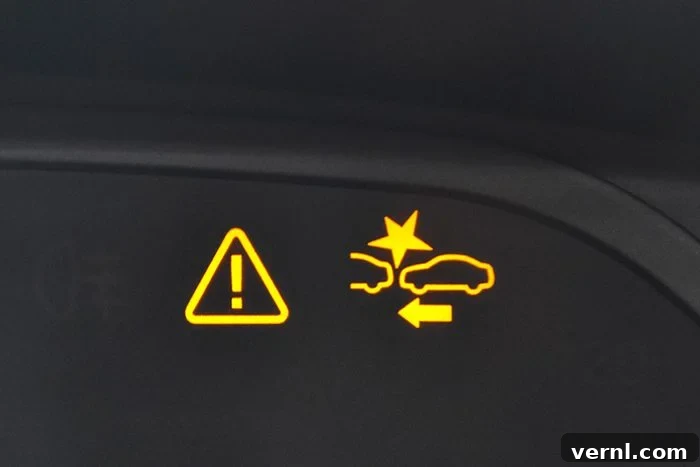
The Forward Collision Warning (FCW) system is a crucial line of defense against front-end collisions. Utilizing a combination of radar and cameras strategically mounted on the vehicle, FCW continuously monitors the road ahead. If it detects that you are approaching another vehicle too quickly, or if a sudden deceleration occurs in front of you, it typically issues a multi-sensory warning – often a bright visual alert on the dashboard or heads-up display, coupled with a distinct audible beep. This prompt is specifically designed to give the driver precious extra seconds to react and apply the brakes, making it particularly effective in preventing common rear-end accidents, especially in congested traffic or urban environments.
However, the system isn’t without its challenges. “The downside is that both the collision warning and associated braking systems can sometimes produce false alarms, particularly in dense traffic conditions or when navigating through construction zones with unusual obstacles,” notes Branch. “Such instances can lead to driver frustration, prompting some to deactivate these vital safety features.”
Often integrated with FCW is Automatic Emergency Braking (AEB). This takes safety a step further by automatically applying the vehicle’s brakes if the system determines a collision is imminent and the driver hasn’t reacted sufficiently. “While AEB can be startling for drivers unfamiliar with its operation, its ability to prevent or significantly mitigate the severity of accidents makes it an invaluable feature,” states Watson. It acts as a crucial backup, reducing the impact speed or even preventing a crash altogether when driver reaction time is insufficient.
Lane Departure Warning (LDW) and Lane Keep Assist (LKA)
Lane Departure Warning (LDW), often complemented by Lane Keep Assist (LKA), is a system designed to combat one of the most dangerous forms of accidents: those caused by unintentional lane drifting. This technology primarily employs forward-facing cameras to monitor the lane markings on the road. If the system detects that your vehicle is veering out of its designated lane without the activation of a turn signal, it immediately alerts you. These alerts commonly manifest as subtle vibrations in the steering wheel or seat, or via an audible beep, prompting you to correct your steering and re-center the vehicle. The core purpose of LDW is to help drivers maintain a centered position within their lane and, by extension, encourage the proper use of turn signals.
“The significant value of this system lies in its capacity to prevent single-vehicle accidents, such as running off the road, and head-on collisions that can occur when a vehicle drifts into oncoming traffic,” explains Branch. “Nevertheless, the system’s reliance on visible lane markings means its sensors can occasionally be confused or thrown off by poorly painted road stripes, faded lines, or inclement weather conditions. Moreover, like other warnings, the alerts can sometimes be ignored by inattentive drivers.” Lane Keep Assist (LKA) goes a step beyond LDW by actively, albeit gently, steering the vehicle back into its lane if it detects an unintentional drift, providing an additional layer of safety.
Rear Cross Traffic Warning (RCTW)
Navigating out of a tight parking spot or reversing from a driveway can often present significant blind spots, making Rear Cross Traffic Warning (RCTW) an exceptionally useful safety feature. This system utilizes radar sensors, typically located in the rear bumper, to detect vehicles or other moving objects approaching from either side as you are backing up. It provides crucial warnings – often an audible alert paired with a visual indicator on the infotainment screen or side mirrors – allowing you to react before entering the path of cross-traffic. “RCTW can be extraordinarily helpful, especially when reversing from a parking spot where parked cars obstruct your clear line of sight to oncoming traffic,” Watson points out.
In some advanced implementations, RCTW is paired with Rear Automatic Braking (RAB). If the driver fails to respond to the cross-traffic warning in time and a collision risk remains high, RAB will automatically apply the brakes to prevent or reduce the severity of an impact. This combination significantly reduces the risk of parking lot and driveway accidents.
Blind Spot Warning (BSW) / Blind Spot Monitoring (BSM)
Changing lanes safely requires vigilance, but even the most attentive drivers can miss vehicles lurking in their blind spots. Blind Spot Warning (BSW), also known as Blind Spot Monitoring (BSM), addresses this critical safety gap. This system employs radar sensors in the rear corners of the vehicle to detect other cars, trucks, or motorcycles that are in your blind spots or rapidly approaching them. When a vehicle is detected in a blind spot, your car typically provides a visual warning – often a small light illuminated on your side mirror or within the cabin. If you activate your turn signal to initiate a lane change while a vehicle is detected in your blind spot, the system will escalate the warning, usually with an audible alert or a flashing light, prompting you to check your surroundings again. “This technology is outstanding for preventing sideswipe accidents, which are common occurrences during lane changes,” remarks Branch. He adds a caveat: “However, one notable drawback is that the sensors can sometimes miss smaller objects like motorcycles and bicycles, necessitating continued driver awareness.”
Parking Sensors and Backup Cameras
Maneuvering in confined spaces is made significantly easier and safer with the combination of parking sensors and backup cameras. Parking sensors, usually embedded in the front and rear bumpers, emit ultrasonic waves. As your vehicle approaches an object, these sensors detect the obstruction and emit a beeping sound. The closer you get to the object, the more rapid and continuous the beeping becomes, providing real-time proximity feedback. This auditory cue is an invaluable aid in avoiding bumps, scrapes, and minor collisions when parking.
Parking sensors are almost universally paired with backup cameras, which have been a mandatory feature in all new vehicles sold in the United States since 2018. A wide-angle camera mounted on the rear of the vehicle projects a live video feed onto your infotainment screen whenever you shift into reverse. This visual aid dramatically expands your field of vision, allowing you to see objects, children, or pets that might be directly behind your vehicle and otherwise out of sight. “Camera monitoring has led to a dramatic reduction in the number of tragic back-over accidents, incidents where a driver inadvertently backs over a child or pet hidden from view behind the vehicle,” emphasizes Branch. Together, these systems transform challenging parking and reversing maneuvers into much safer and more confident experiences.
Are These Systems Making a Difference? What the Data Reveals
The collective impact of modern Advanced Driver-Assistance Systems (ADAS) on road safety is unequivocally positive, backed by robust data from leading safety organizations. According to comprehensive data analysis from the National Highway Traffic Safety Administration (NHTSA), these technologies are demonstrably saving lives and preventing injuries on a large scale. For instance, the widespread adoption and effectiveness of Automatic Emergency Braking (AEB) systems led to an approximate 50% reduction in rear-end crashes between 2021 and 2023, showcasing its profound impact on mitigating one of the most common accident types. Similarly, Blind-Spot Monitoring (BSM) has been credited with reducing lane-change crashes resulting in injuries by approximately 23%, highlighting its crucial role in preventing sideswipe collisions. Furthermore, the Institute for Highway Safety (IIHS) suggests that Lane Departure Warning (LDW) and Lane Keep Assist (LKA) systems could potentially address nearly a quarter of all fatal passenger-vehicle crashes, particularly those caused by unintended lane departures or running off the road.
“From my professional vantage point, I am anecdotally observing a decrease in the frequency of rear-end collisions and sideswipe accidents within my practice,” confirms Branch. “However, it’s also critical to acknowledge that I am increasingly encountering cases involving accidents that occur precisely because a driver either failed to heed their vehicle’s safety warnings or developed an excessive reliance on the car’s automated safety systems, leading to a lapse in their own driving vigilance.” This underscores the ongoing need for drivers to understand that ADAS are aids, not substitutes for attentive and responsible driving.
Frequently Asked Questions (FAQ) About ADAS
Can I Add These Advanced Systems to My Current Car?
The ability to retrofit ADAS features into an older vehicle varies significantly depending on the complexity of the system. Simpler additions are relatively achievable. For instance, installing an aftermarket backup camera system is a common and straightforward upgrade, often integrating with existing display screens or a dedicated monitor. Some advanced dashcams now offer basic Lane Departure Warning and Forward Collision Warning alerts by using their integrated cameras to monitor the road. Similarly, aftermarket kits for blind-spot monitoring and rear parking sensors are available. However, “these aftermarket solutions are generally not inexpensive, and their performance often falls short of the precision and seamless integration of original equipment manufacturer (OEM) systems,” cautions Pyle. He also notes the practical challenges: “Such installations typically involve extensive wiring work and may require drilling into your vehicle’s body to properly mount the sensors, which can be a complex and potentially invasive process.”
Conversely, more sophisticated ADAS features, such as Automatic Emergency Braking (AEB) and active Lane-Keeping Assist (LKA), are generally impossible to add to vehicles not originally equipped with them. As Watson explains, “These systems require deep integration with the car’s fundamental braking, steering, and engine control units, making aftermarket installation highly impractical, prohibitively expensive, and often unsafe due to the lack of necessary factory wiring and software protocols.” Their functionality relies on precise calibration with the vehicle’s core operating systems, which cannot be easily replicated post-manufacturing.
Do Driver Assistance Features Increase Vehicle Cost?
Yes, the inclusion of Advanced Driver-Assistance Systems (ADAS) inherently adds to the purchase price of a new vehicle. These technologies involve sophisticated sensors, cameras, radar units, and complex software, all of which contribute to higher manufacturing costs. However, these initial costs are frequently offset, and sometimes even recouped, over the vehicle’s lifetime through various benefits. One significant advantage is the potential for lower auto insurance premiums. Insurers often offer discounts for vehicles equipped with ADAS, recognizing their proven ability to reduce the likelihood and severity of accidents, thereby lowering claims risk.
It’s also important to consider the potential impact on repair costs. If a vehicle equipped with ADAS is involved in an accident, even a minor one, the repair costs can be higher. This is because sensors for features like forward collision warning or blind-spot monitoring are often integrated into components like windshields, bumpers, and grilles. Replacing these parts may require recalibrating the sensors, a specialized and often expensive procedure. Despite this, Watson offers a compelling perspective: “If just one of these features successfully prevents you from being involved in a serious accident, the long-term savings – both in terms of financial impact from avoiding a collision and, more importantly, the potential for preventing injuries or even saving lives – can unequivocally make the initial increased cost worthwhile in the end.” The investment in ADAS is ultimately an investment in enhanced safety and peace of mind.
About the Experts
- Duane “Doc” Watson is a highly respected technical trainer at Bosch Mobility Aftermarket. With an impressive career spanning over 45 years in automotive repair, he has trained thousands of technicians and garnered numerous prestigious industry awards for his contributions to automotive education and excellence.
- Joshua Branch is the esteemed founder and personal injury attorney at the Law Offices of Joshua W. Branch. His practice is deeply committed to road safety and specializes in cases related to car accidents, bringing extensive legal insight into the real-world impact of vehicle safety systems.
- Chris “Moose” Pyle is a master-certified technician boasting more than 20 years of hands-on automotive experience. He serves as a trusted auto expert on JustAnswer, a leading expert on-demand platform, where he shares his vast knowledge and provides solutions to a wide range of automotive queries.