
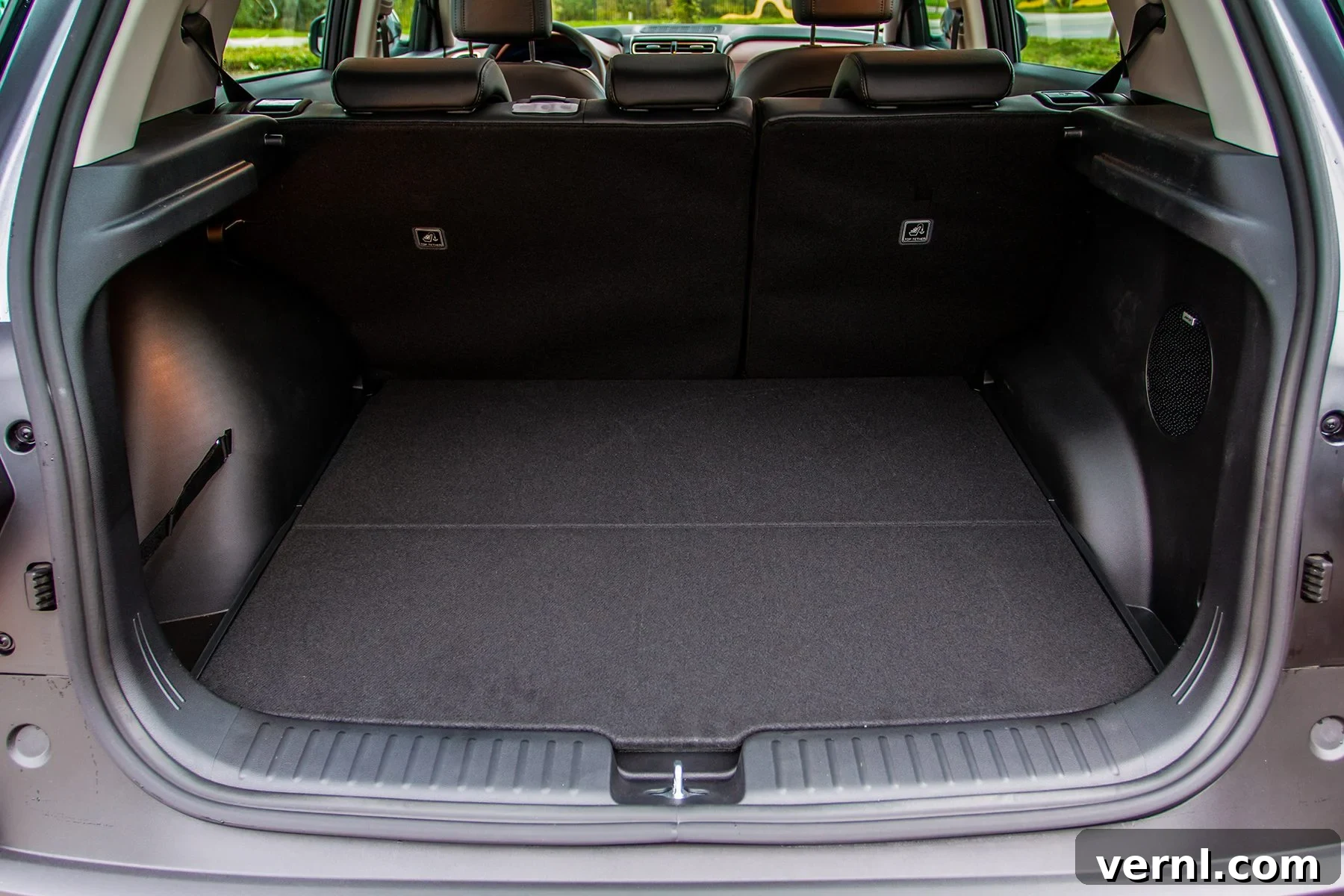
Maximize Your Car’s Trunk Space: The Ultimate Guide for Smart Storage
As the holiday season approaches, bringing with it the excitement of gift-giving and festive cheer, many of us face the perennial challenge of fitting all those wonderful presents into our cars. The dreaded “trunk space dilemma” often arises after just a few stops, turning a joyous shopping spree into a logistical headache. However, the need for efficient car cargo space isn’t limited to holidays; it’s a constant consideration for road trips, grocery runs, or even just daily errands. Fortunately, with a few strategic tips and clever hacks, you can transform your vehicle’s storage capacity, ensuring you get your shopping done, your luggage packed, and your everyday items organized with ease and in as few trips as possible.
Strategic Preparation: The First Step to a Spacious Trunk
Before you even leave your driveway, setting the stage for an organized trunk is paramount. This foundational step can save you considerable time, stress, and potential damage to your purchases or vehicle. Think of it as preparing a blank canvas for your loading masterpiece.
Clear Out Unnecessary Clutter
The first and most obvious step is to empty your trunk as much as possible. Over time, trunks tend to accumulate a variety of items: old sports equipment, forgotten groceries, extra cleaning supplies, or emergency kits that have been haphazardly tossed in. Remove anything that isn’t absolutely essential for your upcoming journey or shopping trip. Not only does this free up valuable real estate, but it also prevents items from shifting and potentially damaging your new purchases.
Pre-Plan Your Vehicle Configuration
Beyond simply emptying, consider how your vehicle itself can contribute to maximizing space. Depending on your car model – whether it’s a sedan, SUV, hatchback, or minivan – you might have different options:
- Folding Rear Seats: Familiarize yourself with the levers or buttons that allow your rear seats to fold down. In many vehicles, particularly SUVs and hatchbacks, these seats can fold completely flat, creating an expansive, contiguous cargo area. Even if they don’t lay entirely flat, the increased space can be incredibly useful.
- Removable Seats: Some minivan or older SUV models offer the option to completely remove certain rear seats, providing maximum flexibility for exceptionally large items. Consult your car’s manual to understand these features and how to safely utilize them.
- Cargo Covers and Dividers: If your car has a retractable cargo cover, decide if you need to remove it for taller items. Similarly, if you have cargo nets or dividers, consider whether they will aid or hinder your current loading plan.
A Quick Clean-Up
While not directly about space, a clean trunk contributes to an overall more efficient and pleasant loading experience. Vacuum out any crumbs or debris, and wipe down surfaces. A clean space often feels more organized and encourages more careful packing.
Mastering the Art of Loading: Your Trunk as a Tetris Game
Once your trunk is prepped, the next challenge is loading your items effectively. This is where strategic thinking, much like a game of Tetris, comes into play. The goal is to maximize every available inch while ensuring the safety and integrity of your cargo.
The Foundation: Heavy and Durable Items First
Always begin by loading the heaviest and most durable items first. These should go on the bottom of the trunk, ideally positioned as close to the rear seats as possible for stability and even weight distribution. This prevents them from crushing lighter, more fragile items placed on top or causing the vehicle to become unbalanced during transit.
Building Up: Biggest to Smallest
After the heavy items are in place, shift your focus to the largest items. These often dictate the overall layout of your trunk. Square and rectangular boxes are your best friends here; they fit together snugly, minimizing wasted space. Try to create a flat base or “floor” with these larger items, which will serve as a stable platform for subsequent layers.
Navigating Oddly Shaped Items
Oddly shaped gifts or purchases can be the most challenging. If they are small, they can often be tucked into gaps and crevices between larger, more regular-shaped boxes. For large, irregularly shaped items, you might need to load them early, finding a central position that allows you to build other items around them. Don’t be afraid to rotate items, try different angles, and get creative to make them fit.
Protecting Fragile Goods
Delicate items should always be loaded last and placed on top, cushioned by softer materials like blankets, towels, or even clothing. If possible, consider transporting extremely fragile items in the passenger cabin where they can be more securely buckled in or held.
Securing Your Cargo
Once everything is loaded, take a moment to ensure your cargo is secure. Use bungee cords, cargo nets, or even blankets to prevent items from shifting during braking or turns. Unsecured items can not only be damaged but also pose a significant safety hazard if they become projectiles in an accident. Distribute weight as evenly as possible to maintain vehicle balance and handling.
Leveraging Auxiliary Storage Options
Many modern cars are designed with an array of hidden and overt storage compartments that can significantly augment your main trunk space. Don’t overlook these valuable areas!
Interior Compartments
Your car’s interior offers several storage spots perfect for smaller, lighter, or frequently accessed items:
- Glove Box & Center Console: Ideal for documents, phone chargers, small electronics, and emergency cash.
- Door Pockets: Great for water bottles, maps, or quick-grab items.
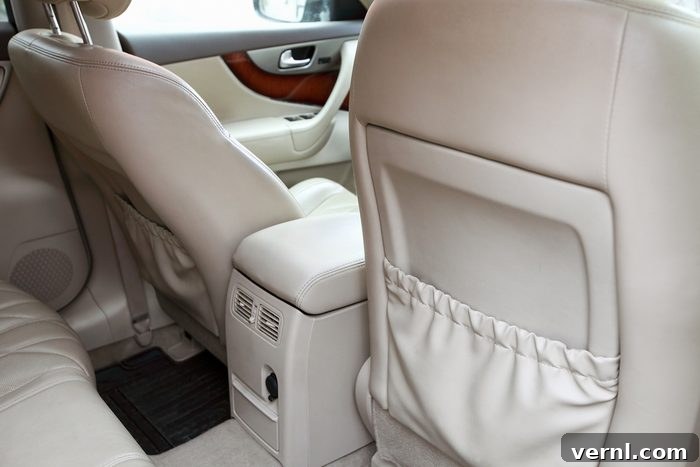
- Seat-Back Pockets: Perfect for magazines, tablets, or small books to keep passengers entertained.
- Under-Seat Storage: Some vehicles have shallow compartments under the seats, suitable for emergency kits or small tools.
By stashing smaller, irregularly shaped items in these spots, you free up critical rectangular space in your main cargo area for larger purchases.
External Storage Solutions: Roof Racks and Cargo Carriers
For truly extensive shopping trips or large-item transport, external storage solutions are invaluable. If your vehicle is equipped with a roof rack, you have several options:
- Roof Boxes (Hard-Shell Carriers): These offer secure, weatherproof storage and are excellent for luggage, sports equipment, or numerous smaller packages. They protect contents from the elements and theft.
- Roof Bags (Soft-Shell Carriers): More flexible and often foldable for storage, these are a good option for irregularly shaped items or soft goods. Ensure they are waterproof if rain is a possibility.
- Open Roof Racks: Ideal for oversized, sturdy items like furniture, lumber, or Christmas trees, provided they can be securely tied down. Always double-check weight limits and tie-down procedures.
Utilizing a roof rack allows you to reserve your trunk for the most delicate, valuable, or awkward items. If you plan to use a roof rack, try to load these items last to minimize navigating busy parking lots with an elevated load, which can affect vehicle height clearance and handling.
Expanding Your Cargo Zone: Utilizing Passenger Area
Sometimes, even with meticulous packing and auxiliary compartments, a single oversized item, like a new piece of furniture or a large holiday gift, simply won’t fit in the trunk alone. This is when your vehicle’s passenger cabin transforms into an extension of your cargo space.
Folding Down Rear Seats
As mentioned in preparation, folding down the rear seats is a game-changer for large items. Most modern cars feature 60/40 split-fold rear seats, allowing you to fold one side down while still accommodating a passenger on the other, or fold both for maximum length. Consult your owner’s manual for specific instructions on how to release and fold your seats safely.
- Sedans with Enclosed Trunks: In cars with fully enclosed trunks, you might need to access the seat release levers from inside the trunk, or sometimes there’s a keyhole mechanism behind the back seats to unlock them.
- SUVs and Hatchbacks: These often have easier-to-access levers or buttons, usually located on top of the seatbacks or in the cargo area, allowing them to fold forward, often creating a near-flat loading surface.
Once the seats are down, you gain a significant amount of linear and cubic footage. Continue to apply the “Tetris” loading rules: heaviest and largest items first, distributing weight, and securing everything to prevent movement. If only one rear seat is folded, ensure items don’t impede the remaining passenger’s space or safety.
Utilizing the Front Passenger Seat
If you’re driving solo, the front passenger seat can also become part of your cargo strategy for medium-sized, delicate, or easily accessible items. Ensure that you place items carefully and, if necessary, disable the passenger-side airbag for certain types of cargo or if the item obstructs the airbag sensor. Always secure items with the seatbelt to prevent them from sliding forward during braking.
Visibility and Safety
When loading items into the passenger area, always prioritize safety and visibility. Ensure that nothing obstructs your view out of the rear window, side mirrors, or front windshield. Loose items can become dangerous projectiles in an accident, so always use seatbelts, cargo nets, or even blankets to wedge and secure items.
Year-Round Trunk Organization: The Key to Effortless Efficiency
While holiday shopping may be an annual peak for trunk usage, maintaining a degree of organization year-round will pay dividends in convenience, safety, and readiness for any spontaneous adventure or unexpected need.
Curating Your Essential Car Kit
There are certain items that every car should carry for emergencies or general preparedness. Instead of letting them roll around your trunk, gather them into a dedicated, easily accessible box or bag. An essential car kit might include:
- Jumper cables
- First-aid kit
- Flashlight with extra batteries
- Basic tool kit (screwdriver, pliers, wrench)
- Tire repair kit or spare tire tools
- Reflective safety triangle or flares
- Warm blanket and non-perishable snacks/water
- Phone charger
By containing these items, they remain organized, readily available, and don’t consume unnecessary space or shift dangerously during driving.
Smart Storage for Regular Use Items
Think about items you regularly use or want to have on hand, such as reusable shopping bags, an umbrella, a small blanket, or even sports equipment. Instead of letting these scatter, consider dedicated storage solutions:
- Collapsible Trunk Organizers: These are fantastic for keeping groceries from rolling around, separating various items, or holding shopping bags. Many come with compartments and can be folded flat when not in use.
- Cargo Nets and Bins: Ideal for securing smaller items against the sides of the trunk or creating designated zones.
- Under-Floor Storage: Many SUVs and hatchbacks have hidden compartments under the trunk floor, often around the spare tire. These are perfect for items you don’t need daily but want to keep out of sight.
The Benefits of Consistent Organization
A well-organized trunk is not just for special occasions. It means quicker loading and unloading for groceries, easier packing for weekend getaways, and instant readiness for unexpected situations. It also contributes to a safer driving experience by preventing loose items from becoming distractions or hazards.
Conclusion: A Well-Managed Trunk for a Smoother Ride
Maximizing your car’s trunk space is more than just a seasonal chore; it’s a skill that enhances your daily life, improves efficiency, and reduces stress. By proactively preparing your vehicle, employing smart loading techniques, utilizing every available storage nook, and maintaining year-round organization, you can transform your car’s cargo area from a chaotic void into a perfectly functional and versatile space. Whether you’re navigating the holiday rush, embarking on a cross-country adventure, or simply running errands, a well-managed trunk ensures a smoother, safer, and more enjoyable journey every time.