
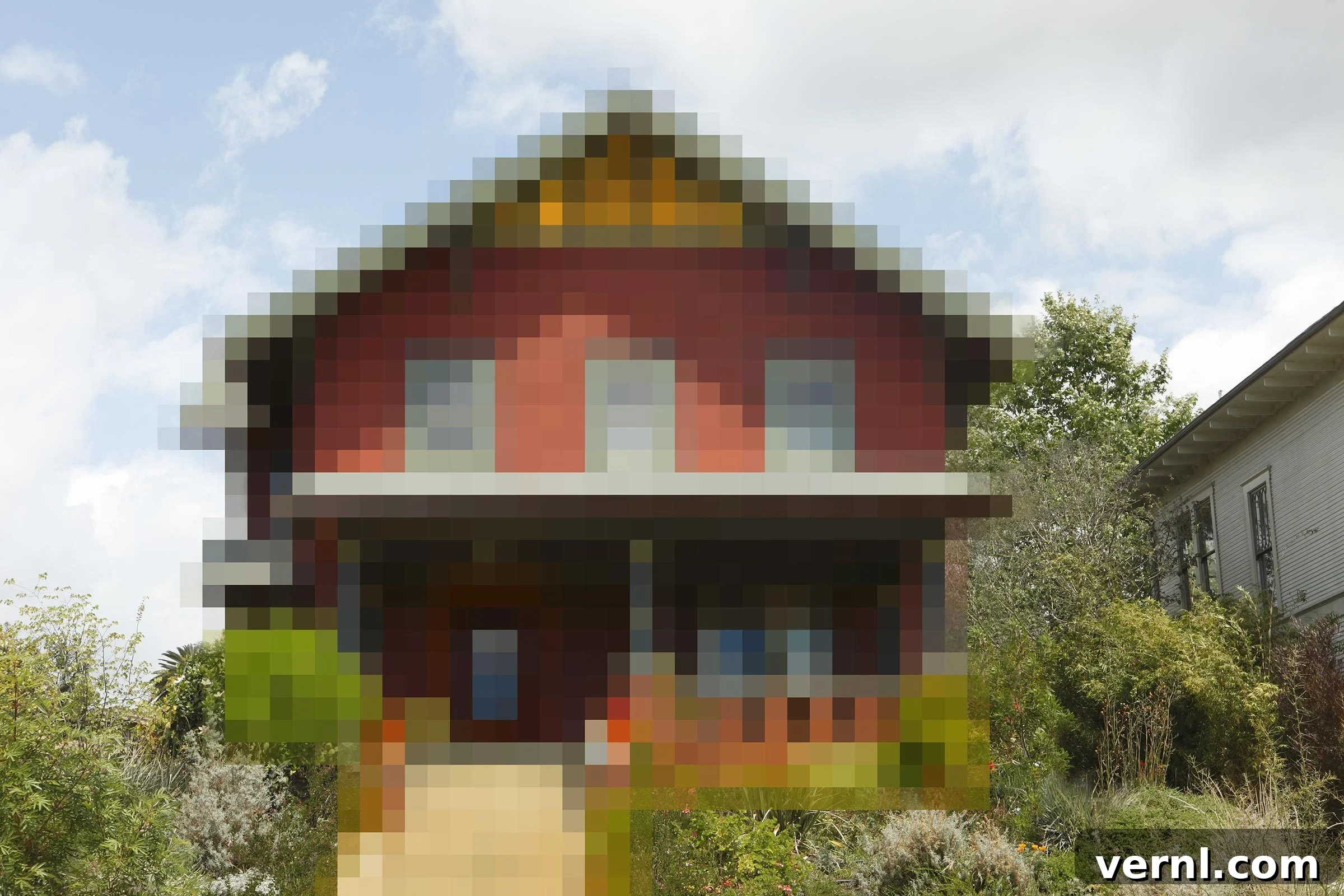
In an increasingly digital world, the lines between public and private have become increasingly blurred, often quite literally. Have you ever typed your home address into Google Maps, only to be confronted with an up-close, high-definition photograph of your residence available for anyone to see? This experience can evoke a peculiar sense of unease, a feeling of exposure that many find unsettling. You are certainly not alone if the idea of your house being so readily accessible on Google Maps makes you uncomfortable. Beyond just a feeling, there are legitimate home security and personal safety concerns linked to having detailed images of your property displayed on such a widely used platform.
Fortunately, modern digital tools offer solutions to modern digital problems. By taking the simple yet effective step of requesting to blur out your house on Google Maps, you can significantly enhance your family’s privacy and reclaim a greater sense of security over your personal space. This guide will walk you through the compelling reasons why this action is crucial and provide a clear, step-by-step process to achieve it.
Why Blur Your House on Google Maps? Understanding the Imperative for Privacy and Security
The decision to blur your home on Google Maps extends far beyond a mere preference; it’s a proactive measure for safeguarding your privacy and bolstering your physical security in an age where digital information can have real-world consequences. Let’s delve deeper into the multifaceted reasons why this action is increasingly becoming a wise choice for homeowners everywhere.
Reclaiming Digital Privacy in a Hyper-Connected World
At its core, blurring your house on Google Maps is about asserting your right to digital privacy. While your home may be visible from a public street, the instantaneous, persistent, and globally accessible nature of Google Street View fundamentally changes the dynamic. It allows anyone, anywhere, to conduct a detailed reconnaissance of your property without ever needing to physically be present. This level of digital surveillance can feel invasive, eroding the sanctity of your private residence. By blurring the image, you remove this readily available visual data, placing a much-needed boundary between your personal living space and the vast public internet.
Enhancing Home Security and Deterring Potential Threats
One of the most compelling reasons to blur your home is to mitigate security risks. Unfortunately, tools like Google Maps can be exploited by individuals with malicious intent. Burglars or stalkers can meticulously ‘scout’ your home online, identifying potential entry points, blind spots for surveillance cameras, valuable items visible through windows, or even the layout of your property for escape routes. Detailed images reveal fence heights, gate types, accessibility to backyards, and whether there are overgrown bushes providing cover. By obscuring these visual details, you make your home a less appealing and more challenging target for criminals seeking easy opportunities, significantly reducing the information they can gather to plot an intrusion.
Protecting Your Family and Loved Ones
For families, especially those with children, the stakes of online privacy are even higher. A clear image of your home can, inadvertently, reveal information about its occupants. For instance, children’s toys in the yard, visible swing sets, or even the specific model of a family car can provide clues about the demographics of the household. This information, when combined with other publicly available data, could potentially make your home a target for individuals seeking to exploit vulnerabilities. Protecting your home’s image is a vital component of creating a secure environment for your children, ensuring that criminals cannot use visual cues from Google Maps to plan activities that might coincide with your children being home alone or during specific routines.
Safeguarding Valuables and Personal Assets
If your home contains a significant collection of valuables, antiques, or high-end electronics, displaying its exterior prominently on Google Maps could inadvertently make you a target. While the images won’t show the interior, a detailed exterior view can give clues about the overall affluence of the property, potentially attracting unwanted attention from those looking to identify homes with high-value contents. Removing or blurring this visual representation adds another layer of security, making it harder for opportunistic thieves to pre-screen potential targets.
Preventing Unwanted Solicitation and Attention
Beyond criminal intent, a publicly visible home image can also contribute to unwanted solicitation. Activists, salespeople, or even disgruntled individuals could use the precise visual information to locate and approach your property. While not as severe as security threats, the constant stream of uninvited visitors or specific targeting based on your home’s appearance can be a persistent nuisance. Blurring your home helps to anonymize your property to some extent, reducing its appeal as an easily identifiable target for door-to-door activities.
The Permanence of the Digital Footprint
It’s important to remember that once an image is captured and uploaded to a platform like Google Maps, it can persist for a long time. Even if you move, the old image of your previous home remains, potentially affecting new residents or preserving information you no longer wish to be public. Taking action to blur your home ensures that your digital footprint regarding your residence aligns with your current privacy preferences, regardless of who resides there in the future.
Personal Preference and Peace of Mind
Ultimately, for many, the decision to blur their house on Google Maps comes down to a fundamental desire for peace of mind. The knowledge that a detailed image of your private sanctuary is not freely available to billions of internet users provides a significant sense of relief and control. Regardless of who or what you’re trying to protect, removing the clear image of your home from Google Maps is a solid idea for privacy purposes and can provide a greater sense of security and personal autonomy.
Understanding Google Street View’s Functionality and Privacy Controls
Google Street View is an incredible tool that allows users to explore places around the world through 360-degree panoramic street-level imagery. It’s invaluable for navigation, planning trips, and exploring remote locations. However, its comprehensive nature also means it captures images of private property. Google is aware of the privacy concerns and has implemented mechanisms for individuals to request the blurring of sensitive imagery. This feature highlights Google’s attempt to balance the utility of Street View with the privacy rights of individuals. Knowing that you have control over how your property is depicted is the first step towards taking action.
How to Blur Your House on Google Maps: A Step-by-Step Guide to Digital Privacy
Now that you understand the compelling reasons behind blurring your house on Google Maps, let’s turn our attention to the practical steps involved in making this happen. The process is straightforward and designed to be user-friendly, ensuring that you can protect your privacy without undue hassle.
- Access Google Maps on Your Desktop or Laptop Computer: This is a crucial first step. While Google Maps is widely used on smartphones, the process for requesting image blurring is optimized for desktop browsers. Attempting this on a mobile device or tablet can be cumbersome and may not grant access to all the necessary features. For the most reliable and efficient experience, use a laptop or desktop computer.
- Search for Your Home Address: Open your web browser and navigate to Google Maps. In the search bar, accurately type in your full home address, including street number, street name, city, state, and zip code. Press Enter or click the search icon. Google Maps will then display your property, usually with a pin marking its location.
- Enter Street View Mode: Once your address is displayed, you’ll likely see a small thumbnail image of your house or street in the bottom-left corner of the screen. Click on this image to activate Google Street View. Alternatively, you can drag the small “Pegman” icon (a yellow stick figure located in the bottom-right corner) onto your street. This will transport you into an immersive street-level view of your property and its surroundings. Use your mouse to navigate and ensure your house is clearly visible in the main viewing window.
- Initiate the “Report a Problem” Process: With your house prominently displayed in Street View, look towards the bottom-right corner of the screen. Here, you will find a small, discreet link labeled “Report a Problem.” Click on this link. This action opens a new interface designed for users to flag problematic or sensitive imagery.
- Define the Area to Be Blurred: After clicking “Report a Problem,” you’ll be presented with a tool to select the specific area you wish to blur. A red and black box will appear on your screen, which you can drag and resize to precisely cover your home. It’s imperative to ensure that anything you want to be blurred—your entire house, detached garages, sheds, even prominent features like mailboxes or car registration plates—fits entirely within this selection box. You can utilize the zoom in and zoom out buttons on the side of the screen to achieve greater precision, making sure no part of your property you wish to hide remains visible. Take your time to get this right, as this is the most critical part of visually defining your request.
- Specify Your Blurring Request and Provide Details: Below the image selection tool, you’ll find a section asking you to specify the type of blurring you’re requesting. Common options include “My home,” “My car,” “My face,” or “Other.” Select “My home” from the available choices. Google will then prompt you to provide a brief explanation or more detail regarding why you want your property blurred. Be as specific and clear as possible in your reasoning. You can mention privacy concerns, security worries, or simply a desire not to have your private residence publicly displayed. Remember, once Google blurs an image of your property based on your request, it is considered a permanent action and cannot typically be reversed.
- Enter Your Email Address and Complete the Captcha: To finalize your request, you’ll need to provide a valid email address where Google can send you updates regarding your submission. After entering your email, complete the reCAPTCHA challenge to prove you are not a robot. Then, review all the information one last time to ensure accuracy and click the “Submit” button. Your request will then be sent to Google for review.
Following your submission, you should receive an automated email from Google confirming receipt of your request. This email will also state that Google will review your submission and keep you informed of its status—whether it has been accepted, denied, or if further information is required. It’s advisable to check your inbox periodically, including your spam folder, to ensure you don’t miss any communication from Google. The review process can take anywhere from a few days to a few weeks, depending on the volume of requests Google is processing.
What to Expect After Submitting Your Blurring Request
Once your request is in, Google’s team will manually review the submitted information and the flagged image. This human review ensures that requests are legitimate and that the blurring is applied correctly. If approved, the image of your home in Google Street View will be permanently blurred, making it indistinguishable to viewers. If your request is denied, Google will usually provide a reason, and you may have the option to resubmit with more specific details or a clearer explanation. The permanence of this action means that future Street View updates will also typically respect the blurring, ensuring long-term privacy for your property.
Beyond Google Maps: Comprehensive Digital Privacy for Your Home
While blurring your house on Google Maps is a significant step, digital privacy and home security are multi-faceted. Consider reviewing other online platforms where images of your home might appear, such as real estate listing archives (Zillow, Redfin, etc., often retain old photos), local government property records, or even other mapping services. While Google is the most prominent, being aware of your digital footprint across various platforms is crucial for comprehensive privacy management.
Additionally, educate yourself and your family about general online privacy practices, such as being cautious about sharing location data on social media or ensuring metadata is stripped from photos before uploading them publicly. Digital privacy is an ongoing effort that requires vigilance and proactive steps.
Conclusion: Reclaiming Your Digital Privacy and Enhancing Home Security
Taking control of your home’s digital presence on platforms like Google Maps is an empowering step towards ensuring personal and family privacy. In an era where information is power, managing what external parties can see of your private residence online is more important than ever. By following the simple steps outlined above, you can significantly reduce the risk of unwanted attention, deter potential threats, and gain invaluable peace of mind.
Once you receive confirmation that your request has been approved and your home is blurred, you’ll undoubtedly feel more secure knowing that a crucial layer of privacy has been added to your residence. This digital safeguard, combined with tangible physical security measures, creates a robust defense for your home and loved ones. For an extra layer of peace of mind, consider complementing your digital privacy efforts by setting up a DIY home alarm system to respond effectively to immediate physical threats, creating a truly secure environment for your family.