
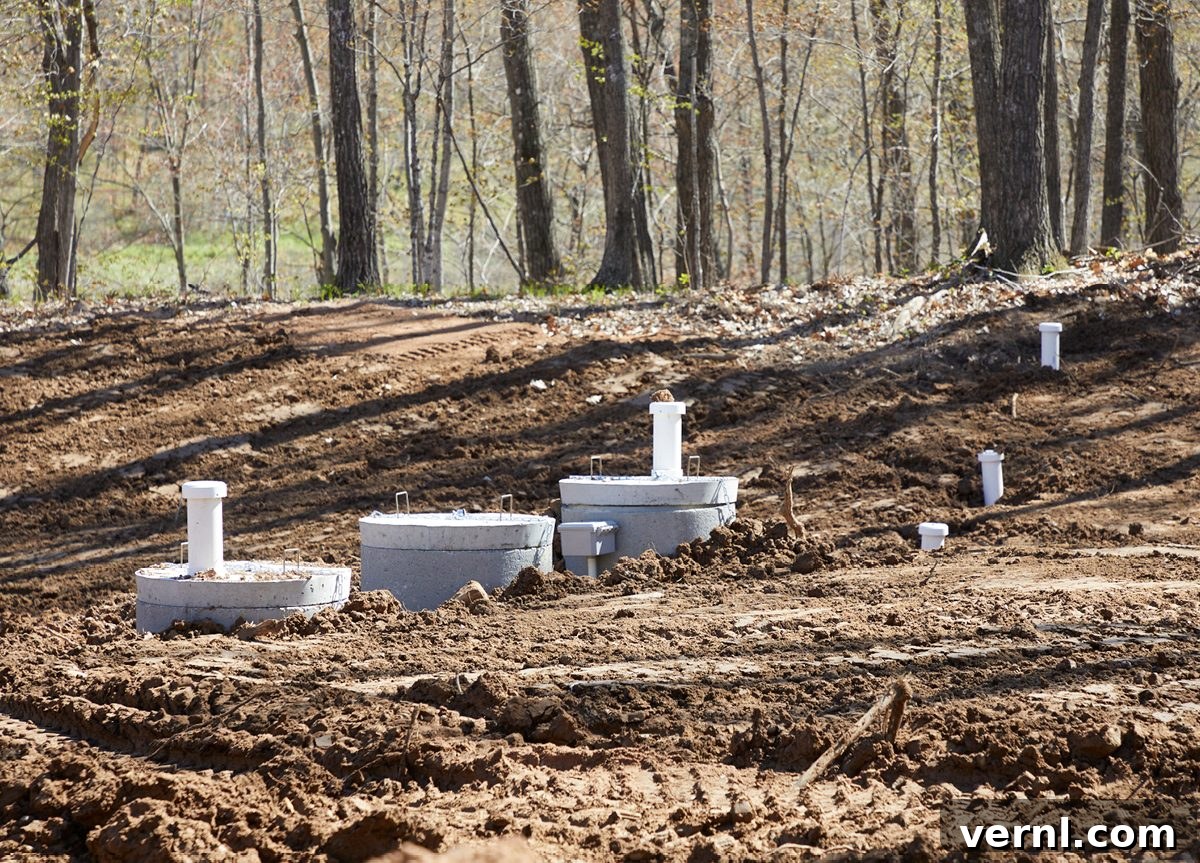
Just like the intricate network of pipes within your home, your septic system is highly susceptible to freezing temperatures. Ignoring this vulnerability can lead to severe and expensive damage, costly repairs, and significant inconvenience caused by cold weather. Understanding the risks and implementing proactive preventative measures are crucial for maintaining a healthy and functional septic system throughout the winter months.

Understanding the Threat: Why Your Septic System Can Freeze
A septic system is designed to treat household wastewater through a combination of physical and biological processes. It typically comprises a septic tank, where solids settle and anaerobic bacteria begin to break down organic matter, and a drain field (also known as a leach field or absorption field), where the pre-treated liquid effluent is dispersed into the soil for further natural filtration. The entire system relies on the continuous flow of water and the activity of microorganisms.
When outdoor temperatures drop significantly below freezing for an extended period, the water inside the septic system’s components—including the inlet and outlet pipes, the tank itself, the effluent filter, and the drain field lines—can turn to ice. As water freezes, it expands with immense force. This expansion can cause severe structural damage: pipes can crack or burst, tank walls can suffer stress fractures, and delicate filters can be destroyed. A frozen septic system not only halts the proper functioning of your wastewater treatment but can also lead to raw sewage backing up into your home, creating an unsanitary, hazardous, and incredibly expensive situation to rectify.
The ground itself provides a degree of insulation for buried septic components. However, this natural protection can be insufficient in regions experiencing prolonged periods of extreme cold, especially if there’s no insulating layer of snow. Shallowly buried pipes, areas prone to high water tables, and septic systems in properties that are infrequently used during winter are particularly vulnerable to freezing. Recognizing these risks is the first step toward effective prevention.
Expert Strategies: Safeguarding Your Septic System from Freezing
To help homeowners navigate the challenges of cold weather and protect their vital septic infrastructure, we sought guidance from an authority in the field. Sara Heger, an esteemed instructor and researcher in the Onsite Sewage Treatment Program at the University of Minnesota, has provided comprehensive and practical advice. Her expert suggestions emphasize proactive measures, ensuring your septic system remains operational, damage-free, and efficient throughout the coldest months of the year.
1. Maintain Consistent Household Water Use
One of the most straightforward yet highly effective methods to prevent your septic system from freezing is to maintain regular and consistent household water usage. The steady flow of warm water from your showers, laundry, and dishwashing appliances introduces heat into the system, helping to keep the internal temperatures of the pipes and tank above freezing. A septic system that is rarely used, particularly without hot water entering it, cools down rapidly, making its contents highly susceptible to ice formation. When ice forms, it can damage crucial elements such as the inlet and outlet pipes that connect to the tank, the tank structure itself, the effluent filter and its housing, and even the distribution lines within the drain field. Such damage invariably leads to costly repairs and the highly undesirable outcome of sewage backing up into your living spaces. Regular engagement of your washing machine, dishwasher, and daily showering or bathing routines will ensure a consistent flow of warm water, thereby actively contributing to the thermal stability of your septic system.
2. Utilize Snow Cover as Natural Insulation
Nature often provides its own solutions to environmental challenges. A generous blanket of snow acts as an excellent, natural insulator for your septic system. Snow is composed of tiny ice crystals and trapped air, creating a porous structure that significantly slows down heat transfer from the ground to the cold air above. This insulating layer helps to trap the inherent warmth of the earth, preventing frost from penetrating deeply into the soil and reaching your buried septic components. Therefore, it is critically important to resist the urge to shovel snow off the area directly above your septic tank and drain field. In fact, if you have accumulated snow, consider leaving it undisturbed. This natural barrier can provide substantial protection against freezing, often reducing or eliminating the need for artificial insulation measures.
3. Implement Supplemental Insulation in the Absence of Snow
While natural snow cover is ideal, it’s not always guaranteed, especially during unseasonably warm periods followed by sudden cold snaps, or in regions where snowfall is sporadic or light. In such scenarios, when freezing temperatures are anticipated and there isn’t sufficient natural snow cover, it becomes crucial to provide supplemental insulation. Materials like straw bales are highly effective due to their excellent insulating properties and cost-efficiency. Laying down a thick, continuous layer of straw—ideally 12 to 18 inches deep—over the entire area of your septic tank and drain field creates a vital thermal barrier. Alternatively, purpose-made insulating blankets, designed specifically for outdoor use and cold weather protection, can be purchased and laid directly over the vulnerable parts of your system. Ensure that you cover the full footprint of the septic tank, including any risers or access ports, and extend the insulation over the distribution box and the entirety of the drain field lines to maximize protection.
4. Foster Natural Ground Cover
As the growing season draws to a close, typically a few weeks before the first hard freeze, it is advisable to stop mowing the grass or trimming other vegetation directly over your septic system. Allowing the grass and other plants to grow a bit longer provides an additional, natural layer of insulation above the soil. This slightly taller vegetation helps to trap warmer air close to the ground, reducing the rate at which heat escapes from the soil and preventing frost from reaching the shallower components of your septic system. This simple, cost-free measure contributes significantly to the overall cold weather protection of your system, enhancing the natural insulation provided by the earth itself.
5. Avoid the “Trickle” Method for Septic Systems
A common misconception, often born from advice regarding household plumbing, is that leaving a faucet to trickle water can help prevent a septic system from freezing. This method, sometimes employed to prevent household pipes from freezing, is not only ineffective for septic systems but can actually be detrimental. A continuous, slow drip of cold water introduces a small, constant stream of cold water into your septic tank and connecting pipes. This sustained influx of cold water can paradoxically accelerate the formation of an ice clog, particularly in the inlet pipe where temperatures are most prone to dropping. Unlike a rapid flow of warm water that carries thermal energy, a cold trickle simply adds to the volume of water susceptible to freezing, exacerbating the problem rather than preventing it. For septic systems, a trickle of cold water is far less effective than a steady flow of warm water and should be avoided.
6. Maintain Indoor Heating for Vacant Homes
For homeowners with properties that will be unoccupied or infrequently used during the harsh winter months, maintaining a minimum indoor temperature is a crucial preventative measure for the septic system. Keeping the internal temperature of the house consistently heated to approximately 56°F to 58°F (around 13°C to 14°C) is an effective strategy for freeze prevention. This residual heat radiates through the foundation and into the surrounding soil, especially impacting the ground directly above the septic tank and the pipes leading from the house to the tank. By keeping the immediate soil around the initial components of the system warmer, you significantly reduce the risk of freezing in the most vulnerable areas. This approach helps to ensure that any remaining water in the lines and tank stays above freezing, preventing costly damage.
7. Consider Pumping for Infrequently Used or Winterized Homes
For homes that will be rarely used throughout the winter, or if you plan to fully drain your domestic water lines and winterize your home comprehensively, a different preventative strategy is highly recommended. In such scenarios, it is advisable to have your septic tank pumped out by a qualified professional before freezing temperatures become a consistent reality. A nearly empty septic tank contains significantly less liquid that can freeze and expand, thereby minimizing the risk of damage from ice formation. This approach effectively removes the primary medium (wastewater) that can cause freezing problems when the system is not in active use, providing peace of mind for an unoccupied property. Ensure pumping is done well before the ground freezes solid to allow proper access and procedure.
8. Ensure Adequate Burial Depth for Your Septic Tank
The depth at which your septic tank is buried plays a critical role in its inherent protection against freezing temperatures. The deeper the tank is situated underground, the more insulated it becomes by the surrounding earth, which benefits from the geothermal warmth of the earth’s core. For traditional concrete septic tanks, the maximum recommended depth to the top of the tank is typically around eight feet. This substantial burial depth leverages the natural thermal mass of the soil to maintain a more consistent, warmer temperature within the tank. However, modern plastic septic tanks have different structural limitations and generally cannot be buried as deeply as concrete tanks, usually with a maximum burial depth of only 24 inches to the top. While deep burial offers superior freeze protection, it’s important to acknowledge that it can also complicate routine maintenance and inspections, as it becomes harder to access and visually inspect the corners and bottom of the tank where sludge can accumulate. Therefore, during installation, a balance between optimal freeze protection and practical accessibility should be carefully considered and discussed with your installer.
Beyond Installation: Addressing Settling and Proper Backfill
After a septic tank is initially installed, the disturbed soil around it will naturally “settle” over time, a process that can continue for up to a year or even longer. To effectively counteract this settling and prevent water from pooling directly over the system, the area above the tank and drain field should be meticulously “crowned.” Crowning involves mounding the soil slightly higher directly over the septic system components and gently sloping it downwards away from the edges. This grading is critically important because any water that pools around the tank and drain field can seep into the system, potentially overwhelming it, or, more critically during winter, freeze solid. Frozen standing water can exert immense pressure on pipes and tank walls, hindering proper drainage and leading to structural damage. Proper crowning ensures that rainwater and melted snow are efficiently directed away from your vital septic infrastructure, safeguarding it from both saturation and freezing.
Should you find it necessary to add more fill material to the area due to settling, extreme caution must be exercised regarding the type of material chosen. Specifically, it is imperative to avoid using pea gravel around manhole covers, inspection ports, or other access points. While pea gravel might appear to offer good drainage, its porous nature does not effectively redirect water flow away from your system’s vulnerable parts. Instead, it allows water to readily penetrate and flow directly towards the tank and its connections. In freezing conditions, this trapped water within the gravel can freeze and expand, potentially lifting manhole covers, creating gaps, and compromising the seal. This then provides a direct pathway for groundwater and melted snow to flow into the septic tank. This influx of clean water unnecessarily overloads the system, dilutes the essential bacterial populations required for waste breakdown, and significantly shortens the overall operational life and efficiency of your septic system.

Recognizing the Signs: Is Your Septic System Freezing?
Early detection of a freezing or frozen septic system can prevent minor issues from escalating into catastrophic failures. Homeowners should be vigilant and look out for these common warning signs:
- Slow Drains or Backups: This is often the most immediate and noticeable indicator. If toilets are flushing sluggishly, or if sinks and showers are draining much slower than usual, or if sewage is backing up into any of your plumbing fixtures, it strongly suggests a blockage. This blockage could be caused by ice forming in the main line from your house to the septic tank, within the tank itself, or in the drain field distribution lines.
- Gurgling Sounds: Unusual gurgling noises emanating from drains or toilets, particularly after flushing or draining water, can signify air pockets or partial blockages within the plumbing or septic system. These air traps can be a direct result of ice formation impeding the normal flow of wastewater.
- Foul Odors: The distinct smell of sewage, noticed either inside your home (especially from drains) or outdoors around the septic tank or drain field area, is a serious warning sign. It indicates that wastewater is not flowing or being treated correctly, likely due to a freeze-up preventing proper waste movement and aeration.
- Soggy Ground or Pooling Water: While often associated with a failing drain field, unexpected soggy areas or visible pooling of water above your septic system components during freezing temperatures can also indicate a severe blockage due to ice. The effluent cannot disperse properly and is forced to the surface.
- Frost Heave or Ground Movement: A more subtle but equally serious sign is visible lifting or shifting of the ground directly over the septic system components. This “frost heave” occurs due to the expansion of ice within the soil or around the tank and pipes, indicating extensive freezing below the surface.
Immediate Steps: What To Do If Your Septic System Freezes
If you suspect your septic system has frozen, it is crucial to act quickly but cautiously. Attempting to thaw it with improper methods can inflict more damage than the freeze itself. Here’s a general guide on how to proceed:
- Immediately Reduce Water Use: This is the most critical first step. Stop all activities that discharge water, including flushing toilets, running washing machines, taking showers, and using dishwashers. This prevents further wastewater from entering the already compromised system and reduces the risk of sewage backing up into your home.
- Do NOT Introduce Antifreeze or Harsh Chemicals: Never pour antifreeze, chemical drain cleaners, rock salt, or any other chemicals down your drains or directly into your septic tank. These substances can severely harm the beneficial bacteria essential for the septic system’s biological treatment process and can contaminate the surrounding groundwater, leading to environmental damage.
- Do NOT Apply Direct Heat: Avoid using open flames, blowtorches, heating elements, or other high-heat sources directly on pipes or the septic tank. Applying intense, localized heat can cause pipes to crack, burst, or even explode due to rapid expansion, leading to much more extensive and dangerous damage.
- Contact a Qualified Septic Professional: The safest and most effective course of action is to immediately call a licensed and experienced septic system professional. They possess specialized equipment, such as steam jennys (hot water jetters), which can safely and efficiently thaw frozen lines and tanks without causing damage. A professional can also accurately assess the extent of the freeze and any resulting damage, recommending appropriate repairs.
- Insulate (If Not Already Applied): While waiting for a professional, if you haven’t already done so, apply straw bales or purpose-made insulating blankets over the suspected frozen areas (tank, pipes, drain field). This will help to retain any existing ground warmth and prevent further freezing, potentially aiding in a gradual thaw and protecting the system until help arrives.
Long-Term Septic System Care for Cold Climates
Preventing your septic system from freezing is just one critical aspect of maintaining its health and efficiency in cold regions. Regular, year-round maintenance is key to ensuring its longevity and avoiding costly repairs. Incorporate these practices into your routine septic care:
- Adhere to a Regular Pumping Schedule: Periodically pumping your septic tank (typically every 3-5 years, depending on household size, water usage, and tank size) is essential. This prevents excessive accumulation of sludge and scum, which can reduce the tank’s effective capacity and decrease the overall efficiency of the system, making it more susceptible to problems in cold weather.
- Conduct Annual Professional Inspections: Have a qualified septic system professional inspect your system annually, ideally before the onset of winter. They can identify potential issues such as tree root intrusion, developing cracks in pipes or the tank, or minor blockages that could significantly worsen when exposed to freezing temperatures.
- Be Mindful of What Goes Down the Drain: Your septic system is a delicate ecosystem. Avoid flushing non-biodegradable items (wipes, feminine hygiene products), excessive amounts of grease, harsh chemicals, or large quantities of antibacterial products. These can disrupt the critical bacterial balance in your tank and lead to clogs and system failure.
- Protect Your Drain Field: Keep vehicles, heavy equipment, and livestock off the drain field area. Compaction of the soil reduces its ability to absorb and treat effluent, leading to drain field failure. Furthermore, compacted soil freezes more deeply and quickly.
- Direct Surface Water Away: Ensure that all downspouts from your roof, sump pump discharge lines, and other storm drainage systems direct water well away from your septic tank and drain field. Excessive water saturation of the soil over and around your system can hinder its function and increase the risk of freezing.
- Plant Appropriately: When landscaping over or near your septic system, choose shallow-rooted plants like grass or certain perennials. Avoid planting trees, large shrubs, or other vegetation with deep, invasive root systems that can grow into and damage septic pipes, tank components, and the drain field itself.
Conclusion: Proactive Prevention is Your Best Defense
A frozen septic system is far more than a mere inconvenience; it represents a significant financial burden, a potential health hazard, and a source of extensive damage to your property. By understanding the inherent risks associated with cold weather and diligently implementing the expert strategies outlined above, you can effectively safeguard your vital septic system against the harsh realities of winter. From simple, daily actions like maintaining consistent household water use and preserving natural snow cover to more involved considerations such as ensuring proper burial depth and arranging for professional pumping for unoccupied homes, proactive prevention is the absolute cornerstone of successful cold-weather septic care. Investing the time and effort now to prepare your system will ensure its uninterrupted functionality and resilience, providing you with invaluable peace of mind throughout the coldest months of the year.