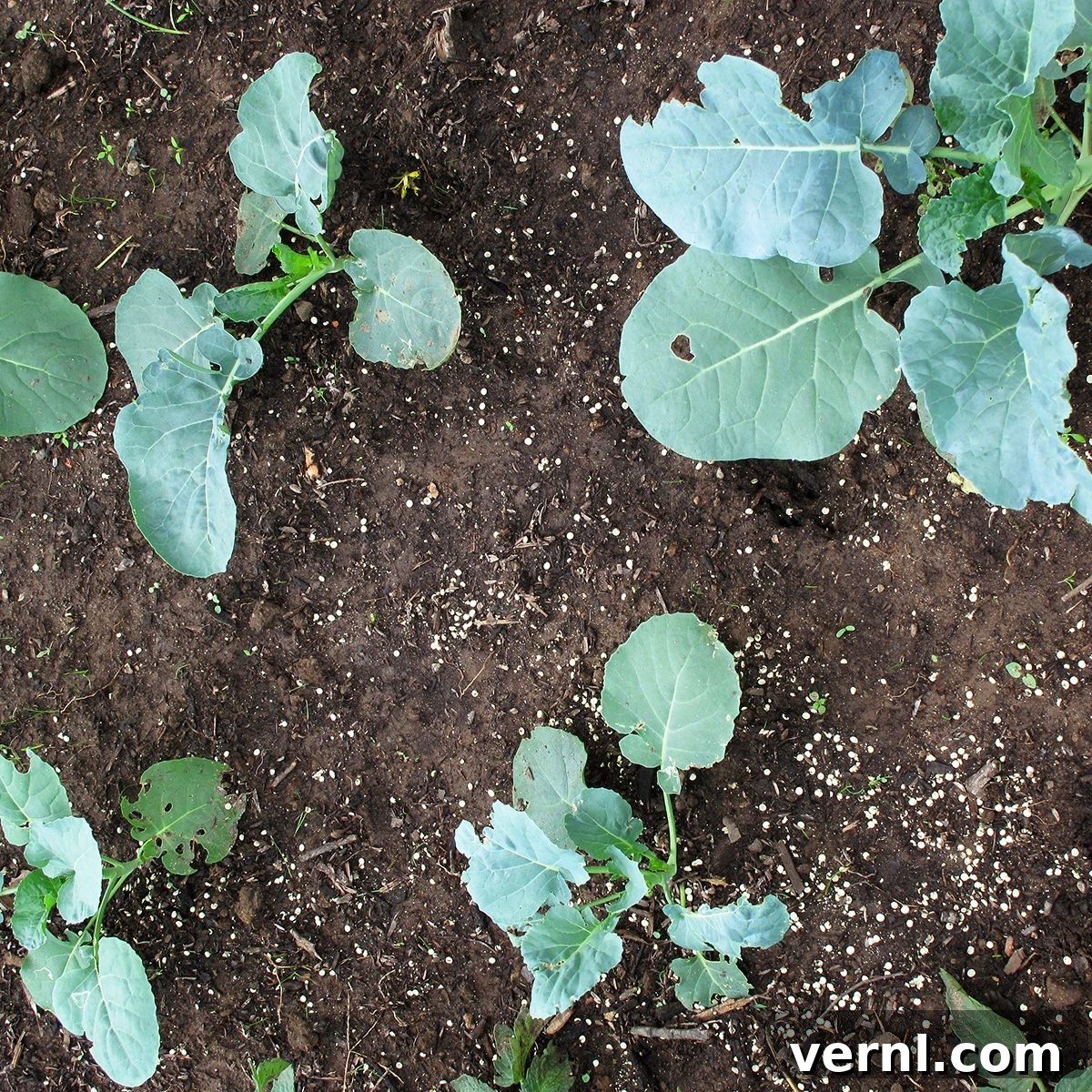
For plants to truly thrive and fulfill their biological potential, they require a precise combination of elements: water, light, and 20 essential nutrients that fuel their biochemical processes. As an enthusiastic gardener, you are likely well-acquainted with the ‘big three’ macronutrients — nitrogen, phosphorus, and potassium — which are often at the forefront of fertilization discussions. However, an equally critical, yet frequently overlooked, element is sulfur. This powerful nutrient is as fundamental to overall plant health as phosphorus, playing a multifaceted role in the vitality of your garden.
Sulfur is truly ubiquitous, woven into the fabric of life itself. It can be found in water, the air we breathe, the rocks beneath our feet, and within the cells of animals, plants, and our own bodies. Its pervasive presence underscores its absolute essentiality for all living organisms. In the context of the garden, sulfur is indispensable for fostering robust plant growth, enhancing plants’ natural resilience against common pests and diseases, and significantly improving both soil structure and nutrient availability. This comprehensive guide will illuminate the profound importance of sulfur in your gardening endeavors and provide practical, effective strategies for its optimal application to ensure consistently better results in your landscape.
Understanding Sulfur: Key Sources for Gardeners
Sulfur is remarkably abundant in our natural environment. In the atmosphere, it exists predominantly as sulfur dioxide, a compound released through both natural phenomena like volcanic eruptions and human-made industrial processes. Beyond the air, sulfur is a critical component of organic matter – think rich, mature compost, nutrient-dense animal manures, and the vital decomposition of plant residues in the soil. It’s also a key ingredient in many organic fertilizers derived from sources such as cow and pig manure, as well as various mineral fertilizers designed to boost soil health.
For most gardening applications, the journey of sulfur often begins as elemental sulfur. This form occurs naturally in soil and as distinct deposits, frequently observed as striking yellow crystals near hot springs and volcanic vents. While elemental sulfur is readily available, plant roots are unable to directly absorb it in this state. For absorption to occur, elemental sulfur must undergo a crucial transformation into its sulfate form (SO₄²⁻), which is water-soluble and plant-available.
This is precisely where products like sulfur flour and flowers of sulfur become invaluable to gardeners. Both are refined forms of elemental sulfur. Once introduced into the soil, specific beneficial soil bacteria, primarily Thiobacillus species, begin the intricate process of oxidizing the elemental sulfur. This biological conversion transforms the sulfur into sulfuric acid, which then dissociates in the soil to release sulfate ions. These sulfate ions are the essential, plant-absorbable form of sulfur that fuels healthy growth. Understanding this conversion process is key to timing and applying sulfur effectively. To ensure you’re providing your lawn with the right amount, learn more about how often you can apply sulfur to your lawn.
Is Sulfur a Safe Choice for Your Garden?
As a naturally occurring element, sulfur possesses an excellent safety profile for use in gardening. Its organic origins and low toxicity have led to widespread approval by regulatory bodies. The Environmental Protection Agency (EPA) in the United States, for instance, has officially sanctioned sulfur for its inclusion in various agricultural products, including pesticides, fungicides, fertilizers, and crucial soil amendments. Notably, a significant number of these sulfur-containing products are certified for organic use, making them a preferred choice for eco-conscious gardeners. Currently, over 200 distinct products incorporating sulfur are readily available on the market, testament to its versatility and safety.
While sulfur’s overall toxicity is low, it’s important to exercise caution during handling, particularly with its powdered forms. Sulfur dust can be mildly irritating to sensitive skin and eyes. Prolonged or chronic exposure to excessive sulfur dust over a lifetime could potentially lead to minor eye discomfort or respiratory disturbances. Therefore, as with handling any fine particulate matter in the garden, it is highly recommended to wear appropriate personal protective equipment. This includes a respirator or a dust mask to safeguard your lungs, safety glasses to protect your eyes, and gloves to prevent skin contact. Adhering to these simple precautions ensures that you can safely harness the many benefits of sulfur in your garden.
The Multifaceted Benefits of Sulfur in Gardening
Despite its natural abundance, sulfur can become depleted from garden soil through various factors, including over-fertilization (which can lead to nutrient imbalances), excessive rainfall that leaches nutrients away, or the long-term removal of crops without adequate nutrient replenishment. Addressing a sulfur deficiency, or proactively adding sulfur, can significantly improve soil health, especially when soil pH levels are either too high (alkaline) or too low (acidic). Let’s delve into the profound ways sulfur benefits your garden soil and, consequently, your plants:
- Increased Soil Biodiversity: Biodiversity is the cornerstone of a vibrant, healthy soil ecosystem. It refers to the vast array of living organisms — from microscopic bacteria and fungi to larger invertebrates — that inhabit the soil. Sulfur plays a crucial role in promoting this biodiversity by supporting the growth and activity of beneficial microorganisms, particularly those involved in nutrient cycling. A diverse microbial community ensures a balanced ecosystem, where different types of bacteria, fungi, and other microorganisms work synergistically to break down complex organic matter, convert it into simpler compounds, and make essential nutrients readily available for plant uptake. This intricate web of life helps maintain soil fertility and resilience.
- Improved Soil Structure: The physical structure of soil is vital for plant growth, influencing water infiltration, aeration, and root development. Sulfur contributes significantly to improved soil structure by facilitating the formation of soil aggregates. These are small, stable clumps of soil particles held together by natural cementing substances such as mucilage (a gelatinous substance produced by roots and microbes), waxes, or sticky gums. Well-formed aggregates are critical for soil health because they provide stability to the soil, prevent erosion, and create a network of pores and channels. These spaces allow water to penetrate the soil more easily, reduce compaction, and ensure adequate air circulation, all of which are essential for healthy root systems and overall plant vigor.
- Enhanced Nutrient Availability: Beyond its role in improving soil structure, sulfur acts as a facilitator for the uptake of other crucial nutrients by plants. While sulfur does not directly bind soil particles in the same way as organic matter, its presence, particularly as sulfate, improves the overall chemical environment of the soil. This enhanced environment makes it easier for plant roots to draw in essential nutrients like nitrogen, phosphorus, and potassium. Sulfur is an integral component of amino acids, which are the building blocks of proteins, and it’s involved in enzyme activation, which directly impacts nutrient assimilation. By optimizing nutrient availability, sulfur ensures plants receive a balanced diet, leading to stronger growth.
- Improved Plant Growth: Sulfur is not merely a helper; it is an essential nutrient itself, directly providing plants with vital components for growth. One of its most critical functions is its role in the development of chlorophyll, the green pigment responsible for photosynthesis. Without adequate sulfur, plants cannot produce sufficient chlorophyll, leading to yellowing leaves (chlorosis) and reduced photosynthetic capacity. With ample sulfur, plants can better absorb light energy from the sun, converting it into chemical energy more efficiently. This results in significantly improved photosynthesis rates, leading to more vigorous plant growth, greener foliage, stronger stems, and ultimately, higher yields of fruits and vegetables.
- Increased Resistance to Pests and Diseases: A well-nourished plant is a resilient plant. Sulfur contributes directly to building a stronger “immune system” in plants, making them inherently more resistant to attacks from various pests and diseases. Sulfur is involved in the synthesis of certain plant defense compounds, including thiols and other sulfur-containing secondary metabolites, which can act as natural deterrents to herbivores and pathogens. Furthermore, its fungicidal properties, discussed in the next section, provide direct protection. By strengthening the plant’s physiological defenses and enhancing its overall health, sulfur makes it much harder for common garden adversaries to establish themselves and cause significant damage.
Practical Applications: How To Use Sulfur in Gardening
Sulfur’s versatility makes it a valuable asset in many aspects of gardening. Here are the four primary ways you can effectively incorporate sulfur into your garden management practices:
1. As a Pesticide and Fungicide
Sulfur has a long-standing history as an effective, natural pest control agent and a potent fungicide and disinfectant. Its efficacy is both preventative and curative, making it a powerful tool against a wide array of common garden ailments. Sulfur can easily control problematic issues such as powdery mildew (a white, powdery growth on leaves), apple scab, black spot on roses, rust diseases, and various other fungal infections. Beyond fungi, it’s effective against specific pests like red spider mites, which are common sap-sucking insects. While less common, sulfur can also contribute to deterring other unwanted garden visitors like ants, slugs, and even larger pests in some applications. Its ability to create an unfavorable environment makes it a broad-spectrum protective measure.
For direct application to plants as a pesticide or fungicide, the powdered form, often referred to as “flowers of sulfur,” is highly effective. This fine powder can be lightly sprinkled directly onto the foliage of affected plants. For optimal results, apply it on a bright, sunny day with warm temperatures and minimal wind. The warmth and sunlight help activate sulfur’s protective properties, while calm conditions ensure the powder adheres properly to the plant surfaces. For larger areas or better coverage, a granular option known as “wettable sulfur” is available. This form must first be diluted with water to create a spray solution. Always adhere strictly to the mixing and application instructions provided on the product label to ensure efficacy and safety. Sulfur-based pesticides and fungicides are readily available at most garden supply stores and nurseries.
2. To Lower Soil pH (Acidify Soil)
Many plants, particularly acid-loving varieties like blueberries, azaleas, rhododendrons, and hydrangeas, thrive in acidic soil environments (pH below 7.0). If your soil tests reveal an excessively high (alkaline) pH, sulfur can be an excellent natural amendment to bring it down to the optimal range. Once elemental sulfur is added to the soil, a dedicated group of soil bacteria, predominantly from the Thiobacillus genus, begins the vital work of converting it into sulfuric acid. This biological oxidation process is what gradually lowers the soil’s pH. Sulfur flour, characterized by its fine particle size, is particularly efficient for this purpose, as it offers a larger surface area for bacterial action and tends to maintain lower pH levels for a longer duration compared to some other treatments.
It’s important to note that while effective, this process is not instantaneous. Lowering soil pH with sulfur is a slow and deliberate method, often taking several months to a full year to achieve significant results. However, the conversion accelerates during warmer summer months when bacterial activity in the soil is at its peak. To apply, sprinkle sulfur flour directly onto the soil surface, then thoroughly incorporate it into the top three to six inches of the soil profile. The precise amount of sulfur required will depend on several factors, including the initial pH of your soil, the desired pH target, the size of the area you are amending, and crucially, the texture of your soil (clay soils require more sulfur than sandy soils due to their higher buffering capacity). These factors dictate how quickly the pH adjustment reactions will occur.
Performing periodic soil tests is absolutely essential throughout this process. Regular testing will help you monitor the pH changes accurately and ensure that the soil’s pH isn’t lowered too much, which could be detrimental to your plants.
3. To Treat Sulfur Deficiency in Plants
Just like any other essential nutrient, plants can suffer from sulfur deficiency, which can manifest in a range of tell-tale symptoms. A common indicator is the yellowing of leaves, particularly in new or young growth. This yellowing, known as chlorosis, occurs because sulfur is crucial for chlorophyll production. Other signs include stunted overall growth, leading to smaller plants, and poor fruit or flower production. Sometimes, you might observe an abnormal leaf color, such as a reddish-purple hue on the undersides of leaves, which can be an additional indicator of stress caused by sulfur deprivation.
Diagnosing sulfur deficiency in plants can be quite challenging because its primary symptom, chlorosis (reduced chlorophyll content and coloration in leaves), closely resembles that of a nitrogen deficiency. However, there are subtle differences to help distinguish between the two:
- Stunted Young Leaves: While nitrogen deficiency often affects older leaves first, sulfur deficiency typically impacts the younger, newer leaves more severely, causing them to appear small and underdeveloped.
- Spindly Stems: Plants suffering from a sulfur shortage may develop thin, weak, and spindly stems, lacking the vigor of healthy plants.
- Upper Leaves are Pale Green or Yellowing while Lower Leaves Look OK: This is a key diagnostic characteristic. Unlike nitrogen, which is mobile within the plant and can be moved from older to younger leaves, sulfur is relatively immobile. Therefore, symptoms of deficiency tend to appear first and most prominently on the youngest leaves, while older leaves may retain a healthier appearance for longer.
To correct a sulfur deficiency, elemental sulfur flour is an effective treatment. A general application rate of one pound of sulfur flour per 100 square feet, thoroughly mixed into the top three inches of soil, can significantly increase the sulfur content to appropriate, fertile levels. It’s important to remember that this treatment primarily increases sulfur content and will not significantly raise or lower the levels of other essential nutrients, though it does enhance their availability over time. Regular soil testing will help confirm the deficiency and guide appropriate application rates.
4. As a Soil Amendment or Fertilizer
Sulfur is most effectively utilized as a proactive soil amendment, ideally incorporated during the preparation of soil before planting. When added to the soil, sulfur enhances the overall soil environment, preparing it for robust plant growth. Many commercial soil amendments containing sulfur are created through a specific process: “flowers of sulfur” are heated alongside another material, often gypsum (calcium sulfate), until the sulfur melts. This molten sulfur then combines with the gypsum, and as it cools, it forms a solid material that resembles small bricks. These bricks are then crushed into a granular or powdered form, ready for use as a highly effective soil amendment.
Beyond its role in pH adjustment and deficiency correction, sulfur also functions as a vital fertilizer for many types of plants. This is primarily due to its intricate relationship with other critical macronutrients like nitrogen, phosphorus, and potassium. Sulfur is essential for the efficient metabolism and uptake of nitrogen by plants, as both are integral components of proteins and enzymes. It also plays a role in the conversion of phosphorus into forms that are more readily available to plants. By optimizing the interaction and availability of these key nutrients, sulfur contributes directly to overall soil fertility and robust plant development. Mineral fertilizers specifically formulated to contain sulfur are widely available at most garden supply stores and agricultural centers.
If you prefer to apply sulfur in a purer form, direct application methods vary by the type of sulfur. Sulfur flour, with its fine consistency, should be thoroughly mixed into the soil to ensure even distribution and maximize contact with soil microbes for conversion. In contrast, flowers of sulfur, which are typically a finer powder, can be carefully applied directly to the plants themselves, especially when targeting fungal issues or certain pests. Always follow product-specific instructions for the best results and to avoid any potential plant damage.
Frequently Asked Questions About Sulfur in Gardening
How does sulfur affect soil pH?
Sulfur primarily lowers a soil’s pH, making it more acidic. When elemental sulfur is added to the soil, beneficial soil bacteria convert it into sulfuric acid. This acidifies the soil over time. Adding sulfur flour is generally recommended for maintaining lower pH levels for the longest duration due to its particle size and reactivity. Once applied, sulfur’s pH-lowering effects are not immediate; it typically takes anywhere from three to twelve months to become fully effective, depending on soil type, temperature, moisture, and bacterial activity.
What are the signs of sulfur deficiency in plants?
Plants affected by low sulfur levels commonly exhibit several identifiable symptoms. The most prominent signs include a yellowing of the leaves (chlorosis), particularly on new or young growth at the top of the plant, as sulfur is relatively immobile within the plant. Additionally, you may observe stunted overall growth, resulting in smaller plants with reduced vigor. The leaves themselves might appear small and narrow, and sometimes the undersides of leaves can develop a reddish-purple tint. Distinguishing sulfur deficiency from nitrogen deficiency can be tricky, but the key is that sulfur symptoms often appear on younger leaves first, unlike nitrogen, which affects older leaves initially.