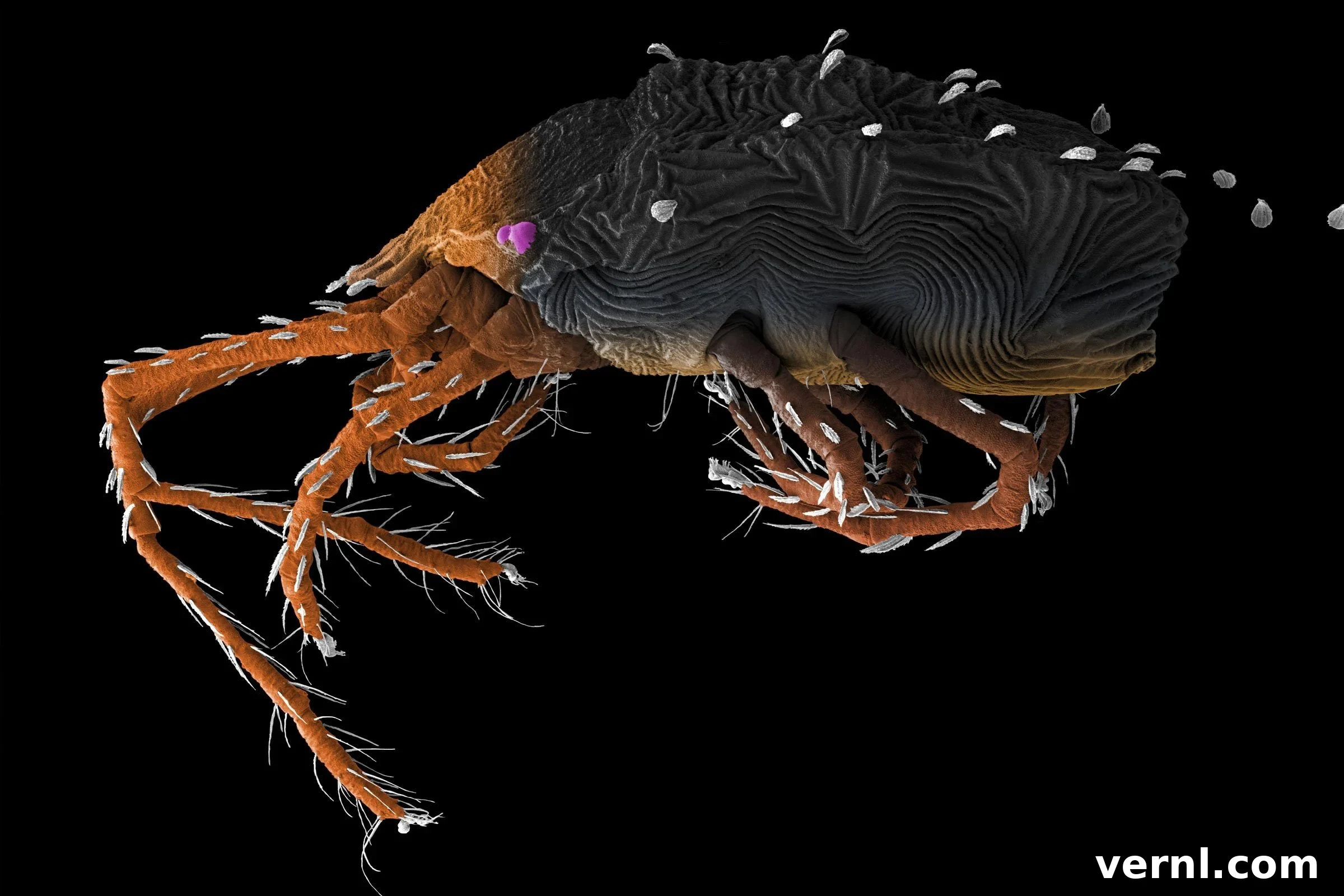
For a creature barely visible to the naked eye, the clover mite (Bryobia praetiosa Koch) can cause a surprising amount of distress and frustration for homeowners. Often mistaken for a more menacing pest, these tiny reddish-brown arachnids can appear in astonishing numbers, particularly during specific seasons. While they don’t bite humans or pets, spread diseases, or cause structural damage to your property, their sheer presence and the unsightly stains they leave behind make them a significant nuisance. Understanding these common outdoor invaders is the first step toward effective management and ensuring peace of mind in your living space.
What Exactly Is a Clover Mite?
A clover mite, scientifically known as Bryobia praetiosa Koch, is a fascinating arthropod belonging to the family Tetranychidae, commonly referred to as spider mites. These minute creatures share a close evolutionary relationship with spiders and ticks, thriving in various environments for an astonishingly long time. According to Ronald Ochoa, Ph.D., a distinguished research scientist specializing in mites for the United States Department of Agriculture (USDA), clover mites are believed to have existed for approximately 200 million years, evolving alongside the very first plants that colonized our planet.
Dr. Ochoa highlights the immense diversity within the mite world, estimating that there could be as many as 11 million species of mites globally, including common varieties like mold mites. Clover mites are remarkably adaptable, flourishing in both rural landscapes and dense urban settings. Interestingly, Dr. Ochoa suggests that “clover mite” might be a slight misnomer. While they will readily feed on clover when other options are scarce, their primary dietary preference leans towards a broader range of herbaceous plants. Their preferred menu includes various grasses, weeds, ivy, and the foliage of shade trees, from which they extract essential water and nutrients.
How to Identify Clover Mites: Appearance and Distinguishing Features
Accurate identification is crucial when dealing with any pest, and clover mites have several distinct characteristics that set them apart. These tiny arachnids are typically reddish-brown, possessing a distinctive globe-shaped body and yellowish legs. One of their most striking features is their first pair of legs, which are considerably longer than the others and are often held forward, giving them an unusual appearance. These elongated front legs can sometimes lead to them being mistaken for antennae.
Due to their minuscule size, ranging from 0.75 to 0.85 millimeters (about the size of a poppy seed), clover mites are notoriously difficult to spot with the unaided eye. However, their most reliable identifying characteristic is their deep claret or brick-red color, which becomes more apparent when they are present in large numbers or when crushed. Their bright red, spherical eggs are even smaller, measuring a mere 0.12 millimeters.
It’s important not to confuse clover mite outbreaks with infestations of other similar-looking, tiny bugs, such as the Balaustium mite, also known as the sidewalk mite. This microscopic doppelgänger shares several traits with clover mites, including body shape and color. However, with the help of a magnifying glass or a smartphone microscope attachment, key differences can be observed. The Balaustium mite, for instance, has a velvety body covered in short hairs and can grow up to 2 millimeters long, making it roughly twice the size of a clover mite. Another critical distinction is behavior: Balaustium mites are known to bite humans and even prey on clover mites themselves, a behavior entirely absent in Bryobia praetiosa.
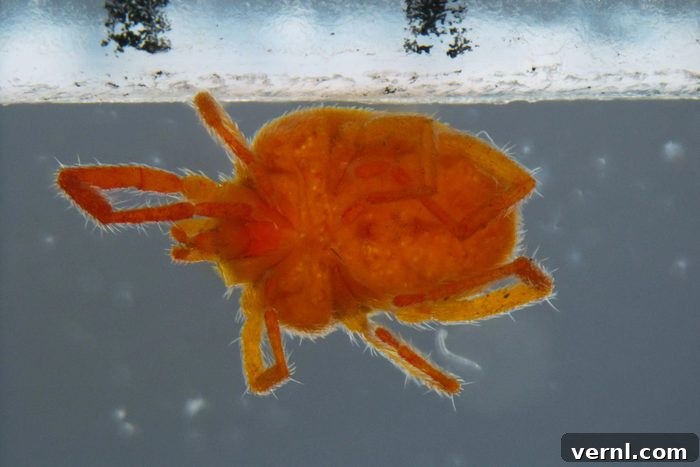
Modern technology offers a convenient solution for amateur entomologists. Dr. Ochoa points out that many smartphones can function as impromptu hand-held microscopes, with some offering up to 10X magnification. “Your phone can help you become a bug expert right in your own backyard,” he advises. For those eager to delve deeper into the world of microscopic pests, specialized clip-on lenses are available that can boost smartphone magnification to 50X, 60X, or even higher, revealing intricate details otherwise invisible.
Habitat and Global Distribution of Clover Mites
Clover mites are truly global travelers, inhabiting nearly every corner of the earth. Their presence spans continents, from North and South America to Europe, Asia, Africa, and Australia. Their widespread distribution is a testament to their remarkable adaptability, but they tend to thrive best in moderate climates that avoid extreme temperature fluctuations. These mites are particularly sensitive to heat, struggling to survive in temperatures exceeding 102 degrees Fahrenheit (about 39 degrees Celsius). Conversely, their eggs enter a dormant state when temperatures drop below 65 degrees Fahrenheit (about 18 degrees Celsius), pausing their development until more favorable conditions return.
For eggs to successfully hatch, they require exposure to temperatures above 65 degrees Fahrenheit for a minimum of 18 hours. Once hatched, adult mites typically have a lifespan ranging from 18 to 100 days, a duration that can vary significantly based on the specific region and prevailing environmental conditions. Their reproductive capacity is quite impressive; clover mites can produce up to seven generations within a single year, leading to rapid population explosions when conditions are ideal. This multi-generational cycle often results in peak activity during the cooler, sunnier periods of spring and fall, when they are most likely to become a noticeable nuisance around homes and gardens.
What Attracts Clover Mites to Your Property?
Understanding what draws clover mites to your environment is key to effective prevention. These mites have specific preferences that dictate where they choose to live and feed. They are particularly fond of lawns and gardens, showing a strong affinity for various types of herbaceous plants, especially lush, well-maintained turf. Here’s a breakdown of what clover mites find most appealing:
- Preferred Vegetation: While their name suggests a love for clover, they are equally attracted to a wider range of plants, including dandelions, wild strawberries, and especially various weeds. They also favor grasses, ivy, and the foliage of shade trees, all of which provide ample moisture and sustenance.
- Environmental Conditions: Clover mites thrive in spring-like, warm temperatures coupled with moderate humidity. They are often found on the sunny sides of yards, buildings, and walls, as these areas provide the ideal warmth and light they seek for feeding and reproduction.
- Turf Characteristics: Heavily fertilized or newly established turf areas are particularly attractive to clover mites. The abundance of nutrients and lush growth in these areas provides an optimal food source.
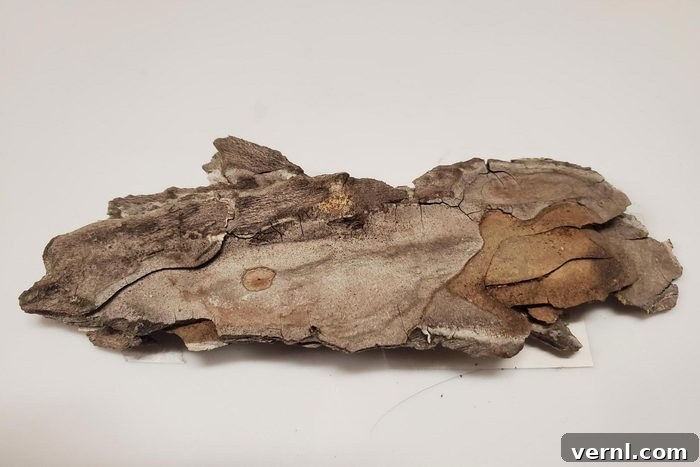
- Overwintering Sites: During colder months, clover mites seek shelter in protected locations. They commonly hide in the protective bark of trees, crevices in foundations, or under leaf litter. In the spring, the larvae emerge from these shelters, seeking water and new feeding grounds to begin their active life cycle.
Are Clover Mites Harmful or Destructive?
While clover mites are undeniably annoying, their destructive potential is relatively low compared to other common pests. They are not known to damage crops significantly, but they can cause noticeable cosmetic issues in specific areas:
- Turf Damage: A large population of clover mites feeding on your lawn can cause it to appear unhealthy, often turning sections of the grass brown. This damage is frequently mistaken for winter kill, drought stress, or fungal diseases, making accurate diagnosis important for proper treatment.
- Vegetation Damage: To individual plants, the damage is generally less severe. Clover mites feed by piercing plant cells and sucking out the sap, which can cause foliage to turn yellow or brown, and in extreme cases, lead to wilting. More commonly, their feeding activity leaves small, silvery streaks or stippling on leaves and flower petals, a result of the damaged plant cells.
- Household Surfaces and Staining: This is where clover mites become a significant indoor nuisance. When these tiny bugs find their way into your home, they have a tendency to leave messy, reddish-brown splotches. These stains are caused by a red pigment present in their body fluids, which is released when they are crushed or squashed. These unsightly marks can appear on painted walls, upholstery, fabrics, carpets, and window sills, and can be particularly stubborn to remove if not addressed promptly.
Despite their indoor antics, there’s a crucial saving grace with clover mites: they cannot reproduce indoors. The indoor environment typically lacks their preferred food sources and adequate moisture. After several days without access to water and suitable plant material, most clover mites that enter a home will become dehydrated and eventually die, mitigating the risk of a permanent indoor infestation.
Do Clover Mites Bite Humans or Pets?
This is one of the most frequently asked questions about clover mites, and the answer is a definitive “No.” Clover mites do not bite humans, pets, or any other animals. Their mouthparts are specifically adapted for piercing the epidermal cells of plants and sucking out nutrient-rich sap. These piercing-sucking mouthparts are simply not designed to break the skin of mammals or other animals. Even if they somehow could, they have no biological inclination to do so, as they are strictly herbivorous and do not feed on blood or animal tissue.
Unlike blood-sucking parasites like bed bugs, mosquitoes, or fleas, clover mites pose no direct health threat to people or animals. Any skin irritation or bites experienced in an area with clover mites are almost certainly attributable to a different pest. This distinction is vital for accurate pest management and to alleviate unnecessary anxiety about their presence.
Comprehensive Strategies to Get Rid of Clover Mites
Effectively managing clover mite infestations involves a multi-pronged approach, focusing on making your outdoor environment less appealing to them and preventing their entry into your home. Here are detailed strategies for both outdoor control and indoor prevention:
Outdoor Management and Landscaping
- Strategic Planting: Diversify your landscaping with plants that clover mites dislike. Incorporate conifers such as yews, junipers, and spruce. For flowering plants and ground covers, consider peonies, hostas, mums, marigolds, geraniums, and ferns. These plants are generally unattractive to clover mites, reducing available food sources near your home.
- Physical Removal with Water: For existing outdoor infestations, a strong stream of water from your garden hose can be surprisingly effective. Dousing areas where you see mites will dislodge them, wash away eggs, and can significantly reduce their numbers. Focus on the base of your home, walls, and any infested vegetation.
- Pesticide Application (When Necessary): For heavy outdoor infestations, especially when mites are consistently attempting to enter your home, a targeted pesticide application can create a barrier. Apply a residual insecticide labeled for mite control around the perimeter of your home’s foundation. Always read and follow product instructions carefully to ensure safe and effective use.
- Maintain Your Lawn: Regularly mow your lawn and remove weeds, which are prime food sources for clover mites. Avoid over-fertilizing, as excessively lush grass can attract them.
Preventing Clover Mites from Entering Your Home
- Seal Entry Points: Mites can squeeze through incredibly tiny openings. Thoroughly inspect your home’s exterior for cracks, gaps, and openings. Use caulk to seal around door and window frames, utility penetrations, and foundation cracks. Masking tape can serve as a temporary fix in emergencies, but a permanent seal is always better.
- Improve Weatherstripping: Add or replace weatherstripping around all windows and doors. Ensure a tight seal to block these microscopic invaders. Also, check screens on windows and doors for tears or gaps, and repair or replace them as needed.
- Create a “Slick” Barrier: Applying a thin layer of oil (such as mineral oil or even cooking oil) to window sills and weatherstripping can create a physical barrier. Mites find it difficult to cross slick surfaces, often becoming trapped or deterred.
- Establish a Plant-Free Zone: Create a band of at least 18-24 inches around your home’s foundation that is free of vegetation. Instead, lay pea gravel, crushed stone, or another inorganic material in this area. This creates an inhospitable zone that mites are reluctant to cross, acting as a natural deterrent.
- Fall Exterior Cleaning: If you live in a climate prone to clover mite infestations, Dr. Ochoa suggests a proactive measure: washing down the lower one or two feet of your house exterior with a garden hose in the fall. “This is an especially good idea if your home is prone to infestations,” he says, as it helps remove overwintering mites and eggs from foundation crevices.
Indoor Removal and Cleanup
- Gentle Vacuuming is Key: If you discover clover mites inside your home, the most effective and safest method for removal is to carefully suck them up with a hand-held vacuum. It is crucial to use a vacuum rather than a broom or cloth. Attempting to sweep or wipe them away will almost certainly crush them, leading to those stubborn red stains on your surfaces.
- Proper Disposal: After vacuuming, immediately take the vacuum outdoors. If your vacuum has a collection bag, remove it, seal it tightly, and dispose of it in an outdoor trash bin. For bagless vacuums, empty the canister into a sealed bag and dispose of it outside.
- Thorough Cleaning: To prevent any remaining mites or eggs from lingering, clean the vacuum’s collection parts (canister, filters, brushes) with a damp, soapy sponge. Ensure all components are completely dry before reassembling the vacuum and bringing it back inside.
When to Consider Professional Pest Control
While many clover mite infestations can be managed with diligent DIY methods, there are situations where professional intervention is advisable. If you’ve tried various prevention and control strategies and still experience persistent or widespread infestations, a licensed pest control professional can offer more advanced solutions. They have access to commercial-grade products and specialized application techniques that may be more effective. Professionals can also conduct a thorough inspection to identify hidden entry points or unique environmental factors contributing to the problem, providing tailored solutions for long-term control.
Conclusion: Managing Clover Mites for a Pest-Free Home
Clover mites, though small, can indeed be a persistent headache for homeowners. However, by understanding their biology, preferences, and behavior, you can implement effective strategies to keep them at bay. Remember, these tiny arthropods are primarily an outdoor nuisance and do not pose health risks or structural damage to your home. The key to successful management lies in proactive outdoor landscaping, rigorous exclusion techniques to prevent indoor entry, and careful indoor cleanup if they do breach your defenses. With a combination of these methods, you can significantly reduce their presence and maintain a more comfortable, pest-free living environment.