
Ultimate Guide to Preventing Deck Joist Rot and Enhancing Deck Longevity
The allure of a beautiful, functional deck is undeniable. It serves as an extension of our homes, a cherished space for relaxation, entertainment, and making memories. However, beneath the surface of seemingly sturdy deck boards lies a critical structural element often overlooked: the deck joists. These hardworking supports are the backbone of your outdoor living space, and their integrity is paramount to your deck’s safety and longevity. Unfortunately, deck joist rot is a surprisingly common and insidious problem, often going unnoticed until significant damage has occurred.
Last summer, while assisting a carpenter friend with a deck removal project, the extent of the decay in what appeared to be pressure-treated lumber joists was truly shocking. My friend, a seasoned professional, however, wasn’t surprised. He frequently encounters decks suffering from severe joist rot, almost always originating from the top edge downwards. This destructive process occurs because the deck boards themselves, coupled with an accumulation of leaves, twigs, and other organic debris, create a persistently damp environment. This moisture, trapped for weeks after rain, becomes a breeding ground for rot, gradually compromising the structural integrity of even treated lumber.
Understanding this pervasive issue, my friend shared two invaluable, rot-fighting tips that every deck owner and builder should incorporate into their maintenance and construction practices. These simple yet highly effective strategies are your best defense against premature deck deterioration and the costly repairs that follow.
The Silent Killer: Why Deck Joists Rot from the Top Down
To effectively combat deck joist rot, it’s crucial to understand its primary cause: prolonged moisture exposure. While pressure-treated lumber is designed to resist decay, its protective chemicals have limitations, especially when subjected to constant dampness. The design of most decks inadvertently contributes to this problem. Deck boards, laid across the joists, create small gaps. These gaps are excellent at trapping moisture from rain, snow, and humidity. Compounding this issue, fallen leaves, pine needles, dirt, and other organic debris settle into these gaps and accumulate directly on top of the joists. This organic matter acts like a sponge, holding moisture against the wood surface for extended periods, even after the visible deck surface has dried. This creates the perfect microclimate for fungi and other microorganisms responsible for wood decay to thrive.
Over time, this continuous cycle of wetting and slow drying, particularly where the deck boards directly meet the joists, breaks down the wood fibers. The top edge of the joist, being most exposed to this trapped moisture and debris, is the first point of failure. As the rot progresses downwards, it weakens the joist’s ability to support weight, leading to a compromised structure that can become unsafe.
Signs of Deck Joist Rot: What to Look For
Early detection is key to preventing minor rot from becoming a major structural issue. Regular inspections of your deck, both from above and below (if accessible), can help identify problems before they escalate. Here are some common signs of deck joist rot:
- Soft or Spongy Wood: Probe your joists with a screwdriver or awl. If the wood feels soft, spongy, or crumbles easily, it’s likely rotting.
- Discoloration: Rotting wood often appears darker or discolored compared to healthy wood. It might also have a greenish or whitish fungal growth.
- Cracks or Splitting: Severe rot can cause the wood to crack, split, or develop deep fissures.
- Sagging Deck Boards: If certain sections of your deck feel bouncy or sag when walked upon, it could indicate weakened joists below.
- Musty Odor: A persistent earthy or musty smell emanating from beneath your deck can be a sign of active fungal growth and rot.
- Loose Fasteners: Nails or screws that hold deck boards to joists might become loose or pull out easily if the underlying wood is rotted.
If you notice any of these signs, it’s imperative to investigate further and address the issue promptly. Ignoring deck rot not only compromises your deck’s lifespan but, more importantly, poses a significant safety hazard to anyone using it.
Essential Rot-Fighting Strategy 1: Proactive Deck Cleaning
One of the simplest yet most effective ways to prevent deck joist rot is to regularly remove the debris that gathers between deck boards, especially where the decking crosses the joists. This practice directly addresses the core problem of trapped moisture and organic matter. While it might seem like a small task, the cumulative effect of keeping these critical areas clear is immense.
Why Regular Cleaning Matters:
- Removes Moisture Traps: By clearing out leaves, twigs, dirt, and other detritus, you eliminate the sponges that hold moisture against your joists.
- Improves Air Circulation: Cleaner gaps allow for better airflow, helping joists dry out more quickly after rain or humidity.
- Prevents Fungal Growth: Without constant moisture and a food source (organic debris), the conditions for rot-causing fungi are significantly reduced.
- Extends Deck Lifespan: A clean deck is a healthier deck, directly contributing to the longevity of your entire structure.
How to Effectively Clean Your Deck Gaps:
This task doesn’t require specialized tools or professional help. A simple drywall saw, as recommended by my carpenter friend, works remarkably well for scraping out stubborn debris from between the boards. Its thin, rigid blade is perfect for reaching into tight spaces. You can also use:
- Specialized Deck Gap Cleaners: Various tools are available on the market specifically designed for this purpose, often with long handles.
- Stiff Wire Brushes: For removing more compacted dirt or moss.
- Air Compressor: A powerful blast of air can help dislodge loose debris.
- Pressure Washer (Use with Caution): While effective for surface cleaning, use a low-pressure setting and wide fan tip when cleaning between boards to avoid damaging the wood or driving water deeper into the joists. Always allow the deck to dry thoroughly afterward.
Make this a routine part of your seasonal deck maintenance. A few minutes spent occasionally pulling out debris can save you thousands in future repairs and ensure your deck remains a safe and enjoyable space for years to come.
Essential Rot-Fighting Strategy 2: Deck Joist Flashing Tape
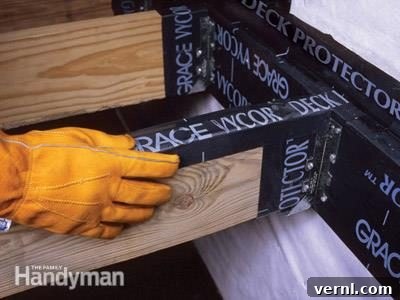
For those building a new deck or undertaking a significant deck renovation, there’s an even more robust preventive measure you can implement: covering the top edges of your joists with rubbery, adhesive-backed “flashing tape.” This material creates an impenetrable barrier against moisture, effectively encapsulating the most vulnerable part of your joists.
What is Deck Flashing Tape and How Does It Work?
Deck flashing tape is a waterproof, self-adhering membrane, typically made from butyl rubber or asphalt, specifically designed for outdoor applications. It comes in rolls and is applied directly to the top edge of each joist before the deck boards are installed. Its primary function is to:
- Create a Waterproof Seal: The tape forms a complete seal over the joist, preventing any water from penetrating the wood from above.
- Protect Fastener Holes: When deck boards are screwed or nailed down, they create tiny perforations in the joist. The self-sealing nature of many flashing tapes means they will seal around these fasteners, preventing water infiltration through the holes.
- Prevent Wood-on-Wood Contact: It acts as a buffer between the deck board and the joist, reducing the direct transfer of moisture and allowing for better drainage.
The Investment in Prevention:
While adding flashing tape might increase the initial cost of your deck by $50 or more, depending on the size of your project, this is a remarkably cheap insurance policy. Consider the potential cost of replacing rotted joists down the line—it can run into thousands of dollars, not to mention the labor and disruption. Flashing tape is a small upfront investment that delivers immense long-term value by significantly extending the lifespan of your deck’s structural components.
You can purchase high-quality deck flashing tape from various home improvement retailers or online. For example, products like Grace Vycor Deck Protector Self Adhered Flashing are widely respected in the industry for their durability and effectiveness. This type of tape typically comes in rolls of various widths, making it suitable for different joist sizes.
Application for New Decks: The process is straightforward. Ensure your joists are clean and dry. Roll out the tape along the top edge of each joist, pressing it down firmly to eliminate air bubbles and ensure a secure adhesion. Overlap seams slightly to maintain a continuous waterproof barrier. Then, proceed with installing your deck boards as usual.
Beyond Joists: A Holistic Approach to Deck Longevity
While addressing joist rot is crucial, a truly long-lasting deck benefits from a comprehensive maintenance strategy. Consider these additional measures:
- Apply Quality Sealants or Stains: Regularly sealing or staining your deck boards and railings protects the visible surfaces from UV damage, moisture absorption, and general wear and tear. Choose products with UV inhibitors and waterproofing properties.
- Ensure Proper Drainage: Design your landscaping around the deck to ensure water drains away from the structure, preventing standing water near posts or footings. Clear gutters above the deck to prevent overflow.
- Regular Inspections: Beyond looking for rot, routinely check for loose fasteners, wobbly railings, cracked boards, and insect activity. Address any issues promptly.
- Maintain Adequate Ventilation: Ensure there’s sufficient airflow underneath your deck, especially if it’s low to the ground. This helps dry out the joists and sub-structure more quickly. Avoid planting dense shrubs directly against the deck skirt that could impede airflow.
- Choose Durable Materials: When building or renovating, consider composite decking or naturally rot-resistant hardwoods like cedar or redwood for deck boards, which can further enhance the deck’s overall resilience.
Protect Your Investment, Ensure Your Safety
Your deck is more than just lumber and fasteners; it’s an investment in your home and a central hub for outdoor living. Neglecting its maintenance, particularly the prevention of joist rot, can lead to costly repairs, structural failures, and even dangerous accidents. By incorporating simple, proactive steps like regular debris removal and, for new constructions, the application of deck joist flashing tape, you are making a smart decision to protect that investment.
These strategies are not just about prolonging the life of your deck; they are about ensuring the safety of your family and friends. A structurally sound deck provides peace of mind, allowing you to fully enjoy your outdoor space without worry. Embrace these tips, and your deck will stand strong, beautiful, and safe for many years to come.
You can purchase deck flashing tape or other items through our affiliation with Amazon.com: Grace Deck Protector 45639 Felt Asphalt Rolls
— Gary Wentz, Senior Editor
Image provided by Grace
Related Articles from The Family Handyman:
- Rebuild an Old Deck with New Decking and Railings
- 7 Essential Deck Building Tips for Posts, Railings, and Joists
- How to Build Deck Stairs Safely and Effectively
- Top Deck Maintenance Tips to Make Your Deck Last Longer
- Inspiring Deck Design Ideas for Your Outdoor Space