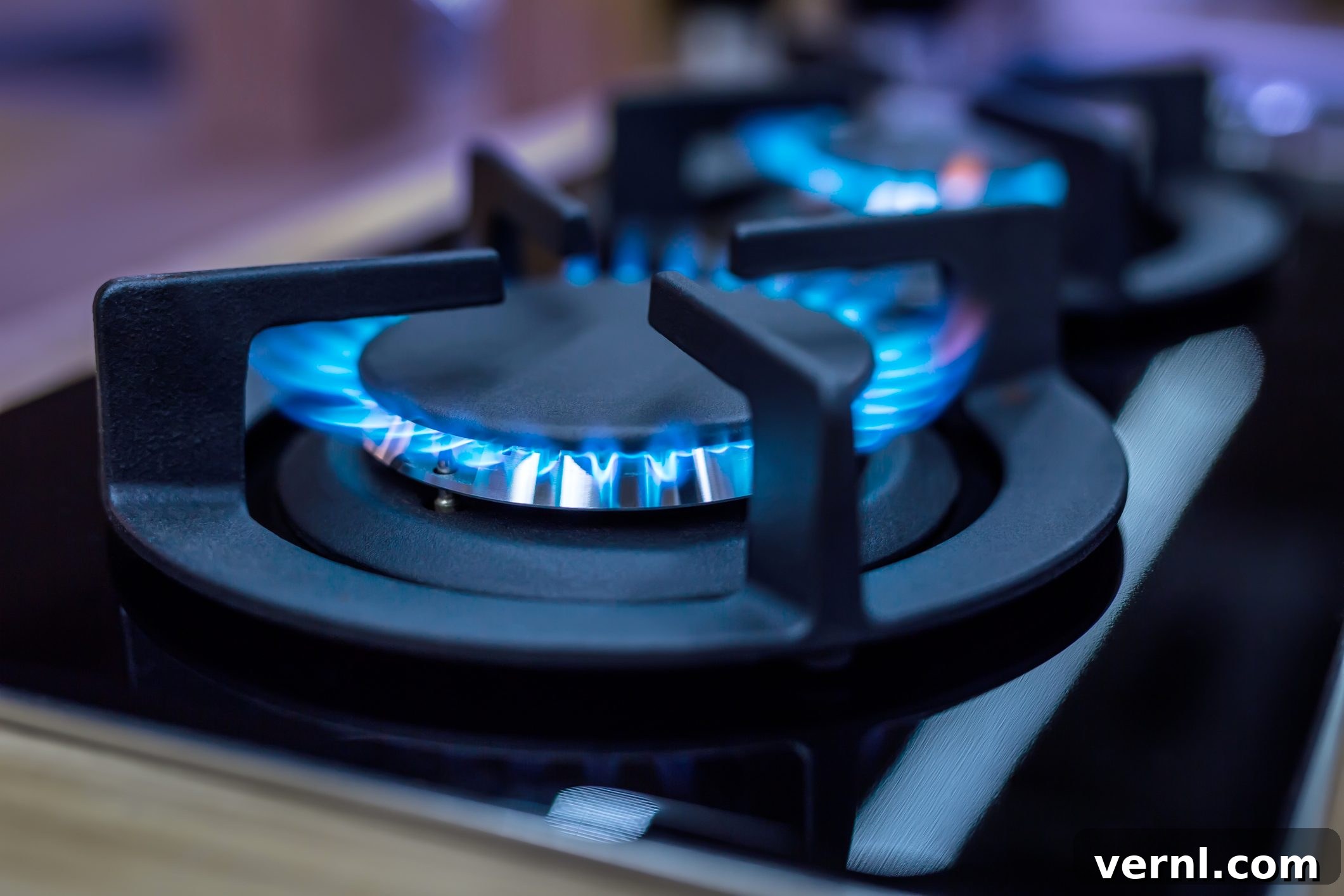
Navigating the Natural Gas Debate: Is It Really a Clean Energy Solution?
In the complex landscape of energy policy and climate science, few topics generate as much debate and confusion as natural gas. On one side, climate scientists and environmental advocates vigorously call for an urgent transition away from all fossil fuels, with some municipalities taking proactive steps to ban natural gas in new construction. On the other, powerful lobbying efforts and certain state lawmakers champion natural gas, seeking to officially label it as “clean” or “green” energy. This stark dichotomy leaves many questioning: What is the truth behind natural gas? Is it a viable component of a sustainable future, or do its long-term environmental and health impacts fundamentally negate any perceived benefits?
Much of this pervasive confusion stems from sophisticated marketing campaigns that often cherry-pick facts, alongside varying and sometimes conflicting definitions of what constitutes “clean energy.” To cut through the noise, this comprehensive article delves into the realities of natural gas and its role in the global energy mix, drawing on insights from leading experts. We consult Paul Arbaje, an energy analyst at the Union of Concerned Scientists; Diana Gragg, managing director for Explore Energy at Stanford University; and Daniel Jacob, a distinguished professor of atmospheric chemistry and environmental engineering at Harvard University, to provide a well-rounded and authoritative perspective on this critical energy source.
Understanding Natural Gas: Composition, Origin, and Primary Uses
At its core, natural gas is a fossil fuel, a non-renewable energy source formed over millions of years. It is predominantly composed of methane (CH4), a hydrocarbon that is an incredibly potent greenhouse gas. In fact, methane is considered one of the most significant contributors to global climate change, trapping substantially more heat in the atmosphere over a shorter period compared to carbon dioxide. Currently, natural gas supplies approximately 30% of the U.S. energy demand, playing a crucial role in electricity generation, industrial processes, and residential heating and cooking.
The geological formation of natural gas is a testament to ancient biological processes. Over countless millennia, layers of organic matter – primarily from prehistoric marine microorganisms, plant life, and animal remains – settled at the bottom of ancient lakes and oceans. Gradually, these deposits were buried deeper and deeper under successive layers of sediment. Intense geological forces, including immense pressure and elevated temperatures, compressed, heated, and chemically transformed this organic matter into the fossil fuels we extract today, including natural gas.
Paul Arbaje clarifies an important safety aspect of this ubiquitous fuel: “In its purest form, gas is colorless and odorless,” he explains. “The reason we’re able to smell gas leaks in and around buildings is due to the odorants that utility companies deliberately add to the gas. This crucial measure allows us to safely detect leaks and report them, preventing potentially catastrophic accidents.”
The Perceived “Benefits” and Historical Role of Natural Gas
The widespread adoption of natural gas in homes began in the early 1900s, facilitated by the construction of extensive pipeline networks. At that historical juncture, natural gas represented a significant advancement over the prevailing energy source: coal. Coal was notoriously more expensive, highly inefficient, and significantly dirtier to burn, producing copious amounts of soot and pollutants. The introduction of natural gas offered a welcome upgrade, providing a cleaner-burning, more convenient, and often more affordable alternative for heating and other domestic uses.
Today, natural gas remains an exceedingly common energy source. In urban and suburban areas of the U.S., it is the primary fuel for home furnaces, water heaters, clothes dryers, and gas ranges. In more rural regions where pipeline access is limited, its close relative, propane, serves similar functions. Beyond residential use, many utility companies rely heavily on gas-fired power plants, meaning that a substantial portion of the electricity consumed across the nation is also generated from natural gas. From a safety standpoint, in-home natural gas explosions are statistically rare occurrences, often attributed to the added odorants and rigorous safety regulations.
When critically compared to coal, natural gas does indeed burn “cleaner” in several aspects. It releases fewer conventional air pollutants, such as sulfur dioxide and particulate matter, and emits less carbon dioxide per unit of energy produced. This shift from coal to natural gas, particularly in electricity generation, has historically contributed to improved regional air quality and a measurable decrease in certain types of environmental damage. Furthermore, natural gas is highly energy-dense, meaning it yields a greater amount of heat or power for a given volume of fuel. This inherent efficiency can, in certain contexts, lead to lower overall energy consumption when used as a direct replacement for less efficient fuels.
The Hidden Truth: Unveiling the Risks and Disadvantages of Natural Gas

While often marketed for its convenience and perceived cleanliness relative to coal, a growing body of scientific evidence reveals significant health and environmental risks associated with natural gas, particularly from a holistic perspective. The question of “Is natural gas safe?” requires a nuanced answer, especially when considering its impact on human health within residential settings and its broader climatic effects.
From a health standpoint, burning natural gas for home heating and cooking poses documented risks, particularly in homes with inadequate ventilation, such as many apartments. Numerous peer-reviewed studies are shedding light on these concerns. For instance, a recent study estimated that a significant 12.7% of childhood asthma cases in the U.S. can be attributed directly to the presence and use of gas stoves. This highlights an often-overlooked indoor air quality issue that disproportionately affects vulnerable populations.
Further compounding these health concerns, another alarming study conducted in Boston detected 21 distinct volatile organic compounds (VOCs) leaking from gas stoves and pipelines, even when they were turned off. Among these VOCs was benzene, a notorious carcinogen known to cause cancer in humans. This underscores that the health risks are not solely from combustion byproducts but also from chronic, low-level leakage within the home infrastructure. Consequently, emerging evidence strongly supports the measurable health benefits of transitioning from gas stoves to electric alternatives, improving indoor air quality and reducing exposure to harmful pollutants.
Beyond individual homes, the environmental and social impacts of natural gas extend to broader communities. Pollution from large-scale gas-fired power plants is often concentrated in nearby neighborhoods. Tragically, these communities are frequently those with a higher proportion of people of color and lower-income residents, bringing to light profound issues of environmental injustice – often termed environmental racism – intrinsically linked with the natural gas supply chain and infrastructure. These communities bear a disproportionate burden of air pollution and associated health problems, including higher rates of respiratory illnesses.
On a more existential and global scale, the continued reliance on natural gas presents an immense challenge to climate stability. Methane, the primary component of natural gas, is a far more potent greenhouse gas than carbon dioxide, capable of trapping more than 80 times as much heat in the atmosphere over a 20-year period. Consequently, persistent leakage and intentional venting of methane throughout the entire natural gas production, processing, and distribution lifecycle – from extraction wells to end-use appliances – contribute substantially to global warming. This unchecked release of methane creates dangerously unstable conditions for current and future generations, jeopardizing efforts to maintain a livable planet.
Can Natural Gas Be Part of the Green Energy Transition? A Stepping Stone or a Stumbling Block?
The question of whether natural gas can genuinely contribute to a green energy transition is contentious, hinging heavily on definitions and perspectives. As Diana Gragg succinctly puts it, “It depends on what your definitions are.” She acknowledges that “While natural gas is the cleanest-burning fossil fuel [compared to coal and oil], burning natural gas still emits carbon dioxide, which contributes to climate change.”
Because natural gas produces less air pollution and lower levels of carbon dioxide per unit of energy than coal and oil, some proponents advocate for its role as a “bridge fuel.” The argument is that it can serve as a transitional step, facilitating the replacement of dirtier coal power while renewable energy infrastructure scales up. Indeed, statistics from the U.S. Energy Information Administration (EIA) show that U.S. energy-related carbon dioxide emissions have fallen by approximately 15% since 2007, a decline often attributed partly to the increased substitution of natural gas for coal in electricity generation.
However, experts like Daniel Jacob caution against an overly optimistic view. “But it’s nowhere as clean as renewable energy because it still emits CO2,” he states unequivocally. Jacob emphasizes that “The full natural gas environmental impact extends beyond CO2 emissions to include methane leakage throughout the supply chain. So leakage needs to be minimized.” Crucially, current estimates indicate that these methane leaks are far from minimal; they are substantial and pervasive.
Recent groundbreaking research highlights that the true greenhouse gas emissions from natural gas may be significantly higher than previously estimated when the entire production and supply lifecycle is comprehensively accounted for. The amount of methane released from oil and gas operations is very likely high enough to negate most of the supposed climate benefits derived from switching away from coal. Paul Arbaje firmly concludes, “Natural gas or methane gas, therefore, cannot be described as ‘clean’ in any honest or informed manner.”
Many climate experts further underscore a fundamental truth: irrespective of how “clean” natural gas might appear in comparison to other fossil fuels, the only way to truly halt global warming is to cease the combustion of all fossil fuels entirely, including natural gas. This perspective shifts the focus from incremental improvements to a systemic overhaul of our energy systems.
Adding to the public’s confusion is a concerted effort by various marketing and social media campaigns, which many climate advocates decry as misleading. These campaigns frequently employ slogans like “the world’s clean energy future,” without explicitly clarifying that their claims of “cleanliness” are made solely in comparison to coal and oil, rather than to genuinely clean and sustainable renewable energy sources. This deliberate ambiguity blurs the lines and hinders public understanding of the urgent need for a full transition to renewables.
The Urgent Need for Sustainable Alternatives and Energy Efficiency
Given the significant environmental and health drawbacks of natural gas, accelerating the transition to truly clean and sustainable energy alternatives is imperative. Fortunately, a diverse array of viable options exists today, capable of meeting our energy demands without the destructive legacy of fossil fuels.
The most prominent alternatives are electricity generated from clean and renewable energy sources. Solar power, harnessing the sun’s energy, and wind power, capturing kinetic energy from the wind, are becoming increasingly cost-effective and scalable. Hydropower, utilizing the force of moving water, has long been a reliable source of clean electricity. These technologies produce virtually no greenhouse gas emissions during operation and represent truly sustainable energy pathways.
For heating, beyond electric heat pumps that efficiently transfer thermal energy, geothermal systems offer an excellent solution. These systems tap into the Earth’s stable subsurface temperatures to provide highly efficient heating and cooling for buildings. Biomass, when sustainably sourced and managed, can also offer a renewable heating option, though its environmental profile requires careful consideration regarding emissions and land use.
Crucially, reducing overall energy demand through enhanced energy efficiency is as important as shifting to renewable sources. Implementing energy-efficient appliances in homes, upgrading to modern building codes, and improving insulation significantly decrease the amount of energy required for daily living. These measures not only lessen reliance on fossil fuels but also reduce energy bills for consumers, contributing to a cleaner environment and a more resilient energy future. By combining robust renewable energy deployment with aggressive energy efficiency initiatives, societies can achieve comprehensive decarbonization and create a healthier, more sustainable world.
Frequently Asked Questions About Natural Gas
Is natural gas cleaner than coal?
From a direct combustion perspective, natural gas does produce considerably less carbon dioxide, sulfur dioxide, and particulate matter than coal or oil. This relative cleanliness has contributed to regional air quality improvements and some reduction in greenhouse gas emissions when natural gas replaces coal for electricity generation. Its extensive use in households for heating, cooking, and hot water is also generally safe, with in-home explosions being uncommon. However, this comparison often overlooks the potent climate impact of methane leakage throughout the natural gas supply chain, which can significantly reduce or even negate its perceived environmental benefits.
Can natural gas be part of decarbonization efforts?
Natural gas can offer limited, short-term decarbonization benefits when combined with advanced carbon capture, utilization, and storage (CCUS) systems. These technologies aim to trap CO2 emissions from power plants or industrial facilities. However, current CCUS systems are extremely expensive to implement and typically only capture between 50% and 90% of emissions, not 100%. More significantly, methane leaks, which contribute about 3% of total U.S. greenhouse gas emissions, substantially reduce any climate advantages natural gas might offer. Experts contend that these methane leaks would need to drop by a dramatic 75% by 2030 to make natural gas a credible “bridge fuel.” In contrast, wind and solar power systems now produce energy more affordably and on a larger scale than natural gas, making them far superior and genuinely sustainable options for achieving comprehensive decarbonization goals.
What are viable alternatives to using natural gas for energy?
There is a robust and growing array of alternatives to natural gas for energy generation and consumption. For electricity, the most prominent and sustainable alternatives are clean and renewable energy sources such as solar, wind, and hydropower, which do not produce greenhouse gas emissions during operation. For heating and cooling, highly efficient electric heat pumps are rapidly gaining popularity. Geothermal systems, which utilize the Earth’s stable temperature, and sustainably sourced biomass can also provide efficient heating. Beyond direct energy generation, improving energy efficiency in homes and buildings through better insulation, sealing, and energy-efficient appliances further decreases the overall demand for energy. These comprehensive alternatives collectively lead to significantly fewer carbon emissions, reduced reliance on fossil fuels, and a much cleaner, healthier environment.
About the Experts
- Paul Arbaje has 12 years of extensive energy consulting experience, specializing in optimizing natural gas infrastructure. In his pivotal role as Lead Analyst at Blue Horizon Energy Solutions, he has spearheaded over 200 projects across North America and Europe, assisting clients in effectively managing pipeline safety and emissions control while simultaneously identifying efficient supply solutions.
- Diana Gragg, a distinguished core lecturer at Stanford University, brings 15 years of invaluable experience as an environmental scientist. Her research focuses on the entire life cycle of fossil fuels and their intricate role in the global transition to clean energy systems. In her influential position at the Green Futures Institute, she leads significant research groups that conduct comparative analyses of renewable energy systems versus natural gas emissions, particularly concerning greenhouse gas footprints.
- Daniel J. Jacob stands at the forefront of the atmospheric chemistry and environmental engineering discipline at Harvard University. He holds the esteemed title of Vasco McCoy Family Professor at the Harvard John A. Paulson School of Engineering and Applied Sciences and is an active, contributing member of the Earth and Planetary Sciences Department, renowned for his pioneering research.
Sources
- U.S. Energy Information Administration: “Natural gas and the environment.”
- United Nations Environment Programme: “Is natural gas really the bridge fuel the world needs?”
- National Geographic: “Natural gas is a much ‘dirtier’ energy source, carbon-wise, than we thought.”
- Union of Concerned Scientists: “Science for people and the planet.”
- Health University of Utah: “Clearing the Air: About Gas Stoves.”
- MDPI: “Population Attributable Fraction of Gas Stoves and Childhood Asthma in the United States.”
- ACS Publications: “Home is Where the Pipeline Ends: Characterization of Volatile Organic Compounds Present in Natural Gas at the Point of the Residential End User.”
- Stanford University: “In Ecuador, emissions and hospitalizations fell ‘in lockstep’ with electric stove adoption.”
- Stanford University: “What is Explore Energy?”
- U.S. Energy Information Administration: “U.S. energy-related carbon dioxide fell by 2.8% in 2019, slightly below 2017 levels.”
- UNEP ORG.: “International Methane Emissions Observatory.”
- Energy and Policy Institute: “Southwest Gas launches a pro-fossil gas social media influencer campaign.”
- Energy and Policy Institute: “Utility front groups spending on disinformation advertising.”