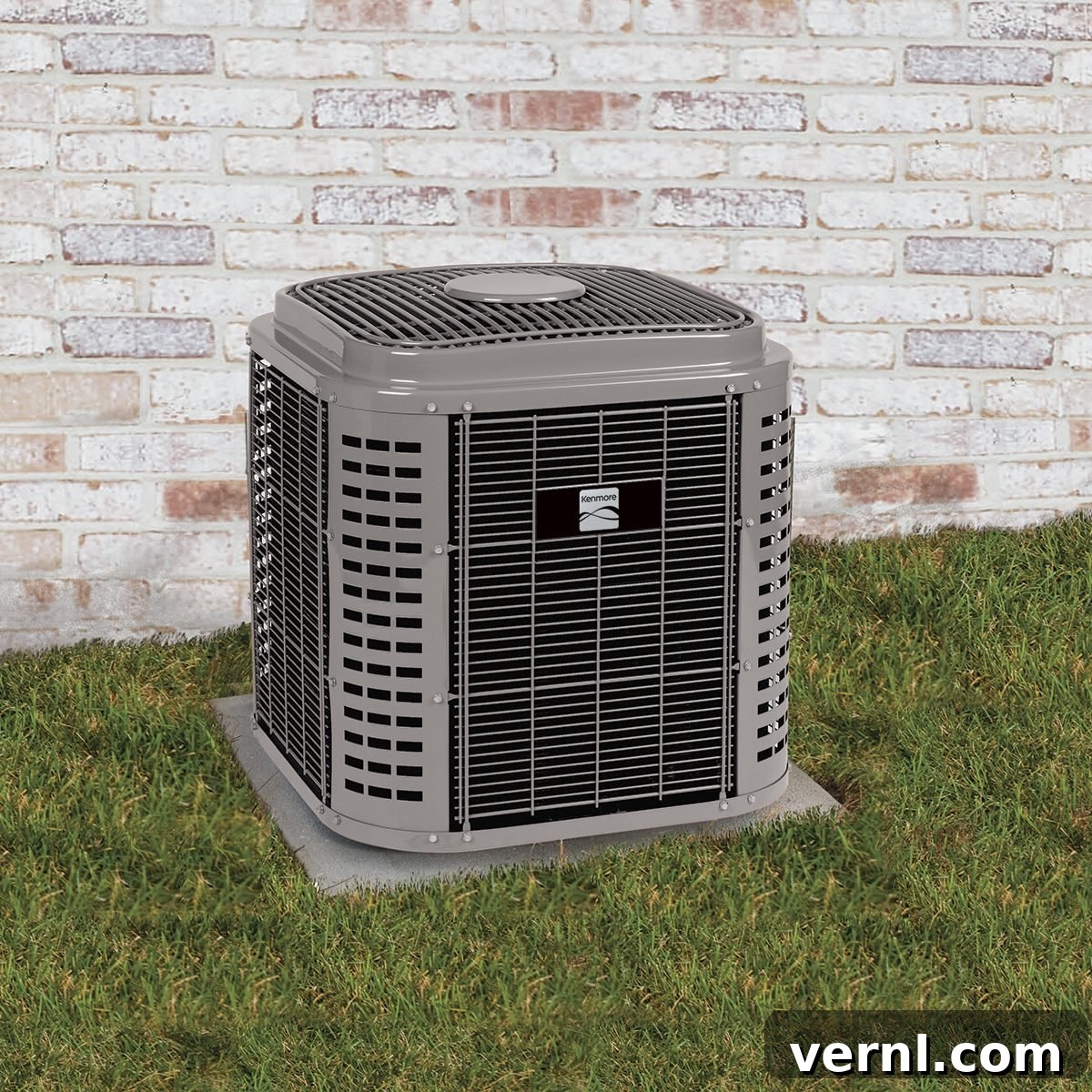
Sponsored by Sears Home Services
HVAC Maintenance Checklist: Ensure Your Home Stays Cool and Comfortable All Season Long.
As the temperatures rise and summer approaches, there’s nothing more crucial than a fully functional and efficient home cooling system. A well-maintained HVAC (Heating, Ventilation, and Air Conditioning) system doesn’t just keep your living spaces comfortably cool; it also plays a vital role in managing your energy bills, improving indoor air quality, and extending the lifespan of your valuable equipment. Proactive maintenance is key to avoiding inconvenient breakdowns during peak demand and costly emergency repairs. Use this comprehensive checklist as your guide to assess your HVAC system’s health, identify potential issues, and understand when it’s time to call in the professionals for necessary AC maintenance or repairs. Addressing these points before the summer heat truly intensifies can save you discomfort, time, and money, ensuring your home remains a cool sanctuary throughout the hottest months.
HVAC Maintenance Checklist 1. Optimize Your System with a Clean Air Filter.
The air filter is arguably one of the most critical, yet often overlooked, components of your entire HVAC system. Acting as your home’s first line of defense, it diligently traps a myriad of airborne contaminants, including dirt, dust, pollen, pet dander, mold spores, and other microscopic particles. This protective barrier works tirelessly during both the cooling and heating seasons, safeguarding not only your indoor air quality but also the sensitive internal components of your furnace and air conditioner. When these particles accumulate on the filter’s surface, they create a dense obstruction that severely restricts airflow. This forces your HVAC blower motor to work significantly harder and longer to circulate air throughout your home, leading to decreased energy efficiency, higher electricity bills, and undue stress on the system’s vital parts. A clogged filter can also impair the system’s ability to cool effectively, leading to warmer indoor temperatures and even potential coil freezing. To maintain optimal performance and air quality, it is essential to check your air filter every month, especially during periods of heavy usage or if you have pets or allergies. Replace it immediately if it appears dirty or discolored. Understanding the various filter types, such as pleated filters (offering better filtration with higher MERV ratings) versus basic fiberglass filters, can also help you choose the best option for your home’s specific needs. For those with window AC units, knowing how to clean the window AC filter properly can further enhance efficiency and air purity.
RELATED: Keeping your home’s heating and cooling systems in top condition is essential for comfort and efficiency. Explore how Sears Home Services can provide expert assistance to help you repair, replace, or maintain your crucial HVAC systems with ease and confidence. Trust their skilled technicians to handle all your air conditioning and furnace needs, ensuring year-round comfort. Learn more here about HVAC Air Conditioner Repair.
HVAC Maintenance Checklist 2. Inspect and Clean Your AC Vents for Unrestricted Airflow.
After ensuring your air filter is pristine, the next logical step in optimizing your HVAC system’s performance is to turn your attention to the air conditioning vents in each room of your home. These vents are the gateway through which conditioned air enters your living spaces, and their cleanliness directly impacts airflow and overall system efficiency. Begin by taking a pipe cleaner or a damp cloth and carefully wiping across the louvres that cover the opening to each air conditioner vent. It’s almost guaranteed you’ll encounter a layer of household dust, which is normal and can be easily removed. However, if your pipe cleaner or cloth picks up black, fuzzy, or slimy residue, this could be a concerning sign of mold growth within your ductwork or directly around the vents. Mold not only poses a potential health risk, particularly for those with allergies or respiratory sensitivities, but it also indicates a moisture issue that needs immediate attention. Beyond just cleaning, it’s equally important to ensure that all vents remain unobstructed by furniture, curtains, rugs, or other household items. Blocked vents can disrupt the intended air distribution, creating hot and cold spots throughout your home and forcing your system to work harder to achieve the desired temperature. While it might seem intuitive to close vents in unused rooms, it’s generally not recommended for central HVAC systems, as it can create pressure imbalances that strain the blower motor and reduce efficiency. If you suspect mold or observe persistent debris, having a professional inspect and potentially clean your ductwork and vents is a wise investment to protect your indoor air quality and system integrity.
HVAC Maintenance Checklist 3. Examine and Replace Any Worn Furnace Belts.
For many furnaces equipped with electric blowers, a critical component often overlooked during routine maintenance is the fan belt. This belt connects the blower motor to the fan, transferring power to circulate conditioned air throughout your home. Over time, due to constant use, friction, and environmental factors, these belts can become cracked, frayed, or stretched, leading to a “sagging” appearance. A worn or damaged belt significantly compromises your HVAC system’s ability to move air effectively. A cracked or frayed belt can slip, causing the blower to operate inefficiently, reducing airflow, and potentially leading to system overheating. A sagging belt, on the other hand, might not provide enough tension, resulting in a loss of power transfer and reduced fan speed, which translates directly to less conditioned air reaching your rooms and increased energy consumption as the system struggles to meet demand. In severe cases, a completely broken belt will halt air circulation entirely, leaving your home without heating or cooling. It is highly recommended to perform an annual inspection of this component. Before checking, always ensure the power to the unit is completely turned off at the thermostat and the circuit breaker for safety. Once power is disconnected, carefully remove the front cover of your furnace to access the blower compartment. Visually inspect the belt for any signs of wear, such as cracks, tears, fraying edges, or excessive slack. The belt should feel snug and firm without being overly tight. If you identify any of these issues, prompt replacement is crucial to restore optimal airflow and prevent further strain on the motor. While a relatively straightforward task for the mechanically inclined, if you’re uncomfortable performing this check or replacement, it’s best to consult a qualified HVAC professional.
HVAC Maintenance Checklist 4. Investigate and Address Any Strange HVAC Noises.
Your HVAC system, whether it’s your air conditioner or furnace, is designed to operate with a relatively low hum. While some operational sounds are normal – such as the gentle whoosh of air moving through vents or the outdoor unit cycling on and off – any sudden, persistent, or unusual noises should be taken as a serious warning sign that demands immediate attention. Ignoring strange sounds can lead to minor issues escalating into major, costly repairs or even complete system failure. Different noises can indicate specific problems within your system. For instance, a persistent squealing sound often points to a worn-out or loose fan belt, similar to what you might hear from a car engine. Grinding or rattling noises could suggest failing motor bearings, loose hardware, or debris lodged in the blower assembly or outdoor unit. A loud clanging or banging sound, especially when the system starts or stops, might indicate a loose part within the blower fan or compressor, or an issue with the refrigerant lines. Hissing sounds can signal a refrigerant leak, which not only impacts cooling performance but also requires professional handling due to environmental concerns. A bubbling sound might indicate water in the condensate pan or issues with the drain line. If you start hearing these or other unusual sounds that are outside the normal operating parameters, it’s critical to investigate. While you can try some basic troubleshooting steps, such as those for fixing a noisy air conditioner condenser, if the problem persists or you’re unsure of the cause, it’s always best to err on the side of caution. Promptly schedule a visit with an HVAC expert to diagnose and resolve the issue before it leads to more extensive damage or an unexpected system breakdown.
Schedule a Yearly Preventative Maintenance Checkup for Optimal Performance and Longevity.
While the DIY checklist above covers several crucial steps homeowners can take, HVAC systems are intricate and complex machines that benefit immensely from professional attention. To ensure peak performance, energy efficiency, and extended lifespan, your air conditioning and heating system should be serviced by a qualified technician at least once a year, ideally in the spring for AC and in the fall for heating. A comprehensive preventative maintenance checkup goes far beyond what a typical homeowner can assess. During such a visit, an HVAC expert will perform a thorough multi-point inspection and tune-up, including checking refrigerant levels, cleaning coils, inspecting electrical connections for safety and wear, lubricating moving parts, calibrating thermostats, examining the condensate drain line for blockages, and testing overall system performance. These detailed assessments can identify minor issues – like a slightly undercharged refrigerant or a loose electrical connection – before they escalate into major malfunctions that could lead to costly emergency repairs or even a premature system replacement. Regular professional servicing not only significantly improves your system’s energy efficiency, leading to lower utility bills, but also helps maintain your system’s warranty validity, provides peace of mind regarding safety, and dramatically extends the operational life of your equipment. Most well-maintained HVAC systems are designed to last between 10 to 14 years, but this lifespan is heavily dependent on consistent preventative care and timely repairs when needed. If your air conditioner or furnace seems to be constantly breaking down, struggling to cool or heat your home, or nearing the end of its projected lifespan, it might be an opportune moment to consider investing in a new, more energy-efficient HVAC system. A trusted partner like Sears Home Services can provide expert advice on maintenance plans or help you explore replacement options tailored to your home’s needs, ensuring your family enjoys uninterrupted comfort for years to come.