The Ultimate Guide to Paver Base: Foundation for Lasting Hardscapes
Every magnificent structure begins with a strong foundation. In the world of outdoor living spaces, the same principle applies. When you envision a stunning patio, a charming walkway, or a robust driveway, the secret to its enduring beauty and stability lies beneath the surface: the paver base. This unsung hero of hardscaping projects is not merely a layer of dirt, but a carefully engineered foundation designed to withstand the test of time, weather, and heavy use. Understanding its crucial role and making informed choices about its composition and installation is paramount for any homeowner or DIY enthusiast aiming for a professional, durable, and level hardscape surface that enhances their property for years to come.
What Exactly is Paver Base?
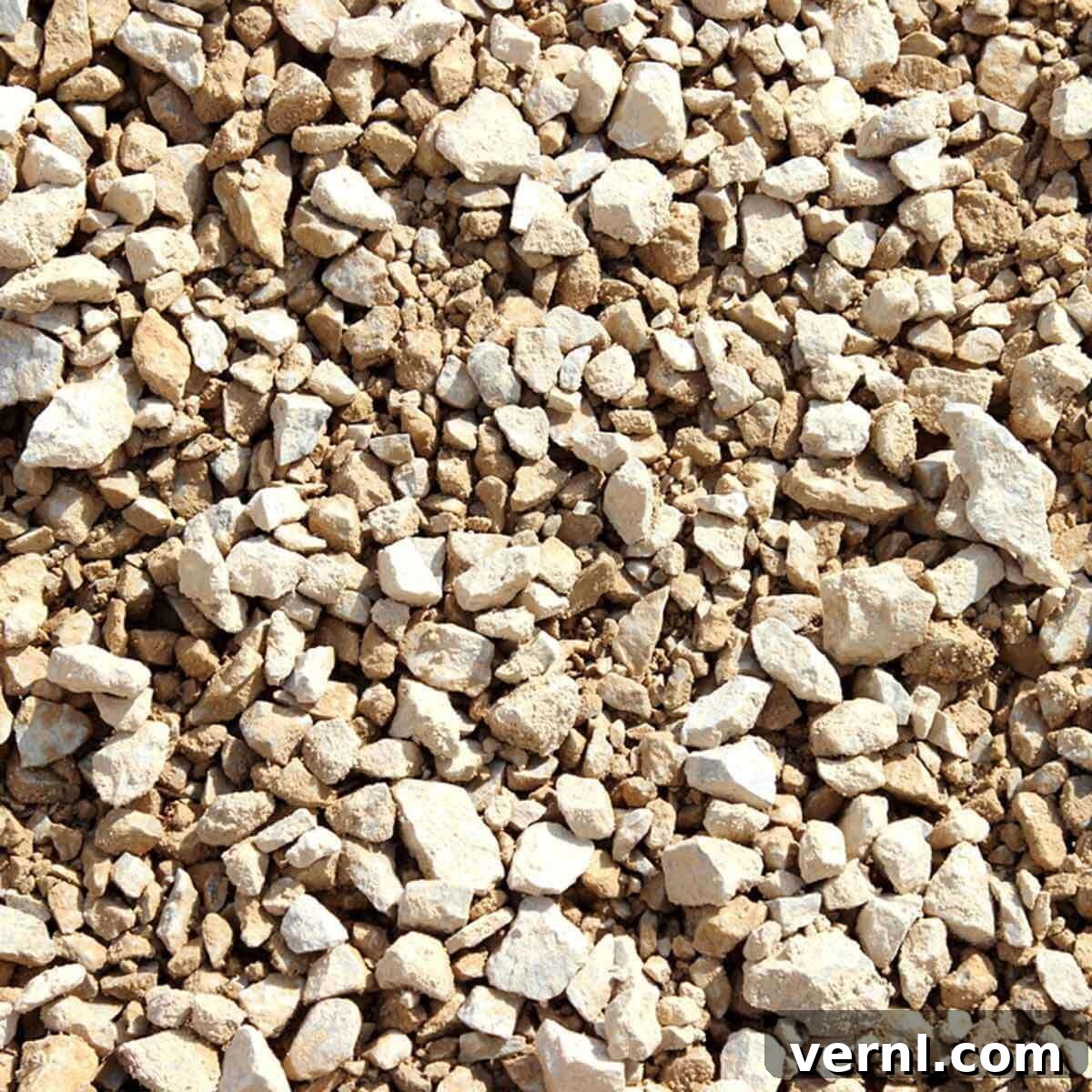
Paver base refers to the foundational layer specifically engineered to be laid beneath pavers for various outdoor hardscape applications, including patios, walkways, and driveways. Its primary composition typically consists of angular, crushed stones that vary in size, often blended with finer aggregates like stone dust. This blend is crucial because it allows the material to interlock and compact tightly, forming an incredibly stable and permeable layer. Unlike ordinary soil or unsuited gravel, paver base is designed with specific load-bearing, drainage, and compaction characteristics in mind, ensuring a robust and long-lasting support system for your pavers.
Why is Paver Base So Crucial? The Functions Explained
A well-installed paver base isn’t just an optional addition; it’s a fundamental requirement for the success and longevity of any paver project. It performs multiple critical functions that directly impact the performance and appearance of your hardscape:
- Ensures a Uniform, Level Surface: Before any pavers are laid, the base provides a perfectly level and consistent plane. This is vital for the aesthetic appeal of the finished surface, preventing unsightly dips, humps, and tripping hazards. A stable base means your pavers will sit evenly, creating a smooth and inviting outdoor area.
- Promotes Superior Drainage: One of the most significant benefits of paver base, especially when composed of crushed stone, is its excellent permeability. It allows water to percolate through the paver system and into the subgrade below, preventing water from pooling on the surface. This is critical for mitigating damage from freeze-thaw cycles, which can cause pavers to heave, crack, and shift. Effective drainage protects the entire hardscape from water erosion and saturation.
- Provides Stability and Prevents Shifting: The interlocked, compacted nature of paver base material offers unparalleled stability. It effectively distributes the weight from foot traffic, furniture, or even vehicles across a wider area, significantly reducing the chances of individual pavers shifting, settling unevenly, or developing ruts over time. This stability is the bedrock of a durable hardscape.
- Separates Pavers from the Subgrade: The paver base acts as a protective barrier between the decorative pavers and the underlying soil (subgrade). This separation is crucial, as it prevents the pavers from sinking into soft soil and minimizes the risk of weeds sprouting directly through the base material, helping to maintain the integrity and cleanliness of your outdoor space.
- Enhances Load-Bearing Capacity: For areas subject to heavy loads, such as driveways, a properly constructed paver base is indispensable. It significantly increases the load-bearing capacity of the entire system, ensuring that your driveway can handle the weight of vehicles without deforming or failing.
Is Paver Base the Same as Gravel? A Clear Distinction
While both paver base and gravel consist of crushed stone, they are not interchangeable, and understanding this distinction is vital for a successful hardscaping project. The difference lies primarily in their composition, particle shape, and intended use:
- Paver Base: This material is specifically engineered for compaction and stability. It typically features a blend of angular, jagged crushed stones of varying sizes, often including finer particles or “fines” (like stone dust). The angularity allows the stones to interlock tightly when compacted, creating a dense, stable, and strong foundation that resists movement. The varied particle sizes fill voids efficiently, maximizing compaction and load distribution.
- Gravel: General gravel, on the other hand, can come in many forms. Often, it consists of more uniformly sized, rounded, or semi-rounded particles. While useful for drainage layers, decorative purposes, or as a sub-base in some applications, gravel typically does not compact as tightly or interlock as effectively as a proper paver base. Its rounded nature allows for more movement between particles, making it less ideal as a primary foundational layer for pavers that require maximum stability. Using regular gravel as a paver base can lead to premature settling, shifting, and an uneven surface.
Therefore, while some gravel products might be *part* of a paver base blend, you should always seek out materials specifically designated as “paver base,” “road base,” or “compactable aggregate” to ensure you’re getting the right product for the job. Gravel is a broad term, and not all gravel is suitable for paver foundations.
Choosing the Right Paver Base: A Detailed Guide to Types
The market offers several types of paver base, each with unique characteristics that make it suitable for different applications and environmental conditions. Selecting the appropriate one is a critical step in ensuring the longevity and quality of your finished hardscape.
- Crushed Stone (Angular Aggregate):
This is arguably the most common and reliable type of paver base. It consists of stones that have been mechanically crushed, resulting in jagged, angular edges. These edges are crucial because they interlock tightly when compacted, creating a highly stable and firm foundation. Common sizes used for paver projects include #57 (approximately 3/4 to 1 inch in diameter) or #67. The angularity and varying particle sizes ensure excellent compaction and drainage. Crushed stone is an excellent choice for most patios, walkways, and even light-duty driveways due to its proven performance and widespread availability.
- Processed Road Base (or Dense Graded Aggregate – DGA):
Often referred to as “road base” or “aggregate base course,” this material is a blend of crushed stone and finer aggregates, including stone dust or “fines.” The smaller particles fill the voids between the larger stones, creating an extremely dense and stable surface when compacted. This blend makes processed road base exceptionally strong and durable, offering superior load-bearing properties. It’s frequently the preferred choice for applications subjected to heavier loads, such as driveways, parking areas, and high-traffic walkways, where maximum stability and resistance to rutting are essential. Its excellent compaction capabilities make it highly resistant to frost heave.
- Recycled Concrete Aggregate (RCA):
An eco-friendly and often more affordable alternative, RCA is produced by crushing reclaimed concrete from demolished buildings, roads, and other infrastructure projects. In terms of performance, RCA functions very similarly to natural crushed stone, providing a firm, stable, and well-draining foundation. Its angular particles compact effectively, making it a viable option for various hardscaping projects. Opting for RCA helps reduce landfill waste and can often lower material costs, making it an attractive choice for environmentally conscious builders and budget-aware homeowners. It’s important to ensure the RCA is clean and free of contaminants.
- Pea Gravel (Limited Application):
Composed of small, smooth, and rounded stones (typically 1/8 to 3/8 inch in diameter), pea gravel is sometimes considered for paver bases. However, due to its rounded nature, pea gravel does not interlock or compact as effectively as angular crushed stone or processed road base. This lack of compaction can lead to instability, shifting pavers, and an uneven surface over time, especially in areas with moderate to heavy traffic. If used, it’s generally recommended only for very light-load areas, purely decorative applications, or as a sub-base layer that is topped with a more stable material like coarse sand or compacted crushed stone to provide adequate support and leveling.
- Coarse Sand (Leveling Bed, Not Primary Base):
While sand alone is typically unsuitable as a primary structural paver base due to its lack of interlocking properties and potential for liquefaction when saturated, a layer of coarse, sharp-edged sand (often referred to as concrete sand or paver sand) is indispensable for the leveling bed. This thin, uniform layer, usually 1 inch thick, is applied over the compacted primary paver base. It allows for precise leveling and minor adjustments of individual pavers, creating a perfectly smooth surface before the pavers are set. The angular grains of coarse sand facilitate optimal compaction within this shallow layer and help “seat” the pavers securely.
- Geotextile Fabric (Optional, but Highly Recommended):
Although not a paver base material itself, geotextile fabric (also known as landscape fabric or filter fabric) plays a vital role when installed beneath the main paver base. This permeable fabric acts as a barrier, preventing the mixing of the paver base material with the underlying soil (subgrade). This separation is crucial, especially in areas with unstable or clay-rich soils, as it prevents the migration of soil particles into the base, which can compromise its drainage and structural integrity over time. Geotextile fabric also helps stabilize the subgrade, reduces the risk of settling, and can inhibit weed growth. It’s an inexpensive addition that significantly enhances the long-term performance of your hardscape.
When making your selection, consider factors such as the expected load (pedestrian vs. vehicular), your local soil conditions, climate (especially freeze-thaw cycles), budget, and the desired longevity of the finished hardscape. Consulting with local landscape suppliers or experienced hardscapers can provide invaluable insights into the best material for your specific project.
The Layered Approach: Paver Base and Paver Sand Working Together
Understanding the distinct roles of paver base and paver sand is fundamental to a successful paver installation. While both are critical, they serve different, complementary purposes within the layered hardscape system:
- Paver Base: The Structural Backbone: As established, the paver base is the primary structural layer. It’s the thickest component (typically 4-12 inches, depending on the application), laid directly over the prepared and compacted subgrade (often with geotextile fabric in between). Its main job is to provide robust support, excellent drainage, and long-term stability for the entire paver system, distributing loads evenly and preventing settling or shifting.
- Paver Sand (Bedding Layer): The Precision Leveler: Applied in a thin layer (usually 1 inch) directly on top of the thoroughly compacted paver base, the paver sand (also known as bedding sand or concrete sand) serves as the precision leveling material. This layer allows you to make minute adjustments to each paver, ensuring a perfectly flat and even surface across your entire patio or walkway. It provides a cushion for the pavers, helping to prevent friction and minor cracking, and allows for minor drainage of water that penetrates the paver joints.
- Joint Sand (Polymeric Sand): The Final Lock: After the pavers are laid and compacted, a final layer of sand, often polymeric sand, is swept into the joints between the pavers. This sand is then wetted, causing polymers to bind the sand particles together and to the paver edges, creating a flexible, yet solid, bond. Joint sand locks the pavers in place, preventing lateral movement, inhibiting weed growth, and deterring insect infestation, adding a crucial layer of stability and low maintenance.
These three layers — paver base, bedding sand, and joint sand — work in synergy to create a resilient, functional, and beautiful hardscape that will withstand the elements and heavy use for decades. Neglecting any of these layers can compromise the entire project.
Installation Best Practices for Your Paver Base
Even with the right materials, poor installation can undermine the integrity of your paver base. Adhering to best practices is crucial:
- Proper Excavation and Grading: Dig out the area to the correct depth, ensuring sufficient space for the subgrade, geotextile fabric (if used), paver base, bedding sand, and the pavers themselves. Grade the subgrade with a slight slope (typically 1-2%) away from structures to ensure proper surface water drainage.
- Subgrade Compaction: Before laying any base material, the underlying soil (subgrade) must be thoroughly compacted. Use a plate compactor to achieve a firm, stable foundation.
- Layered Application and Compaction: Paver base should be applied in lifts, typically 2-4 inches at a time, depending on the material and compactor size. Each lift must be thoroughly compacted with a vibratory plate compactor. Do not attempt to compact a thick layer all at once, as this will result in uneven density and future settling.
- Moisture Content: The paver base material should have an optimal moisture content for compaction. It should be damp, but not saturated. Too dry, and it won’t compact; too wet, and it will be spongy.
- Edge Restraints: Install sturdy edge restraints (such as plastic, concrete, or metal) around the perimeter of your paver area before the final layer of bedding sand and pavers. These restraints are essential for containing the paver base and bedding sand, preventing lateral movement and ensuring the long-term stability of your entire hardscape.
How Much Paver Base Do You Need? Calculating Your Requirements
Accurately calculating the amount of paver base needed is vital to avoid unnecessary costs or frustrating delays. The quantity depends on the total area of your project and the desired depth of the base layer. Generally, for pedestrian areas like patios and walkways, a compacted base of 4-6 inches is recommended. For driveways or areas with heavier loads, a base depth of 6-12 inches might be necessary.
Calculation Steps:
- Measure Area: Determine the length and width of your project area in feet. Multiply these values to get the total square footage (Length x Width = Area in sq ft).
- Convert Depth to Feet: Decide on your desired compacted base depth in inches (e.g., 6 inches). Divide this by 12 to convert it to feet (e.g., 6 inches / 12 = 0.5 feet).
- Calculate Volume: Multiply the area (in sq ft) by the depth (in feet) to get the total volume in cubic feet (Area x Depth = Volume in cu ft).
- Convert to Cubic Yards: Since paver base is often sold by the cubic yard, divide your cubic footage by 27 (there are 27 cubic feet in 1 cubic yard).
Example: For a 20ft x 15ft patio with a 6-inch base:
- Area: 20ft x 15ft = 300 sq ft
- Depth in feet: 6 inches / 12 = 0.5 feet
- Volume in cubic feet: 300 sq ft x 0.5 ft = 150 cu ft
- Volume in cubic yards: 150 cu ft / 27 = 5.56 cubic yards
Important Considerations:
- Compaction Factor: Always account for compaction. The material will compact, so you’ll generally need about 10-20% more material than your initial calculation suggests. For example, if you need 5.56 cubic yards, consider ordering around 6-6.5 cubic yards to be safe.
- Order Extra: It’s always better to have a little extra material than to run short in the middle of a project. Ordering 10-15% extra is a wise precaution for any miscalculations or unforeseen adjustments.
How Much Does Paver Base Cost?
The cost of paver base can fluctuate significantly based on several factors, including your geographic region, the specific type of material chosen, whether you purchase in bulk or by the bag, and current market prices. Generally, prices for bagged paver base can range from $5 to $8 per 0.5 cubic feet bag. However, for larger projects, purchasing in bulk (by the cubic yard or ton) is far more cost-effective.
Bulk pricing for standard crushed stone or processed road base can range from $25 to $60 per cubic yard, sometimes more depending on delivery fees and local quarry prices. Recycled Concrete Aggregate (RCA) may sometimes be slightly less expensive. To get the most accurate and up-to-date pricing for your specific needs, it is highly recommended to check with local landscaping supply companies, quarries, or home improvement stores in your area. Don’t forget to factor in delivery charges, which can add a significant amount to the total cost, especially for large quantities.
The Indispensable Investment in Your Hardscape
In the realm of DIY hardscaping, the quality of your foundation truly determines the longevity, appearance, and overall satisfaction derived from your finished project. The paver base, though concealed beneath layers of sand and pavers, is the instrumental layer that ensures a stable, well-drained, and consistently level surface. It is the hidden strength that prevents common issues like shifting, cracking, and uneven settling, safeguarding your investment and effort.
Approaching your paver project with a thorough understanding of paver base — its types, functions, and proper installation — is the mark of a meticulous and forward-thinking homeowner. So, as you embark on your next outdoor project, remember that the attention and care you dedicate to this foundational layer will pay dividends in the form of a beautiful, durable, and low-maintenance outdoor living space that you can enjoy for decades to come. Don’t skimp on the base; it’s the bedrock of a successful hardscape.