Mastering Yellow Flower Weed Control: A Comprehensive Guide for a Pristine Lawn
Weeds are tenacious opportunists, constantly seeking vulnerabilities in your lawn to germinate and thrive. When grass becomes thin, weak, or stressed, it creates an inviting environment for these unwelcome invaders. Among the most noticeable and persistent culprits are weeds that display vibrant yellow flowers, transforming an otherwise green landscape into a speckled canvas of undesirable color. Common examples include the ubiquitous dandelion and the tenacious ragwort, often characterized by their deep, robust root systems that make eradication a challenging endeavor for many homeowners.
Achieving a lush, healthy, and weed-free lawn hinges on a proactive approach to turf management. The most effective defense against weeds of any hue is maintaining a dense, vigorous stand of grass. Joe Churchill, a Senior Turf Specialist at Reinders, emphasizes, “Moderately fertilizing your lawn two, maybe three times per season, and overseeding thin areas with a quality grass seed mix regularly, are crucial steps.” Beyond nutrition, consistent and proper watering is vital, as is adhering to the “one-third rule” when mowing, which suggests never removing more than one-third of the blade height at once to minimize stress and promote healthier growth. For existing infestations, selective herbicides can be a targeted solution to effectively remove yellow-flowered weeds from your lawn without harming the surrounding grass.
Understanding Yellow Flower Weeds: A Common Lawn Invader
While many plants with yellow flowers might bring joy to a garden, when they appear uninvited in your lawn, they are typically a sign of a looming problem. These weeds are adept at colonizing open spaces and can quickly outcompete desirable turf grasses. Identifying the specific type of yellow-flowered weed is the first step toward effective management, as different species may respond better to particular control methods.
The Ubiquitous Dandelion: King of Yellow Weeds
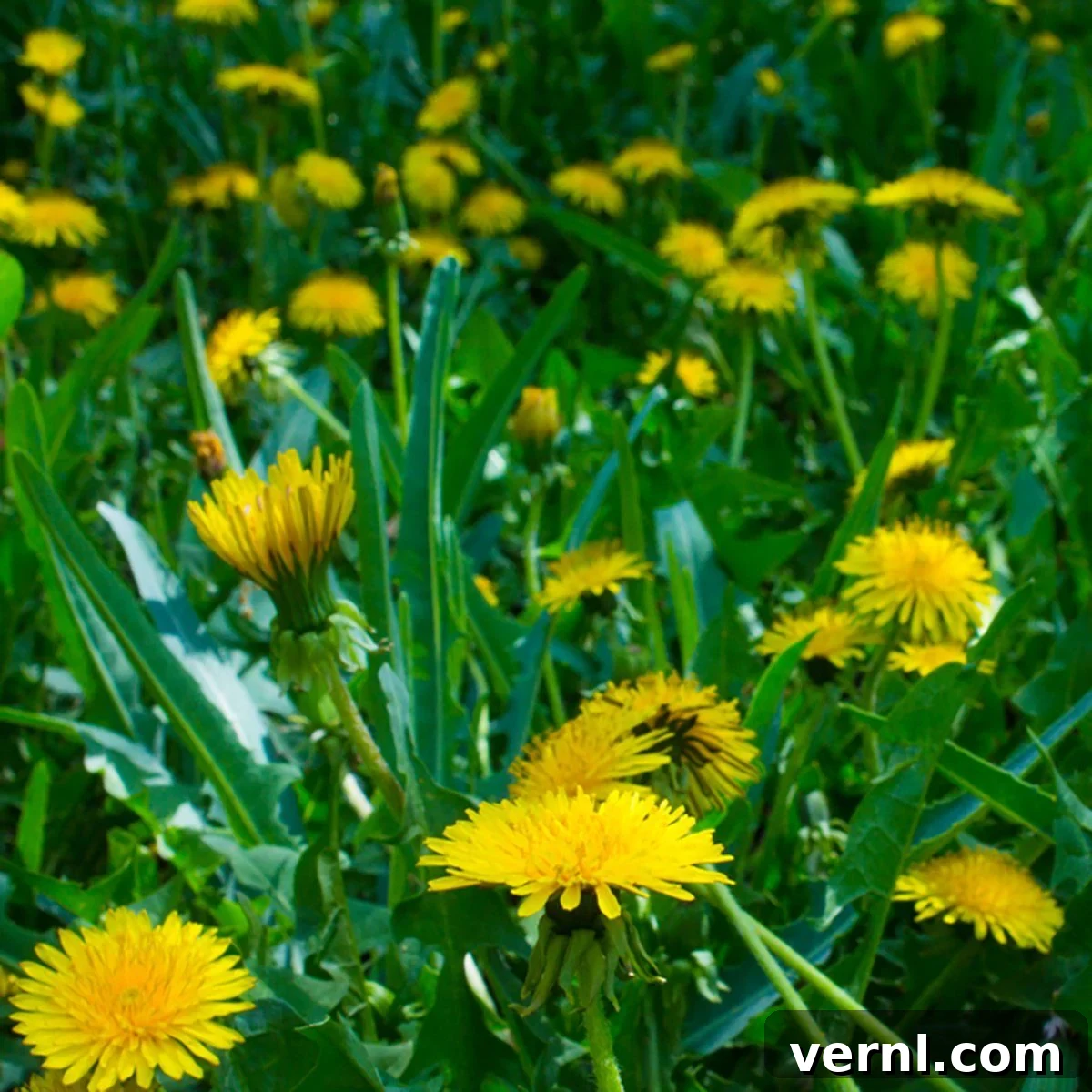
Among all the yellow-flowered weeds, the common dandelion (Taraxacum officinale) reigns supreme as the most recognizable and widespread. Found in every state across the U.S. and most of Canada, this resilient plant is a perennial weed, meaning it will return year after year if its presence goes unchecked. Dandelions typically emerge early in the spring, their bright yellow blossoms appearing as soon as temperatures permit, often turning entire lawns into a sea of yellow at their peak. However, this vibrant display is short-lived. The flowers quickly transition into characteristic fuzzy, spherical seed heads, which are incredibly efficient at dispersing hundreds of seeds across your lawn and beyond, perpetuating their cycle of invasion. Their deep taproots, which can extend several inches into the soil, make manual removal particularly challenging without the right tools and technique.
Beyond Dandelions: Other Yellow-Flowered Intruders
While dandelions are the most common, several other broadleaf weeds also exhibit yellow flowers and can pose significant problems for lawns and gardens. Recognizing these additional culprits is key to comprehensive weed management:
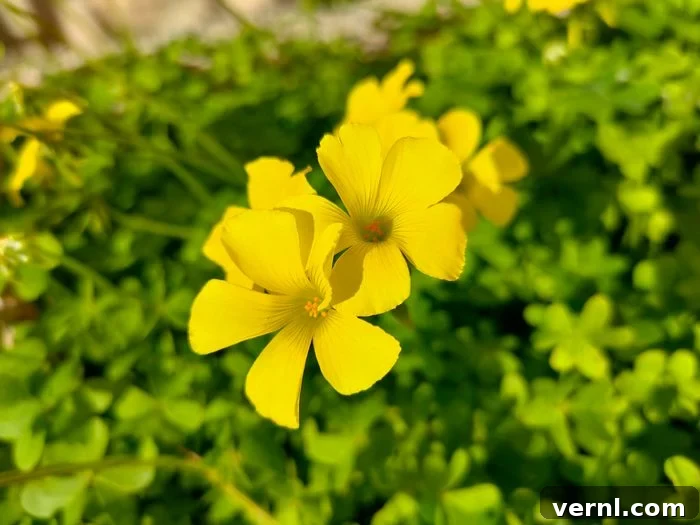
- Oxalis (Yellow Woodsorrel): Often mistaken for clover due to its heart-shaped leaves, oxalis produces small, delicate yellow flowers and spreads rapidly. It can be particularly persistent, reproducing not only by seed but also through underground rhizomes, making it a formidable adversary in both lawns and flowerbeds.
- Purslane: This succulent-like weed has thick, fleshy leaves and stems, and produces tiny yellow flowers. It thrives in hot, dry conditions and can spread quickly, rooting from any stem fragment that touches the soil. Its resilience makes it difficult to control once established.
- Common Ragwort: Known for its clusters of daisy-like yellow flowers, ragwort is a biennial or short-lived perennial weed. While it can be quite attractive, it is highly toxic to livestock, making its presence in pastures or areas frequented by animals a serious concern.
- Annual Snow Thistle: This lesser-known weed can also feature yellow flowers and prefers disturbed soils. Like other annuals, its primary mode of reproduction is through seed, so preventing it from flowering is critical for control.
- Black Medic: Another clover-like plant with small yellow flowers, black medic is an annual weed that can quickly spread across lawns, especially in nutrient-poor or compacted soils. It forms low-growing patches and can compete aggressively with turfgrass.
Why Yellow Flower Weeds Are More Than Just an Eyesore
While a field of dandelions might evoke a sense of nostalgic beauty for some, and many yellow-flowered weeds do provide valuable nectar for pollinators, their unchecked presence can spell trouble for the health and appearance of your lawn and garden. Their detrimental effects extend beyond aesthetics, impacting soil health, competing with desirable plants, and in some cases, posing risks to animals.
The Battle Beneath the Surface: Deep Root Systems
One of the primary reasons yellow flower weeds are so challenging to control is their robust and often deep root systems. As noted by Lawn Phix, these deep roots make them “difficult to control once they invade lawns or flower beds.” Dandelions, for instance, possess a powerful taproot that can reach depths of several inches, drawing water and nutrients away from your grass. Other weeds like oxalis, with its network of rhizomes, can quickly spread underground, making complete removal a daunting task. These extensive root systems not only anchor the plant firmly but also disrupt the soil structure and compete fiercely for essential resources, weakening your turf.
Rapid Reproduction and Relentless Return
The ability of many yellow-flowered weeds to reproduce quickly and efficiently is another significant problem. As Churchill points out, “Most broadleaf weeds, like dandelions, are perennial weeds,” meaning they have the capacity to return year after year. Dandelions are infamous for their fluffy seed heads, which allow their seeds to be carried by the wind over long distances, ensuring new generations sprout continuously. Other weeds, like purslane, can root from small stem fragments, making cultivation or tilling a potential means of spreading rather than controlling them. This relentless cycle of germination and regrowth means that a small infestation can quickly escalate into a widespread problem if not addressed promptly.
Potential Hazards: Toxicity and Allergies
Beyond their impact on lawn aesthetics and health, some yellow-flowered weeds can pose direct risks. Common ragwort, for example, is highly toxic to certain livestock, including horses and cattle. Ingesting even small amounts of this plant can lead to severe health issues or even death in animals, making its control in pastures or near animal enclosures absolutely critical. While less common for these specific weeds, any flowering plant releases pollen, and some individuals may experience allergic reactions, though typically broadleaf weed pollen is less allergenic than grass or tree pollen.
Strategic Approaches to Eliminating Yellow Flower Weeds
Tackling yellow flower weeds requires a multi-pronged approach, combining immediate removal strategies with long-term prevention. The method you choose will often depend on the severity of the infestation, the specific weed type, and your personal preference for chemical versus organic solutions.
The Hands-On Method: Manual Removal Techniques
For smaller infestations or those who prefer to avoid chemical treatments, manual removal remains a highly effective option, particularly for weeds with prominent taproots like dandelions. “If you don’t mind a bit of physical work, go ahead and pull them or dig them out of the ground,” advises Churchill. This task is significantly easier and more successful after a rainfall or thorough watering when the ground is soft, allowing for easier extraction of the entire root system. A specialized digging tool, such as a dandelion weeder or a narrow trowel, is invaluable for getting underneath the taproot and lifting it out intact. If even a small fragment of the taproot remains, the dandelion can regenerate. For other weeds like black medic, oxalis, and purslane, hand-pulling is also viable, but similar to dandelions, ensuring the complete removal of all roots or runners is crucial to prevent regrowth.
Natural and Organic Weed Control Solutions
For those seeking alternatives to conventional herbicides, several home remedy solutions can be surprisingly effective on certain weeds, especially when applied diligently and precisely. These methods work by desiccating the plant, changing the soil pH, or physically damaging the plant cells:
- Hot Water: Pouring boiling water directly onto weeds can effectively kill them by scalding the plant tissue. This method is best for isolated weeds or those in cracks and crevices, as it can harm surrounding desirable plants.
- Vinegar: Horticultural vinegar (acetic acid) is a potent non-selective herbicide that can quickly dry out and kill weeds. Household vinegar (5% acetic acid) is less potent but can still be effective on young, tender weeds. Apply directly to the foliage on a sunny day for best results, being careful to avoid contact with desired plants.
- Epsom Salts: A mixture of Epsom salts, dish soap, and vinegar can be used as a weed killer. The salt helps draw moisture out of the plant, while the soap acts as a spreader, helping the mixture adhere to the leaves.
- Dish Soap: When added to other natural remedies, dish soap acts as a surfactant, breaking down the waxy cuticle on weed leaves and allowing the active ingredients to penetrate more effectively.
While these methods can be effective, they often require multiple applications and are typically non-selective, meaning they will kill any plant they come into contact with. Always test in a small area first and apply carefully.
Employing Chemical Herbicides Wisely
For widespread infestations or when manual and organic methods prove insufficient, selective chemical herbicides offer an efficient solution. Dandelions and most other broadleaf yellow-flowered weeds are relatively easy to kill with consumer herbicides specifically labeled for broadleaf weeds. These products are designed to target weeds without harming common turfgrasses. It is paramount to “always follow label directions when applying herbicides,” as Churchill advises. This includes proper mixing ratios, application rates, safety precautions (wearing gloves, eye protection), and recommended environmental conditions (temperature, wind, rain). Applying herbicides at the correct time of year, often in the fall or early spring when weeds are actively growing, maximizes their efficacy.
Long-Term Prevention: Cultivating a Resilient, Weed-Free Lawn
The best defense against yellow flower weeds, and indeed all weeds, is a strong, healthy lawn. Weeds need space to grow, and a dense, vigorous turf leaves them no opportunity to take root. Implementing proper lawn care practices not only helps eliminate existing weeds but also creates an environment where they struggle to return.
The Foundation of Lawn Health: Proper Mowing, Watering, and Fertilization
Responsible lawn care is the cornerstone of weed prevention. Adopting correct practices for mowing, watering, and fertilizing will significantly boost your lawn’s health and density:
- Mowing: Always mow at the highest recommended height for your grass type, typically between 2.5 to 3.5 inches. Taller grass shades the soil, keeping it cooler and inhibiting weed seed germination. Remember the “one-third rule” – never remove more than one-third of the grass blade at any one time, as this stresses the lawn and makes it more susceptible to weed invasion. Keep mower blades sharp to ensure a clean cut, which promotes faster healing and healthier growth.
- Watering: Implement a deep and infrequent watering schedule. Instead of light, daily sprinklings, water deeply two or three times a week (depending on climate and grass type). This encourages grass roots to grow deeper, making the turf more resilient to drought and better able to compete with weeds, whose roots often stay closer to the surface.
- Fertilization: A consistent and balanced fertilization program provides your lawn with the nutrients it needs to grow thick and strong. Fertilize two to three times per season, typically in spring, late summer, and fall, using a quality slow-release fertilizer. This ensures a steady supply of nutrients, promoting robust growth that crowds out weeds.
Overseeding and Aeration: Strengthening Your Turf
Beyond routine care, specific practices can further enhance your lawn’s density and vigor:
- Overseeding: Regularly overseeding thin areas with a high-quality grass seed mix introduces new, healthy grass plants that fill in bare spots. This increased density acts as a natural barrier, physically preventing weed seeds from reaching the soil and germinating.
- Aeration: Lawn aeration, the process of removing small plugs of soil, improves air, water, and nutrient penetration to the root zone. This fosters deeper, stronger root growth, making your grass more robust and less susceptible to weed invasion, especially in compacted soils where weeds often thrive.
Pre-Emergent Herbicides: Stopping Weeds Before They Start
For persistent weed problems, especially those caused by annual weeds or new weed seed germination, pre-emergent herbicides can be a highly effective preventive measure. These products work by creating a chemical barrier in the soil that prevents weed seeds from germinating. They are most effective when applied in early spring, before weed seeds have a chance to sprout. This approach stops weeds before you even see them, significantly reducing the overall weed pressure on your lawn.
In addition to all these cultural practices, “if you have a large lawn or lots of weeds, treating them with a herbicide may be your best option,” Churchill reiterates. “Remember to always follow the herbicide label” for safety and effectiveness.
Frequently Asked Questions About Yellow Flower Weeds
How can I tell if a yellow-flowered plant is a weed or a wildflower?
Distinguishing between a yellow-flowered weed and a desirable wildflower can sometimes be tricky, as both can have similar appearances. The key lies in understanding their growth habits, origins, and impact on your cultivated landscape. Wildflowers are typically native plants, adapted to their local ecosystem, and often contribute positively to biodiversity without being overly aggressive. Weeds, conversely, are generally non-native or invasive species that aggressively compete with desirable plants for resources, spread rapidly, and disrupt the intended aesthetic or ecological balance of your garden or lawn. To confidently determine a plant’s identity, pay close attention to several clues: its growth and spreading habits (is it aggressively colonizing space?), leaf shape, size, color, and how it fits into its surrounding environment. Utilizing plant identification websites or mobile applications like PlantSnap can also be incredibly helpful resources for accurate identification.
What’s the best time to deal with yellow flower weeds?
The optimal timing for dealing with yellow flower weeds depends on whether you are aiming for prevention or eradication. For preventive measures, early spring is generally the best time to apply pre-emergent herbicides, before weed seeds have a chance to germinate and sprout. This stops the problem before it starts. For actively growing weeds, such as dandelions that have already flowered, post-emergent herbicides are most effective when applied during periods of active growth, typically in the spring and fall when temperatures are moderate. Manual removal can be done anytime, but it is easiest after rain when the soil is soft. Always target weeds before they go to seed to prevent future generations.
Meet Our Expert: Joe Churchill
- Joe Churchill is a highly respected Senior Turf Specialist for Reinders, a prominent distributor of comprehensive lawn care products and solutions throughout the Midwest. With a certification in Turf Management and an impressive career spanning over 25 years in the turfgrass industry, Joe brings a wealth of practical experience and specialized knowledge to the field, making his insights invaluable for maintaining healthy, weed-free lawns.