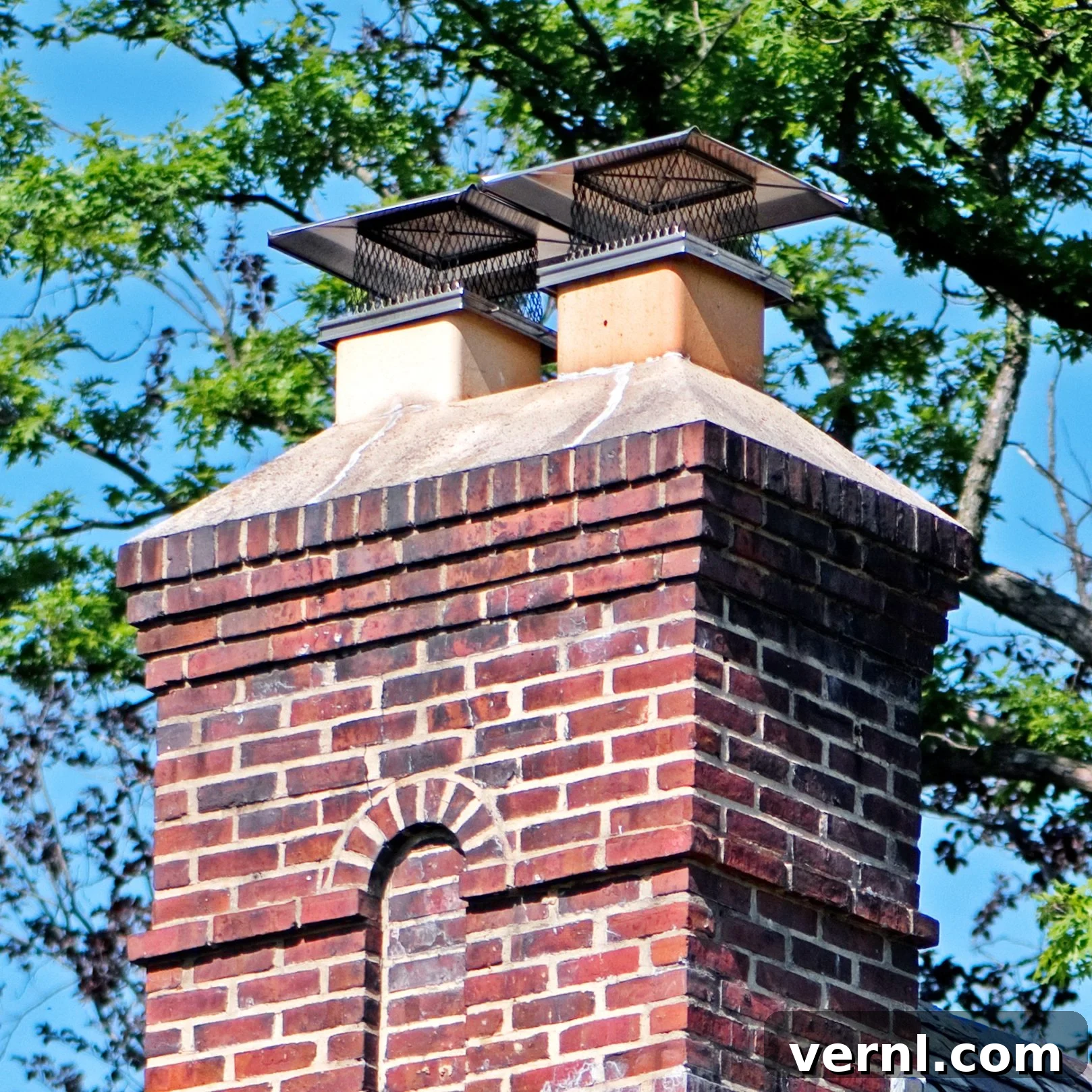
For centuries, the hearth has been the heart of the home, providing warmth, light, and a place for cooking. As residential architecture evolved in Europe to embrace multi-story dwellings, the central open hearth gave way to fireplaces thoughtfully integrated into walls and corners. This architectural shift brought with it the necessity of masonry chimneys, extending vertically through the roofline to safely vent smoke and combustion byproducts. Subsequently, a crucial, yet often overlooked, component emerged: the chimney cap. While not always the first element homeowners consider, a well-maintained chimney cap is absolutely fundamental to the proper functioning, safety, and longevity of any fireplace system.
What Exactly Is a Chimney Cap?
A chimney cap is a protective fixture, typically constructed from durable metal, designed to cover the uppermost opening of a chimney flue. It is strategically positioned atop the masonry structure known as the chimney crown or crown cap, which forms the protective concrete or stone slab at the very top of the chimney stack.
The chimney flue itself is an inner lining, often made of metal or clay tile, inserted within the main body of the chimney to create a smooth, efficient pathway for smoke and gases. This flue liner usually extends a few inches—typically two to six—above the chimney crown. The chimney cap then sits over this extended flue, or in some designs, over the entire crown, acting as a miniature roof. Chimney caps come in various aesthetic styles, from simple flat designs to round, peaked, or even more elaborate multi-sided constructions, each serving the primary purpose of shielding the chimney’s interior from external elements. Common materials include galvanized steel, stainless steel, and copper, each offering different levels of durability and aesthetic appeal.
The Indispensable Role of a Chimney Cap: Why Every Chimney Needs One
Often underestimated, chimney caps are true multitaskers, serving a multitude of critical functions that safeguard your home, improve fireplace efficiency, and protect the structural integrity of your chimney. Russ Dimmitt, director of education for the Chimney Safety Institute of America, aptly describes their multifaceted importance. Ignoring their presence or condition can lead to significant problems, from fire hazards to costly repairs and even compromised indoor air quality. Let’s delve deeper into these essential roles:
- A Vital Spark Arrester: One of the primary safety features of a chimney cap is its integrated screen, which acts as a spark arrester. As flames flicker and wood burns, tiny embers and hot sparks can be carried upwards with the rising smoke. Without a cap, these incandescent particles could easily escape the chimney and land on combustible materials like dry leaves on your roof, surrounding trees, or even other parts of your yard, posing a serious fire risk. The fine mesh screen of a chimney cap effectively traps these dangerous sparks, preventing them from igniting anything outside your chimney and ensuring your home and property remain safe. This seemingly simple feature is a frontline defense against chimney-related fires.
- An Essential Water Barrier: As Dimmitt emphasizes, “water is the biggest enemy of masonry.” Your chimney is constantly exposed to the elements, and rain, snow, and ice can wreak havoc on its structure. A chimney cap acts as the sole overhead protection, preventing precipitation from directly entering the flue. Without this barrier, water can seep into the masonry, leading to a destructive freeze/thaw cycle. During colder months, absorbed water expands as it freezes, causing cracks, spalling (flaking of masonry), and eventual structural degradation of the chimney. Furthermore, water mixing with creosote and soot inside the flue creates a highly corrosive, acidic residue that can further damage the chimney liner and mortar joints over time, accelerating deterioration. In severe cases, unchecked water intrusion can even travel down the chimney and cause significant damage to interior elements of your home, including ceilings, walls, and vital wood framing, leading to expensive repairs and potential mold growth.
- A Robust Debris Blocker: Nature’s elements can bring more than just water. A strong storm can send tree branches, leaves, nesting materials, and other assorted debris tumbling down your chimney flue. Such blockages are not just inconvenient; they are extremely dangerous. A partially or fully blocked flue can impede the proper ventilation of smoke and toxic gases, forcing them back into your home. This can lead to a phenomenon known as backdrafting, filling your living space with smoke and, more perilously, invisible, odorless carbon monoxide—a deadly gas. A screened chimney cap serves as an effective barrier, keeping unwanted debris out and ensuring a clear, safe exhaust path for your fireplace.
- A Crucial Critter Deterrent: Chimneys, especially when not in active use, present an incredibly inviting habitat for various wildlife. Birds often build nests within flues, squirrels seek shelter, and raccoons, bats, and other small animals might attempt to enter for warmth or protection. These unwelcome guests can cause a host of problems. Animals can become stuck, leading to distressing noises, unpleasant odors from decay, and potential blockages. Nests can become significant fire hazards if a fire is lit, and animal droppings can carry diseases and parasites. A chimney cap with an intact, sturdy screen effectively blocks animals from entering, preserving the sanctity of your flue and preventing these unsanitary and hazardous situations.
Exploring the Diverse Types of Chimney Caps
The market offers a variety of chimney cap styles, each designed to meet specific needs and aesthetic preferences. The choice often comes down to the number of flues your chimney has, its exposure to wind, and the overall look you desire. Understanding the different types will help you select the most appropriate cap for your home.
-
Single Flue Mount (Inner or Outer Mounting) Chimney Caps: These are among the most common types for chimneys with a single flue.
- Inner-mounting caps typically slide into the flue liner and are secured with a pressurized spring mechanism or bolts that expand to grip the inside of the flue. They are often a simple, quick solution for standard round or square flues.
- Outer-mounting caps attach to the exterior of the flue tile using clamps or self-driving screws. They offer a secure fit and are ideal when the flue’s interior might be irregular or inaccessible. Both types ensure a snug fit, preventing movement even in strong winds.
- Multi-Flue / Top-Mount Chimney Caps: As the name suggests, these caps are designed to cover the entire chimney crown, making them perfect for chimneys that house more than one flue. Instead of attaching to individual flues, they are secured directly to the masonry of the chimney crown. A single, larger cap covers all flues simultaneously, providing comprehensive protection against water, debris, and animals for the entire top of the chimney. This design is often preferred for its clean aesthetic and superior protection of the chimney crown itself.
- Wind-Directional (or Draft-Inducing) Chimney Caps: For chimneys situated in exceptionally windy areas or those struggling with persistent downdrafts, wind-directional chimney caps are an excellent solution. These specialized caps feature a swivel design that allows them to rotate with the wind, ensuring that the cap’s opening is always facing away from the prevailing wind. This design helps to mitigate downdrafts caused by wind gusts, which can push smoke back into the house. Some models also employ a venturi effect to actively enhance the updraft, improving fireplace performance and reducing smoke spillage.
- Air-Cooled Chimney Caps: Specifically designed for certain types of factory-built metal chimneys, air-cooled chimney caps are constructed to fit chimneys that feature an inner flue surrounded by an air chamber. This design aids in the proper ventilation and cooling of the chimney system, which is critical for the safe operation of these prefabricated units. It’s crucial to use the manufacturer-specified cap for air-cooled chimneys to ensure proper system performance and fire safety.
- Top-Sealing Damper Caps: While technically a damper, these units often combine the function of a cap with an energy-saving damper. Installed at the top of the chimney, they feature a tight-sealing lid that can be opened when the fireplace is in use and closed when it’s not. This provides an excellent seal against heat loss (or gain) through the chimney when the fireplace is inactive, offering superior energy efficiency compared to traditional throat dampers. They also include the standard mesh screen for spark arresting and critter deterrence.
Maintaining Your Chimney Cap for Longevity and Performance
One of the great advantages of a quality chimney cap is its relatively low maintenance requirements. As Russ Dimmitt points out, “Chimney caps typically require very little maintenance, especially if you have a stainless steel or copper chimney cap, which will not deteriorate with weather.” These premium materials are highly resistant to rust and corrosion, ensuring a long service life with minimal intervention.
However, “low maintenance” does not mean “no maintenance.” Regular, albeit simple, checks are essential to ensure your chimney cap continues to perform its vital functions. Dimmitt advises that maintenance primarily involves making sure that leaves, twigs, bird nests, and other debris haven’t accumulated around or on the cap, potentially blocking the flue or the cap’s mesh. A visual inspection from the ground with binoculars can often reveal such issues. If you have a wind-directional cap, ensure its moving parts swivel freely and are not seized or damaged. Critically, always check the integrity of the mesh screen for any holes, tears, or signs of deterioration where small animals might gain entry or sparks might escape.
The ideal time for routine maintenance and cleaning, including checking your chimney cap, is during the spring or early summer. This timing aligns perfectly with when you typically maintain your entire fireplace system after the heating season. Dimmitt notes that professional chimney sweeps are generally more available during these months. Furthermore, conducting inspections and any necessary repairs before the colder months arrive allows ample time for professional services to address any discovered issues, such as minor rust, loose fittings, or screen damage, ensuring your chimney is ready for safe and efficient operation when you need it most. If you plan on climbing onto your roof for a hands-on inspection, prioritizing safety with appropriate gear and caution is paramount.
When to Consider a Chimney Cap Replacement
While high-quality stainless steel or copper chimney caps are designed for exceptional durability and often come with lifetime warranties, they are not impervious to damage or the effects of time. Dimmitt explains that these robust materials should last for many years, but other types, such as galvanized or painted steel caps, have a shorter lifespan. A clear indicator that a galvanized or painted cap needs replacement is the appearance of rust stains streaking down the chimney masonry below the cap. This rust is a tell-tale sign of corrosion and structural weakening of the cap itself, compromising its protective abilities.
Beyond material degradation, physical damage can also necessitate a chimney cap replacement. Severe weather events, such as strong winds, hail, or the impact from fallen tree branches, can bend the cap’s structure, tear its mesh screen, or dislodge it entirely. Even if the damage seems minor, a compromised cap can no longer effectively prevent sparks, water, debris, or animals from entering the flue. Dimmitt notes that often, significant damage should be discernible from the ground with a careful visual inspection. Any bent or missing components, a warped structure, or visible holes in the mesh are clear signals that your chimney cap is no longer providing adequate protection and requires prompt replacement to restore your chimney’s safety and functionality.
Chimney Cap Installation: DIY vs. Professional Expertise
Installing a chimney cap can range from a relatively straightforward DIY task to a job best left to professionals, depending on your comfort level with heights, your experience with tools, and the specific type of cap and chimney you have.
-
DIY-Friendly Options: For homeowners who are comfortable climbing ladders and safely navigating a roof, the installation of certain chimney caps can be a basic DIY project.
- Single Flue Clamp-On Caps: Many chimney caps designed to attach to the inside or outside of a metal flue come with a simple, built-in mechanism for installation. These often involve clamps, bolts, or pressure springs that secure the cap firmly to the flue. In most cases, a screwdriver or a wrench will be the only tools you need. It’s crucial to accurately measure your flue’s dimensions to ensure you purchase the correct size cap for a snug and secure fit.
- Top-Mount Caps for Masonry Crowns: For caps that attach directly to the masonry of the chimney crown, the process is slightly more involved. You will typically need a power drill equipped with a masonry bit to create pilot holes in the crown. The cap is then secured using appropriate masonry screws. Once the cap is securely fastened, it is highly recommended to apply a bead of high-quality silicone caulk around the base where the cap meets the crown. This crucial step creates a watertight seal, preventing any moisture from seeping underneath the cap and compromising the crown or the chimney’s interior.
- Why Professional Installation is Often Recommended: Despite the apparent simplicity of some installations, Russ Dimmitt strongly recommends professional installation. A certified chimney and fireplace specialist brings invaluable expertise to the table. They can accurately assess your chimney’s unique structure, flue type, and exposure conditions to recommend the best-suited chimney cap. Professionals are also equipped with the right safety gear and tools to work safely at heights, minimizing risks. More importantly, they can ensure the cap is installed securely and correctly, creating a proper seal that guarantees optimal protection against water intrusion, debris, and animal entry. Furthermore, during the installation process, a professional might identify other underlying chimney issues, such as damaged masonry, flue liner cracks, or creosote buildup, which could then be addressed proactively, preventing more serious and costly problems down the line. Investing in professional installation provides peace of mind, knowing your chimney cap is correctly chosen, safely installed, and effectively protecting your home.