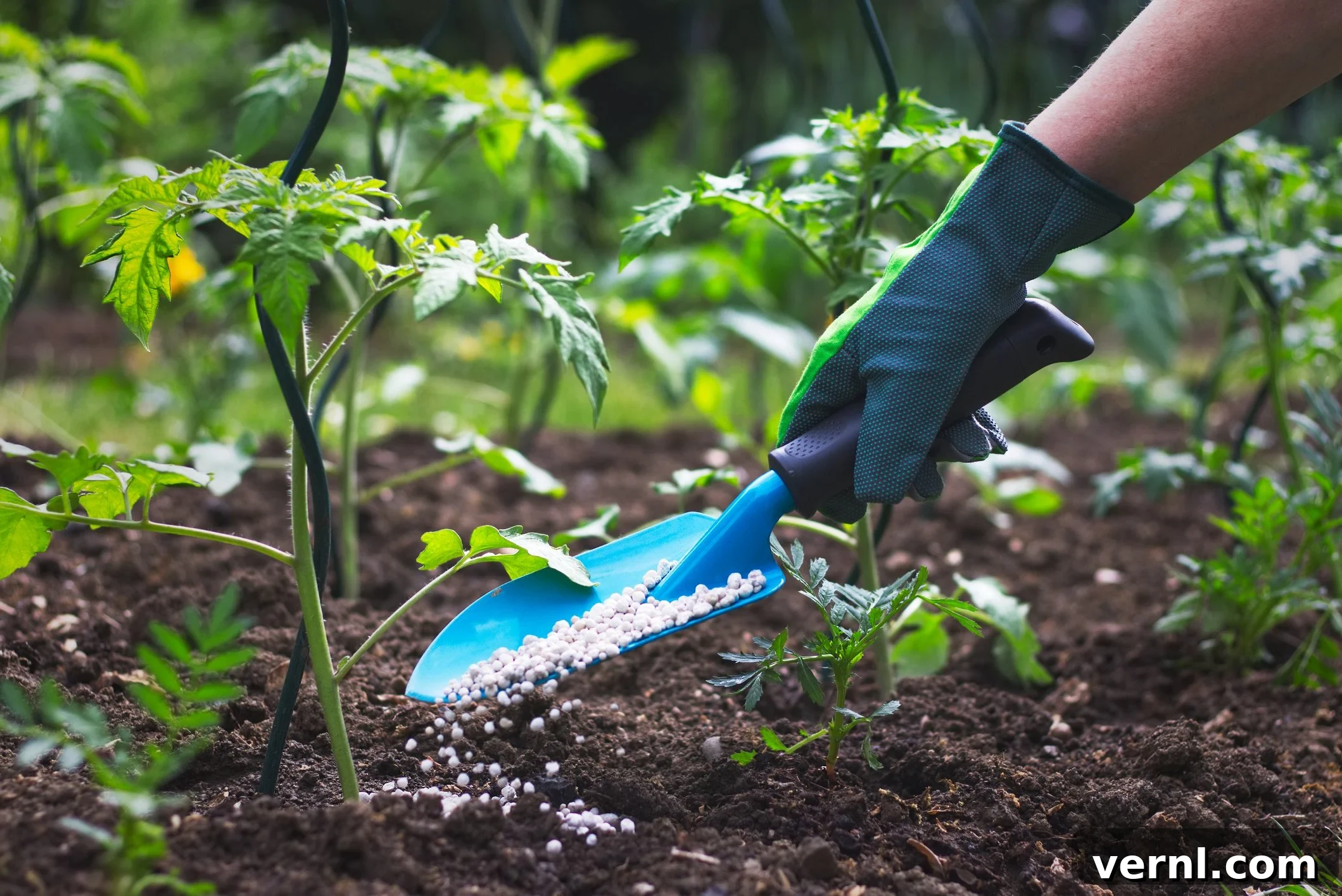
Even seasoned gardeners, and certainly novices, recognize the critical role of providing proper nourishment to their plants for robust growth and vibrant health. However, a common source of confusion, particularly prevalent across various online resources, is the interchangeable use of the terms “plant food” and “fertilizer.” This widespread semantic overlap often leaves many wondering: are these terms truly synonymous, or do they refer to distinct substances with different applications?
The concise answer, as is often the case with nuanced topics in gardening, is both yes and no. While both “plant food” and “fertilizer” serve the overarching purpose of aiding plant development and vitality, understanding the subtle yet significant distinctions between them is key to becoming a more informed and effective gardener. In this comprehensive guide, we’ll delve into these differences, drawing upon insights from plant expert Caleb Young, to help you decipher what kind of additives your plants and soil truly need for optimal performance and sustained health. By the end, you’ll be equipped to make educated choices that will transform your garden.
Understanding “Plant Food”: Nature’s Own Process and Commercial Interpretations
To truly grasp what “plant food” means, it’s essential to first acknowledge the fundamental biological process that sustains all plant life: photosynthesis. This incredible natural phenomenon, often described as the plant’s true method of “eating,” allows plants to produce their own sustenance. Through photosynthesis, plants absorb carbon dioxide from the atmosphere and water from the soil, utilizing sunlight as an energy source. A sophisticated biochemical reaction then converts these simple inorganic compounds into glucose – a sugar that serves as the plant’s primary energy source and building block for growth. This is the ultimate “plant food” in its purest, most intrinsic sense.
Given this biological reality, when you encounter a product at your local nursery or garden center labeled as “plant food,” what exactly does it signify? In a commercial context, the term “plant food” typically encompasses a broader range of materials designed to enhance soil fertility and provide plants with essential nutrients. This can include a diverse array of beneficial substances, such as natural organic matter, nutrient-rich compost, various soil amendments, and yes, even general-purpose fertilizers. Essentially, commercial “plant food” is a soil additive containing a mix of minerals and organic components intended to foster overall plant prosperity and improve the growing environment. It often aims to support the entire soil ecosystem, providing a holistic approach to plant nutrition.
Beyond synthetic formulations, many “plant food” products emphasize organic ingredients. These might include aged compost, worm castings, bone meal, blood meal, fish emulsion, or kelp meal. Such organic sources not only deliver a broad spectrum of macro and micronutrients but also contribute significantly to soil structure, water retention, and microbial activity. They nourish the soil food web, creating a healthier, more resilient environment where plants can thrive naturally. The slow-release nature of organic “plant food” ensures a steady supply of nutrients over time, reducing the risk of nutrient burn and supporting sustainable gardening practices.
Demystifying “Fertilizer”: Targeted Nutritional Support
In contrast to the broad scope of “plant food,” the term “fertilizer” typically refers to more concentrated and often specifically formulated substances designed to enrich the soil and provide plants with precise quantities of vital nutrients. These nutrients are commonly categorized into macronutrients and micronutrients. The most prominent macronutrients, universally recognized as the foundation of plant health, are Nitrogen (N), Phosphorus (P), and Potassium (K) – often expressed as an NPK ratio on product labels, such as 10-10-10 or 5-10-5.
- Nitrogen (N): Crucial for vigorous leafy growth, chlorophyll production, and overall plant size. A plant deficient in nitrogen will often exhibit yellowing leaves, particularly older ones, and stunted growth.
- Phosphorus (P): Essential for strong root development, flowering, fruiting, and seed production. It plays a vital role in energy transfer within the plant. Poor flowering, weak stems, and purple discoloration of leaves can indicate a phosphorus deficiency.
- Potassium (K): Supports overall plant health, disease resistance, water regulation, and enhances the quality of fruits and flowers. Symptoms of potassium deficiency include yellowing or browning leaf margins and overall weak growth.
Fertilizers are not inherently designed to aid photosynthesis directly, as photosynthesis is the plant’s internal process. Instead, they address specific plant problems or fulfill particular nutritional needs, especially during periods of rapid growth, stress, or to rectify existing deficiencies in the soil. For instance, a gardener might choose a high-nitrogen fertilizer to promote lush foliage in a lawn or leafy greens, or a high-phosphorus fertilizer to encourage abundant blooms on flowering plants or robust root development in newly transplanted seedlings. Fertilizers can be either synthetic (manufactured chemicals) or organic (derived from natural sources), each with its own benefits and application considerations.
Beyond the primary NPK macronutrients, many fertilizers also include essential micronutrients such as iron, magnesium, calcium, sulfur, boron, zinc, and manganese. While required in smaller quantities, these micronutrients are equally critical for various enzymatic functions, chlorophyll production, and overall plant metabolic processes. A deficiency in any of these, even trace amounts, can severely impact plant health and productivity. Fertilizers are therefore highly effective tools for targeted nutrient delivery, allowing gardeners to precisely manage their plants’ dietary needs.
Distinguishing “Plant Food” from “Fertilizer”: A Deeper Dive
The core distinction lies in intent and composition. “Plant food” in a commercial sense often offers a general nutritional boost, sometimes enriching the soil and supporting beneficial microbial life alongside nutrient provision. Think of it as a multi-vitamin for your garden, aiming for overall wellness and soil health. It often contains a broader array of organic materials that slowly break down, improving soil structure and texture over time, in addition to providing nutrients.
Fertilizer, on the other hand, is a more precise instrument. It’s akin to a specific nutrient supplement designed to target particular deficiencies or to stimulate certain aspects of plant growth (e.g., more flowers, larger fruits, greener leaves). While some general-purpose fertilizers might fall under the umbrella of “plant food,” the term “fertilizer” implies a more concentrated and typically NPK-focused product. The primary objective of fertilizer is to supply readily available nutrients to the plant, often to correct an imbalance or to support a demanding growth phase. Understanding this nuance allows gardeners to choose products that align perfectly with their specific horticultural goals and the unique requirements of their plants and soil.
Which Do My Plants Need? Tailoring Nutrition for Optimal Growth
The ultimate decision on whether to use a general “plant food” or a more specific “fertilizer” rests entirely with you, the gardener, and the invaluable clues your plants and soil provide. Becoming an attentive observer of your garden is paramount. Healthy plants often display vibrant foliage, strong stems, and abundant flowers or fruit. Conversely, signs of stress such as yellowing leaves, stunted growth, poor flowering, or unusual leaf coloration can all point to a nutritional deficiency.
To make the most informed choice, the first crucial step is to test your soil. A professional or home soil test kit can reveal vital information about your soil’s pH level and existing nutrient levels – both macronutrients and micronutrients. Knowing what your soil naturally lacks is the most accurate way to determine what additives are truly necessary. For instance, if your soil test indicates a significant phosphorus deficiency, a targeted phosphorus-rich fertilizer would be more effective than a general “plant food.”
If your aim is to promote a specific characteristic, such as vigorous root development, lush leaf growth, or abundant fruit production, then selecting a specialized fertilizer that targets those particular nutrients is the most efficient approach. For example, a tomato plant might benefit from a fertilizer with a higher potassium ratio during its fruiting stage. In contrast, if your goal is simply to maintain the overall health and vitality of a diverse vegetable garden or general landscape beds, a balanced, general-purpose “plant food” style fertilizer, especially an organic one, can provide a broad spectrum of nutrients to support a wide range of plants.
Plant expert Caleb Young emphasizes the personalized nature of plant nutrition: “Every plant has its own unique nutrient requirements depending on their type and stage of growth. Vegetable plants require a high nitrogen content for their green leaves while fruiting plants need more phosphorus and potassium for blooms and fruit development.” He further advises, “Always buy a fertilizer that is specific to the plants and also take into consideration existing nutrient deficiencies the plant may already have.” This expert advice underscores the importance of not just feeding the soil, but feeding the specific needs of each plant.
Effective Application Techniques for Plant Nutrients
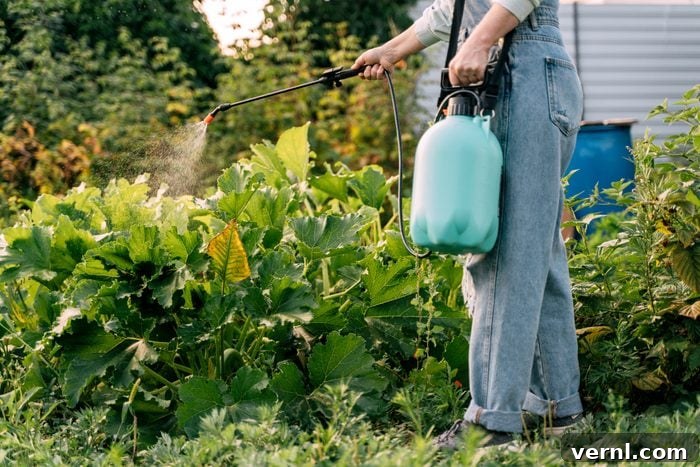
Both fertilizers and commercial “plant foods” are available in a diverse array of forms, each suited for different application methods and plant needs. These include liquids, granules, pellets, spikes, and even foliar sprays. They can be formulated as either synthetic (chemical-based) or organic (naturally derived) products. Understanding these forms and their application methods is crucial for maximizing their effectiveness and ensuring plant safety.
Liquid formulations are typically mixed with water and applied directly to the soil around the plant’s base, or as a foliar spray directly onto the leaves. Their nutrients are immediately available to the plant, making them ideal for quick uptake and addressing acute deficiencies. However, they generally require more frequent application. Granular and pelletized forms are usually broadcast over the soil surface or worked into the topsoil. These often provide a slower, more sustained release of nutrients as they break down with watering and microbial activity, making them suitable for long-term feeding.
It’s a common and beneficial practice to apply a general “plant food” regularly throughout the active growing season. This helps maintain a steady and balanced supply of nutrients, promoting consistent growth and overall plant vigor. Think of it as a continuous, gentle feeding regimen. On the other hand, traditional, more concentrated fertilizers are typically applied at specific times and in precise amounts, carefully calculated based on the type of plant, its growth stage, and the results of soil tests. For instance, a bloom-boosting fertilizer might only be applied when flower buds begin to form, or a high-nitrogen feed might be used during the initial vegetative growth phase of a lawn.
Regardless of the type of nutrient additive you choose, adherence to product instructions is paramount. Over-application of fertilizers, particularly synthetic ones, can lead to nutrient burn, damaging plant roots and foliage, and potentially contributing to environmental issues like nutrient runoff into waterways. Caleb Young wisely advises, “follow the packet instructions and observe the plants response and adjust as needed.” Furthermore, as previously highlighted, regularly testing your soil to determine its pH and any specific nutritional deficiencies provides an essential roadmap for targeted and responsible nutrient application, preventing both under- and over-feeding.
Nutrient Longevity and Soil Dynamics: How Long Do They Last?
The duration for which fertilizers and “plant foods” remain effective in the soil can vary significantly, ranging from a mere week to several months. This variability is influenced by a complex interplay of factors, including local weather conditions, the specific type of plant being fed, prevailing watering practices, and most critically, the inherent characteristics of the nutrient product itself.
Liquid fertilizers, due to their dissolved state, are characterized by their rapid availability. Plant roots can absorb these nutrients almost immediately, leading to quick results. However, this immediate availability also means they are quickly utilized or leached from the soil, making their effects relatively short-lived—often just a couple of weeks. This necessitates more frequent application if a continuous supply of nutrients is desired. They are excellent for quick boosts or correcting immediate deficiencies.
In stark contrast, granular or pellet-form fertilizers, especially those labeled as “slow-release,” are designed for extended nutrient delivery. These formulations typically provide nutrients for up to 90 days, or even longer for some coated varieties. Their longevity stems from the fact that the nutrients are not immediately soluble. Instead, they must gradually break down in the soil, often facilitated by water, temperature, and microbial activity, before the nutrients become available for plant uptake. This slow-release mechanism reduces the risk of nutrient burn, minimizes leaching, and provides a more consistent feeding over time, making them ideal for less frequent applications and for plants with sustained nutrient demands.
Caleb Young offers practical guidance on application frequency: “In general, houseplants can be fertilized every 2-4 weeks during spring and summer and then nothing during colder months when they are typically dormant.” He continues, “Vegetables require a higher frequency of fertilizing due to their fast growth rate and continuous production of fruits or leaves. Things like grass and established trees, on the other hand, have different requirements, often needing less frequent fertilization, around three to four times a year, depending on their age and specific needs.” This demonstrates that a one-size-fits-all approach to nutrient application is rarely effective; instead, it demands an understanding of each plant’s life cycle and growth patterns.
Other factors also play a significant role. Soil type influences longevity: sandy soils, with their larger particles and greater drainage, tend to leach nutrients more quickly than heavier clay soils. Heavy rainfall or excessive watering can also wash away soluble nutrients. Furthermore, the overall health of your soil’s microbial ecosystem can impact nutrient cycling and availability. A vibrant soil food web can make nutrients more accessible to plants and help retain them in the root zone for longer periods.
Cultivating a Thriving Garden: Beyond Just Fertilizers
In conclusion, there is no inherent “right” or “wrong” in choosing between adding nutrients to your soil via a general “plant food” or a more specific type of fertilizer. The most effective approach is always rooted in observation, understanding, and informed decision-making. The distinction, while subtle in everyday language, is significant in horticultural practice. “Plant food” often refers to a holistic soil amendment providing a broad spectrum of nutrients and improving soil health, while “fertilizer” implies a more targeted nutrient application to address specific needs or deficiencies.
The key to a successful garden lies in choosing the right additive based on what your individual plants truly need and which specific minerals or nutrients your soil may be lacking. This informed choice, guided by soil tests and careful observation of your plants, will empower you to create a more vibrant and productive garden ecosystem. Remember, gardening is a dynamic partnership with nature, requiring not just effort but also intelligence and empathy for your green companions.
Rudyard Kipling, the esteemed English poet, writer, and Nobel Laureate, eloquently captured the essence of gardening in his poem “The Glory of the Garden”: “Our England is a garden, and such gardens are not made / By singing: — “Oh, how beautiful!” and sitting in the shade.” Indeed, whether in England, the U.S., or anywhere else in the world, our gardens often demand more than just admiration; they need thoughtful care and assistance. Whether you choose to provide that help with a comprehensive “plant food” or a precisely targeted “fertilizer” is ultimately up to you, armed with the knowledge to make the best decision for your unique patch of green. Cultivating a thriving garden is a continuous journey of learning, adapting, and nurturing.
About the Expert
Caleb Young is the owner and founder of Rare Indoor Plants. After studying Botany and Interior Design at the University of Otago in New Zealand, Caleb worked for a Botanist for several years where he developed a deep passion for flowers and plants. Since 2020, Rare Indoor Plants has been offering unique, high-quality plants conveniently shipped straight to customers, making unusual botanical treasures accessible to enthusiasts everywhere.