
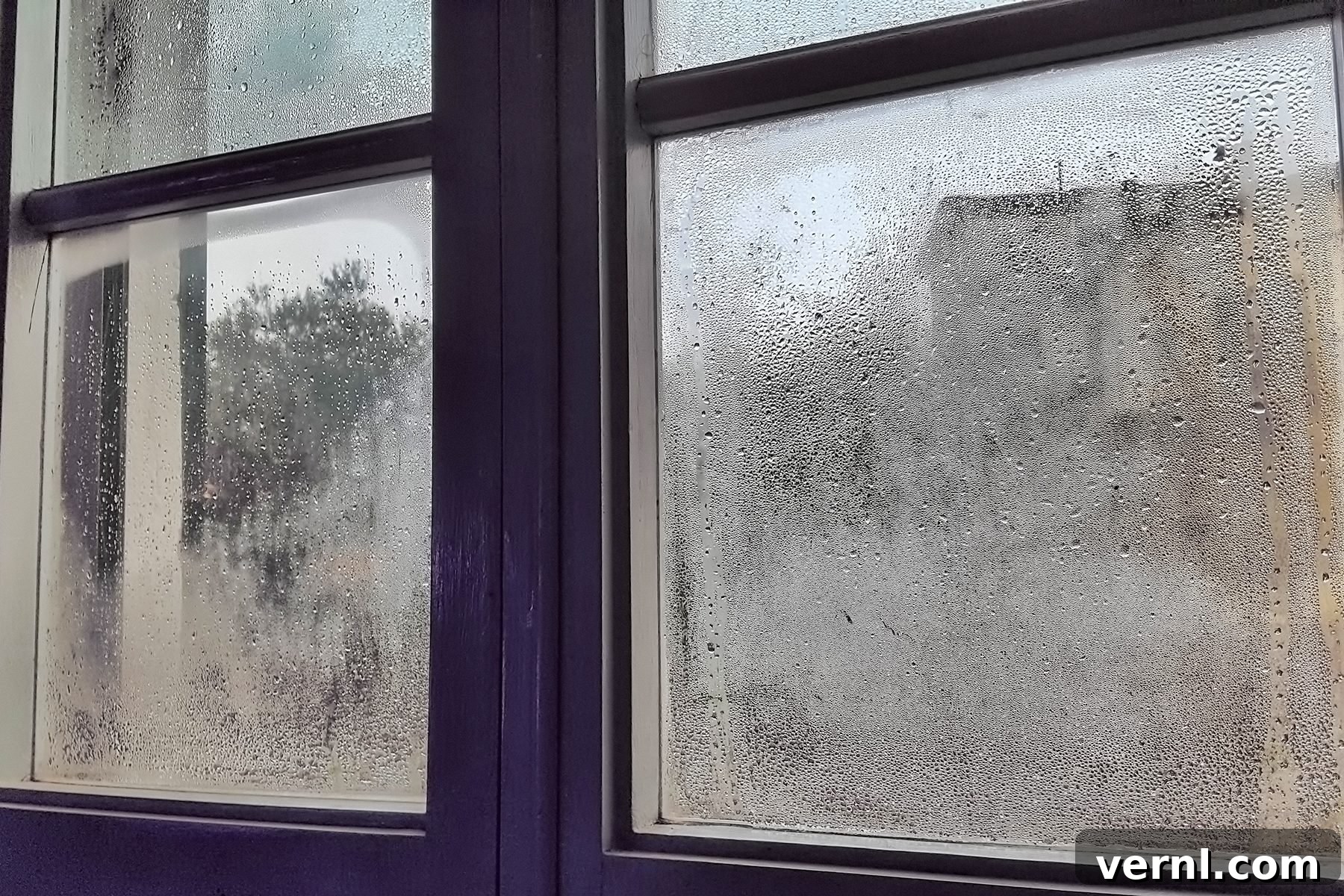
Say Goodbye to Foggy Panes: Your Ultimate Guide to Stopping Window Condensation and Preventing Mold
Window condensation is far more than just an unsightly nuisance that obstructs your view; it’s a red flag indicating potential indoor humidity issues. Left unaddressed, this persistent moisture can pave the way for damaging mold growth, rot window frames, and significantly compromise your home’s indoor air quality. Fortunately, understanding the root causes and implementing a few simple, yet effective, strategies can help keep moisture at bay, drastically reducing the risk of mold forming around your windows and maintaining a healthier living environment.
This comprehensive guide delves into the science behind window condensation, explores immediate DIY fixes, outlines long-term prevention strategies, and addresses the critical health implications of mold. With just a few inexpensive supplies and a commitment to regular maintenance, you can transform your home into a drier, safer, and clearer space.
The Immediate Fix: A Simple DIY Hack for Condensation Control
While long-term solutions are crucial, sometimes you need a quick and easy way to tackle existing condensation. A popular and surprisingly effective method, often shared across home improvement communities, provides an excellent starting point. This simple hack requires minimal effort and can be integrated into your bi-weekly cleaning routine.
The core of this strategy revolves around improving air circulation and absorbing excess moisture. Follow these steps for an effective initial approach:
- Maximize Airflow: Open Curtains and Blinds: Begin by fully opening all window curtains, blinds, and any other window coverings. The goal here is to allow unimpeded air circulation around the window pane. Closed coverings can trap a pocket of cold, stagnant air next to the glass, exacerbating condensation. Opening them ensures that warmer room air can reach the glass, helping to raise its temperature and equalize the moisture levels.
- Moisture Absorption: The Bicarbonate Soda Solution: Place an open jar, bowl, or even a shallow dish filled with bicarbonate of soda (baking soda) directly on your windowsill. Bicarbonate soda is a natural desiccant, meaning it actively absorbs moisture from the air. As the air around your window cools and releases its moisture, the baking soda acts as a magnet, drawing in the water vapor before it can condense on the cold glass. For optimal effectiveness, stir the baking soda occasionally or replace it every couple of weeks, especially in very humid conditions, as its absorbing capacity diminishes over time.
- Preventative Cleaning: Regular Mold Inspection and Treatment: Every two weeks, make it a habit to inspect your windows for any signs of mold growth. Even tiny black or green specks should be addressed immediately. Use a specialized mold spray (following the product’s instructions for safe use) and a clean cleaning rag to gently wipe down the window frames, sills, and even the glass itself. This proactive cleaning removes any nascent mold before it has a chance to spread and become a larger problem. For natural alternatives, a dilute solution of white vinegar (1 part vinegar to 1 part water) can also be effective. Always ensure the area is thoroughly dried after cleaning.
This simple regimen, popularised by users like TikTok user @blooms_abode, serves as an excellent first line of defense against both condensation and mold. However, for persistent issues, understanding the underlying causes is key to long-term success.
Understanding Window Condensation: The Science Behind the Fog
To effectively combat condensation, it’s crucial to understand why it forms in the first place. The phenomenon is a direct result of physics, specifically related to temperature, humidity, and the “dew point.”
Condensation on windows occurs when warm, moist air inside your home comes into contact with a surface that is significantly colder than the air itself – typically a window pane in colder weather. As the warm air cools rapidly upon contact with the cold glass, it can no longer hold all of its moisture in vapor form. The excess moisture then transforms into tiny liquid water droplets, which is precisely what you see accumulating on your windows.
Key Factors Contributing to Condensation:
- Temperature Differential: This is the primary driver. The greater the difference between the warm indoor air temperature and the cold window surface temperature, the more likely condensation is to form. This is why condensation is most prevalent during colder months when the outdoor temperatures plummet, making your windows much colder than your heated indoor air.
- High Indoor Humidity: The amount of moisture in your indoor air, known as relative humidity, plays a critical role. If the air inside your house contains a high percentage of water vapor, it has more moisture to release when it cools. Common household activities significantly contribute to indoor humidity:
- Cooking: Boiling water, simmering pots, and using ovens without proper ventilation release vast amounts of steam.
- Showering and Bathing: Hot showers and baths produce significant water vapor, especially in unventilated bathrooms.
- Drying Clothes Indoors: Air-drying laundry on racks inside your home can release several liters of water into the air per load.
- Houseplants: Plants release moisture through a process called transpiration. While beneficial for air quality, too many plants in a humid environment can contribute to the problem.
- Human Respiration: Even breathing adds moisture to the air, particularly in well-sealed, poorly ventilated homes.
- Poor Ventilation: A lack of adequate airflow prevents moist air from escaping your home and being replaced by drier air. Modern, energy-efficient homes are often tightly sealed to prevent heat loss, which, while good for insulation, can inadvertently trap humidity indoors if not properly ventilated.
- Window Quality: Older, single-pane windows or those with failing seals in double-glazing units offer poor insulation. This means their inner surface temperature will be much closer to the cold outdoor temperature, making them prime candidates for condensation.
Understanding these factors allows for a targeted approach to managing and ultimately eliminating condensation from your home.
Beyond the Hack: Comprehensive Strategies to Prevent Window Condensation
While the bicarbonate soda hack offers an immediate fix, long-term prevention requires addressing the underlying causes of humidity and temperature differentials. A multi-faceted approach combining ventilation, humidity control, and improved insulation will yield the best results.
1. Enhance Ventilation
Good airflow is paramount to removing moist air from your home before it can condense. This doesn’t mean leaving windows wide open all day in winter, but rather strategic ventilation:
- Daily Airing: Even during cold months, open windows for 5-10 minutes each day, ideally at opposite ends of the house, to create a cross-breeze. This quickly exchanges stale, moist air with drier, fresh air without significantly dropping your home’s temperature.
- Extractor Fans: Always use extractor fans in kitchens and bathrooms during and immediately after cooking or showering. Ensure these fans are properly vented to the outside, not just into the attic. Run them for at least 15-20 minutes after the activity ceases to clear residual moisture.
- Trickle Vents: Many modern windows come with small trickle vents that allow for continuous, low-level airflow. Ensure these are open, especially in rooms prone to condensation.
- Mechanical Ventilation Systems: For severe or persistent humidity issues, consider a whole-house ventilation system, such as a Heat Recovery Ventilator (HRV) or Energy Recovery Ventilator (ERV). These systems efficiently exchange indoor air with outdoor air, recovering heat (or coolness) in the process, thus improving air quality without significant energy loss.
2. Control Indoor Humidity Sources
Minimizing the production of moisture indoors is a crucial step in preventing condensation:
- Dehumidifiers: A standalone dehumidifier can be highly effective in drawing excess moisture from the air, especially in basements or particularly humid rooms. Look for models with a humidistat that allows you to set a desired humidity level (typically between 30-50% relative humidity is ideal).
- Laundry Habits: Whenever possible, dry clothes outdoors or use a tumble dryer that vents outside. If you must dry clothes indoors, do so in a well-ventilated room with a window slightly ajar or a dehumidifier running.
- Cooking Smarts: Always use lids on pots and pans when cooking to reduce steam. Utilize your kitchen extractor fan diligently and ensure it’s powerful enough for your cooking habits.
- Mindful Bathing: Take shorter, cooler showers if possible. Always run the bathroom fan and keep the bathroom door closed during and after showering to contain moisture. Wipe down shower walls and tubs to remove standing water.
- Houseplant Management: While beneficial, a large collection of houseplants can contribute to humidity. Group them together in a well-ventilated area or consider moving some to rooms less prone to condensation. Avoid overwatering.
- Aquariums and Indoor Fountains: Ensure aquariums are covered and consider the placement of indoor water features to minimize their impact on room humidity.
3. Improve Window Insulation
By making your window surfaces warmer, you reduce the likelihood of condensation forming:
- Upgrade Windows: If feasible, investing in new double or triple-glazed windows can dramatically improve insulation. These units have sealed air or gas pockets between panes, creating a thermal barrier.
- Secondary Glazing: For a more cost-effective solution, consider installing secondary glazing panels over existing single-pane windows. These create an additional air gap, improving insulation.
- Weatherstripping and Caulking: Inspect window frames for cracks or gaps where cold air can seep in and warm, moist air can escape, cooling the glass. Seal these with weatherstripping or caulk to improve the window’s thermal performance.
- Thermal Curtains or Blinds: Heavy, insulated curtains or blinds can add a layer of insulation, keeping the window surface warmer. However, remember the initial hack: keep them open during the day to allow air circulation and let warmth from the room reach the glass. Close them at night to trap heat.
4. Maintain Consistent Indoor Temperature
Avoid drastic temperature fluctuations. Keeping your home at a reasonably consistent temperature, even overnight, can help prevent window surfaces from becoming excessively cold and crossing the dew point. A programmable thermostat can assist in maintaining optimal temperatures without excessive energy waste.
The Unseen Threat: Why Mold on Windows Demands Your Attention
Beyond being aesthetically unappealing, mold growth on windows poses significant risks to both your property and, more importantly, your health. It’s a clear indicator of persistent moisture problems that should never be ignored.
Health Implications:
Mold spores are microscopic, airborne particles that can easily be inhaled. For many people, especially those with pre-existing conditions, exposure can trigger a range of adverse health effects. While symptoms vary based on individual sensitivity and the type of mold, common concerns include:
- Allergic Reactions: Mold is a common allergen. Exposure can lead to symptoms like sneezing, runny nose, nasal congestion, itchy eyes, skin rashes, and sore throat.
- Respiratory Issues: Individuals with asthma or other respiratory conditions may experience worsened symptoms, including coughing, wheezing, shortness of breath, and asthma attacks. Chronic exposure can even contribute to the development of asthma in susceptible individuals.
- Irritation: Even without allergies, mold spores can irritate the eyes, skin, and respiratory tract, causing discomfort.
- Compromised Immune Systems: For those with weakened immune systems (e.g., infants, the elderly, individuals undergoing chemotherapy, or those with autoimmune diseases), mold exposure can lead to more serious infections and complications.
- Long-Term Effects: Prolonged exposure to certain types of mold has been linked to more severe health problems, though research in this area is ongoing.
The presence of mold directly impacts indoor air quality, making your home a less healthy place to live. Any musty odor is a strong indicator of mold presence, even if it’s not immediately visible.
Structural Damage and Property Concerns:
Mold isn’t just a surface issue; it actively degrades the materials it grows on:
- Window Frame Damage: Mold thrives on organic materials. Wooden window frames are particularly susceptible to mold growth, which can lead to wood rot, softening, and structural weakening over time. This can necessitate costly repairs or even full window replacement.
- Paint and Finish Deterioration: Mold can cause paint to peel, blister, or stain. It can permanently discolor caulking and sealants around windows.
- Drywall and Wall Damage: If condensation is severe and persistent, moisture can seep beyond the window frame into adjacent walls, leading to mold growth within drywall, insulation, and even structural timbers. This can lead to extensive and expensive remediation.
- Unpleasant Odor: Mold produces a distinctive musty smell that can permeate your home, making it an unpleasant environment.
It’s imperative to clean up mold as soon as it’s spotted. Regular inspection and immediate action are your best defenses against both its health hazards and destructive capabilities. Keeping your windows dry and rigorously controlling indoor humidity are the foundational steps to prevent mold from forming in the first place.
Step-by-Step Guide: Safely Removing Mold from Windows
If you’ve identified mold growth around your windows, prompt and safe removal is essential. Always prioritize your health by taking appropriate precautions.
1. Prepare for Safe Cleaning:
- Ventilate: Open the window (if safe and weather permits) to provide fresh air.
- Protect Yourself: Wear gloves (disposable nitrile or rubber are best), eye protection (goggles), and a dust mask or N95 respirator to prevent inhaling mold spores.
- Containment: If the mold is extensive, you might want to close off the room or place plastic sheeting on the floor to catch any falling debris.
2. Choose Your Cleaning Solution:
For small to moderate mold growth on non-porous surfaces like glass, PVC, or painted wood:
- White Vinegar: A highly effective natural disinfectant and mold killer. Mix undiluted white vinegar in a spray bottle.
- Hydrogen Peroxide: A 3% solution of hydrogen peroxide can also be used. Spray directly onto the mold.
- Commercial Mold Cleaner: Many products are specifically designed for mold removal. Always read and follow the manufacturer’s instructions carefully.
- Avoid Bleach: While bleach kills mold, it doesn’t effectively remove it from porous surfaces and can damage some materials. It also releases harsh fumes. For window areas, vinegar or commercial cleaners are generally safer and more effective.
3. The Cleaning Process:
- Spray the Area: Generously spray your chosen cleaning solution directly onto the moldy areas. Ensure complete saturation.
- Let It Sit: Allow the solution to sit for 10-15 minutes (or as per commercial product instructions). This gives it time to penetrate and kill the mold.
- Scrub Gently: Using a stiff brush, an old toothbrush, or a clean rag, gently scrub the affected areas. For glass, a non-abrasive sponge is suitable. For tougher spots on frames, a nylon brush can be effective.
- Wipe Clean: Use a clean, damp cloth to wipe away the mold and cleaning solution residue. Rinse your cloth frequently.
- Dry Thoroughly: This is a critical step. Use a dry cloth to completely dry the window frame, sill, and glass. You can also use a fan or dehumidifier to ensure the area is completely moisture-free. Any residual moisture can lead to mold recurrence.
4. Disposal and Prevention:
Seal all used rags, sponges, and gloves in a plastic bag before disposing of them in your outdoor trash. Reinforce your prevention strategies immediately: ensure good ventilation, control indoor humidity, and maintain regular checks for any returning moisture or mold.
When to Call a Professional
While many condensation and small mold issues can be managed with DIY methods, there are situations where professional help is necessary for your safety and the integrity of your home:
- Extensive Mold Growth: If mold covers an area larger than roughly one square meter (about 10 square feet), or if it appears after water damage, it’s best to call a professional mold remediation specialist. Large infestations can indicate deeper structural problems and pose significant health risks during removal.
- Persistent Mold Recurrence: If mold keeps coming back quickly after cleaning, it suggests that the underlying moisture problem hasn’t been fully resolved. A professional can identify hidden moisture sources and provide lasting solutions.
- Health Concerns: If anyone in your household experiences persistent health issues that you suspect are linked to mold, consult a doctor and consider professional mold inspection.
- Condensation Between Panes: If you notice condensation *between* the glass panes of a double or triple-glazed window, it indicates a failed seal. This means the insulating gas or air has escaped, and the window’s efficiency is compromised. This problem cannot be fixed with cleaning; the window unit will need to be replaced or repaired by a glazing specialist.
- Suspected Hidden Mold: If you smell a musty odor but cannot locate any visible mold, it could be growing behind walls, under floors, or in other hidden cavities. A professional can use specialized equipment to detect and safely remove this hidden mold.
Conclusion: A Clear Path to a Healthier Home
Window condensation, though common, is a symptom of a larger environmental imbalance within your home. Ignoring it not only detracts from your home’s appearance but also invites destructive mold and compromises indoor air quality. By understanding the intricate interplay of temperature and humidity, you empower yourself to take effective action.
From the immediate relief offered by simple DIY hacks like the bicarbonate soda method to the profound impact of long-term strategies involving enhanced ventilation, meticulous humidity control, and improved window insulation, a clear path to a healthier home is well within reach. Regularly inspect, clean, and proactively manage moisture, and you’ll not only enjoy crystal-clear window views but also safeguard your family’s health and the longevity of your home. Embrace these strategies, and transform your windows from foggy gateways of concern into transparent portals to a comfortable, mold-free living space.