Ultimate Guide to Securing Your Trash Cans from Wind: Never Lose a Bin Again
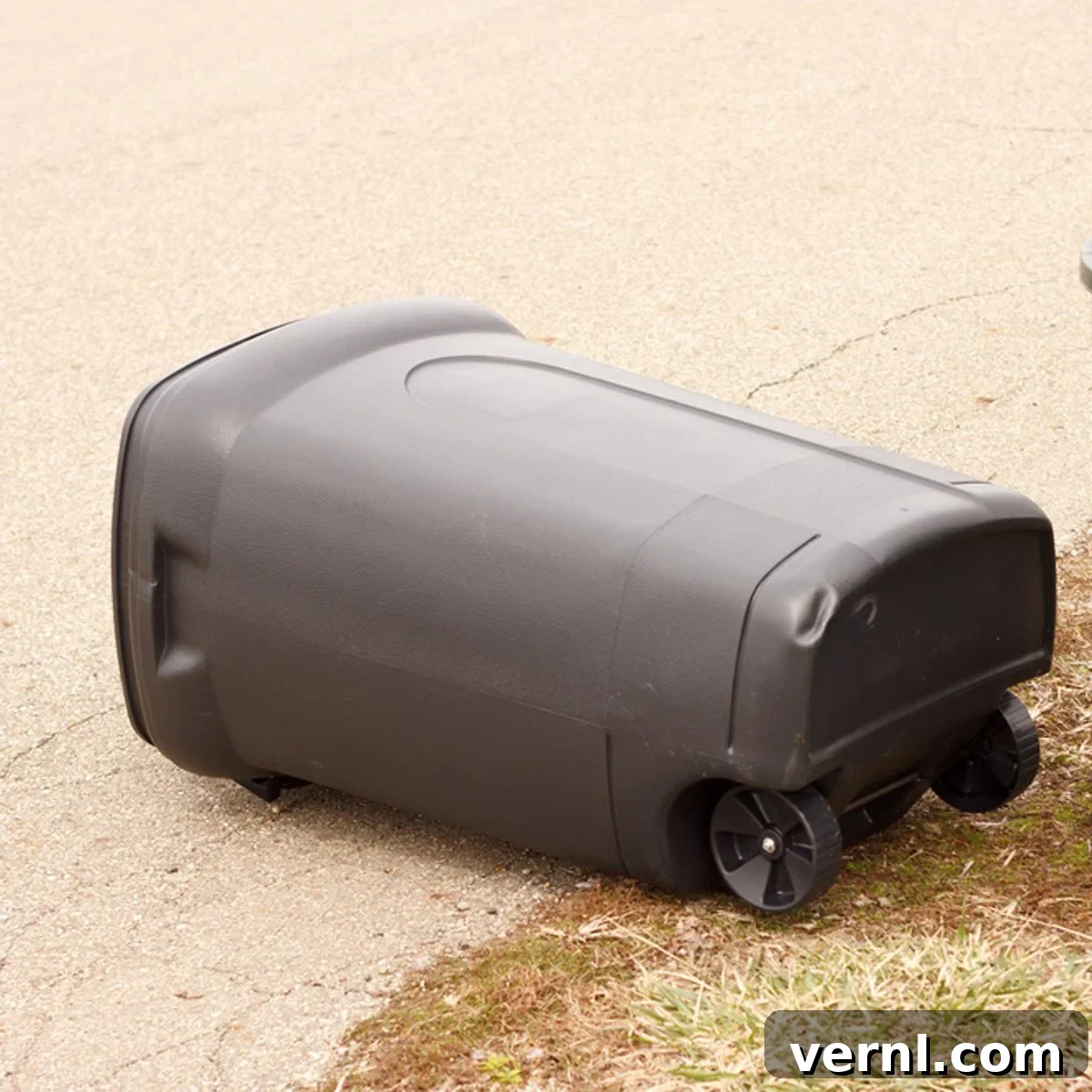
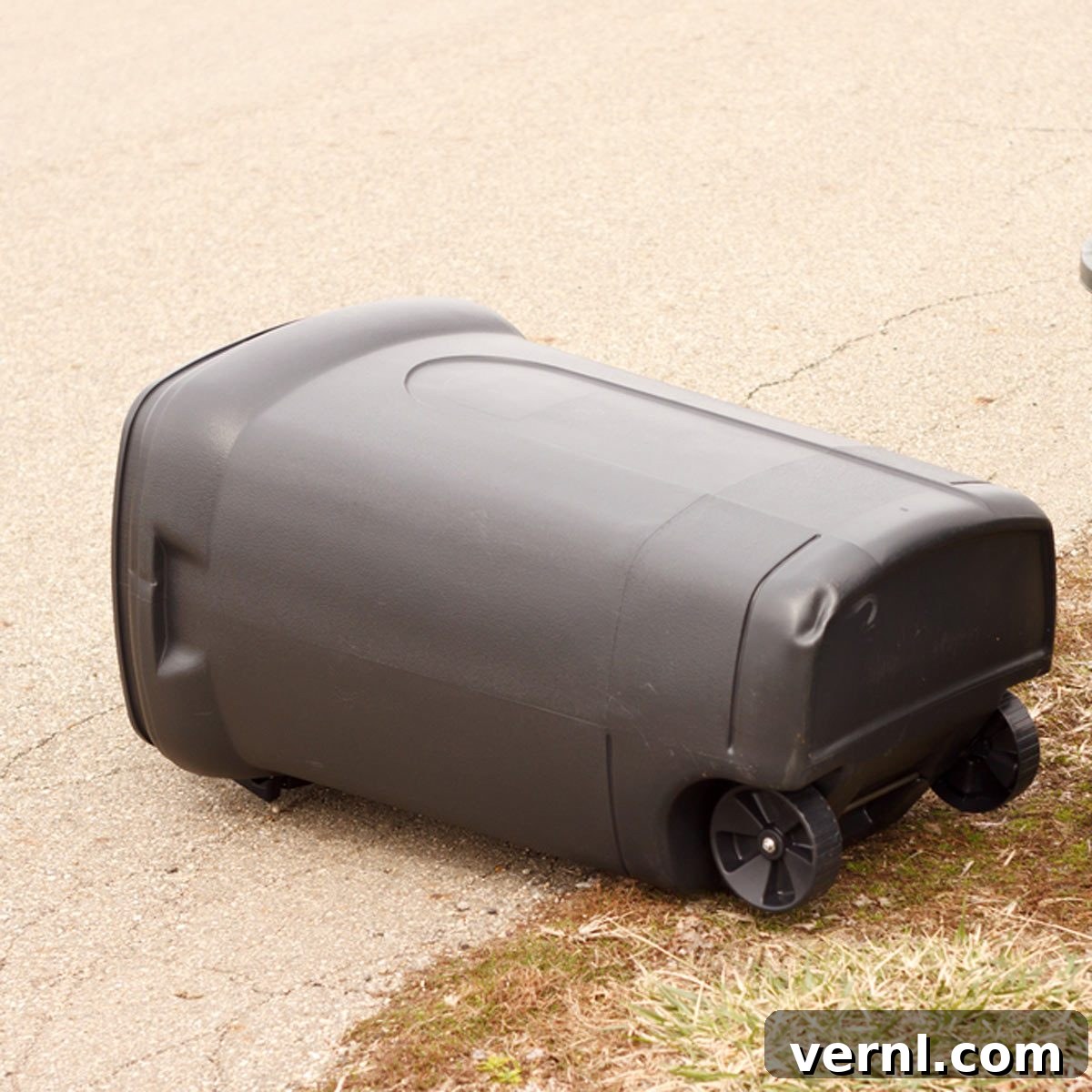
The relentless power of strong winds can be astonishing. Capable of felling mature trees, disrupting power lines, and creating widespread chaos, these gusts often leave homeowners wondering how their seemingly lightweight trash cans manage to stay put. For many, the sight of a runaway garbage bin tumbling down the street is an all-too-familiar, frustrating, and messy ordeal. While some might resort to a temporary fix like placing a heavy rock inside, this often proves inadequate against truly brutal gusts. Fortunately, there’s no need to constantly dread windy forecasts. A variety of simple, effective, and often budget-friendly solutions exist to keep your trash cans securely anchored, preventing them from becoming neighborhood nuisances or contributing to unsightly litter. This comprehensive guide will walk you through innovative strategies, from DIY hacks to stylish permanent installations, ensuring your outdoor waste management system remains intact, come rain or high wind.
Why Wind-Proofing Your Trash Cans is Essential
Beyond the immediate inconvenience of chasing a runaway bin, there are several compelling reasons to invest in proper trash can security:
- Litter Prevention: An overturned trash can quickly spills its contents, scattering refuse across your yard, your neighbor’s property, and public spaces. This not only creates an eyesore but can also harm local wildlife and the environment.
- Property Damage: A heavy, wind-driven trash can can become a dangerous projectile, potentially damaging cars, fences, garden decor, or even windows.
- Safety Hazard: A large, empty trash can blowing erratically can be a tripping hazard for pedestrians or a dangerous obstruction for drivers, especially in low visibility conditions.
- Pest Control: Open or overturned bins can attract scavengers like rodents, raccoons, and birds, leading to further mess, potential health hazards, and unpleasant odors.
- Neighborhood Aesthetics: A well-maintained property includes secure and discreet waste storage. Loose, windblown trash cans detract from curb appeal and can reflect poorly on community standards.
- Cost Savings: Constantly replacing damaged or lost trash cans due to wind can add up over time. Investing in securement is a proactive measure that saves money in the long run.
Long-Term Solutions for Securing Your Trash Cans on Non-Collection Days
When your trash cans aren’t awaiting collection, they typically reside in a designated spot – often beside the house, garage, or in a backyard corner. These solutions focus on semi-permanent or permanent installations that provide robust security against strong winds while also enhancing outdoor organization and aesthetics.
1. D-Rings and Bungee Cords: A Simple and Effective Anchor
One of the quickest and most cost-effective methods involves anchoring your trash cans directly to a sturdy structure. By installing D-rings or eye hooks into the side of your house, garage, or a robust fence post, you create secure attachment points. High-quality, weather-resistant bungee cords can then be used to firmly strap the trash can to these anchors. This method allows for easy release on collection day and quick re-attachment afterward, making it a practical choice for regular use. When choosing D-rings, ensure they are made from durable, weather-resistant materials (e.g., stainless steel) and installed with appropriate fasteners for your siding material. Similarly, select durable bungee cords with strong hooks that can withstand prolonged outdoor exposure. This approach is not only practical but can also be integrated into a broader strategy for tidy outdoor storage, keeping your entire exterior space organized and clutter-free.
- Installation Tips: Use appropriate screws or lag bolts for masonry, wood, or vinyl siding. Space D-rings to match the height and width of your trash can for optimal tension and stability.
- Pros: Inexpensive, easy to install, adaptable to various can sizes and shapes, quick to release and secure.
- Cons: Aesthetics might not appeal to everyone, bungee cords can degrade over time due to UV exposure and wear, requiring periodic replacement.
2. Building Protective Enclosures: The Ultimate Wind Barrier and Aesthetic Upgrade
For superior protection and enhanced curb appeal, consider constructing a dedicated enclosure for your trash cans. These structures can range from simple three-sided barriers made of wood or concrete blocks to more elaborate, shed-like units. Positioned strategically against the house or a sturdy fence, an enclosure effectively blocks wind from all directions, creating a sheltered environment for your bins. Wooden enclosures can be customized to match your home’s exterior, painted, or stained for a cohesive and attractive look. Concrete block enclosures offer exceptional durability and stability, providing a robust solution against even the strongest gusts. Beyond wind protection, these structures also deter pests, hide unsightly bins, and can contribute significantly to your overall home organization plan, transforming a messy corner into a neat and functional space.
- Design Considerations: Ensure adequate ventilation to prevent odors, easy access for depositing trash, and a wide-enough opening for effortless retrieval of cans on collection day. Consider adding a hinged lid for aesthetic appeal and rain protection.
- Material Choices: Pressure-treated lumber for longevity, natural cedar or redwood for aesthetic appeal and pest resistance, concrete blocks for robustness, or even recycled plastic lumber for an eco-friendly option.
- Pros: Provides excellent wind protection, vastly improves outdoor aesthetics, deters pests and animals, can offer additional outdoor storage, potentially increases property value.
- Cons: Higher initial cost and time investment, requires DIY skills or professional installation, takes up dedicated space in your yard.
3. Store-Bought Trash Can Sheds and Storage Units: Ready-Made Convenience
If DIY projects aren’t your forte, the market offers a wide array of pre-fabricated solutions designed specifically for trash can storage. Home improvement and building supply stores stock everything from movable, heavy-duty wheeled carts to compact, shed-like structures. These units come in various materials, including durable plastics, treated wood, and galvanized steel, offering different levels of weather resistance, security, and aesthetic appeal. Small shed structures are particularly popular among homeowners due to their robust construction and ability to completely enclose and protect bins from wind, rain, and pests. They often feature easy-open lids and front doors for convenient access, blending seamlessly into garden or yard landscapes and significantly improving outdoor organization.
- Variety of Options: Choose from plastic resin storage sheds, decorative wooden garden bins, sturdy metal utility sheds, and even elegant rattan-style units that double as outdoor furniture.
- Key Features to Look For: Lockable doors for added security, hinged lids often with gas shocks for easy opening, durable construction materials, UV protection for plastic models to prevent fading, and integrated flooring for cleanliness.
- Pros: Convenient and ready to assemble, often aesthetically pleasing designs, robust wind protection, comprehensive assembly instructions usually included.
- Cons: Can be more expensive than DIY options, requires some assembly time, might still benefit from additional ground anchoring in areas prone to extreme winds.
4. Ground Anchoring with a Post and Chain: Robust and Rural-Friendly
For properties where placing cans close to the house isn’t ideal, or in more exposed, rural settings, a ground-anchored post offers an exceptionally secure solution. Install a sturdy 4×4 or 6×6 wooden post deeply into the ground, preferably set in concrete for maximum stability. A heavy-duty chain can then be attached to the post and secured around the handle or a sturdy part of your trash can. This method provides a very high level of security, ensuring your bin remains exactly where you put it, even in hurricane-force winds. Choose a chain with a quick-release clasp or a padlock for easy detachment on collection day, balancing security with convenience.
- Installation Process: Dig a post hole at least 2-3 feet deep, and set the post in gravel and concrete for optimal stability and longevity. Ensure the post height allows for easy chain attachment without interfering with the trash can lid.
- Chain Selection: Use galvanized or stainless steel chains to prevent rust and ensure durability. Consider a plastic-coated chain to prevent scratches or damage to your trash can.
- Pros: Extremely secure against all wind conditions, creates a permanent anchoring point, ideal for exposed or open locations, relatively low maintenance once installed.
- Cons: Creates a permanent fixture in the ground, can be an eyesore if not strategically placed or disguised with landscaping, requires some labor for initial installation.
Ensuring Security on Collection Day: When Your Cans Go Curbside
Collection day presents a unique challenge. Your trash cans need to be accessible for waste management personnel, often in an exposed curbside location, yet still secure enough to resist the elements until they are emptied. Here are tailored solutions for this specific scenario, keeping in mind the need for easy access and potential mechanical arm compatibility.
1. Weighted Bases or External Weights: Simple & Effective Curbside Stability
Adding weight to the bottom of your trash can is a straightforward way to increase its stability against wind. While simply tossing in a brick might work for light breezes, a more secure method involves attaching a 10-pound hand weight to the outside base of the trash can. This can be done using strong adhesive, robust straps, or even by drilling and bolting if the can’s material allows (though be mindful of potential damage). Alternatively, specialized weighted bases or sandbags designed to fit inside the can’s bottom cavity can be used. When using external weights, ensure they are securely fastened and do not interfere with the trash collector’s ability to grab and empty the bin, especially if automated machinery is used. Always check with your local waste management service for any specific guidelines regarding weighted bins to ensure compliance.
- Weight Options: Old dumbbells, purpose-built trash can weights, sandbags (doubly bagged to prevent leaks), or concrete blocks firmly secured.
- Attachment Methods: Industrial-strength adhesive, heavy-duty duct tape (for temporary solutions), strong bungee straps wrapped around the base, or custom-designed internal compartments.
- Pros: Easy to implement, relatively inexpensive, doesn’t require permanent ground fixtures, can be easily removed or repositioned.
- Cons: May need removal or re-attachment for collection, can be heavy for some individuals to manage, needs to be confirmed compatible with automated collection systems to avoid issues.
2. Magnetic Trash Can Anchors: Innovative Curbside Security
A relatively modern and ingenious solution for collection day is the magnetic trash can anchor. These systems typically involve a heavy-duty magnetic base plate that is installed on the ground where your trash can usually sits for collection. The trash can itself is fitted with a corresponding metal plate or strong magnets on its base. When placed over the ground anchor, the powerful magnets create a secure hold, preventing the can from tipping or blowing away. When it’s time for collection, a simple upward pull releases the can, allowing waste collectors to easily do their job. This method offers a clean, discreet, and highly effective way to secure your bins without visible chains or ropes, providing peace of mind even in brisk winds. You can find various versions of these innovations available online, catering to different trash can sizes and ground surfaces.
- Installation: The ground plate may need to be bolted or cemented into place for permanent stability, while the can-side magnets are usually adhesive or strap-on for easy application.
- Pros: Very secure hold, quick release mechanism for easy collection, aesthetically pleasing due to its unobtrusive design, no visible ropes or chains.
- Cons: Requires a flat, stable ground surface for the base plate, typically a higher initial cost than simpler methods, magnet strength can vary between products.
3. Creating a Fenced-In Curbside Area: Combining Security with Convenience
For homeowners who desire a more permanent and aesthetically pleasing curbside solution, building a small, fenced-in area specifically for collection day can be ideal. This area should be designed to comfortably accommodate your trash can(s) while still allowing ample space for mechanical arms of collection trucks to access and pick up the bins smoothly. A low fence or sturdy planters can define this space, providing a sheltered zone that naturally resists wind. This solution not only secures your cans but also ensures they are consistently placed in the correct position for pickup, minimizing the risk of missed collections due to misplacement. You can choose materials that complement your home’s exterior, turning a functional necessity into an attractive landscape feature that enhances your property’s curb appeal.
- Design Considerations: Ensure the fence is low enough not to obstruct the mechanical arm, or has an open front for easy access. Dimensions should allow for easy maneuvering by collectors.
- Material Options: Wood, vinyl, decorative metal, or even strategic planting of dense, wind-resistant shrubs can create an effective and attractive windbreak.
- Pros: Highly effective wind resistance, provides a clear and consistent designation for collection, significantly improves curb appeal, reduces chances of missed pickups due to incorrect placement.
- Cons: Requires dedicated space and construction effort, potentially higher cost, needs to be designed meticulously with collector access in mind.
Additional Collection Day Tips:
- Sheltered Placement: On exceptionally windy days, try to place your trash cans in the most sheltered spot possible at the curb – perhaps next to a sturdy mailbox post, a dense hedge, a retaining wall, or another solid structure.
- Orient the Can: If your trash can has wheels, position it with the wheels facing the street. This presents a smaller profile to direct wind, making it less likely to catch and tip over, and also makes it easier for collectors.
- Fill the Can Appropriately: A full trash can is inherently more stable than an empty one. If you have only a little trash, consider waiting until the next collection day if severe winds are forecast, or place heavier items at the bottom of the bin to increase its stability.
Choosing the Right Solution for Your Home
With such a diverse range of options available, selecting the perfect trash can security solution depends on several key factors:
- Budget: Solutions range widely in cost, from inexpensive bungee cords to custom-built enclosures. Determine what you are willing to invest.
- Aesthetic Preference: Do you prioritize sheer function over form, or do you want a solution that actively enhances your home’s curb appeal and blends seamlessly with your landscaping?
- Local Climate: How frequently and intensely do you experience strong winds? A region prone to severe gales might require more robust and permanent solutions.
- Type of Trash Collection: Manual collection allows for more flexibility in anchoring, while automated systems require solutions that do not obstruct mechanical arms.
- Space Availability: Consider the footprint of enclosures, ground posts, or designated curbside areas. Ensure the chosen solution fits your available space without creating obstructions.
- HOA Regulations: If you live in a community with a Homeowners Association, always check for any rules or restrictions regarding outdoor structures or visible trash can storage solutions.
Often, a combination of solutions works best – for example, a sturdy enclosure for everyday storage combined with a magnetic anchor for collection day can offer comprehensive protection and convenience. The ultimate goal is to find a system that offers both peace of mind and practical ease of use.
Maintenance and Best Practices for Long-Term Security
Once you’ve implemented your chosen trash can security solution, a little ongoing attention will ensure its effectiveness and longevity:
- Regular Checks: Periodically inspect bungee cords for wear, D-rings for rust or looseness, and enclosure components for structural integrity or signs of damage.
- Cleanliness: Keep enclosures clean to prevent odors, pest attraction, and the buildup of debris that could hinder access.
- Weather Awareness: Pay close attention to local weather forecasts. On days with extreme wind warnings, double-check your security measures and consider reinforcing them.
- Educate Household Members: Ensure everyone in your home understands how to properly use and secure the trash cans according to the new system, promoting consistency and effectiveness.
Conclusion: Enjoy Peace of Mind, Come Wind or Storm
A strong gust of wind no longer has to be a source of stress or frustration for homeowners concerned about their trash cans. By investing a little time and effort into implementing one or more of these effective securing strategies, you can permanently eliminate the nuisance of runaway bins, prevent unsightly litter from polluting your neighborhood, and protect your property from potential damage. Whether you opt for a simple bungee cord, a robust ground anchor, a stylish protective enclosure, or an innovative magnetic system, the result is the same: unparalleled peace of mind and a cleaner, tidier outdoor space. Choose the solution that best fits your budget, aesthetic preferences, and local conditions, and enjoy the lasting satisfaction of knowing your waste management is securely under control, no matter how fiercely the wind blows.