
Effective DIY Solutions for Eliminating Annoying Flies and Gnats in Your Home
From buzzing fruit flies in the kitchen to tiny gnats swarming around your houseplants, flying insects can be a persistent and irritating nuisance in any home. While rodents often get the spotlight for household pests, these smaller, winged invaders are just as unwelcome. Fortunately, you don’t always need harsh chemicals or expensive exterminators to reclaim your space. This comprehensive guide will equip you with simple, natural, and incredibly effective DIY strategies to get rid of flies and gnats using everyday household items.
The Ultimate DIY Fly Trap: A Reused Plastic Bottle Solution
One of the most common and annoying flying pests homeowners face are flies, particularly fruit flies and drain flies. These tiny invaders are often drawn to ripe produce, sugary spills, or damp areas like drains. Before you reach for a fly swatter, consider building an incredibly effective and eco-friendly trap using a discarded plastic bottle.
How to Construct Your Plastic Bottle Fly Trap
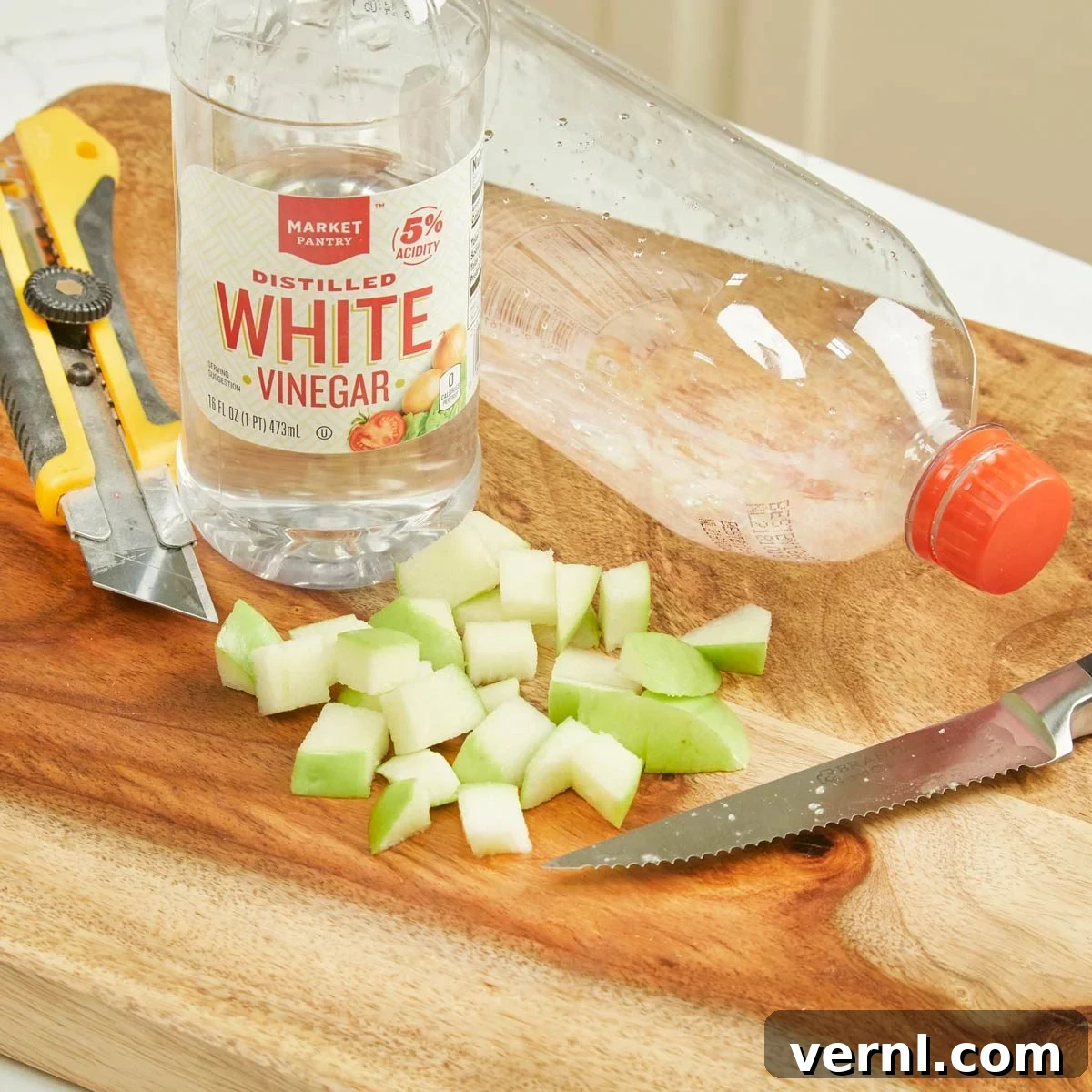
- Gather Your Materials: You’ll need an empty plastic soda or water bottle (1-liter or 2-liter works best), a sharp utility knife or scissors, some ripe fruit, and white vinegar.
- Prepare the Bottle: First, thoroughly wash the plastic bottle to remove any residue. Next, carefully cut off the top third of the bottle, separating the tapered neck section from the main body.
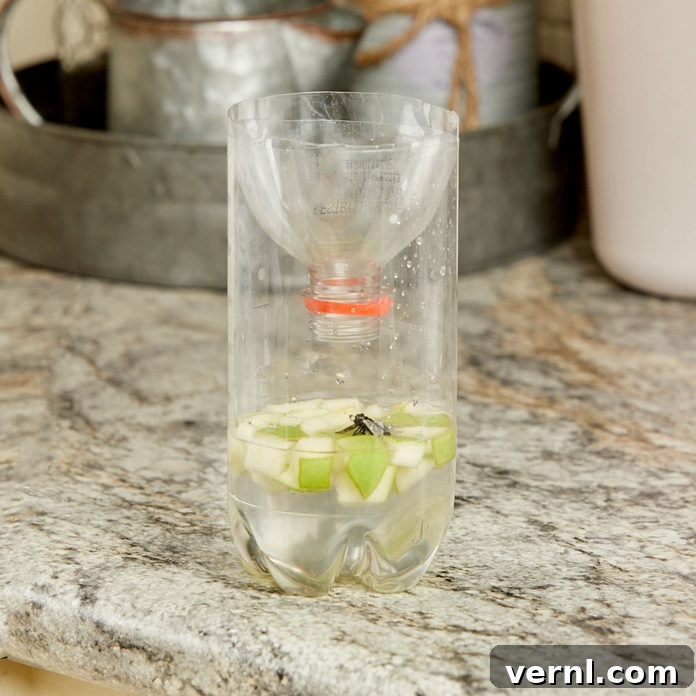
- Create the Funnel: Take the cutoff top section and invert it. Place it upside down into the bottom portion of the bottle. The bottle’s spout should now be pointing downwards into the larger base. This creates a funnel-like entrance for the flies.
- Mark the Fill Line: Using a marker, draw a line on the side of the bottle, slightly below where the inverted spout ends. This will serve as your “fill to” line for the bait mixture.
- Add the Bait: The key to an effective fly trap is irresistible bait. Fill the bottom of the bottle with several apple chunks – the riper and more fermented, the better! Overripe bananas, peaches, or any decomposing fruit or vegetable will also work wonderfully. To this, add approximately 2 cups of white vinegar. The vinegar serves a dual purpose: it adds an acidic aroma that attracts flies, and it helps deter other insects like bees from entering your trap.
- Assemble the Trap: Carefully place the cutoff top, inverted, back into the bottle’s bottom section, ensuring it sits snugly. The wide opening will allow flies easy entry, but once inside, the narrow spout makes it incredibly difficult for them to find their way back out.
The success of this homemade trap hinges on the quality of your bait. Flies are strongly attracted to the sweet, fermenting scents of decaying organic matter. Experiment with different types of overripe fruits or even a splash of old wine or beer if you have it. The stronger the alluring scent, the more effective your trap will be at luring these tiny pests.
Placement is Key: Because this trap relies on attracting flies with rotting food, be mindful of where you place it. Position your homemade fly trap in areas where you’ve noticed the most fly activity – typically kitchens, near fruit bowls, trash cans, or in bathrooms if you suspect drain flies. Avoid placing it directly where the smell might bother you or your neighbors, such as on a dining table during a meal. Empty and refresh the bait every few days for continuous effectiveness.
For more insights on tackling general fly problems, explore strategies to get rid of flies and keep your home pest-free.
Conquering Gnats: 5 Natural Traps to Keep Your Home Clear
While often confused with fruit flies, gnats are a distinct category of tiny flying insects that can be equally, if not more, irritating. Fungus gnats, commonly found hovering around houseplants, thrive in moist soil, while drain gnats prefer damp, organic matter in drains. Though not a serious health hazard like mosquitoes or rodents, gnats are an undeniable nuisance, disrupting the peace of your kitchen or living areas. The good news is that tackling these persistent pests can often be achieved with safe, natural pest control methods and ingredients you likely already have at home.
5 Natural Gnat Traps to Try
How to Get Rid of Gnats: Understanding the Pest
Before diving into solutions, it’s helpful to understand gnats. Fungus gnats are tiny, dark, mosquito-like insects attracted to damp soil and decaying plant matter, making houseplants their primary breeding ground. Drain gnats (or moth flies) are fuzzy, darker, and found near drains or stagnant water. Both are relatively harmless but multiply quickly and can become a significant annoyance. Learning how to control household pests like these through natural pest control remedies is a valuable skill for any homeowner.
The Best Homemade Gnat Trap: Apple Cider Vinegar & Dish Soap
This classic non-toxic gnat trap is lauded for its simplicity and effectiveness. Gnats, particularly fungus gnats and fruit flies, are irresistibly drawn to the fermentation scent of apple cider vinegar (ACV). The addition of dish soap ensures their demise.
Instructions:
- Prepare Jars: Gather a few small, shallow jars or bowls.
- Mix the Bait: Pour about 4 tablespoons of apple cider vinegar into each jar. Add a few drops of liquid dish soap (any brand will do). The soap breaks the surface tension of the vinegar, so when gnats land, they sink and can’t escape.
- Place Strategically: Without lids, place these non-toxic traps wherever you observe the highest concentration of gnats – often near sinks, fruit bowls, or houseplant pots.
Many homeowners, like Gina Kinnan, attest to its immediate results: “I set them out one night and the next morning, all the gnats were in the jars!” For enhanced effectiveness, you can slightly warm the apple cider vinegar to make its scent even more potent.
Household Ingredient Gnat Trap: The Sugar & Vinegar Bottle Trap
Building on the success of the plastic bottle fly trap, a similar design can be adapted specifically for gnats using different attractants. This trap effectively reuses an old plastic bottle, making it an excellent sustainable pest control method.
Instructions:
- Prepare the Bottle: As with the fly trap, wash a plastic bottle thoroughly and cut off the top third. Invert the top section and set it aside.
- Mark the Fill Line: Use a permanent marker to draw a fill line around the center of the bottle’s main body.
- Create the Bait Solution: In a separate container, dissolve 3 tablespoons of sugar in 1/4 cup of vinegar (white or apple cider vinegar works). Sugar is a potent attractant for many types of gnats.
- Fill the Trap: Pour the sugar-vinegar solution into the bottom part of the plastic bottle. Then, add water up to the fill line you marked earlier.
- Assemble and Place: Place the inverted top section back into the bottle. The wide opening allows gnats to enter easily, but the narrow neck prevents their escape. Position this homemade trap on your kitchen counter, near houseplants, or in any area with high gnat activity.
This trap works by luring gnats with a sweet, fermented scent. The sugar provides an appealing sweetness, while the vinegar adds the necessary fermentation notes that gnats find irresistible.
Simple Three-Step Gnat Trap: Honey & Yellow Sticky Cards for Houseplants
Fungus gnats are particularly fond of houseplants, often breeding in moist soil. This targeted trap leverages their visual attraction to certain colors, combined with a sticky adhesive.
Instructions:
- Prepare the Yellow Card: Take a bright yellow index card or a piece of yellow construction paper. Yellow is highly attractive to gnats because it mimics the color of stressed plants, which signal weakened defenses against predators and are thus easier targets for egg-laying.
- Apply Adhesive: Spread a thin, even layer of honey, corn syrup, or petroleum jelly onto the yellow card.
- Position in Plants: Glue or tape the card to a straw, chopstick, or small stick. Carefully insert the stick into the soil of your gnat-infested houseplants.
When gnats come to investigate the alluring yellow color, they will get stuck in the adhesive. This simple method is highly effective for directly targeting gnats around your plants and helps monitor the severity of an infestation. Remember to replace the cards once they’re covered in gnats.
Red Wine Gnat Trap: An Elegant Solution
If you enjoy a glass of wine, you might have an unexpected gnat trap already on hand. The fermented aroma of red wine is particularly enticing to gnats and fruit flies alike.
Instructions:
- Choose a Container: Pour a small amount of red wine into a shallow dish or, for better trapping, a container with a small opening like a water bottle or a wine bottle with just a splash left at the bottom.
- Optional: Add Soap: For increased effectiveness, add a few drops of dish soap to break the surface tension, similar to the ACV trap.
- Place and Wait: Place the container where gnats are prevalent. They will be attracted to the wine, enter the container, and find it difficult to escape.
This homemade gnat trap works on the same principle as the vinegar traps, leveraging fermentation. It’s a convenient option, especially if you have a bottle of red wine that’s been open for a while and is no longer ideal for drinking.
While DIY solutions are often highly effective, sometimes a severe gnat infestation calls for a more robust, specialized solution. Fortunately, there are many excellent non-toxic gnat traps available commercially that can provide powerful relief without resorting to harmful pesticides.
These traps typically come in a few forms:
- Yellow Sticky Traps: Similar to the DIY honey and yellow card, these commercial versions are often stakes that can be inserted directly into potted plants. They are covered in a strong, long-lasting adhesive that captures gnats upon contact.
- Biological Controls: Some products introduce beneficial nematodes or BTI (Bacillus thuringiensis israelensis), a natural bacterium that targets gnat larvae in the soil without harming plants, pets, or humans.
- Light Traps: Certain electronic traps use UV light to attract gnats, then trap them on a sticky glue board or electrocute them.
These purchased traps are particularly effective for eliminating fungus gnats, the most common indoor gnat species that thrives in houseplants. They offer a convenient and highly effective way to control even the worst infestations, providing peace of mind and a gnat-free environment.
Prevention is Key: Keeping Flies and Gnats Away Permanently
While traps are excellent for managing existing infestations, the best long-term strategy involves prevention. By understanding what attracts flies and gnats, you can eliminate their breeding grounds and food sources.
- Maintain Superior Cleanliness: Keep your kitchen impeccably clean. Wipe up spills immediately, clean food crumbs from counters and floors, and ensure your trash cans are clean and have tight-fitting lids.
- Proper Food Storage: Store ripe fruits and vegetables in the refrigerator or in sealed containers. Avoid leaving produce out on the counter, especially during warmer months.
- Address Moisture: Fix any leaky faucets or pipes. Clean drains regularly using a mixture of baking soda and vinegar, or a commercial drain cleaner, to eliminate organic build-up where drain flies and gnats can breed.
- Mind Your Houseplants: For fungus gnats, avoid overwatering your plants. Allow the top inch or two of soil to dry out completely between waterings. Consider bottom-watering plants to keep the topsoil drier, making it less appealing for gnat larvae.
- Seal Entry Points: Ensure windows and doors have intact screens. Repair any tears or gaps that could serve as entry points for flying insects.
- Regularly Empty Trash: Don’t let garbage sit for too long, especially food waste. Empty kitchen trash cans daily if possible.