
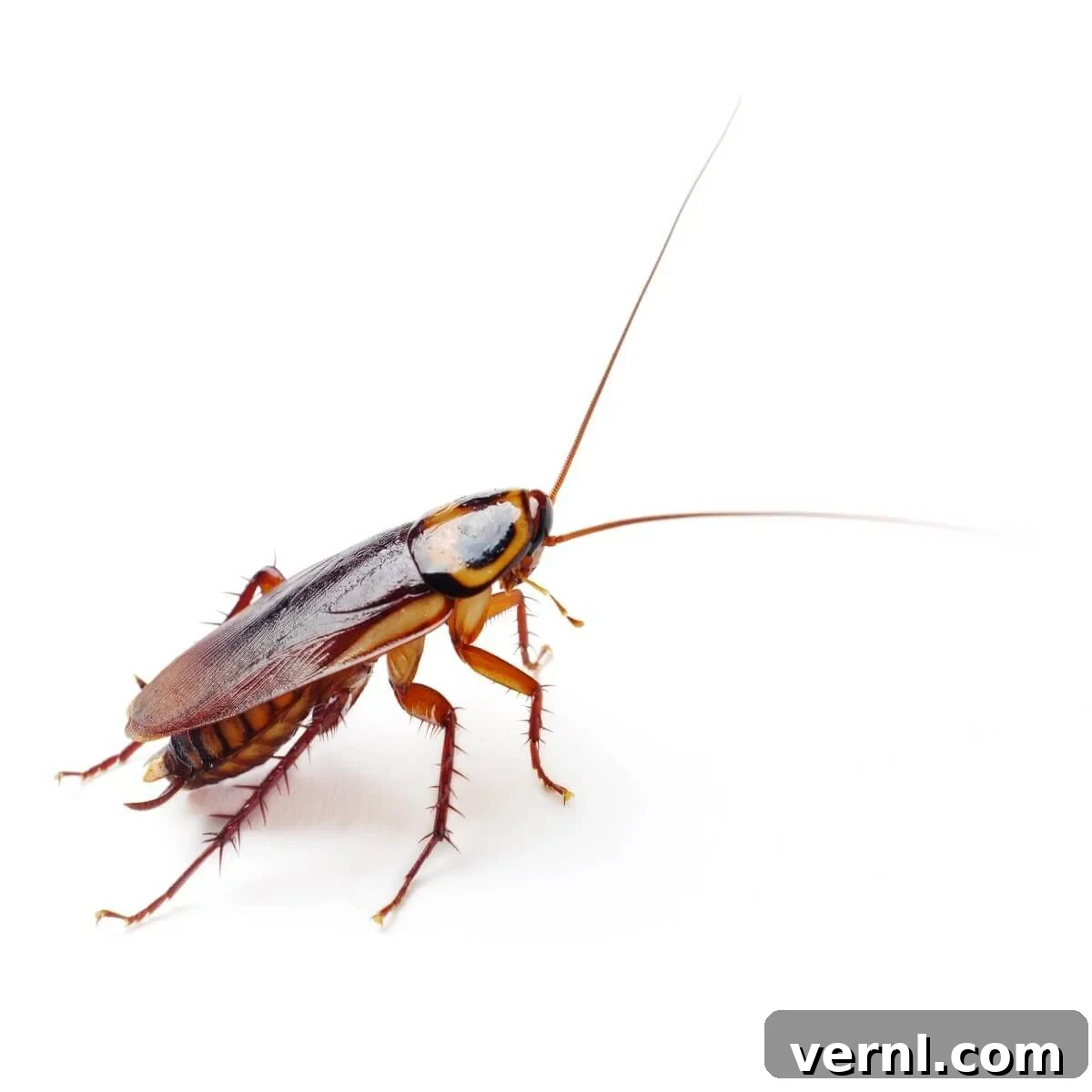
Cockroaches are among the most resilient and universally dreaded pests, notorious for their uncanny ability to survive and thrive in almost any environment. Their presence in a home is not only a nuisance but can also pose significant health risks, as they are known carriers of bacteria and allergens. While tracking them down and eradicating them permanently might seem like an uphill battle, these tenacious insects do have a fundamental weakness: an absolute dependency on readily available resources like food, water, and shelter.
“Unlike many outdoor pests that simply wander into your home, cockroaches are often unintentional hitchhikers,” explains Trenton Frazer, a lead entomologist at Aptive Environmental. “They can arrive nestled within grocery bags, boxes from storage, second-hand furniture, or even electronics. Once inside, they tend to stay and multiply, especially if there’s an abundant and consistent food supply waiting for them.”
This insight is crucial: if they’re coming in with your belongings, they’re staying because your home offers an ideal habitat. Consequently, a successful and lasting cockroach eradication strategy must involve a comprehensive, multi-pronged approach focused on eliminating these vital resources. “Storing all food in sealed containers, keeping pet food properly covered, and diligently eliminating potential nesting sites can dramatically decrease your home’s appeal to cockroaches,” Frazer adds.
This guide will walk you through the most effective methods to get rid of cockroaches for good, focusing on disrupting their lifecycle by cutting off their essential supplies and making your home an uninhabitable environment for these unwelcome guests.
How to Permanently Eliminate Cockroach Infestations
1. Eradicate All Potential Hiding Places and Clutter
Cockroaches are nocturnal and masters of concealment, preferring dark, secluded spaces where they can hide, breed, and feel secure. Denying them these sanctuary zones is a critical first step in pest control. Begin by undertaking a thorough decluttering mission throughout your entire home. Remove any unnecessary debris, stacks of old newspapers, magazines, cardboard boxes, or piles of clothes that might offer ideal hiding spots. These materials are not only excellent shelters but also provide a readily available food source due to their cellulose content. Aim to keep as many items off the floor as possible, creating an open and less inviting environment.
Beyond general clutter, pay close attention to kitchen and bathroom areas. Small appliances, such as toasters, coffee makers, microwaves, and air fryers, are common congregation points. “Always pull these appliances away from the wall and meticulously clean underneath and behind them,” advises Matt Smith of Green Pest Management. “Cockroaches are attracted to food crumbs and grease residue that accumulate in these forgotten spaces. Using cleaners with strong, natural scents like peppermint and lavender can also make these areas less comfortable for roaches, acting as a mild deterrent.” This routine should extend to larger appliances like refrigerators, stoves, and dishwashers, which often have hidden nooks and crannies where cockroaches can hide and feed on spills.
Vigilance is paramount. It’s not enough to clean once; regular and meticulous cleaning is essential. Continuously check for hidden crumbs under couches, overlooked food spills behind furniture, or sticky residues on pantry shelves. These seemingly insignificant sources can sustain a robust cockroach population.
After decluttering and cleaning, it’s time for a detailed inspection to identify and seal potential entry points and additional hiding spots. Grab a flashlight and systematically inspect your home from top to bottom. Pay close attention to your basement, attic, and any visible insulation, looking for cracks, crevices, or gaps. Examine the edges of your floorboards, the spaces underneath sinks, and behind cabinets. Crucially, inspect all areas where cables, hoses, pipes, and ducts enter or exit the house. These utility penetrations often have unsealed gaps that serve as superhighways for cockroaches and other pests.
Once identified, seal these vulnerabilities using appropriate materials. High-quality caulk is ideal for smaller cracks and seams, while expanding foam insulation works well for larger gaps around pipes and wires. Remember, cockroaches are incredibly adaptable and can squeeze through astonishingly small openings – even a gap the thickness of a quarter can be an entryway. Sealing these access points not only prevents new pests from entering but also traps existing ones, limiting their movement and potential for escape. Implement these additional tips to fortify your home against a wide range of pests.
2. Eliminate All Potential Food and Water Sources
Cockroaches cannot survive without consistent access to food and water. By systematically removing these essential resources, you can transform your home into an unappealing and ultimately uninhabitable environment for them. This step is arguably the most critical for long-term control.
Food Management:
- Refrigerate Perishables: All fruits, vegetables, and other perishable items should be stored in the refrigerator, preferably in sealed containers or bags. Do not leave fresh produce sitting out on countertops.
- Airtight Pantry Storage: Transfer all dry goods – flour, sugar, cereals, grains, pasta, rice, pet food, and spices – from their original bags or boxes into sturdy, airtight plastic, glass, or metal containers. This not only prevents cockroaches from accessing them but also keeps your food fresher for longer and protects against other pantry pests. Store these containers in high, dry places if possible.
- Immediate Cleanup After Meals: Develop a strict habit of cleaning up immediately after cooking and eating. Sweep or vacuum floors to remove crumbs, wipe down all kitchen countertops, tables, and stove tops with a disinfectant cleaner, and clean up any food spills without delay. Dishes should be washed immediately or, if waiting, rinsed thoroughly and placed in a sealed dishwasher. Do not leave dirty dishes in the sink overnight.
- Inspect Hidden Stashes: “It’s far more common than you might imagine for children to stash snacks in their rooms, often under beds, in toy boxes, or even in closets,” notes Frazer. Regularly check these areas and educate family members about the importance of eating in designated areas and cleaning up after themselves. “Pets can be equally sneaky,” he adds. “Many dogs and cats have a habit of carrying bits of kibble away from their bowls to hide for later consumption. Ensure pet bowls are cleaned daily and any leftover food is picked up.”
Water Management:
Water is just as vital as food for cockroach survival, and they can survive much longer without food than without water. Even small amounts of moisture can sustain a population.
- Fix Leaks Promptly: Inspect your plumbing for any ongoing leaks in pipes, faucets, or under sinks. Repairing these leaks immediately eliminates a constant water source.
- Wipe Away Standing Water: Meticulously wipe down all puddles, spills, and condensation, particularly in kitchens and bathrooms. After taking a shower, wipe down the bathroom floor, shower walls, and bathtub to remove lingering moisture as quickly as possible. Ensure no water collects in sinks or pet bowls overnight.
- Address Humidity: In damp areas like basements, laundry rooms, or poorly ventilated bathrooms, consider using a dehumidifier to reduce overall moisture levels. Empty air conditioner drip pans regularly.
3. Implement Strategic Bait Traps and Treatment Options
Once you’ve made your home inhospitable by removing hiding spots and food/water sources, it’s time to actively eliminate the cockroaches that remain. Among the most effective and targeted methods for this is the use of bait traps and other specialized treatments.
Bait Traps:
Effective bait traps contain a slow-acting insecticide mixed with an attractive food source. Cockroaches consume the bait and carry it back to their nests, sharing it with other roaches, including nymphs, leading to a domino effect that can decimate entire colonies.
- Strategic Placement: Place bait stations in corners, under and behind appliances (refrigerators, stoves, dishwashers), inside cabinets, under sinks, and along baseboards – essentially any dark, warm, and secluded areas where you’ve observed cockroach activity. Avoid placing them near other food sources, as the bait needs to be the most appealing option available.
- Gel Baits: Gel baits offer greater flexibility, as they can be applied into cracks and crevices where cockroaches hide directly. Apply small dots of gel bait in inaccessible areas where children and pets cannot reach them.
- Patience is Key: Bait traps work slowly, which is by design. It takes time for the insecticide to spread throughout the colony. Do not use repellent sprays simultaneously, as they can deter roaches from the bait, making your efforts ineffective.
Other Treatment Options:
- Insect Growth Regulators (IGRs): IGRs disrupt the cockroach life cycle by preventing nymphs from maturing into reproductive adults or causing sterility in adult females. They are often available in sprays or bait formulations and are excellent for long-term population control, as they target the root of the problem.
- Sticky Traps: While not a primary eradication method, sticky traps are excellent for monitoring cockroach activity and identifying their preferred pathways. Place them in suspected high-traffic areas to gauge the severity of the infestation and pinpoint exact locations for bait placement.
- Boric Acid Powder: When used correctly and safely (away from children and pets), boric acid can be an effective dust treatment. It acts as a stomach poison and abrasive on the cockroach’s exoskeleton. Apply a very thin, barely visible layer in cracks, crevices, and wall voids. Over-application will deter roaches.
- Diatomaceous Earth (DE): Food-grade DE is a natural powder made from fossilized diatoms. Its microscopic sharp edges abrade the waxy outer layer of insects, causing them to dehydrate and die. Like boric acid, it should be applied as a very thin, invisible dust in cracks and crevices.
- Repellents: While not an eradication solution, certain essential oil-based cockroach repellents (like peppermint or cedar oil) can be used as a supplementary measure to deter roaches from certain areas after the primary infestation is under control. They should not replace baiting strategies.
For severe or persistent infestations, especially those involving fast-breeding species like German cockroaches, professional pest control services are often the most effective solution. Experts have access to stronger, more targeted treatments and the knowledge to apply them safely and efficiently.
Frequently Asked Questions (FAQ) About Cockroach Control
What types of cockroaches are most common in homes?
Globally, several cockroach species can invade homes, but four are most frequently encountered. The German cockroach (Blattella germanica) is perhaps the most common indoor species worldwide, known for its small size, rapid breeding cycle, and preference for warm, humid environments, typically found in kitchens and bathrooms. The American cockroach (Periplaneta americana), also known as the “palmetto bug,” is much larger, reddish-brown, and often infests sewers and drains, occasionally venturing indoors, especially in warmer climates. Other commonly seen species include the Oriental cockroach (Blatta orientalis), which prefers cool, damp places like basements and crawl spaces, earning it the nickname “water bug,” and the brown-banded cockroach (Supella longipalpa), which is smaller and tends to prefer warmer, drier areas, often found high up in rooms, inside electronics, and in furniture. Identifying the specific type of cockroach is crucial for effective treatment, as their habits and preferred habitats vary.
How long does it take to eliminate a cockroach infestation?
The timeline for eliminating a cockroach infestation can vary significantly depending on several factors, including the severity of the problem, the species involved, and the diligence of your treatment efforts. If you are extremely vigilant with cleaning, sanitation, and applying appropriate pesticides or baits (or if you engage a professional pest control service promptly), you are likely to observe a noticeable improvement and a significant reduction in population within one to three weeks. This initial period focuses on disrupting their food sources and actively killing adults.
However, for heavier infestations, particularly with fast-breeding species like German cockroaches, which reproduce at an alarming rate, achieving complete eradication can be a more extended process. “For these more challenging scenarios, it can take anywhere from four to six weeks, and sometimes even longer, to fully knock down the entire population,” explains Trenton Frazer. This extended timeline is necessary to break the breeding cycle, ensuring that newly hatched nymphs are also targeted before they can mature and reproduce. Consistent monitoring and follow-up treatments are essential to prevent re-infestation.
Are cockroaches dangerous to human health?
Yes, cockroaches can pose significant health risks to humans. They are known to carry a variety of bacteria, viruses, fungi, and parasites on their bodies and in their feces, which can contaminate food preparation surfaces, utensils, and food items. Some of the pathogens they can transmit include Salmonella, E. coli, and various parasitic worms, which can lead to food poisoning, gastroenteritis, and other infections. Furthermore, cockroach droppings, shed skins, and saliva contain allergens that can trigger asthma attacks and allergic reactions, particularly in sensitive individuals and children. Prolonged exposure to cockroach infestations can exacerbate respiratory issues and contribute to poor indoor air quality.
How can I prevent cockroaches from returning after elimination?
Preventing a re-infestation is just as crucial as the initial elimination. Continued vigilance and consistent preventative measures are key. Maintain rigorous sanitation habits: always clean up food spills immediately, store all food in airtight containers, and never leave dirty dishes out. Regularly inspect and seal any new cracks or openings in your home’s foundation, walls, or utility entry points. Address any plumbing leaks promptly to eliminate water sources. Consider using natural deterrents like essential oils (peppermint, cedarwood) in areas where roaches might try to re-enter. Regular monitoring with sticky traps can also help you detect any new activity early before it escalates into another full-blown infestation. Consistency is your best defense against these resilient pests.
About the Experts
- Trenton Frazer is a highly experienced lead entomologist at Aptive Environmental. With two decades of dedicated service in the pest control industry, he specializes in developing effective pest control solutions and is committed to educating the public on comprehensive pest prevention and management strategies.
- Matt Smith has been an active professional in the pest control industry since 2009. He is the co-owner of Green Pest Management, a reputable company providing expert pest control services primarily to the New Castle, Delaware, area.