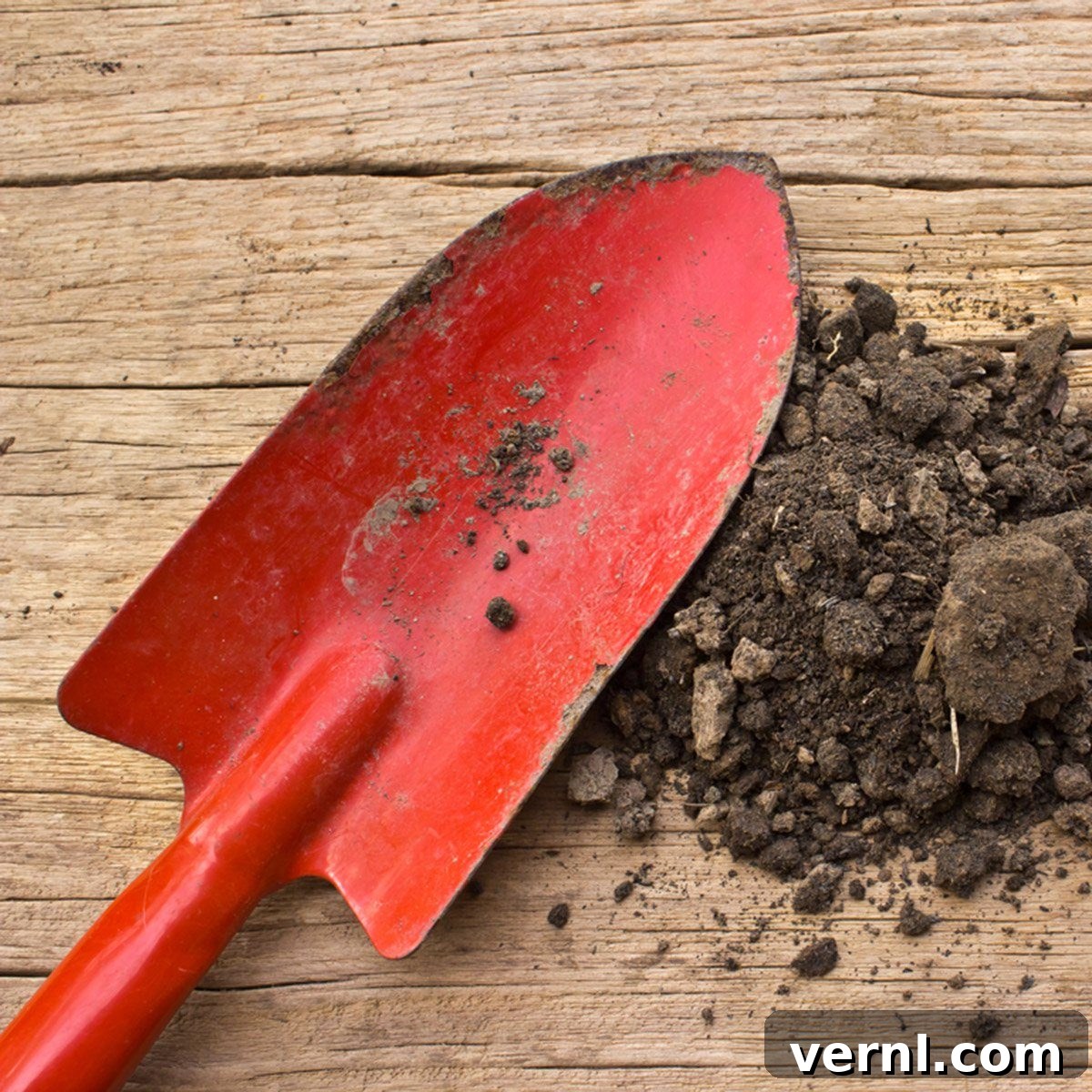
Understanding Topsoil: The Foundation of Healthy Growth
In the world of gardening and agriculture, few elements are as crucial as topsoil. Often taken for granted, this uppermost layer of Earth’s surface is a complex, living ecosystem that supports virtually all terrestrial plant life. Without healthy topsoil, bountiful gardens, thriving landscapes, and productive farms would be impossible. This comprehensive guide will delve into what topsoil is, its vital components, how it differs from other soil products, and essential strategies for its improvement and preservation.
What Exactly Is Topsoil? Defining Earth’s Living Skin
At its core, topsoil is the uppermost layer of Earth’s soil, typically ranging from a few inches to several feet in depth, depending on geographical location and historical conditions. Scientifically, it primarily refers to the “A horizon” in a soil profile. This precious layer is a rich amalgam of mineral particles, decomposed organic matter, water, air, and a vast community of living organisms. These microorganisms, fungi, insects, and earthworms collectively work to break down organic materials, cycle nutrients, and create a healthy soil structure.
The accumulation of this fertile layer is a slow, millennia-long process, resulting from the weathering of rocks and the continuous decomposition of plant and animal matter. However, despite its ancient origins, topsoil is incredibly vulnerable. Erosion, whether by wind or water, poses a serious and increasing threat, capable of depleting this vital resource rapidly. The loss of topsoil has far-reaching consequences, impacting agricultural productivity, water quality, and biodiversity. Therefore, implementing practices such as covering bare soil with mulch or establishing robust ground cover plants is paramount to its protection and long-term sustainability.
The Intricate Composition of Topsoil: A Closer Look
The physical structure of topsoil is determined by the proportions of three primary mineral components: sand, silt, and clay. Each particle type possesses unique characteristics that influence the soil’s texture, drainage, and nutrient-holding capacity:
- Sand: These are the largest particles, giving soil a gritty feel. Sandy soils allow water to drain quickly and are well-aerated, but they struggle to retain moisture and nutrients due to their large pore spaces.
- Silt: Silt particles are medium-sized, imparting a smooth, flour-like texture. Silt-rich soils often hold moisture well and provide good aeration, striking a balance between sand and clay.
- Clay: The smallest of the three, clay particles are plate-like and sticky when wet. Clay soils are excellent at retaining water and nutrients, but they can become dense and compacted, leading to poor drainage and reduced oxygen availability for plant roots.
An ideal topsoil, highly coveted by gardeners and farmers alike, is known as loam. Loam is a balanced mixture, typically containing roughly equal parts sand, silt, and clay, along with a significant percentage of organic matter. This blend results in a soil that is soft, crumbly, well-draining yet moisture-retentive, and rich in nutrients – the perfect environment for robust plant growth. However, many gardeners contend with less-than-ideal topsoil, often leaning towards heavy clay (which can be slow-draining and oxygen-deficient) or predominantly sand (which drains too quickly and struggles to hold essential moisture and nutrients). The good news is that even challenging soil types can be dramatically improved through the regular addition of compost, a powerhouse of organic matter that enhances soil structure, microbial activity, and overall fertility in all soil types.
Topsoil vs. Other “Soils”: Clearing the Confusion
The market offers a variety of products labeled as “soil,” but understanding their distinctions from true topsoil is crucial for successful gardening. Confusing these terms can lead to suboptimal plant performance and wasted effort.
Topsoil vs. Dirt: More Than Just Semantics
The terms “topsoil” and “dirt” are often mistakenly used interchangeably, but they represent fundamentally different substances. Topsoil, as we’ve established, is a living, complex matrix teeming with organic matter, microorganisms, and the essential nutrients required for plant growth. It is the lifeblood of your garden. “Dirt,” on the other hand, is a more generic term often used to describe displaced, often lifeless, soil material – what’s commonly referred to as “fill dirt.” Fill dirt typically lacks organic matter, beneficial microorganisms, and the necessary structure to support healthy plant life. Its primary purpose is for structural filling, leveling land, or creating foundations, not for cultivating plants.
Topsoil vs. Garden Soil: A Refined Choice
You’ll frequently encounter “garden soil” sold in bags at nurseries and big box stores. While based on topsoil, garden soil is a specially formulated product designed for specific garden applications. It is essentially topsoil that has undergone a process of screening to remove large debris, rocks, and impurities, and has been generously amended with compost and other organic materials. This enhancement improves its texture, nutrient content, and water retention. Garden soil is too heavy and dense for use in pots and containers, which require lighter, more aerated mediums. However, it is exceptionally well-suited for enriching existing garden beds, establishing new planting areas, and preparing lawns ready to be reseeded, providing an immediate boost of fertility and improved structure.
Topsoil vs. Potting Soil: The Container Conundrum
When it comes to container gardening, potting soil (also known as potting mix) is the preferred choice, and it’s distinctly different from topsoil. Unlike topsoil, potting soil is typically a “soil-less” mixture engineered for the unique challenges of confined container environments. It is characterized by its lightweight nature, excellent drainage, and superior aeration, all critical for preventing compaction and root rot in pots without drainage holes or with limited volume. Common components include:
- Peat Moss or Coir: Provides excellent water retention and a lightweight base.
- Perlite or Vermiculite: Adds aeration, improves drainage, and prevents compaction.
- Wetting Agents: Helps break the surface tension of water, allowing peat moss to absorb moisture more effectively.
- Slow-Release Fertilizers: Provides a continuous supply of nutrients to plants over time.
- Moisture-Holding Crystals: Further enhance water retention, especially useful for plants that require consistent moisture.
These specialized ingredients ensure that container plants receive the optimal balance of moisture, air, and nutrients without becoming waterlogged or root-bound.
Potting Soil vs. Raised-Bed Soil: A Specialized Blend
With the increasing popularity of raised-bed gardening, suppliers have introduced specialized raised-bed soils to cater to this unique growing environment. Raised beds require a medium that bridges the gap between the density of garden soil and the lightness of potting mix. Raised-bed soil is specifically formulated to be lighter than traditional topsoil, preventing excessive compaction within the raised confines, yet heavier and more robust than potting soil, offering better long-term structural integrity and nutrient retention for larger, deeper plantings. These blends often contain a rich mix of compost, ensuring a steady supply of nutrients, along with “wood fines” – small pieces of already composted or partially composted wood. These wood fines help maintain an open, aerated structure, improve drainage, and contribute to the organic matter content as they continue to break down, mimicking the benefits of a well-established garden bed.
The Lifeline of Your Garden: Why Topsoil Health Matters
Beyond its physical composition, healthy topsoil is a vibrant, living ecosystem. A single teaspoon of healthy topsoil can contain billions of microorganisms, including bacteria, fungi, protozoa, and nematodes, alongside larger inhabitants like earthworms and insects. These organisms play indispensable roles in the soil food web:
- Nutrient Cycling: Microbes decompose organic matter, converting it into plant-available nutrients.
- Soil Structure: Fungi create networks (hyphae) and earthworms tunnel through the soil, improving aeration and water infiltration.
- Disease Suppression: A diverse microbial community can help suppress plant diseases by outcompeting harmful pathogens.
- Water Retention: Organic matter acts like a sponge, increasing the soil’s capacity to hold water.
Ultimately, the vitality of your topsoil directly correlates with the health and productivity of your plants. Healthy topsoil leads to stronger roots, more vigorous growth, higher yields, and increased resistance to pests and diseases.
Practical Steps to Enhance Your Topsoil
Improving and maintaining the health of your topsoil is an ongoing process that yields significant rewards. Here are some of the most effective strategies:
1. Regular Compost Incorporation
The most impactful way to amend topsoil is by regularly digging or lightly incorporating compost into the top six to eight inches. Compost is a nutrient-rich organic material that provides a steady supply of essential nutrients for plants and, more importantly, feeds the beneficial microorganisms that constitute a “living soil.” It dramatically improves soil structure, enhances water retention in sandy soils, and loosens heavy clay soils, promoting better aeration and drainage. For best results, aim to add a 1-2 inch layer of compost annually.
2. The Power of Mulch
Mulching is a simple yet incredibly effective practice for topsoil health. Applying a layer of organic mulch (such as shredded leaves, wood chips, straw, or bark) over bare soil offers numerous benefits:
- Moisture Retention: Mulch reduces evaporation, keeping the soil consistently moist.
- Weed Suppression: It blocks sunlight, preventing weed seeds from germinating.
- Temperature Moderation: Mulch insulates the soil, keeping it cooler in summer and warmer in winter.
- Organic Matter Addition: As organic mulches decompose, they gradually add valuable organic matter to the topsoil, improving its fertility and structure over time.
- Earthworm Habitat: Mulch provides a favorable environment for earthworms, who tirelessly aerate the soil with their tunneling and enrich it with their nutrient-rich castings (waste). Starting mulching with shredded leaves is an excellent, free way to begin.
3. Consider Cover Cropping
For garden beds that lie fallow during certain seasons, planting cover crops (e.g., clover, vetch, rye) can be transformative. Cover crops protect bare soil from erosion, suppress weeds, add organic matter when tilled under, and some even fix nitrogen into the soil, reducing the need for synthetic fertilizers.
4. Minimize Soil Compaction
Foot traffic and heavy machinery can compact topsoil, reducing aeration and making it difficult for roots to penetrate. Create designated pathways in your garden beds, use raised beds to avoid stepping on planting areas, and consider tools like broadforks for aeration without excessive disturbance.
5. Conduct Regular Soil Testing
To truly understand your topsoil’s specific needs, perform a soil test every few years. This analysis will reveal your soil’s pH level, nutrient deficiencies, and organic matter content, guiding your amendment strategies with precision.
Conclusion: Nurturing Your Topsoil for a Sustainable Future
Topsoil is far more than just “dirt” – it is the living skin of our planet, a dynamic ecosystem that underpins all life and sustains our gardens and food supply. Understanding its composition, recognizing its unique characteristics compared to other planting mediums, and diligently implementing practices to improve and protect it are fundamental to successful gardening and sustainable land management. By prioritizing the health of your topsoil through compost, mulch, and mindful cultivation, you invest in a thriving garden, a healthier environment, and a more resilient future.