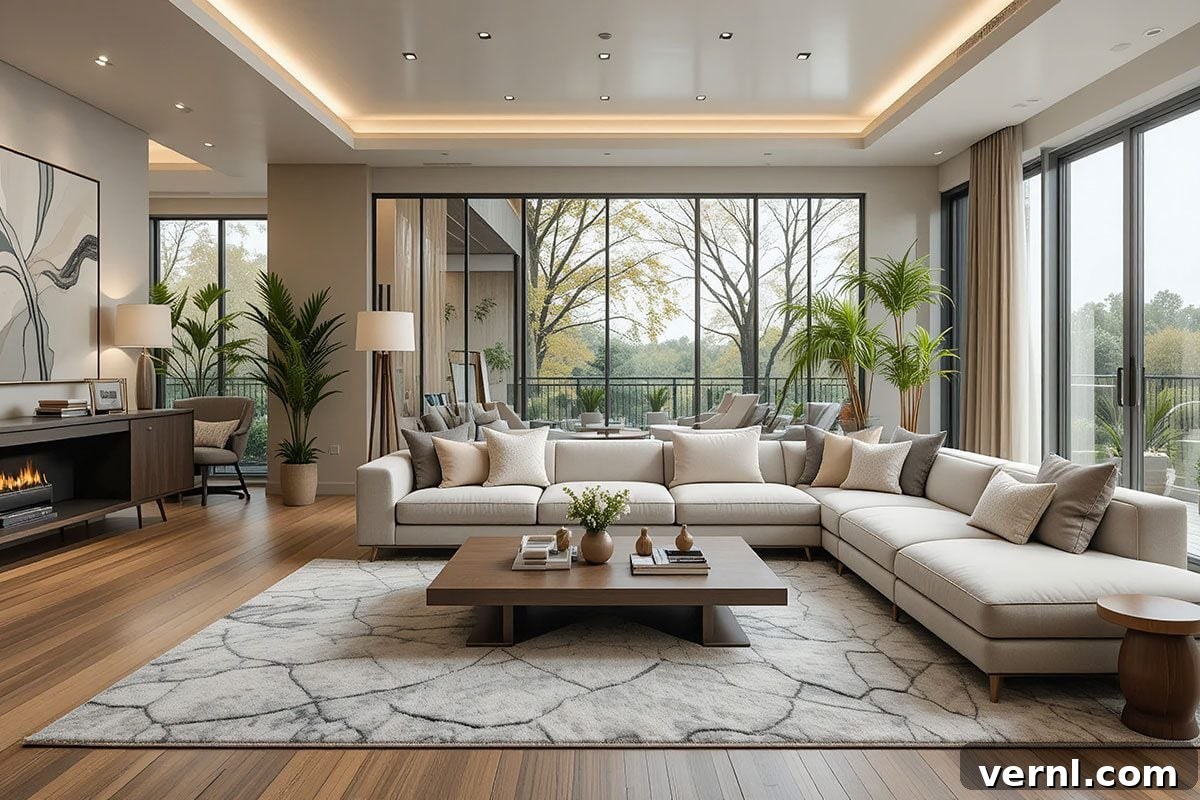
Transform Your Home: Mood-Boosting Decor to Beat Winter Blues
Living through the endless gloomy days and icy temperatures of winter can profoundly impact your mental well-being. If you find yourself yearning for brighter days and struggling to recall the last time you felt the warmth of the sun, it’s time to take control of your indoor environment. Bringing the sunshine indoors through intentional design is a powerful strategy to combat seasonal affective disorder (SAD) and general winter blues. Mood-boosting home decor is an effective and enjoyable way to uplift your spirits and create a haven from the less-than-inspiring view outside. The right paint colors, strategic lighting, and carefully chosen decorative accessories can collectively elevate your mood and foster a more positive atmosphere.
To help you navigate these long winter months with renewed optimism, we consulted with leading experts in the field: an accomplished interior designer and a creative wellness expert. Their invaluable insights offer practical, science-backed decorating tips that will not only brighten your home but also significantly enhance your overall mood and mental health.
The Profound Impact of Home Décor on Your Mood and Well-being
Our immediate surroundings exert a powerful, often subconscious, influence on our mood and emotional state. This impact is far more significant than many realize. Dr. Eleni Nicolaou, a renowned wellness expert, explains the intricate neurological process: “When visual input hits the eye, the signal splits into two distinct paths. One path heads directly to the visual cortex, the region of the brain responsible for helping us interpret and ‘see’ the room. The second, crucial path bypasses conscious processing and heads straight to the amygdala, which is the brain’s emotional control center, managing our emotional responses and threat detection mechanisms.”
This fundamental neurological process means that the visual cues in our environment can trigger immediate physiological and emotional reactions. An unwelcoming room, characterized by harsh, unforgiving lighting, excessive clutter, or a chaotic layout, can inadvertently heighten our sense of alertness, leading to feelings of anxiety, restlessness, and even irritability. Conversely, a thoughtfully designed warm, inviting, and cozy room has the opposite, deeply beneficial effect. Dr. Nicolaou elaborates, “In a calming environment, your heart rate will naturally slow down, and your cortisol, the primary stress hormone, levels will significantly decrease. Considering that we spend considerably more time indoors during the winter months, these subtle yet pervasive environmental cues accumulate daily, shaping our emotional landscape and contributing substantially to our overall mental well-being.” Understanding this connection empowers us to intentionally design spaces that nurture our peace and happiness.
Illuminate Your Space: Best Lighting Strategies for Beating Winter Gloom
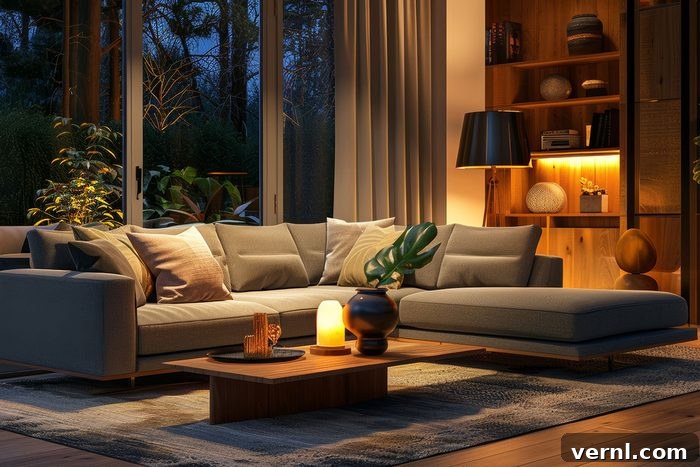
One of the most immediate and impactful ways to transform your home into a cheerful sanctuary from the cold, dark outdoors is through strategic lighting. Interior designer Claire Summer-Jones emphasizes the importance of warmth and softness: “Softer lamps with warmer tones can create a safe, comforting, and more relaxing environment, perfect for retreating into during these darker months. That harsh, glaring overhead ceiling fixture, so common in many homes, can be overly bright, leading to eye strain, persistent headaches, and even a sense of overstimulation, disrupting your sense of calm.”
To achieve optimal ambiance and functionality, adopt a layered lighting approach. Incorporate multiple sources of light, including versatile table lamps, elegant floor lamps, and subtle wall lighting. This creates depth and dimension in a room, making it feel more inviting and less one-dimensional. Beyond just adding fixtures, consider the power of dimmer switches. These simple yet revolutionary devices allow you to precisely control the intensity of light, enabling you to create soft, intimate lighting for evening relaxation and brighter, more invigorating light during the day to mimic natural daylight cycles. Furthermore, pay attention to the color temperature of your bulbs, measured in Kelvin (K). Opt for bulbs in the 2700K to 3000K range for a warm, cozy glow, especially in living areas and bedrooms. In contrast, slightly cooler temperatures (3500K-4000K) might be suitable for task lighting in home offices or kitchens where alertness is desired, but avoid anything above 5000K as it can feel too stark and clinical. Maximizing natural light by keeping window treatments open during the day and strategically placing mirrors to reflect light deeper into rooms can also significantly brighten your space.
Harnessing the Power of Color: Choosing Mood-Boosting Hues
Color is a profoundly influential element in interior design, directly affecting our emotions, energy levels, and even behavior. Therefore, selecting paint colors that are known to boost mood, increase vitality, and foster optimism can be a potent weapon against seasonal depression. Dr. Nicolaou highlights the psychological connection: “The colors that are most likely to genuinely improve your mood are those that instinctively remind your body of warmth and invigorating daylight. Hues such as rich terracotta, soft, buttery yellows, and gentle peachy tones effectively simulate the color temperature of a radiant sunrise or a serene sunset, which are known to stimulate the production of serotonin in your brain – our body’s natural mood stabilizer.”
Integrating these joyful colors doesn’t always necessitate a complete repainting project. If a full-scale renovation isn’t feasible or desired, there are numerous creative ways to infuse your home with cheerful vibrancy. Consider using these mood-lifting colors generously through large pieces of captivating art, easily applicable peel-and-stick wallpaper on an accent wall, or by updating your textiles. Think vibrant bedding, an assortment of decorative pillow covers, plush throws, or a colorful area rug. Even smaller accents like vases, decorative bowls, or curtains can collectively make a significant difference. Explore shades of warm green, which evoke nature and renewal, or light blues, reminiscent of a clear sky, as these can also have a calming yet uplifting effect. The key is to surround yourself with colors that personally resonate with joy and positivity.
Embracing Nature: Integrating Natural Elements and Biophilic Design
When your view outside the window consists solely of oppressive gray skies, skeletal bare branches, and slick icy roads, it becomes critically important to intentionally incorporate touches of the natural world into your interior spaces. This practice, often referred to as biophilic design, allows you to cultivate the hope and vitality of spring right within the comfort of your living room, regardless of the season outside. A vibrant vase brimming with high-quality faux greenery, or a living, breathing houseplant if you possess a green thumb, can work wonders for your mental health. Plants not only add life and color but also contribute to improved indoor air quality and a sense of calm.
Beyond foliage, consider integrating natural materials like warm, rich wood and cool, grounding stone into your decor. These elements help anchor the space, connecting you to the earth and subtly reminding you of the beauty and resilience of the outdoors. Think about wooden furniture, stone accent pieces, natural fiber rugs (like jute or sisal), or even simple decorative elements like river stones or driftwood. Even patterns and textures that mimic natural forms – such as botanical prints, leaf motifs, or abstract patterns found in nature – can contribute to a biophilic environment. Opening your blinds or curtains to maximize any available natural light, even on cloudy days, further strengthens this connection to the outside world, creating a more harmonious and restorative living environment.
Crafting Your Sanctuary: Creating Cozy and Inviting Spaces
Ultimately, your home should function as a protective and comforting cocoon, shielding you from the harsh realities of dreary weather outside. When you survey your decor, the feeling it evokes should be nothing short of a delightful burst of happiness—a sensation crucial for keeping seasonal depression at bay. Claire Summer-Jones passionately advises: “Surround yourself with colors and pieces that genuinely bring you immense joy! Incorporate bright and bold colors, thought-provoking art that showcases a sense of humor, all accompanied by some seriously cozy blankets and sumptuous throws. These elements combined will effortlessly infuse that happy-sunshine feel even in the deepest, coldest depths of winter!”
Creating truly cozy spaces goes beyond aesthetics; it’s about engaging all your senses. Think tactile comfort: layer plush textures like faux fur, cashmere, wool, and velvet through throws, cushions, and area rugs. These inviting textures encourage relaxation and make a space feel more luxurious and welcoming. Arrange your furniture to promote conversation and intimacy, perhaps creating a dedicated reading nook with a comfortable armchair and a warm blanket. Personalize your space with objects that hold sentimental value – framed photographs of loved ones, souvenirs from cherished travels, or handmade items that tell a story. Consider adding subtle, natural scents through essential oil diffusers or soy candles with comforting aromas like vanilla, sandalwood, or citrus. Even incorporating soft, low-volume background music can enhance the serene atmosphere. The goal is to design environments that invite you to slow down, relax, and find comfort, making your home a true sanctuary against the winter chill.
Frequently Asked Questions About Mood-Boosting Decor
Should I avoid dark colors completely when decorating for mood?
Not necessarily. Interior designer Claire Summer-Jones clarifies, “Dark colors have a dual nature; they could be perceived as oppressive or wonderfully cozy—it largely depends on the specific color temperature and undertone itself. For instance, a rich, deep forest green can feel cool and soft if it has more blue mixed into its undertone, or it can be incredibly warm and vibrant if it contains more red. The subtle undertone of the color makes a colossal difference in how a dark shade impacts a room’s atmosphere, often more so than whether the color is simply dark or light.” Dark colors used strategically on an accent wall or in a small, intimate space can create a dramatic, enveloping, and sophisticated cocoon-like feel, especially when balanced with warm lighting and plush textures.
Can clutter make seasonal depression worse?
Absolutely, yes. Dr. Eleni Nicolaou explains the neurological reasoning: “The primary reason for this negative impact is that your brain is continuously scanning your environment for potential threats or items that demand your immediate attention. Clutter causes your visual cortex to process an overwhelming number of multiple objects simultaneously. As a direct result, your stress levels inevitably increase because your brain unconsciously interprets the visual disarray of clutter as a collection of uncompleted tasks or unresolved issues, leading to a heightened sense of mental burden and fatigue.” A tidy and organized space reduces visual noise, allowing your mind to relax and focus, which is crucial for managing seasonal blues.
About the Experts
- Dr. Eleni Nicolaou is an acclaimed Art Therapist and Creative Wellness Coach. She holds a Ph.D. in Clinical Psychology and possesses an extensive research background specifically focused on the profound impact of environmental aspects on mood regulation and the body’s stress response.
- Claire Summers-Jones is a dedicated interior-focused maker, a passionate DIY educator, and the proud owner and founder of Beech Tree Studio. A significant portion of her impactful work with clients revolves around understanding and implementing how the design and arrangement of spaces within your home directly affect mood, focus, and overall mental health.
RELATED:
- 7 Signs You’re Over-Decorating
- 18 Cheap Decor Ideas That Look Expensive
- 14 Traditional-Style Home Decor Ideas That Are Still Cool