
Maximize Your Workshop’s Potential: Creative & Eco-Friendly Uses for Sawdust
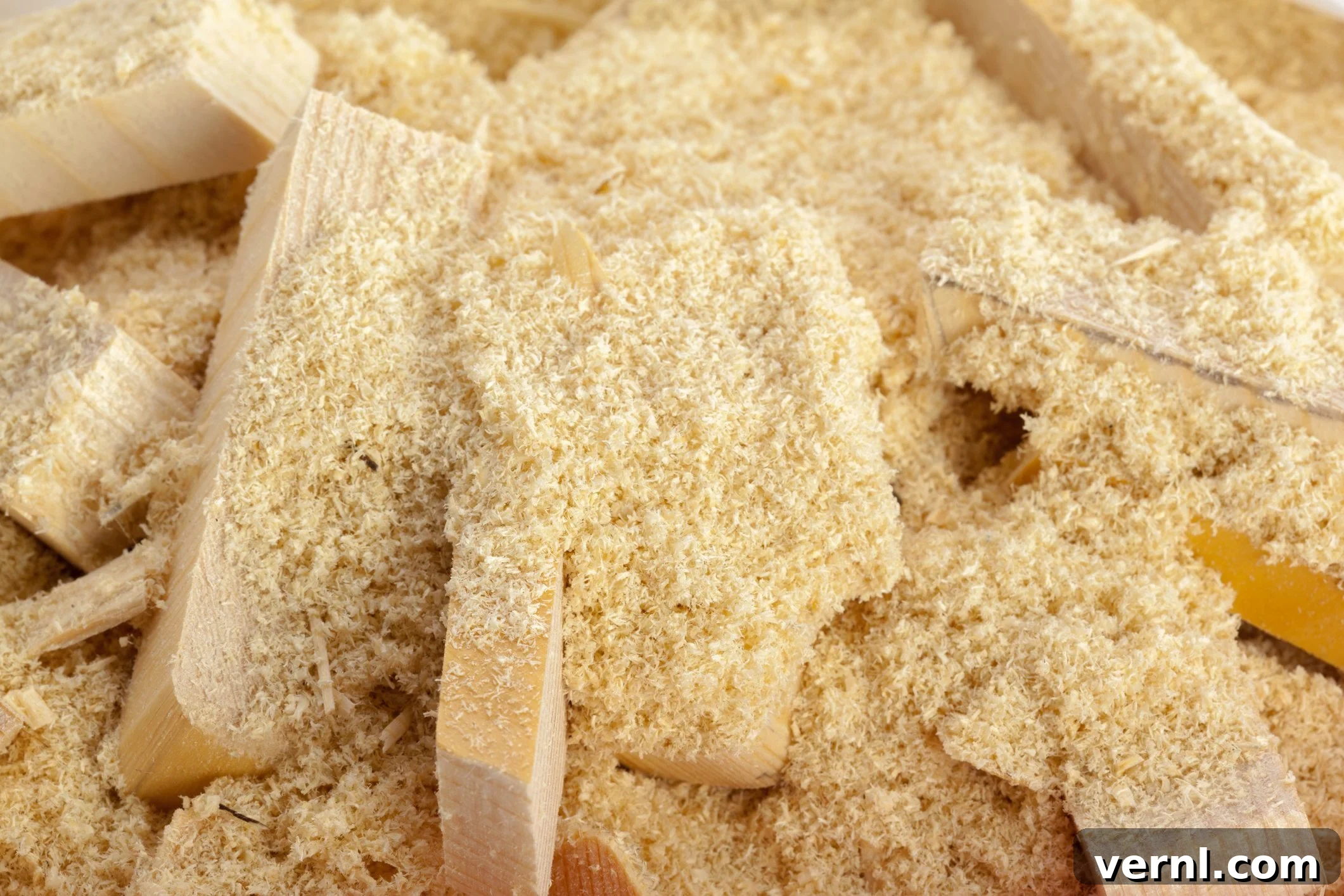
Every dedicated woodworker knows the familiar scene: a fine layer of sawdust coating surfaces, gathering under tools like the trusty table saw, or accumulating around a powerful dust collection system. Whether you’re a hobbyist with occasional projects or a professional operating a busy workshop, sawdust is an undeniable byproduct of working with wood. Far from being mere waste, this versatile material offers a wealth of opportunities for recycling and repurposing, transforming a common nuisance into a valuable resource.
While large industrial woodworking facilities have long recognized the economic value of sawdust, often collecting it meticulously for sale as a primary ingredient in products like particleboard, medium-density fiberboard (MDF), and composite wood products, small-scale woodworkers might overlook its potential. However, even if you don’t produce enough sawdust to sell commercially, there are countless practical and environmentally friendly ways to utilize it around your shop, home, and garden. This comprehensive guide explores the diverse applications of sawdust, helping you reduce waste and discover its hidden utility.
Understanding Sawdust: Untreated vs. Engineered Wood Dust
Before diving into the myriad uses, it’s crucial to distinguish between different types of sawdust, as their origins dictate their safe applications. The most valuable and versatile is “virgin” sawdust, derived from solid, untreated wood. This type of sawdust typically comes from lumber that hasn’t been chemically processed and is generally safe for organic applications. It can be freely used in gardens, with pets, and for various DIY projects around the house without concern for harmful chemical leaching.
Conversely, sawdust generated from engineered wood products such as plywood, oriented strand board (OSB), MDF, particleboard, or pressure-treated wood often contains glues, resins, formaldehyde, and other chemicals. These substances can be toxic and are generally unsuitable for direct contact with plants, animals, or anything that might enter the food chain. For instance, pressure-treated wood contains preservatives designed to prevent rot and insect infestation, which are highly detrimental to organic life.
However, even chemically treated sawdust isn’t useless; it simply requires more careful handling and application in specific scenarios where its chemical properties are less of a concern, such as absorbing spills. Always identify your sawdust source before deciding on its use. The next time you sweep up that pile of wood dust from your shop floor or clear your workbench, consider its origin and save it. Here are some of the most innovative and practical ways to put your sawdust to good use, ensuring you get the most out of every cut and sand.
Embrace Sustainable Gardening: Recycling Sawdust as Compost
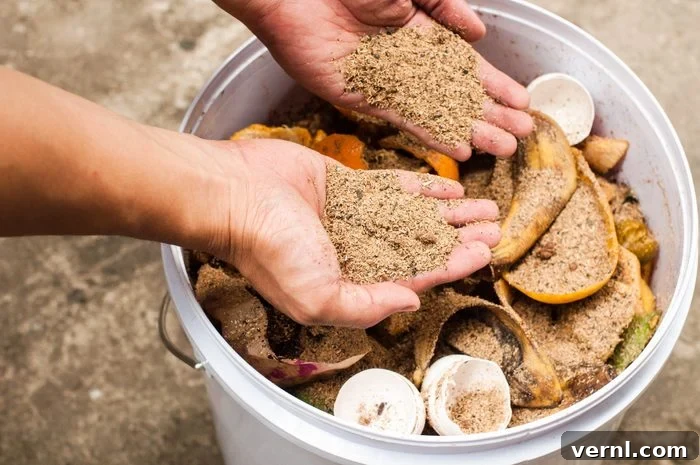
For environmentally conscious woodworkers and gardeners, integrating sawdust into your composting efforts is a fantastic way to enrich your soil and reduce organic waste. Sawdust boasts a remarkably high carbon-to-nitrogen (C:N) ratio, making it an excellent “brown” material for your compost pile. Just as you might add dry leaves, straw, or shredded paper, sawdust serves as a valuable substitute, balancing the nitrogen-rich “green” materials like kitchen scraps and grass clippings to create a good compost mixture. This balance is crucial for healthy decomposition, preventing odors and promoting a rich, nutrient-dense finished product.
When using sawdust for compost, it’s vital to use only untreated wood dust. Chemically treated sawdust should never be introduced into a traditional compost tumbler or directly into garden beds, as the toxins can leach into the soil and harm plants or beneficial microorganisms. For large outdoor compost piles where treated sawdust might inadvertently be mixed in, you can potentially mitigate some chemical effects by repeatedly dousing the pile with water over several months during warmer seasons, encouraging leaching, though this is not a foolproof method. For untreated sawdust, its fine texture helps aerate the compost while slowly breaking down, contributing organic matter that improves soil structure, water retention, and microbial activity. Furthermore, untreated sawdust is an inexpensive and highly effective additive for composting toilets, where its absorbency and organic properties are particularly beneficial for managing waste responsibly.
Craft Your Own Perfect Wood Filler
Why purchase generic wood filler when you can create a custom batch that perfectly matches your project’s wood species? By mixing the fine dust collected from an orbital or belt sander with the right adhesive, you can produce a superior wood filler right in your shop. The key is to use the finest sawdust possible, as this will result in the smoothest, most blendable filler that seamlessly integrates with the surrounding grain. When selecting an adhesive, it’s critical to avoid common white carpenter’s glues, which can react with sawdust to form a noticeable gray or discolored mush, especially under clear finishes, compromising the aesthetic appeal of your work.
The primary advantage of homemade wood filler is its natural color match. Because it’s made from the very wood you’re working with, the filler will seamlessly blend into the surrounding grain, becoming virtually invisible once sanded and finished. This is particularly useful for projects where a flawless finish is paramount. To preserve this natural color and achieve durable results, opt for a clear resin-based adhesive like lacquer or polyurethane. For situations requiring exceptional strength and adhesion, particularly for repairing corners or areas subject to stress and movement, an epoxy glue mixed with sawdust creates an incredibly robust filler. This epoxy-sawdust blend can be sanded, stained, and finished just like the surrounding wood, offering superior durability. This DIY approach not only saves money but also ensures a professional-looking repair or imperfection correction that commercial fillers often struggle to achieve.
Pet-Friendly Applications: Comfort and Cleanliness
Untreated sawdust, particularly from aromatic woods like pine or cedar, is naturally fragrant and highly absorbent, making it a versatile and economical material for pet care. However, it is absolutely essential to use only non-toxic sawdust from non-engineered wood. Woods like cedar and pine contain natural oils that can be beneficial for odor control, but always ensure the sawdust is free from chemical treatments, finishes, or glues that could harm your animals. Certain woods, like black walnut, are toxic to animals and should never be used for pet bedding.
- Cat Litter Alternative: For cat owners seeking sustainable options, sawdust can serve as an effective and eco-friendly substitute for commercial cat litter. Its excellent absorbency helps manage liquids, and the natural scent of pine sawdust can help control odors, creating a fresher environment. While it’s not flushable, used untreated sawdust litter can be buried in the garden (ensuring it’s not near edible plants) or safely disposed of in municipal waste without significant environmental harm. This offers a more sustainable option that reduces reliance on clay-based litters, which are often strip-mined.
- Small Pet Bedding: Sawdust makes soft, comfortable, and absorbent bedding for smaller caged pets such as hamsters, guinea pigs, and rabbits. It helps keep their enclosures dry and clean, absorbing urine and minimizing smells, which is crucial for their health and comfort. Remember to change the bedding regularly to maintain hygiene and prevent ammonia buildup, which can cause respiratory issues for small animals.
- Livestock Bedding: For larger animals, untreated sawdust is an excellent choice for bedding in chicken coops, horse stalls, and other livestock enclosures. Its superior absorbency helps keep stalls dry, reducing odors, discouraging insect infestations, and creating a more comfortable and hygienic environment for animals. It’s also often a more cost-effective and sustainable option compared to straw or other traditional bedding materials, and once used, if from untreated wood, it can often be composted to further enrich agricultural soils, creating a beneficial cycle.
DIY Fire-Starting Bricks for Cozy Fires
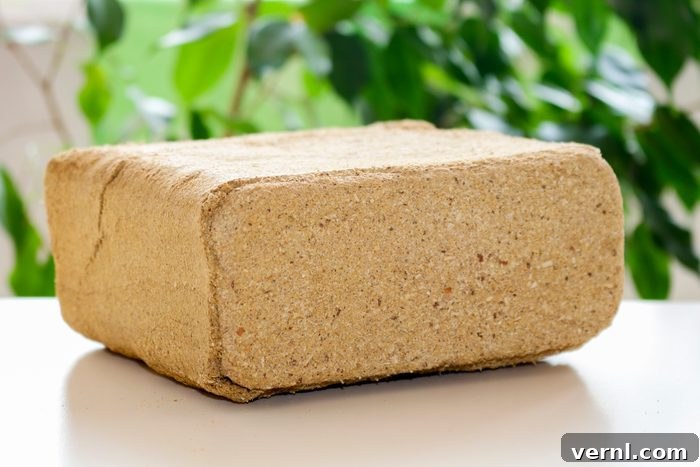
Transform your workshop waste into a practical resource for your fireplace, fire pit, or wood stove by creating your own fire-starting bricks or balls. This clever use utilizes non-toxic sawdust as the primary component for effective kindling, offering a sustainable and economical way to enjoy warm fires without relying on store-bought firelighters. The process is straightforward and can be a rewarding DIY project, turning a waste product into a valuable household item.
To make fire-starting bricks, begin by mixing sawdust with water to form a thick, moldable paste. The consistency should be firm enough to hold its shape. Compress this mixture firmly into a brick mold – you can use purpose-made molds, or repurpose old milk cartons, small plastic containers, or even tightly packed tin cans as molds. Once molded, allow the bricks to dry completely in the sun or in a warm, well-ventilated area, which can take several days to a week depending on humidity and temperature. Thoroughly dry bricks will ignite much more easily and burn more consistently. Alternatively, you can moisten the sawdust, let it stiffen slightly overnight, and then form it into hand-sized balls, drying them in the sun.
For enhanced ignition and a longer, more sustained burn, consider adding a small amount of melted paraffin or candle wax to your sawdust mixture before molding. The wax acts as a binder and provides additional fuel, helping the sawdust catch fire more readily. You can also incorporate lint from your dryer vent, which is highly flammable, to further aid in lighting. These homemade fire starters burn slowly and consistently, making it easier to get your fire roaring without relying on chemical firelighters. It is absolutely crucial to ensure you use only untreated sawdust for this application, as burning chemically treated wood can release harmful and toxic fumes into your home or the environment.
Winter Safety: Prevent Slips on Icy Surfaces
When winter arrives, bringing treacherous icy conditions, sawdust offers a surprisingly effective and environmentally friendly alternative to traditional rock salt for improving traction on slippery surfaces. Spreading non-toxic sawdust on icy walkways, driveways, or steps provides instant grip, significantly reducing the risk of slips and falls for residents and visitors alike. Unlike corrosive salts, which can damage concrete, pavement, vehicles, and the soles of shoes, sawdust is completely inert and harmless. It also won’t sting the paws of pets, making it a much safer option for households with animals.
It’s crucial to use only non-toxic sawdust from non-engineered wood for this purpose, especially if there’s nearby vegetation, as chemically treated wood could leach harmful substances into the soil, potentially harming plants or groundwater. As temperatures rise and winter gives way to spring, the sawdust will naturally decompose, slowly enriching the soil rather than leaving behind a corrosive residue that needs to be cleaned up or that pollutes waterways. This makes it an excellent choice for homeowners and municipalities looking for a safe, non-corrosive, biodegradable, and cost-effective solution to winter slip hazards, aligning perfectly with sustainable living practices. It’s a simple, yet highly effective way to keep your property safe and environmentally sound during the coldest months.
Responsible Disposal: Hardening Old Paint
Dealing with leftover paint can be a common household dilemma and a significant environmental concern. It’s often illegal and certainly irresponsible to simply pour liquid paint down the drain or throw paint cans with liquid contents directly into the trash due to strict environmental regulations concerning hazardous waste. Sawdust provides an ingenious and eco-friendly solution for safely disposing of those partially-filled paint cans, transforming liquid waste into a solid, manageable form.
By adding a sufficient amount of sawdust – whether treated or untreated (as its purpose here is absorption, not organic interaction) – to the leftover paint, you can solidify it, making it safe for regular trash disposal. The fine wood fibers in the sawdust possess remarkable absorption capabilities, effectively soaking up the liquid paint and causing it to harden into a solid, manageable mass. Once hardened, which can take a few hours to overnight depending on the paint type and sawdust volume, you can easily chip or scrape out the paint/sawdust mixture. This solidified waste can then be safely thrown into your household trash, complying with most waste disposal regulations. This method not only addresses a potentially hazardous waste item but also allows you to clean and reuse the now-empty paint can for other storage purposes in your workshop or home, further reducing waste.
Effective Cleanup: Soaking Up Spills and Dust
Beyond its many other uses, sawdust excels as a powerful absorbent for various spills and for general cleaning applications, particularly in a workshop or garage environment. This is one application where even chemically treated sawdust can be used effectively without environmental concerns, making it a truly versatile cleanup tool. Its natural composition allows it to quickly and efficiently absorb a wide range of liquids, from workshop chemicals to household accidents.
Wood fibers possess remarkable absorption capabilities, making them ideal for tackling tough spills like oil, grease, or paint in the garage or on concrete floors. Simply spread a generous layer of sawdust evenly over the spill, allow it adequate time to soak up the liquid thoroughly – which might take several minutes – and then sweep it away with a broom. This method is far more effective, economical, and less messy than attempting to clean large spills with rags or paper towels, which quickly become saturated. Furthermore, sawdust is highly effective at absorbing pet urine and vomit from concrete or outdoor surfaces, helping to contain the mess and making cleanup significantly easier and more hygienic.
For an added benefit, you can mix some baking soda with the sawdust before spreading it, which will help deodorize the area as the sawdust absorbs the spill, neutralizing unpleasant odors. To clean a dirty or dusty workshop floor, especially one with fine dust that tends to lift into the air when swept dry, moisten some sawdust slightly with water until it’s damp but not soaking wet. Spread this moistened sawdust evenly over the floor, and then sweep it up. The damp sawdust acts like a magnet, capturing fine dust particles and small debris, preventing them from becoming airborne and ensuring a much cleaner and healthier sweep, without creating dust clouds.
Traditional Storage: Preserving Root Crops
In an era before widespread refrigeration, inventive and natural methods were employed to preserve perishable foods, and sawdust played a significant role in storing root crops through the cold winter months. This traditional technique is still highly effective today, offering a simple, natural, and lightweight substitute for cold soil storage. If you grow carrots, potatoes, parsnips, beets, turnips, or other root vegetables in your garden, untreated sawdust can help keep them fresh, firm, and flavorful for extended periods, long after harvest.
The process is straightforward: begin by spreading a generous layer of clean, untreated sawdust on the bottom of a wooden or sturdy cardboard box. Ensure the box is free from odors and any chemical residues. Carefully arrange your harvested vegetables on this layer, making sure they do not touch each other. This prevents rot from spreading if one vegetable starts to spoil. Then, fill the box completely with sawdust, creating multiple layers of vegetables separated by generous amounts of the wood dust. The sawdust provides excellent insulation, maintaining a consistent temperature and humidity level around the crops, which effectively inhibits sprouting, shriveling, and spoilage. Store the filled box in a cool, dark, and slightly humid place like a basement, root cellar, or unheated garage. The sawdust prevents moisture loss while allowing just enough air circulation, mimicking the natural conditions of cool soil and significantly extending the shelf life of your harvest well into the winter months.
Natural Weed Control: Black Walnut Sawdust
For woodworkers fortunate enough to work with black walnut, a unique and powerful weed-killing property awaits. Black walnut wood contains a natural compound called juglone, which is a potent allelopathic substance and a natural herbicide. When black walnut sawdust is spread on cracks in your walkways, patio, or driveway, the natural oils containing juglone will slowly leach into the ground with rain or watering, effectively killing weeds that attempt to sprout in those specific areas. This offers an organic and chemical-free method of controlling unwanted plant growth in hardscapes, providing a targeted solution for common weed nuisances.
However, extreme caution must be exercised when using black walnut sawdust, as juglone is non-selective and will harm most other plants. While effective for unwanted weeds in paved areas, *never* use black walnut sawdust anywhere else in your garden, especially near vegetable beds, flower borders, around fruit trees, or near sensitive shrubs. Its phytotoxic effects can severely stunt or even kill desired plant life. Gardeners often refer to this phenomenon as “walnut toxicity” or “allelopathy.” Use it judiciously and only where you intend to eradicate plant growth, taking meticulous care to prevent runoff into other planted areas. This targeted application leverages a powerful natural property of wood to solve a specific gardening challenge, highlighting the importance of understanding the properties of different wood types.
[cf]skyword_tracking_tag[/cf]