
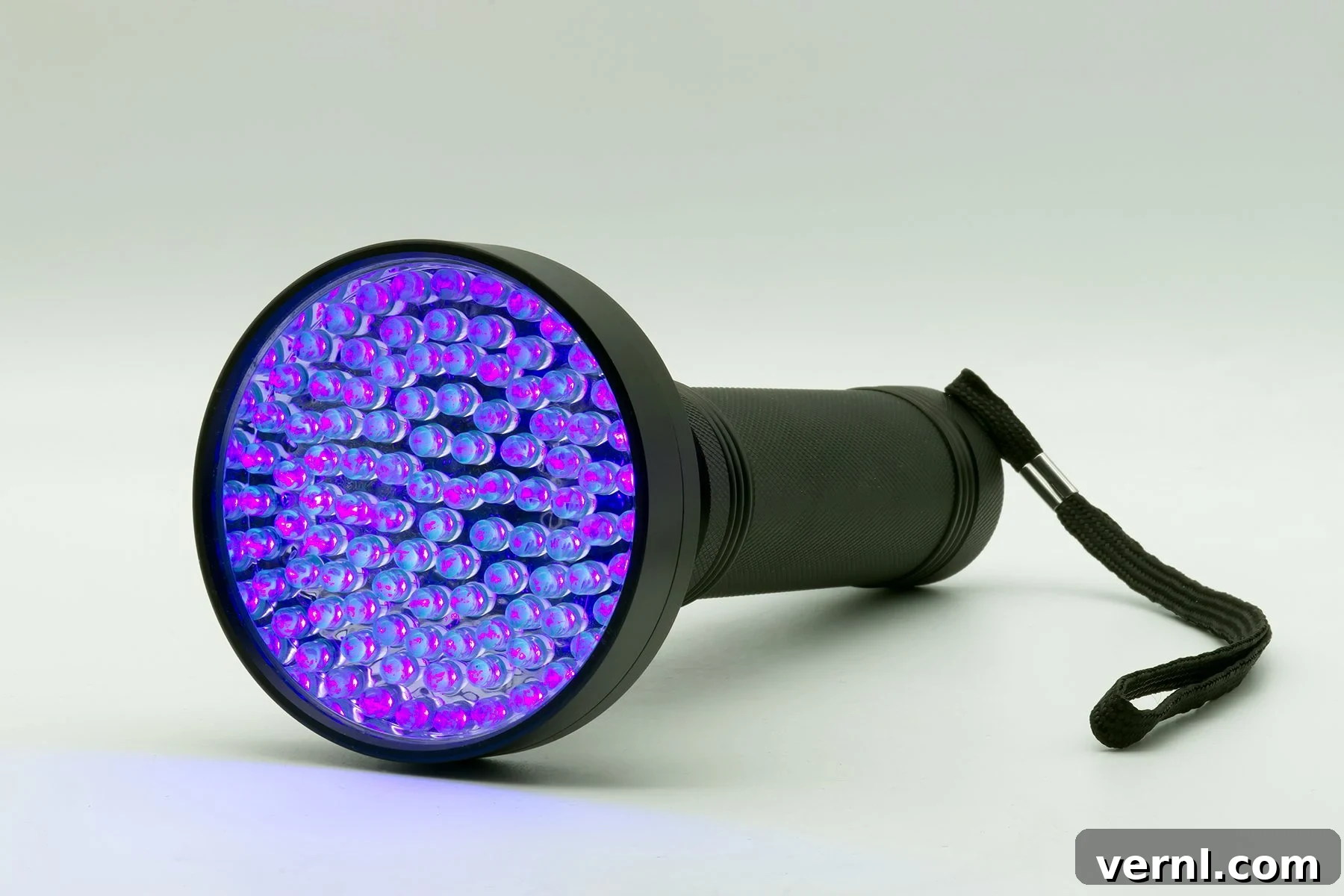
Understanding Mold: A Common Household Nuisance
Mold, a ubiquitous part of our natural environment, plays a crucial role in decomposition outdoors. However, when it establishes itself indoors, mold transforms from a natural process into a significant problem for homeowners. Thriving in damp, dark, and poorly ventilated spaces, mold can rapidly spread across various surfaces, including walls, ceilings, carpets, and upholstered furniture. Beyond its unsightly appearance and musty odor, indoor mold can pose serious health risks, particularly for individuals with allergies, asthma, or compromised immune systems. Exposure to mold spores can trigger allergic reactions, respiratory issues, skin irritation, and other adverse health effects, making effective mold control and removal essential for maintaining a healthy living environment.
Many people are familiar with traditional methods for tackling minor mold issues, such as airing out damp items like blankets or outdoor cushions in the sun. This age-old remedy leverages natural elements: fresh air circulation helps to dry out moisture, while direct sunlight, a full-spectrum light source, exposes the mold to various light frequencies, including ultraviolet (UV) light. While often effective for surface mold on portable items, this approach raises a more profound question: how exactly does UV light contribute to mold eradication, and is it a viable solution for more extensive or persistent mold problems within a home?
To delve into the science behind UV light and its potential as a mold killer, we’ve consulted with leading experts in environmental remediation and home maintenance. We’ll explore insights from Forrest Webber, an electrician and founder of a professional cleaning company, and Kevin Goude, an experienced HVAC specialist, to provide a comprehensive understanding of UV light’s capabilities and limitations in the ongoing fight against household mold.
Does UV Light Kill Mold? Unpacking the Scientific Evidence
“Yes, UV light can effectively kill mold spores,” confirms Forrest Webber. He elaborates, “Its power lies in its ability to mess with the DNA of mold spores, rendering them unable to reproduce and spread their unwelcome presence throughout your home, especially in places like basements where mold loves to thrive.” This powerful effect isn’t magic; it’s a fundamental principle of physics and biology that leverages the unique properties of ultraviolet radiation.
To truly grasp why UV light is lethal to mold, it’s helpful to recall some basic high school physics regarding light. Light, while behaving like a wave, possesses both wave-like and particle-like properties. Crucially, it has a specific wavelength and frequency. The electromagnetic spectrum encompasses a vast range of light types, from radio waves to gamma rays. Ultraviolet light occupies a segment of this spectrum with shorter wavelengths compared to visible light, which directly correlates to higher frequencies. According to Max Planck’s famous equation (Energy = h × frequency, where ‘h’ is Planck’s constant), high-frequency light carries significantly more energy. This elevated energy content is precisely why UV light, particularly certain types, possesses the power to damage and destroy microscopic organisms like mold spores, bacteria, and viruses, whereas the less energetic visible and infrared light forms do not.
The high-energy photons in UV light disrupt the molecular bonds within the DNA and RNA of mold spores. This damage prevents their cellular processes, particularly replication. Once their genetic material is sufficiently damaged, mold spores lose their ability to reproduce, germinate, and grow, effectively neutralizing their threat. This makes UV light a powerful tool for sterilization and disinfection, targeting the very core of mold’s survival mechanism. Understanding this mechanism is key to appreciating both the potential and the limitations of UV light in practical mold remediation scenarios.
How Long Does UV Light Take to Kill Mold? Factors Influencing Efficacy
The efficacy of UV light in killing mold isn’t instantaneous; it’s a factor of exposure and several environmental conditions. If you’re utilizing an artificial UV light source, several critical variables dictate the necessary exposure time: the intensity of the light source, the specific frequency of the UV light being emitted, and the distance between the light source and the mold colonies. Dara Greany, CEO of LEDLightExpert.com, offers practical insights into this timeline. According to her, it typically takes an average of 90 minutes of direct UV light exposure to effectively neutralize mold spores. However, this duration can extend considerably, potentially requiring three to five hours, especially if you’re dealing with a lower-intensity light source or a larger area heavily infested with mold. Factors like the type of mold, the density of the growth, and even the surrounding temperature and humidity can also play a role, making precise timing crucial for optimal results.
The closer the UV light source is to the mold, the more concentrated and intense the radiation will be, leading to faster kill times. Conversely, a weaker light or greater distance will necessitate longer exposure. This highlights the importance of matching the UV equipment to the scale and severity of the mold problem for optimal results, and underscores that casual, brief exposure may not be sufficient to achieve effective mold eradication.
What Type of UV Light Kills Mold? Focusing on Germicidal UV-C Radiation
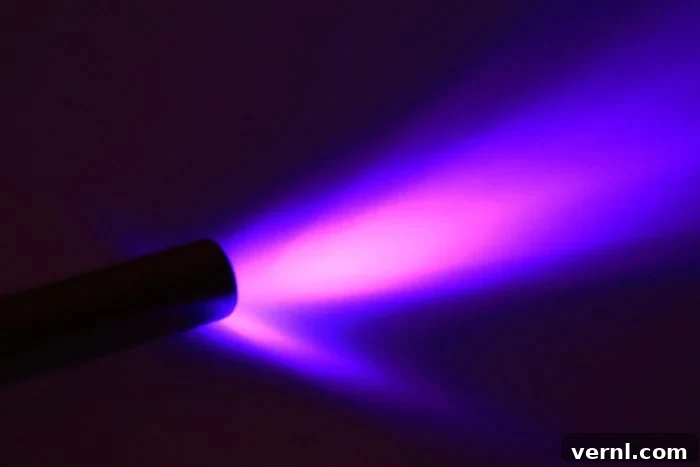
When discussing UV light’s germicidal properties, it’s crucial to distinguish between its different classifications. “UV-C light is the specific type of ultraviolet radiation that proves most effective at killing mold spores, as well as bacteria and viruses,” explains Webber. The ultraviolet spectrum is broadly categorized into three distinct bands based on wavelength and energy levels: UV-A, UV-B, and UV-C.
- UV-A (Long-wave UV): This segment of the UV spectrum is closest to visible light and has the longest wavelength, meaning it carries the lowest energy. It’s responsible for skin tanning and penetrates deeply into the skin. While present in sunlight, its energy is generally insufficient to effectively kill mold or other microorganisms. This is why spending time in the sun, while helpful for drying, doesn’t offer the same potent germicidal action as dedicated UV-C systems.
- UV-B (Medium-wave UV): With shorter wavelengths and higher energy than UV-A, UV-B light is primarily responsible for sunburn. Like UV-A, it is present in natural sunlight, but its germicidal properties are limited compared to UV-C. Overexposure to UV-B also contributes to skin cancer risk.
- UV-C (Short-wave UV, Germicidal UV): This is the most energetic and shortest wavelength segment of the UV spectrum, making it incredibly powerful for disinfection. UV-C radiation is so potent that it is almost entirely absorbed by the Earth’s ozone layer and atmosphere, meaning it does not naturally reach the ground level in significant amounts. This natural filtration is fortunate for life on Earth, as direct exposure would be extremely harmful.
Because UV-C radiation does not occur naturally at ground level, its application for mold (and other pathogen) eradication relies on artificially produced sources. Specialized germicidal lamps, often mercury-vapor lamps, are designed to emit UV-C light at wavelengths specifically optimized for disinfecting purposes, typically around 254 nanometers. These lamps are critical components in various sterilization applications, from medical facilities and water treatment plants to air purification systems in homes and commercial buildings. The controlled production of UV-C allows for its targeted use in environments where pathogen control is paramount, providing a powerful, chemical-free method of reducing microbial loads on surfaces and in the air.
Safety Considerations When Using UV-C Light for Mold Control
Despite its effectiveness, it’s vital to approach the use of artificial UV-C light with extreme caution. Due to its high energy, direct exposure to UV-C light can be highly damaging to human skin and eyes. It can cause severe burns to the skin, akin to an intense sunburn, and lead to conditions like photokeratitis (a painful inflammation of the cornea) or even permanent eye damage. Therefore, when using UV-C lamps for mold remediation or air purification, it is imperative to follow manufacturer instructions meticulously and ensure that no humans, pets, or plants are exposed to the direct radiation. Specialized protective gear, such as UV-blocking eyewear and clothing, is necessary if exposure is unavoidable for professional applications. In most household settings, UV-C lamps should be operated in unoccupied rooms or within enclosed systems, such as HVAC ducts, where there is no risk of direct exposure. Never look directly into a UV-C light source or allow your skin to be exposed while it is operating. Improper use can lead to serious health consequences.
What Type of Mold Does UV Light Kill? Understanding Its Practical Limitations
While UV-C light is scientifically proven to kill mold spores, its practical application in real-world scenarios comes with significant limitations, primarily concerning direct contact. Forrest Webber succinctly articulates this challenge: “Mold is a sneaky little thing. It likes to hide in places where the light doesn’t shine – think behind walls, under floorboards, deep within carpet fibers, or tucked away in obscure corners of your attic or basement. So, unless your mold problem is brazenly lounging somewhere in the direct line of fire of the UV light, that light might not reach it. And if the UV rays don’t hit the mold, those spores will just keep plotting their grand comeback.”
He further illustrates, “Think of UV light as a laser pointer in a game of whack-a-mole. It’s incredibly effective for the moles it hits squarely, but it won’t magically seek out or penetrate surfaces to reach the sneaky spores deep in the walls or under the carpet.” This means that while UV light can sterilize surfaces that are directly illuminated, it cannot penetrate porous materials like drywall, wood, fabric, or even a thick layer of existing mold itself. If mold is embedded within these materials, or hidden from the light source, UV radiation will simply not reach the core of the problem. For comprehensive mold remediation, particularly for established colonies, addressing the hidden mold and its underlying moisture source remains paramount. UV light is not a silver bullet for widespread, embedded mold issues; its efficacy is strictly limited to line-of-sight exposure.
Are There More Effective Alternatives and Comprehensive Strategies to Kill Mold?
Given the inherent limitations of UV light, especially its inability to address hidden mold or penetrate surfaces, experts strongly advise against relying on it as a standalone solution for significant mold problems. “I don’t recommend relying solely on UV lights as your only solution for mold control,” warns HVAC expert Kevin Goude. He advocates for a multi-faceted approach, suggesting that UV light should be considered a supplemental mold control method, integrated into a broader strategy, rather than the primary means of attack. Effective mold remediation requires a holistic approach that targets both existing mold and the conditions that allow it to flourish.
Addressing the Root Cause: Moisture Control is Key to Prevention
The fundamental principle of effective mold remediation and prevention is to eliminate the conditions that allow mold to thrive. Since mold requires moisture to grow, controlling indoor humidity is the most critical step. Goude emphasizes, “You need to lower indoor humidity to 50 percent or below.” This involves a series of proactive measures:
- Fixing Plumbing Leaks Promptly: Even minor drips from pipes, roofs, or foundations can create sufficient moisture for mold growth. Inspect your home regularly and promptly repair any leaks, no matter how small.
- Improving Ventilation: Proper airflow helps remove moist air and prevent condensation. Utilize exhaust fans in bathrooms and kitchens, especially during and after moisture-generating activities like showering, bathing, or cooking. Opening windows when outdoor humidity is low can also facilitate beneficial air exchange.
- Ensuring Good Air Circulation: Stagnant air allows moisture to accumulate in specific areas. Ceiling fans can help circulate air throughout a room, preventing pockets of high humidity and promoting even drying of surfaces.
- Using Dehumidifiers: In naturally humid climates or areas prone to dampness, a dehumidifier can be an invaluable tool to maintain optimal indoor humidity levels, especially in basements, crawl spaces, and laundry rooms.
By depriving mold colonies of their essential moisture source, you prevent them from germinating, growing, and spreading, effectively halting the problem at its source and drastically reducing the likelihood of recurrence.
Effective Cleaning Methods for Existing Mold Colonies
While moisture control prevents new growth, existing mold colonies must be physically removed. Forrest Webber recommends what he calls the “Dynamic Duo” for tackling visible mold: “Vinegar is your best friend. It’s cheap, it’s non-toxic, and mold absolutely hates it. Mix undiluted white vinegar with water in a spray bottle and go to town on moldy surfaces.” Vinegar’s mild acidity can effectively kill many types of mold, and unlike bleach, its lower surface tension allows it to penetrate porous surfaces to reach the hyphae (root-like structures) of mold, making it less likely for the mold to grow back from hidden depths.
The use of bleach for mold removal is a common misconception, often leading to temporary cosmetic improvements rather than true remediation. You’ve likely heard that bleach effectively kills mold — and indeed, it can kill surface mold spores. However, its high surface tension prevents it from deeply penetrating porous materials such as wood, drywall, and grout. Consequently, when bleach is applied to these surfaces, it primarily kills the visible surface mold while the deeper hyphae remain unaffected, often leading to regrowth. Furthermore, bleach can be corrosive to materials, emit harsh fumes that are harmful to respiratory health, and may even degrade the materials it’s intended to clean without truly solving the mold problem. For these compelling reasons, the U.S. Environmental Protection Agency (EPA) generally recommends against using bleach for routine mold cleaning, especially on porous materials.
Instead, for small areas of mold (less than 10 square feet, approximately a 3 ft by 3 ft patch), the EPA advises a simple yet effective method: clean moldy surfaces with a detergent and water solution, scrubbing thoroughly to remove all visible mold. After cleaning, it is absolutely crucial to ensure the area is dried completely and rapidly to prevent immediate regrowth. Always wear appropriate personal protective equipment, such as gloves, eye protection, and a N95 respirator mask, when cleaning mold to avoid exposure to spores and protect your health.
When to Call in the Professionals for Mold Remediation
While DIY methods are suitable for minor, superficial mold issues, there are instances where professional mold remediation is not just recommended, but essential for safety and effectiveness. If the mold covers a large area (more than 10 square feet), if it’s hidden behind walls, under flooring, or within ceilings, if you suspect mold is growing in your HVAC system (which can spread spores throughout the entire home), or if anyone in the household experiences persistent health issues related to mold exposure, it’s time to call in certified mold remediation specialists. Professionals have the expertise, specialized equipment (like HEPA vacuums and air scrubbers), and safety protocols (such as containment barriers and negative air pressure) to identify the source of moisture, safely contain and remove mold, and prevent its recurrence, ensuring a healthy and safe environment for your home. Attempting to remediate large or hidden mold problems without proper training and equipment can inadvertently spread spores and exacerbate the issue.
About Our Esteemed Experts
- Forrest Webber: After completing his studies at Tulane University, Forrest Webber embarked on a career as an electrician. He later channeled his expertise into founding Bear Brothers Cleaning, a reputable cleaning company based in Alabama, specializing in comprehensive cleaning and remediation services, with a strong focus on effective, safe solutions for homeowners.
- Kevin Goude: Kevin Goude is the proud owner of First Choice Heating & Air, a highly regarded South Carolina company. His firm is dedicated to providing expert HVAC maintenance, repair, and installation services, playing a critical role in maintaining optimal indoor air quality and environmental control for homes and businesses through efficient climate systems.
Key Sources and Further Reading
- Greany, Dara: UV Lights — How Do They Kill, and How Long Does It Take a UV-C Light to Kill?; LEDLightExpert.com, 2023. This article provides in-depth technical information on UV-C germicidal efficacy and timing, crucial for understanding its application in disinfection.
- U.S. Environmental Protection Agency (EPA): What Are the Basic Mold Cleanup Steps?; EPA.gov, 2024. A comprehensive and authoritative guide from a trusted environmental authority on safe and effective mold remediation practices for homeowners.
- Eco Flood & Mold Remediation: Never Use Bleach to Treat, Clean or Kill Mold? Read Why!; EcoFMR.com, 2021. This resource offers a detailed explanation of why bleach is often ineffective for mold, particularly on porous surfaces, and provides alternative, more sustainable solutions.