
Sod vs. Seed: Which is Right for Your Lawn? A Comprehensive Guide
Is your front yard looking a little lackluster? Perhaps it’s time for a lawn makeover! Deciding between sod and seed is a crucial first step. Both have their advantages and disadvantages. This guide will help you navigate the choices, ensuring you select the best method for a vibrant, healthy lawn. Remember, consistent lawn care is essential for either choice.
What is Sod? Understanding the Basics
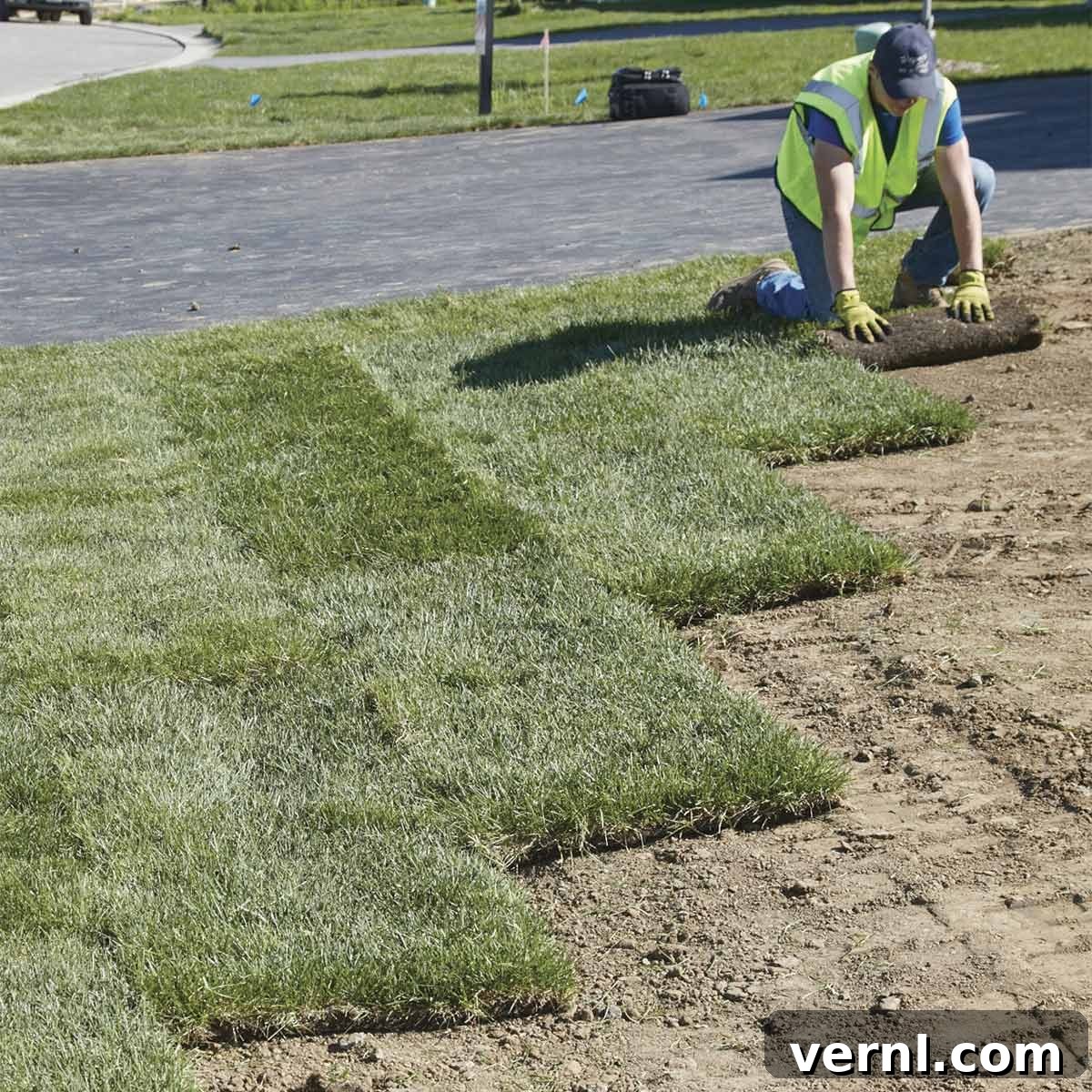
Sod, also known as turf, is essentially pre-grown grass. It consists of a thin layer of soil with established grass and its roots, harvested in rectangular or square pieces. Sod provides an instant lawn, offering immediate curb appeal. Different types of sod are available, using various grass species, each suited to specific climates, sunlight conditions, and soil types.
The Advantages of Choosing Sod for Your Lawn
Sod offers several compelling benefits:
- Instant Lawn: Sod provides an immediate transformation. Simply roll it out, and you have a lawn almost instantly.
- Weed and Erosion Control: The dense coverage of sod makes it harder for weeds to establish, and helps prevent soil erosion.
- Uniform Appearance: Sod creates a consistently even look, as the grass type is uniform throughout the yard.
The Drawbacks of Using Sod
While sod offers instant gratification, it also has potential downsides:
- Cost: Sod can be significantly more expensive than grass seed. Prices vary based on location and the specific grass type, but can be a considerable investment. Professional installation can add to the expense.
- Installation Complexity: Proper sod installation requires careful preparation and execution. Improper installation can result in dead spots, uneven surfaces, and seam lines.
- Preparation Requirements: Installing sod requires significant prep work, including soil testing, clearing the area, grading, tilling, and potentially adding topsoil.
Exploring the Benefits of Grass Seed for Your Lawn
Grass seed presents an alternative route to a beautiful lawn, with its own set of advantages:
- Cost-Effectiveness: Grass seed is generally much more affordable than sod. This can be a significant benefit for those on a budget.
- DIY-Friendly: Seeding a lawn is often simpler for DIY enthusiasts. You can avoid the complexities of sod installation, such as precise fitting and seam management.
- Variety and Customization: Grass seed offers a wider range of options. You can select specific grass types or blends tailored to your yard’s unique conditions, such as shade tolerance or drought resistance.
Potential Disadvantages of Choosing Grass Seed
Consider these points before opting for grass seed:
- Time Commitment: It takes longer for grass seed to germinate and establish. Patience is key.
- Erosion Concerns: Newly seeded areas are susceptible to erosion from wind and rain, particularly on slopes.
- Weed Competition: Weeds can easily outcompete new grass seedlings. Careful weed control is critical.
- Maintenance: Requires frequent watering during the establishment phase, which could be challenging in areas with water restrictions or dry climates.
Sod vs. Seed: Making the Right Decision for Your Yard
The “better” choice truly depends on your individual needs and circumstances. Here’s how to decide:
- Budget: Consider your budget constraints. If cost is a primary concern, grass seed may be a better option.
- Time: Factor in the timeline. If you want a quick fix, sod provides an immediate lawn. If you can wait, grass seed can be more cost-effective.
- Yard Conditions: Assess your yard’s sunlight levels, soil quality, and existing vegetation. Seed allows for greater customization to accommodate different areas.
- Project Scope: If you only need to patch a few bare spots, overseeding with seed is the most practical solution. However, if you are replacing the entire lawn, consider both sod and seed carefully. If you are looking to make your existing lawn thicker, overseeding may be the best course of action.
Regardless of your choice, remember that a beautiful lawn requires ongoing care and maintenance. Consistent watering, fertilizing, and mowing are essential to maintain a lush, healthy lawn for years to come.