
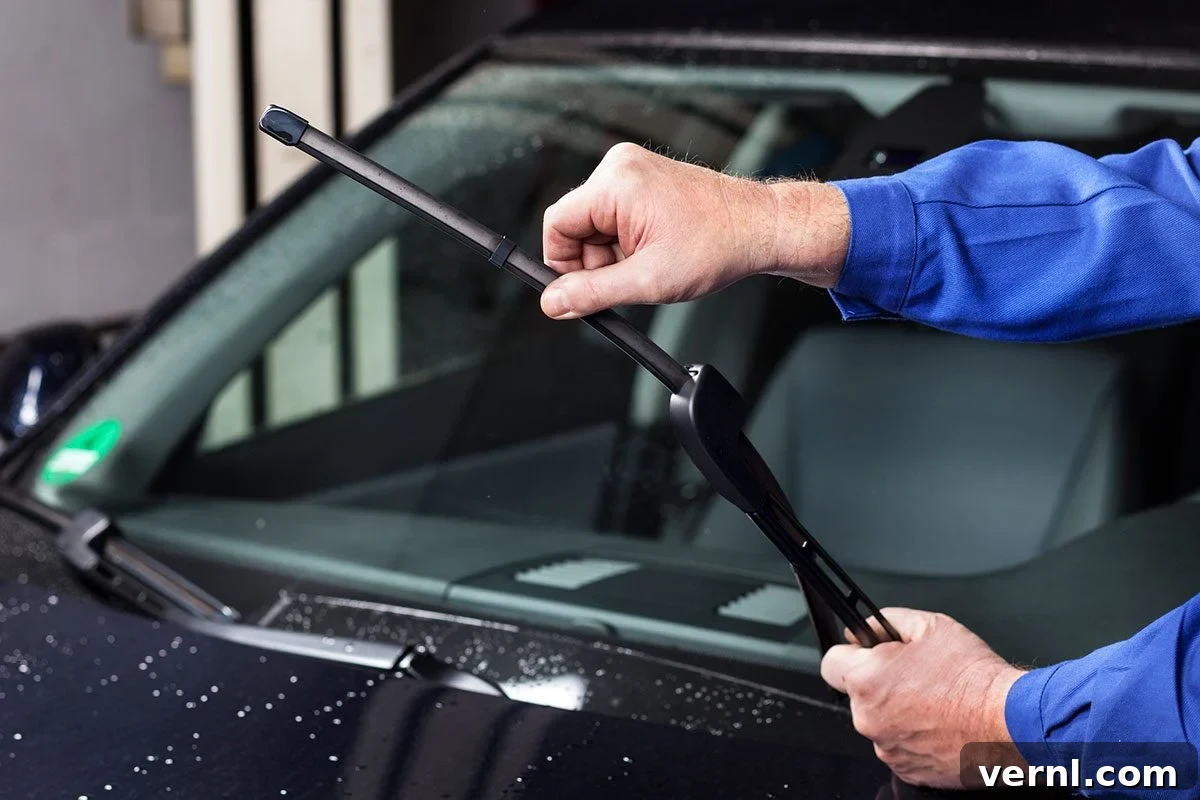
Windshield Wiper Guide: Maintaining Clear Visibility for Safe Driving
The rhythmic sweep of windshield wipers is a familiar sound, offering reassurance during rain or snow. Ensuring clear visibility is crucial for safe driving. This guide provides essential information on maintaining, replacing, and selecting the right windshield wipers to keep your view unobstructed.
Windshield wiper squeegees, also known as inserts or refills – the part that contacts and clears the windshield – require regular replacement. This is especially important after a harsh winter or a scorching summer. It’s also vital to inspect the wiper frame, which holds the squeegee, for any damage, along with the swinging arm assembly.
Ignoring worn or damaged wipers can lead to annoying squeaks and streaks, significantly reducing visibility in adverse weather conditions. Let’s explore how to maximize your visibility and safety on the road by understanding windshield wiper maintenance and replacement.
How Long Do Windshield Wipers Last?
The lifespan of windshield wiper squeegees varies depending on factors like weather conditions and usage. Generally, they should last between six to twelve months. To ensure optimal performance and visibility, it is recommended that you replace your windshield wipers every six months. This proactive approach helps maintain clear vision throughout the year.
Factors Impacting Windshield Wiper Longevity
Several environmental factors can deteriorate wiper squeegees, affecting their performance and lifespan. These include:
- Ultraviolet light
- Heat
- Cold
- Engine exhaust
- Smog
- Dust and dirt
- Road salts and grime
Relying solely on your wipers to clear ice from your windshield will damage the squeegees. Proper care and regular maintenance can prevent excessive wear and tear, prolonging the lifespan of your wipers.
Using your wipers to clear heavy snow can twist or bend the wiper blades or arms. A damaged wiper blade frame or arm won’t apply even pressure across the windshield, which leads to poor visibility. Consider lifting and tilting the wiper arms away from the windshield before a snowstorm to prevent the squeegees from freezing to the glass, if your vehicle has this feature.
- Tip: Extend the life of your wipers in winter by removing snow and ice from the windshield with an ice scraper and defrosters before driving.
How to Identify When Your Wipers Need Replacing
You should consider buying replacement windshield wipers when you notice any of the following signs that indicate damage or wear:
- Streaking or smearing of water across the windshield.
- Blades that hop or jump across the windshield surface.
- Torn or worn squeegees with a split or rounded edge instead of a crisp, square edge.
- Wipers that only clear part of the windshield with each sweep.
- Unusual noises such as squeaking or chattering.
Tips for Prolonging the Life of Your Wiper Blades
Regular maintenance is crucial for maximizing the lifespan and effectiveness of your wiper blades. Incorporating these tips into your normal maintenance routine can save you money and keep your view clear.
- Clean the windshield frequently: Never operate your wipers on a dry windshield. Even tiny particles of grit can quickly damage the wiper squeegee or scratch your windshield. Clean your windshield with a glass cleaner formulated for cars. Consider using balled-up newspaper to polish the glass.
- Clean the wiper squeegees: Use a clean, soft cloth and a solution of premixed windshield washer solvent or isopropyl (rubbing) alcohol diluted with water to clean the entire length of the squeegee. Be sure to protect your vehicle’s finish and rinse with clean water.
- Run the wipers every so often: The wiping edge of the squeegee needs to flip on every swipe to clear the windshield effectively. If a wiper sits in one position too long, it can dry out, losing its ability to flip. This results in the squeegees being pushed rather than dragged across the windshield, causing wipers to hop and leave streaks.
- Apply WD-40: Carefully spray a small amount of WD-40 on the wiper arm pivot pin and spring assembly under the wiper arm. This helps prevent rusting and keeps the squeegees snug against the windshield.
- Turn off your wipers before turning off your vehicle: This prevents the wipers from starting automatically and potentially damaging the blades. Don’t forget to maintain your rear wiper if your vehicle has one.
What Type of Wiper Blades Should You Buy?
Not all wiper blades are created equal. The type of wiper blade you choose can significantly impact performance, especially in varying climates and conditions. Here’s a quick guide to help you choose the best type:
- Standard rubber blades: These are usually the most affordable option, but they tend to wear out relatively quickly.
- Silicone blades: Silicone blades are known to last longer and perform well in both extreme heat and cold, offering increased durability.
- Hybrid blades: Hybrid blades combine a robust frame with flexible rubber, offering improved contact with the windshield for superior wiping performance.
- Premium blades: Some premium blades include a water-repellent coating, which helps water bead up and roll off the glass, further enhancing visibility.
Consider switching between summer and winter blades if you live in an area with harsh seasonal variations for optimal performance.
FAQs
Are premium wipers worth the investment?
Yes, premium wiper blades made from silicone or hybrid materials often offer a longer lifespan and better performance compared to standard blades. They resist wear and tear in extreme temperatures and maintain a smoother, quieter wiping action, making them a smart investment for improved visibility and driving safety.
What are the best wiper maintenance tips for winters?
To prepare for winter conditions, lift the wiper blades away from the windshield during snow or freezing rain to prevent them from sticking. Always use an ice scraper instead of the wipers to remove frost or ice, as this can damage the rubber and reduce their effectiveness over time. Consider using a windshield washer fluid with de-icing properties to improve your visibility.
Sources
- SAE.org: “Analysis of Windshield Wiper Reversal Impact and Its Suppression by Structural Design”
- AIS Windshield Experts: “When Is Car Wiper Blade Replacement Important?”