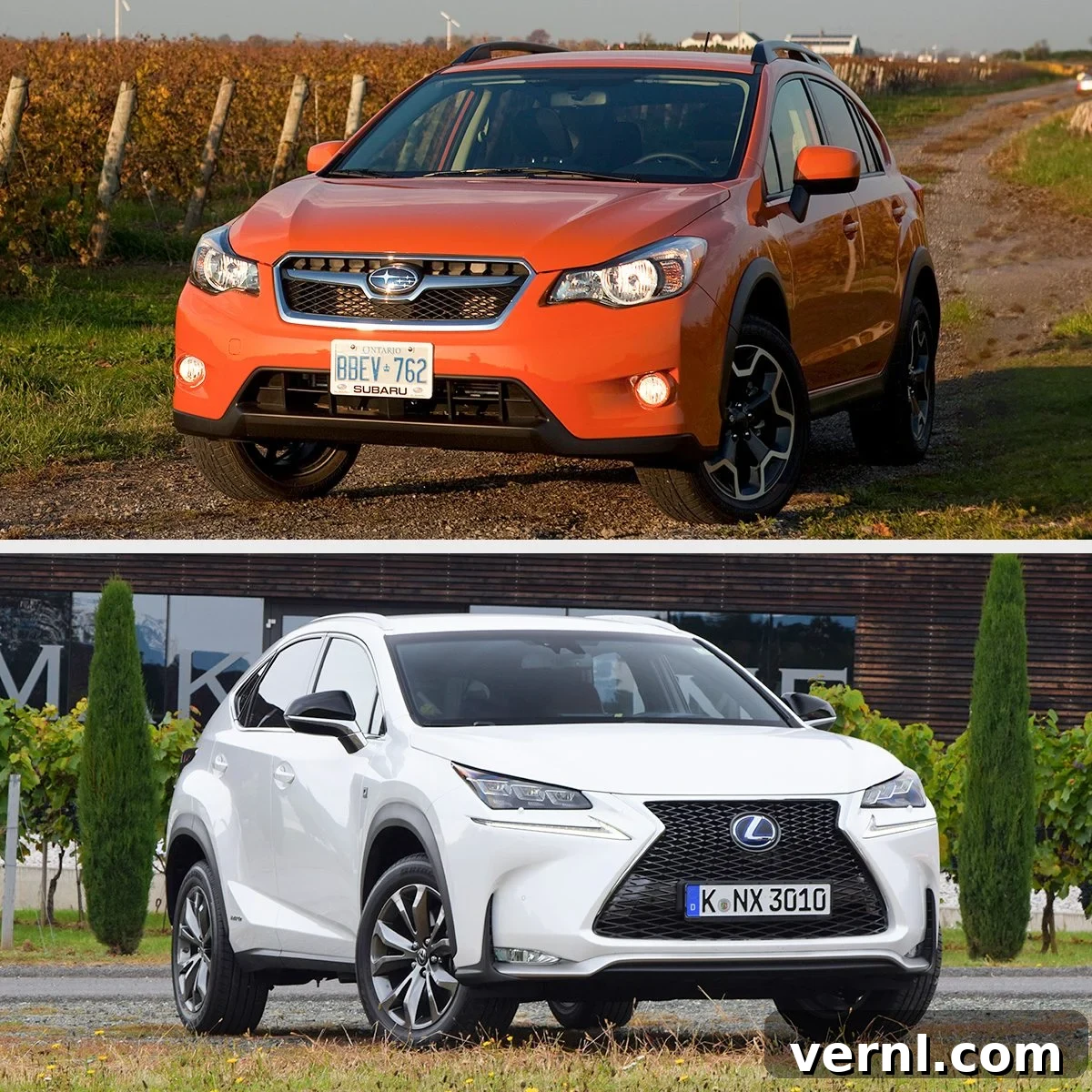
Navigating Car Insurance: Unveiling the Most and Least Expensive Cars to Insure
For most drivers across the United States, car insurance isn’t merely a suggestion; it’s a legal obligation. While a handful of states might not mandate coverage for vehicle registration, opting out of a robust car insurance policy is almost always a precarious decision. The open road is unpredictable, filled with potential hazards ranging from minor fender benders to significant collisions. A comprehensive insurance policy acts as a crucial financial safety net, protecting you from potentially devastating out-of-pocket expenses that can arise from accidents, theft, or other unforeseen damages. However, the cost of this essential protection isn’t uniform. Several intricate factors intertwine to determine your annual premium, with one of the most significant being the specific make and model of your vehicle.
Understanding these variables is key to making informed decisions, both when purchasing a vehicle and when selecting your insurance coverage. To shed light on how vehicle choice impacts premiums, a recent report from Forbes analyzed popular models to identify which cars tend to be the most and least expensive to insure. This valuable insight can guide prospective car buyers and current owners alike in their quest for affordable coverage.
Least Expensive Cars to Insure: Drive Smart, Save Big
The Forbes report offers a fascinating glimpse into the automotive landscape from an insurer’s perspective. By examining popular 2021 models and projecting their insurance costs for 2025, they identified a clear trend: certain vehicles consistently attract lower premiums. These cars often share characteristics that make them less risky in the eyes of insurance companies. According to their findings, the most budget-friendly vehicles to insure, ordered from the cheapest to slightly less cheap, were:
- Honda CR-V LX
- Jeep Wrangler JL Sport
- Subaru Crosstrek
- Subaru Forester 2.5I
- Hyundai Tuscon SE
- Jeep Compass Latitude
- Chevrolet Equinox L
- Ford Escape S
- Volkswagen Tiguan SE
- Ford F-150 XL
What makes these models stand out as insurance darlings? Several key attributes contribute to their lower premiums. Firstly, many of these vehicles, particularly SUVs and trucks like the Honda CR-V, Subaru Forester, and Ford F-150, are renowned for their robust safety features and high safety ratings. Insurers recognize that safer cars mean fewer and less severe claims for injuries. Secondly, the cost and availability of replacement parts play a significant role. These popular models often have widely available, relatively inexpensive parts, leading to lower repair costs after an accident. Their repair processes are also often less complex, reducing labor expenses. Lastly, these vehicles typically aren’t associated with high-performance driving. They are generally seen as reliable family transporters or practical workhorses, driven by demographics statistically less prone to high-speed accidents or reckless driving. They also tend to have lower theft rates compared to luxury or high-performance counterparts, further reducing risk for insurers.
Most Expensive Cars to Insure: When Luxury and Performance Come at a Cost
Conversely, the Forbes study also highlighted vehicles that command significantly higher insurance premiums. Using the same methodology – analyzing popular 2021 models for their projected 2025 insurance costs – they identified a list of cars that, while desirable to own, can be costly to protect. These vehicles often carry higher risks due to their design, performance capabilities, and the characteristics of their typical drivers. The most expensive cars to insure, presented from the cheapest of the expensive to the priciest, included:
- Lexus NX 300h
- Dodge Ram 1500 Rebel
- Lexus RX 350
- Nissan Altima 2.0 S
- Tesla Model 3 Standard Plus
- Volvo XC90 T8 Inscription
- Lexus ES 300H
- Tesla Model S Performance
The reasons behind these higher premiums are multifaceted. Many vehicles on this list, particularly the Lexus and Volvo models, fall into the luxury category. Luxury cars inherently have higher sticker prices, meaning insurers face greater costs for replacement or extensive repairs if the vehicle is totaled. Furthermore, these cars often incorporate advanced, specialized technology and premium materials, making their repairs complex and expensive, requiring specialized parts and highly skilled technicians. High-performance variants, such as the Dodge Ram 1500 Rebel and Tesla Model S Performance, are often associated with higher speeds and more aggressive driving styles, elevating the risk of serious accidents. Teslas, in particular, despite their advanced safety features, can be exceptionally expensive to repair due to their intricate electronic systems and unique body structures, leading to higher repair costs even for minor collisions. Moreover, luxury and high-performance vehicles are often more attractive targets for theft, presenting another significant risk for insurance providers. These factors combine to make these coveted models a more substantial financial commitment when it comes to annual insurance premiums.
Beyond the Vehicle: Other Key Factors Influencing Your Car Insurance Premium
While your vehicle choice plays a monumental role in determining your insurance premium, it’s far from the only factor. As we’ve discussed before when covering the rising prices of car insurance, insurers employ a sophisticated algorithm to assess risk and set your rates. This involves evaluating a wide array of variables, some of which you can influence, and others that are largely beyond your immediate control. The industry meticulously examines macro-level trends like national accident rates, the efficiency of claims processing, and the fluctuating costs of auto parts and labor to establish baseline premiums.
Once those broader trends are factored in, the focus shifts to you, the individual driver. Your personal profile and driving history contribute significantly to your personalized premium. Key driver-specific factors include:
- Driving Record: This is arguably one of the most critical factors. A history of accidents, traffic violations (speeding tickets, DUIs), or other infractions will almost certainly lead to higher rates. Insurers view a clean driving record as an indicator of responsible behavior.
- Age and Gender: Younger, less experienced drivers, particularly males under 25, typically face the highest premiums due to higher statistical accident rates. Rates tend to decrease as drivers mature, stabilizing for those in their 30s through 60s, before potentially rising again in very old age.
- Marital Status: Married individuals often receive lower rates, as insurers statistically associate them with more stable driving habits.
- Location: Where you live and primarily park your car matters. Urban areas with higher traffic density, crime rates, and vandalism reports generally result in higher premiums than rural areas.
- Credit Score (where allowed by law): In many states, insurers use a credit-based insurance score as a predictor of future claims. A higher credit score can often translate to lower premiums.
- Annual Mileage: The more you drive, the higher your exposure to risk. Drivers who log fewer miles annually may qualify for low-mileage discounts.
- Occupation: Some professions are statistically associated with lower risk profiles, potentially earning discounts.
Beyond personal demographics and driving history, the specifics of your insurance policy also dictate your premium:
- Coverage Levels: Opting for only state-mandated minimum liability coverage will be cheaper than a comprehensive policy with higher liability limits, collision, and comprehensive coverage. However, the financial protection offered will also be significantly less.
- Deductibles: Your deductible is the amount you pay out-of-pocket before your insurance kicks in. Choosing a higher deductible typically results in lower monthly premiums, but means greater immediate out-of-pocket costs if you file a claim.
- Discounts: Insurers offer a variety of discounts for everything from bundling policies (home and auto), being a good student, installing anti-theft devices, completing defensive driving courses, having multiple vehicles insured with the same company, or participating in telematics (usage-based insurance) programs. Always inquire about all available discounts.
While factors like your age or past accidents can be difficult to change instantaneously, selecting the right vehicle is a significant decision within your control, offering one of the most noticeable impacts on your car insurance premiums. All other things being equal, the car you choose will profoundly shape your annual insurance expenditure.
Smart Strategies to Save on Car Insurance
Understanding the factors that influence car insurance premiums empowers you to take proactive steps to reduce your costs. Beyond choosing a budget-friendly vehicle, several strategies can help you secure more affordable coverage without compromising essential protection:
- Shop Around Regularly: Insurance rates vary significantly between providers. Don’t settle for the first quote you receive. Compare quotes from multiple insurance companies at least once a year, or whenever you experience a major life event like moving, buying a new car, or getting married.
- Maintain a Clean Driving Record: This is perhaps the most impactful long-term strategy. Avoiding accidents and traffic violations demonstrates responsible driving habits, leading to lower premiums over time.
- Increase Your Deductibles: If you have an emergency fund to cover potential out-of-pocket costs, opting for a higher deductible can substantially lower your monthly premiums. Just ensure you can comfortably afford the deductible amount if a claim arises.
- Bundle Your Policies: Most insurers offer discounts for bundling multiple policies, such as combining your car insurance with home or renter’s insurance.
- Inquire About All Available Discounts: Don’t assume your insurer will automatically apply all eligible discounts. Proactively ask about discounts for good students, military personnel, low annual mileage, anti-theft devices, safe driver programs, or completing defensive driving courses.
- Consider Usage-Based Insurance: Many companies offer programs that monitor your driving habits (speed, braking, mileage) via a telematics device or smartphone app. Safe drivers can earn significant discounts.
- Improve Your Credit Score: In states where it’s permitted, a strong credit history can positively impact your insurance rates.
- Review Your Coverage Annually: Your insurance needs can change. As your car ages, you might consider dropping collision or comprehensive coverage if its value no longer justifies the premium. Always ensure your coverage adequately reflects your current situation and assets.
Conclusion
Car insurance is an indispensable aspect of responsible vehicle ownership, providing vital financial protection against the unforeseen. While the array of factors influencing premiums can seem daunting, understanding them is the first step toward securing affordable and appropriate coverage. The type of vehicle you drive stands out as one of the most significant determinants of your insurance costs, as highlighted by reports like the one from Forbes. Whether you opt for a practical, low-risk model or a high-performance luxury car, remember that personal driving history, demographics, and policy choices all play crucial roles. By combining informed vehicle selection with smart insurance strategies, you can navigate the complexities of car insurance effectively, ensuring peace of mind without breaking the bank.
Source
Most And Least Expensive Vehicles To Insure 2025, Forbes, 2025.