
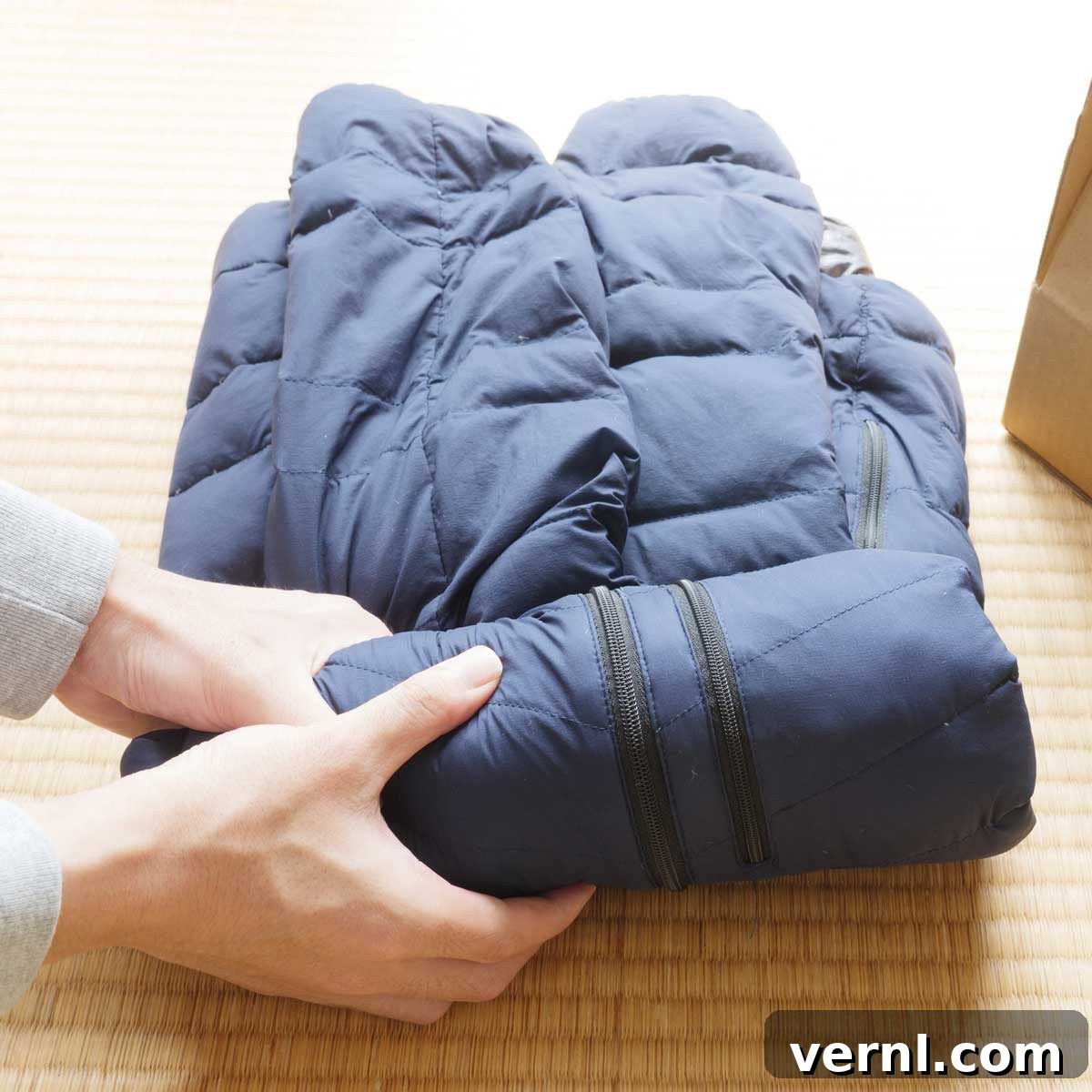
When the biting chill of winter sets in, or the demands of extreme exploration call for ultimate protection, few garments rival the performance of a high-quality down coat. From the pioneering adventurers who first braved the icy heights of Mount Everest in the 1920s to modern-day urban dwellers seeking comfort, down has consistently been the material of choice for its unparalleled ability to provide warmth without weight.
As Patric Richardson, known as The Laundry Evangelist and owner of Mona Williams, a renowned laundry and vintage clothing store, succinctly puts it, “[Down is] so lofty and traps so much air. That’s what keeps it warm. And it’s so lightweight.” This unique combination of loft and minimal mass makes down an engineering marvel of nature.
If you’re already a proud owner of a down coat or considering investing in one, understanding the science behind its insulation and, more importantly, how to care for it, is crucial. Proper maintenance ensures that your down jacket will continue to provide comforting warmth for many seasons, potentially lasting for decades. This comprehensive guide will delve into what makes down stand out, and provide actionable steps to ensure your cherished coat remains a reliable shield against the cold for years to come.
Mastering the Art of Down Coat Care: A Comprehensive Guide to Lasting Warmth
The Unrivaled Power of Down: Why It’s the Ultimate Insulator
At its core, “down” refers to the soft, fluffy, and incredibly lightweight under-feathers found on geese and ducks. Unlike the stiff, flat outer feathers (plumage) that help birds shed water, down clusters possess a unique three-dimensional structure with thousands of tiny fibers that interlock and create microscopic air pockets. It is these pockets, not the feathers themselves, that are responsible for down’s extraordinary insulating properties.
There are several types of down, each with distinct characteristics and price points:
- Duck Down: Often the most affordable option, duck down offers excellent warmth for its cost. It is a common choice for everyday down jackets.
- Goose Down: Generally considered superior to duck down, goose down typically comes from larger birds, resulting in larger, more robust clusters. This translates to higher “fill power” and better warmth-to-weight ratios, making it ideal for more demanding conditions.
- Eiderdown: Harvested ethically from the nests of Eider ducks, eiderdown is the rarest and most luxurious down available. Its unique clinging properties allow it to create an exceptionally uniform and dense layer of insulation, offering supreme warmth without bulk. Eiderdown products are often collector’s items due to their scarcity and cost.
Beyond the species, the quality of down is primarily measured by its “fill power.” Fill power indicates the amount of space one ounce of down occupies when fully lofted. For example, 700 fill power means one ounce of down fills 700 cubic inches. Higher fill power signifies better quality down, as it can trap more air with less material, resulting in superior warmth-to-weight ratio and greater compressibility. This makes high fill power down coats lighter, warmer, and easier to pack.
While synthetic insulations have made great strides, mimicking some aspects of down, they still struggle to match down’s superior compressibility, durability, and warmth-to-weight ratio. Down remains the gold standard for cold-weather gear, especially when minimal weight and maximum warmth are paramount.
The Science Behind the Warmth: How Down Insulation Works
The magic of down lies in its ability to create a highly effective thermal barrier. When tiny air pockets form between the delicate, intertwined down feathers, these pockets trap your body heat, preventing it from escaping. Simultaneously, this trapped air acts as a buffer against frigid external air, insulating you from the cold. It’s a remarkably efficient system, allowing down to maintain a comfortable microclimate around your body.
To ensure this insulating power is evenly distributed and maximized, down coats are constructed with internal compartments known as “baffles.” These stitched pockets prevent the down from shifting and clumping, which would create cold spots. The distinct “puffy jacket” look is a direct result of these baffled constructions. There are two primary types of baffle construction:
- Sewn-Through Baffles: In this simpler and more common method, the outer fabric is stitched directly to the inner lining, creating channels for the down. This construction is lighter and less expensive but can create minor cold spots along the stitch lines where there is no down.
- Box Baffles: More complex and typically found in high-end garments, box baffles use internal fabric walls to create true three-dimensional boxes for the down. This eliminates cold spots and allows the down to fully loft, providing maximum insulation.
Understanding these elements highlights why a well-maintained down coat, with its down evenly distributed and fully lofted, is such an effective piece of cold-weather gear.
Preserving Your Investment: Essential Down Coat Care Tips
A down coat is often a significant investment, both financially and in terms of your comfort and safety in cold conditions. Proper care is not just about cleanliness; it’s about preserving the delicate structure of the down clusters, which directly impacts their insulating capabilities and the lifespan of your garment. With the right approach, your down coat can remain a staple in your wardrobe for decades.
Step 1: Pre-Wash Preparation for Your Down Coat
Before you even think about water, a few preparatory steps can make a big difference in the washing process and outcome:
- Empty All Pockets: Check every pocket thoroughly for keys, tissues, coins, or anything that could damage the coat or washing machine.
- Close All Zippers and Fasteners: Zip up the main zipper, pocket zippers, and any ventilation zips. Secure all Velcro closures. This prevents zippers from snagging delicate fabric and Velcro from catching on the coat’s shell or other items in the wash.
- Turn Inside Out (Optional, but Recommended): While some prefer to wash right-side out, turning your coat inside out can protect the outer shell’s finish, especially if it has a delicate DWR (Durable Water Repellent) coating. This also allows for a more thorough cleaning of the inner lining where body oils and sweat accumulate.
- Address Major Dirt: If there are areas with caked-on mud or excessive dirt, gently brush them off before washing to prevent them from spreading during the cycle.
Step 2: Spot Cleaning and Pre-Treatment Techniques
For minor spills or targeted grime, spot cleaning can often save you from a full wash, extending the life of your coat. Richardson advises a simple yet effective method for common stains:
- Food or Grease Stains: For oil, fat, or grease stains, create a gentle cleaning solution by mixing water and white vinegar. The vinegar helps to break down oily residues.
- Application: Apply the mixture directly to the stain. Then, using a soft brush (like an old toothbrush or a dedicated laundry brush) and a mild soap, such as Fels Naptha laundry soap bar, gently scrub the stained area. Avoid harsh scrubbing that could damage the fabric or force the stain deeper.
- Rinse: Lightly rinse the spot with clean water using a damp cloth, ensuring no soap residue remains.
Spot cleaning immediately after a spill can prevent the stain from setting, making it much easier to remove.
Step 3: The Gentle Art of Washing Your Down Coat
Washing a down coat requires a delicate touch to preserve its loft and integrity.
Choosing the Right Washing Machine
For optimal results, a front-loading washing machine is highly recommended. Front-loaders use a tumbling action that is much gentler on delicate items like down coats compared to top-loaders with central agitators. Agitators can stress seams, tangle the coat, and potentially damage the down clusters. If you don’t have access to a front-loader at home, Richardson humorously suggests that it’s a “good reason to bake brownies for a friend” and borrow theirs for the afternoon. Alternatively, a local laundromat equipped with commercial-grade front-loading machines is an excellent option. Hand washing in a large tub is also possible, though more labor-intensive, ensuring you are incredibly gentle.
Selecting the Ideal Down-Friendly Detergent
This is a critical step. Most modern laundry detergents are formulated to leave behind a slight coating or residue to ensure their scent lingers on clothing. While pleasant for everyday garments, this residue can coat the delicate down feathers, causing them to clump, lose their loft, and significantly diminish their insulating ability. Richardson specifically recommends clean-rinsing laundry soap flakes or specialized detergents specifically designed for washing down. These can typically be found at outdoor gear stores or specialty laundry shops. Look for products that are residue-free and formulated to restore the natural oils of down, helping it maintain its fluffiness.
Mastering the Wash Cycle and Rinse
Once your coat is loaded and the correct soap is added, select the appropriate settings:
- Temperature: Richardson suggests a quick wash using warm water. However, many experts also recommend cold water to protect the fabric and any waterproof treatments. A cold wash is generally safer for preserving colors and preventing shrinkage.
- Cycle: Choose a delicate or gentle cycle.
- Rinse Cycles: This is paramount. Select a cold rinse, and ideally, run two or even three extra rinse cycles. This ensures that every last trace of soap is thoroughly removed from the down, preventing clumping and preserving its loft.
- High Spin: Crucially, after rinsing, select the highest spin option available. The goal is to remove as much water as possible from the coat before drying. A well-spun coat will feel lighter and significantly reduce drying time, minimizing the risk of mildew or damage.
Step 4: Restoring Loft and Fullness: The Drying Process
Drying a down coat is a lengthy but vital process that requires patience and a specific technique to prevent the down from clumping and to restore its full loft.
Air Drying (Optional):
After the high-speed spin, your coat will still be quite damp and the down will be clumpy. You can start by air-drying it. Hang your down coat on a sturdy hanger or drape it across a drying rack in a well-ventilated area, such as a laundry room or over a tub. Periodically (every few hours), manually break up the clumps of down with your hands and gently shake the coat to redistribute the feathers. This manual effort helps prevent mildew and speeds up the process.
Machine Drying with Tennis Balls:
Once the coat is mostly air-dried or if you want to expedite the process from the start, it’s time for the dryer. When your down coat is damp (or even if you’re starting directly from the washer), toss it into a dryer on a heat-free air-fluff cycle. Crucially, add three clean tennis balls. Dryer balls can also work, but the superior bounce power of springy tennis balls is highly effective for breaking up wet down clumps and fluffing the feathers back to their original loft. Run the dryer for 15 to 20 minutes at a time, then remove the coat, manually break up any remaining clumps, and redistribute the down. Repeat this cycle until the coat is completely dry. This process can take several hours, often needing multiple cycles.
A Critical Warning About Heat: Richardson emphasizes that while a cotton-covered feather pillow or down comforter can typically handle dryer heat, a coat’s synthetic shell (usually polyester or nylon) and any waterproofing treatments can be degraded by high temperatures. Always use the lowest heat setting or, preferably, the “air fluff” or “no heat” setting to protect the fabric and extend the life of your coat. Patience is key; rushing the drying process with high heat can permanently damage the down and the outer shell.
Frequency of Washing: Keeping Down at Its Best
Many people avoid washing down coats, fearing damage, but this can be detrimental to its performance. Richardson stresses, “Wash [your down jacket] regularly — at least once a year — even if you don’t wear it often.” The reason is simple: you don’t want dirt, dust, and body oils to settle into the feathers. Over time, these contaminants degrade the down’s ability to loft and insulate effectively. A jacket’s outer shell and its precious down filling, if well cared-for, can remain in excellent condition for up to 30 years or more. Annual washing, or more frequently if worn often or for strenuous activities, ensures the down remains clean, fluffy, and efficient at trapping warmth.
Smart Storage Solutions for Off-Season Protection
When the warmer months arrive and your down coat is temporarily retired, proper storage is essential to maintain its condition and extend its lifespan:
- Ensure It’s Clean and Dry: Always wash and thoroughly dry your down coat before putting it away for the season. Storing a dirty or damp coat can lead to mildew, odors, and permanent damage to the down.
- Use Breathable Covers: Instead of plastic garment bags, which trap moisture and can compress the down, cut a hole in an old bedsheet and drape it over your down jacket on a sturdy hanger. This protects the coat from dust while allowing it to breathe and maintain its loft.
- Avoid Compression: Never store your down coat tightly compressed in a stuff sack or vacuum-sealed bag for extended periods. While compression is fine for travel, long-term compression can permanently damage the down clusters, reducing their ability to loft and insulate. Store it hanging freely in a closet where the down can maintain its natural fullness.
- Pest Protection: If you’re worried about moths or other fabric pests, Richardson suggests tucking a cedar block or sachets of lavender into the coat’s pockets. These natural deterrents are effective and provide a pleasant scent without harsh chemicals.
Conclusion: Embrace the Lasting Warmth of a Well-Cared-For Down Coat
A down coat is more than just a piece of clothing; it’s a critical component for comfort and protection in cold environments, a testament to nature’s ingenious design. By understanding what makes down so special and committing to a routine of gentle washing, thorough drying, and smart storage, you can ensure your down coat remains a reliable source of warmth for many years to come. Investing a little time in its care will repay you with decades of cozy, lightweight insulation, making every cold day a little more bearable and every adventure a little more comfortable. Embrace the longevity and performance that proper down coat care provides, and enjoy the enduring embrace of true warmth.