Is Your Stainless Steel Cookware Dishwasher Safe? The Ultimate Guide to Care and Longevity
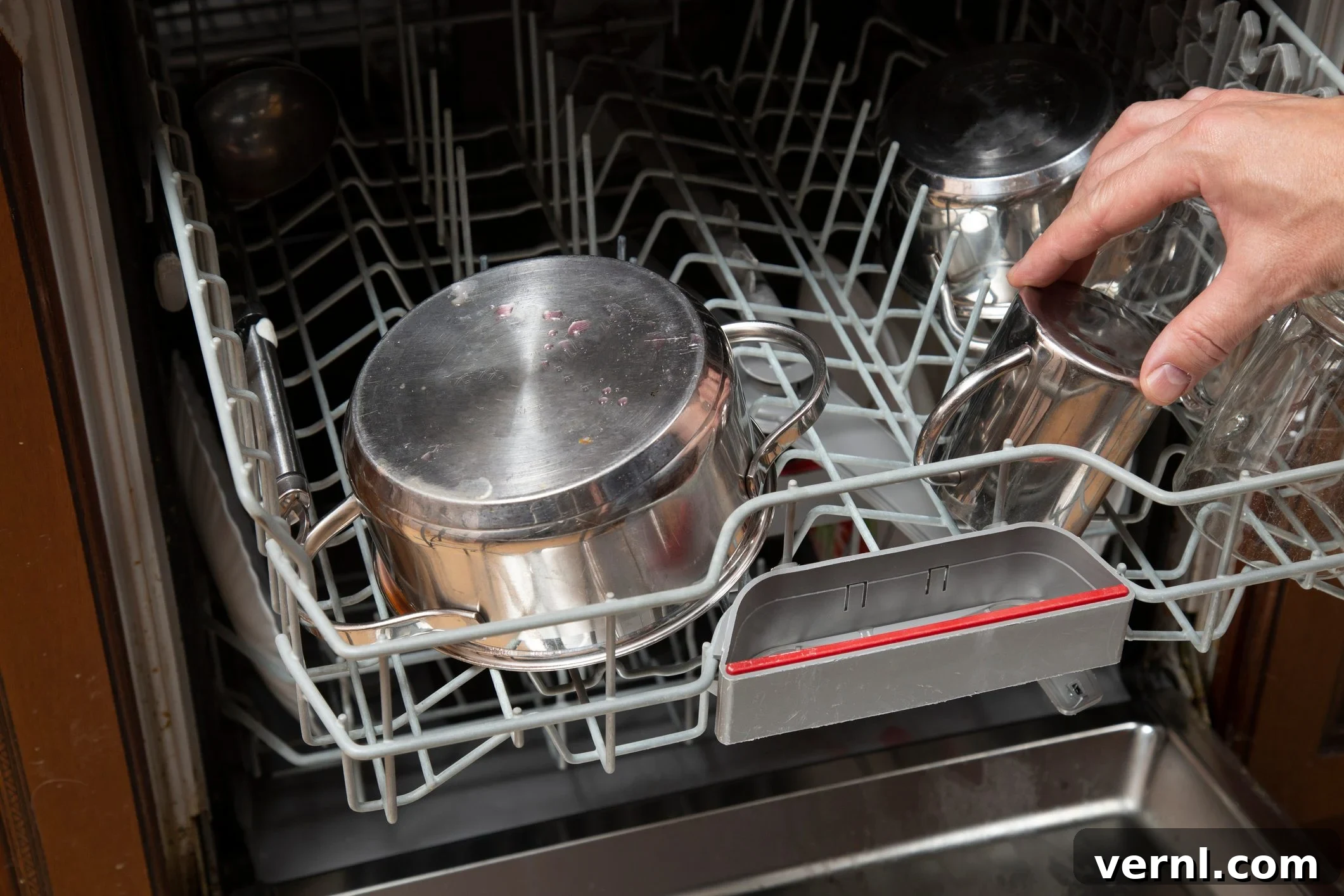
Stainless steel cookware has long been celebrated by both professional chefs and home cooks as a superior choice for the kitchen. Its robust nature, impressive resistance to scratches, and sleek, professional aesthetic make it a cornerstone in countless culinary arsenals. But amidst the convenience of modern living, a common question arises: can you safely entrust your beloved stainless steel pots and pans to the dishwasher? The answer, while generally positive, comes with important nuances and exceptions that every cookware owner should understand.
While most contemporary stainless steel pieces are designed to withstand the rigors of a dishwasher cycle, knowing when to opt for machine washing versus handwashing can significantly impact their longevity and appearance. This comprehensive guide, informed by industry experts, delves into the specifics of dishwasher safety for stainless steel, offers crucial advice for mixed-material cookware, and provides invaluable tips for maintaining your collection for years to come.
Meet Our Cookware Experts
To provide you with the most accurate and reliable information, we consulted leading experts in cookware technology and consumer relations:
Nicole Christy: A distinguished research engineer specializing in product development and technology at All-Clad, a renowned manufacturer of high-performance bonded stainless steel cookware. Her insights offer a deep understanding of material science and durability.
Richard Garcia: The senior consumer relations manager at Meyer Corp, U.S. Meyer Corp oversees a diverse portfolio of high-quality cookware brands, including popular names like Farberware, Anolon, Circulon, and Hestan. Richard’s extensive experience with consumer feedback provides practical guidance on cookware care.
The Science Behind Dishwasher-Safe Stainless Steel
“Stainless steel cookware can generally go in the dishwasher at anyone’s desired frequency,” explains Richard Garcia. This broad dishwasher compatibility is primarily due to the unique composition of stainless steel itself. Unlike ordinary steel, stainless steel incorporates a significant percentage of chromium, typically 10.5% or more. This chromium reacts with oxygen in the air to form a thin, invisible layer of chromium oxide on the surface of the metal.
This chromium oxide layer acts as a passive, self-healing protective barrier. It is incredibly resistant to rust, corrosion, and scratches, even when exposed to the harsh conditions inside a dishwasher – including high temperatures, intense humidity, and powerful detergents. This protective quality is what makes stainless steel such a durable and low-maintenance material for cooking.
Most modern stainless steel pans you encounter today are made from at least 304-grade stainless steel, often referred to as 18/10. These numbers indicate the proportion of non-iron components: 18% chromium and 10% nickel. The inclusion of nickel further enhances the metal’s corrosion resistance and lustrous finish, making these pans exceptionally resilient and, in most cases, completely dishwasher-friendly. The robust nature of this alloy means it can withstand the mechanical agitation and chemical action of dishwasher cycles without degrading its structural integrity or hygienic properties.
Crucial Exceptions: When to Avoid the Dishwasher
While the majority of stainless steel cookware is dishwasher safe, there are critical exceptions to consider. Richard Garcia advises caution “when the stainless steel product is manufactured with other non-stainless steel substrates.” This often refers to cookware with a stainless steel body but a base or core made from a different metal, such as aluminum.
Many high-performance stainless steel pans feature an encapsulated aluminum core or an exterior aluminum base cap, designed to improve heat distribution. While aluminum is an excellent heat conductor, it reacts poorly to the strong detergents and high temperatures of a dishwasher. Unless this “cladded” cookware is specifically treated with a special protective coating or finish that explicitly states dishwasher safety, exposing the aluminum to dishwashing detergents can lead to significant tarnishing, discoloration, and even pitting. Although the pan may still function, its aesthetic appeal will diminish considerably. In severe cases, the degradation of the aluminum could potentially impact the pan’s thermal conductivity and overall cooking performance over time.
Furthermore, components made from materials other than stainless steel can also be problematic. If your stainless steel pots and pans feature handles, knobs, or decorative elements made of wood or certain types of plastic, these are almost certainly not suitable for the dishwasher. High heat and prolonged moisture exposure can cause wooden components to warp, crack, fade, or lose their finish. Similarly, some plastics can melt, deform, or become brittle in the intense heat of a dishwasher, compromising the safety and usability of your cookware.
How to Determine if Your Cookware is Dishwasher Safe
The easiest and most reliable way to ascertain whether your stainless steel cookware is dishwasher safe is to always consult the product packaging or the manufacturer’s instructions. These resources provide specific care guidelines tailored to your particular item.
If the original packaging is no longer available, a quick visit to the cookware brand’s official website or a call to their customer service center can yield the necessary information. Many manufacturers also engrave or print a dishwasher-safe symbol on the base or underside of their pans. Look for icons such as a dishwasher rack with dishes or glasses, often accompanied by “dishwasher safe” text. Familiarizing yourself with these symbols can save you guesswork.
Ultimately, when you are uncertain about the dishwasher compatibility of a particular piece, it is always best to err on the side of caution. Opt for handwashing to prevent potential damage and ensure the longevity of your valuable cookware. A few minutes of handwashing is a small price to pay to protect your investment.
Dishwasher Safety for Other Cookware Materials
Beyond stainless steel, the dishwasher safety of other cookware materials varies significantly:
- Hard-Anodized Aluminum: “Aside from stainless steel, hard-anodized aluminum [only when protected with a special type of clear coating or finish] can go into the dishwasher,” Garcia confirms. Hard-anodizing creates a much tougher, more corrosion-resistant surface than regular aluminum, but it still often requires a specific protective coating to be truly dishwasher safe. Uncoated, softer aluminum cookware is highly susceptible to scratching and can degrade from harsh detergents, making handwashing the preferred method.
- Non-Stick Cookware: Some non-stick cookware is labeled dishwasher safe, but many types are not. Dishwashers can be particularly harsh on non-stick coatings, causing them to wear away prematurely, scratch, or lose their non-stick properties. Always check the manufacturer’s instructions carefully to avoid damaging the crucial coating.
- Materials NOT for the Dishwasher: Richard Garcia emphatically states that you should never put copper, cast iron, or carbon steel cookware in the dishwasher.
- Copper: Copper cookware will dull, tarnish, and lose its beautiful luster when exposed to dishwasher detergents and hot water. It requires specific handwashing and polishing to maintain its appearance.
- Cast Iron: The high heat and strong detergents in a dishwasher will swiftly strip away the vital seasoning layer on cast iron. This seasoning is a polymerized oil layer that provides a natural non-stick surface and protects against rust. Without it, cast iron will quickly rust, requiring extensive re-seasoning to restore its properties.
- Carbon Steel: Similar to cast iron, carbon steel cookware relies on a seasoned surface for its non-stick qualities and rust prevention. A dishwasher cycle will destroy this seasoning, leading to rust and requiring immediate re-seasoning.
The Art of Handwashing Stainless Steel for Maximum Longevity
Even if your stainless steel cookware is deemed dishwasher safe, many experts, including our own, advocate for handwashing as the superior method for extending the life and preserving the pristine condition of your pots and pans.
“We always suggest handwashing any pan that you use, regardless of brand or material of the pan,” advises Nicole Christy of All-Clad. “This allows you to better preserve and extend the life of your cookware.” The controlled environment of handwashing minimizes exposure to harsh chemicals and excessive heat, reducing the risk of subtle damage or accelerated wear.
Handwashing also empowers you to address specific cleaning challenges directly. “When handwashing, you can use the appropriate technique to target harder to clean areas, such as burnt food or stubborn spots,” Christy explains. “Handwashing also prevents the use of any harsh cleaning detergents that could be harmful to the pan or to the coating.”
When embarking on handwashing your stainless steel, Christy recommends allowing the cookware to cool completely before cleaning. Soaking the pan in hot, soapy water for 15-20 minutes can work wonders in loosening grease and grime, making subsequent scrubbing much easier with a soft sponge or cloth.
For more challenging, burnt-on food, Christy offers a clever solution: “If you have burnt your food, you can sprinkle the surface with baking soda, add water and bring to a boil. Use a wooden spoon to help loosen the burnt food particles off the cooking surface.” The gentle abrasive nature of baking soda combined with boiling water effectively lifts stubborn residues without damaging the pan.
Richard Garcia echoes the sentiment that handwashing remains the gold standard. Both experts frequently recommend using a lightly abrasive stainless steel cleaner like Bar Keepers Friend or a specialized stainless steel cleaner for situations where standard soap and water aren’t enough to tackle stubborn spots, discoloration, or minor scratches.
Garcia also addresses common aesthetic changes in stainless steel: “Stainless steel can show varying tints of rainbowing, bluing or browning, primarily due to the amount of heat applied and the frequency of use.” These striking color changes, caused by microscopic alterations in the chromium oxide layer due to intense heat, “have no impact on the cookware performance whatsoever,” he assures. However, for those who prefer to maintain a “good-as-new” appearance, a quality stainless steel cleaner, used according to the supplier’s instructions, can effectively restore the original luster.
Essential Tips for Preserving Your Stainless Steel Cookware’s Pristine Look and Performance
- Always Add Salt to Boiling Water: This seemingly minor detail is crucial to prevent pitting. Pitting occurs when undissolved, abrasive salt crystals come into direct contact with the hot stainless steel surface. These crystals can effectively remove the protective chromium oxide layer, creating tiny, localized areas susceptible to corrosion. By adding salt only after water has reached a rolling boil and is circulating, you ensure rapid dissolution, protecting your pan’s surface.
- Master the Art of Deglazing: As Nicole Christy suggests, pouring a hot liquid (like wine, broth, or water) into a hot pan during or immediately after cooking can work wonders. This process, known as deglazing, lifts off caramelized, stuck-on food particles from the bottom of the pan. Not only does this make cleanup significantly easier, but it also creates delicious sauces by incorporating those flavorful browned bits.
- Heat Pans Gradually and Properly: Avoid the temptation to blast your pan with high heat from the get-go. Rapid, uneven heating can cause food to stick more readily and may even lead to warping over time. Instead, gradually preheat your pan over medium heat. This allows the metal to expand evenly and creates a more stable cooking surface, ensuring food cooks uniformly and releases naturally. If you immediately add cold protein to a pan that is too hot, the food tends to seize to the cold metal upon contact, making it difficult to remove later.
- Use the Right Oil and Adequate Amount: “Add cooking oil that has a high smoke point [such as avocado, grapeseed, or refined olive oil], and add enough to the pan to cover the bottom,” Christy advises. Using an oil with a high smoke point prevents it from breaking down and creating sticky residues at high temperatures. Ensuring sufficient oil creates a protective barrier between the food and the pan, facilitating natural release and preventing sticking.
- Resist Flipping Food Too Early: Patience is a virtue, especially when cooking with stainless steel. As Christy explains, “When cooking proteins, the food will naturally release from the stainless steel when it is ready to be flipped. If the food is sticking, then it is not yet ready to turn.” This “natural release” is a result of the Maillard reaction – the browning of food that forms a crust, detaching it from the pan. Forcing food off too early can tear it and leave residue behind.
- Wash After Every Use: Procrastination is the enemy of easy cleanup. “Do not put off cleaning until the next day,” Garcia stresses. “Grease buildup and stains can be more stubborn to remove if left a while without washing.” Dried-on food and grease require more effort and potentially harsher cleaning methods, which could be detrimental to your cookware over time. Prompt cleaning keeps your pans in optimal condition.
- Utilize Cookware Protectors: When storing your stainless steel pots and pans, especially when stacking them, use padded fabric cookware protectors. These soft liners act as a buffer between pans, preventing unsightly scratches, scuffs, and chips that can occur from metal-on-metal contact. This simple addition ensures your cookware remains aesthetically pleasing.
- Steer Clear of Steel Wool and Abrasive Scrubbers: A common mistake when cleaning stainless steel cookware is using abrasive materials like steel wool or overly harsh scrubbing pads. While effective on some surfaces, steel wool is often harder than the protective chromium oxide layer, meaning it can scratch the surface, diminish its luster, and potentially compromise its non-stick qualities (if present) or even its corrosion resistance over time. Opt for softer alternatives like nylon scourers, microfiber cloths, or sponges to preserve the integrity of your cookware.
- Avoid Bleach-Based Cleaners: While bleach is a powerful disinfectant, it is not suitable for cleaning stainless steel cookware. Bleach is highly corrosive and can damage the protective chromium oxide layer, leading to discoloration, pitting, and even rust. Furthermore, bleach is not effective at cutting through grease and can leave residues that are unsafe for food contact if not rinsed meticulously. Stick to mild dish soap, specialized stainless steel cleaners, or natural alternatives like baking soda and vinegar.