
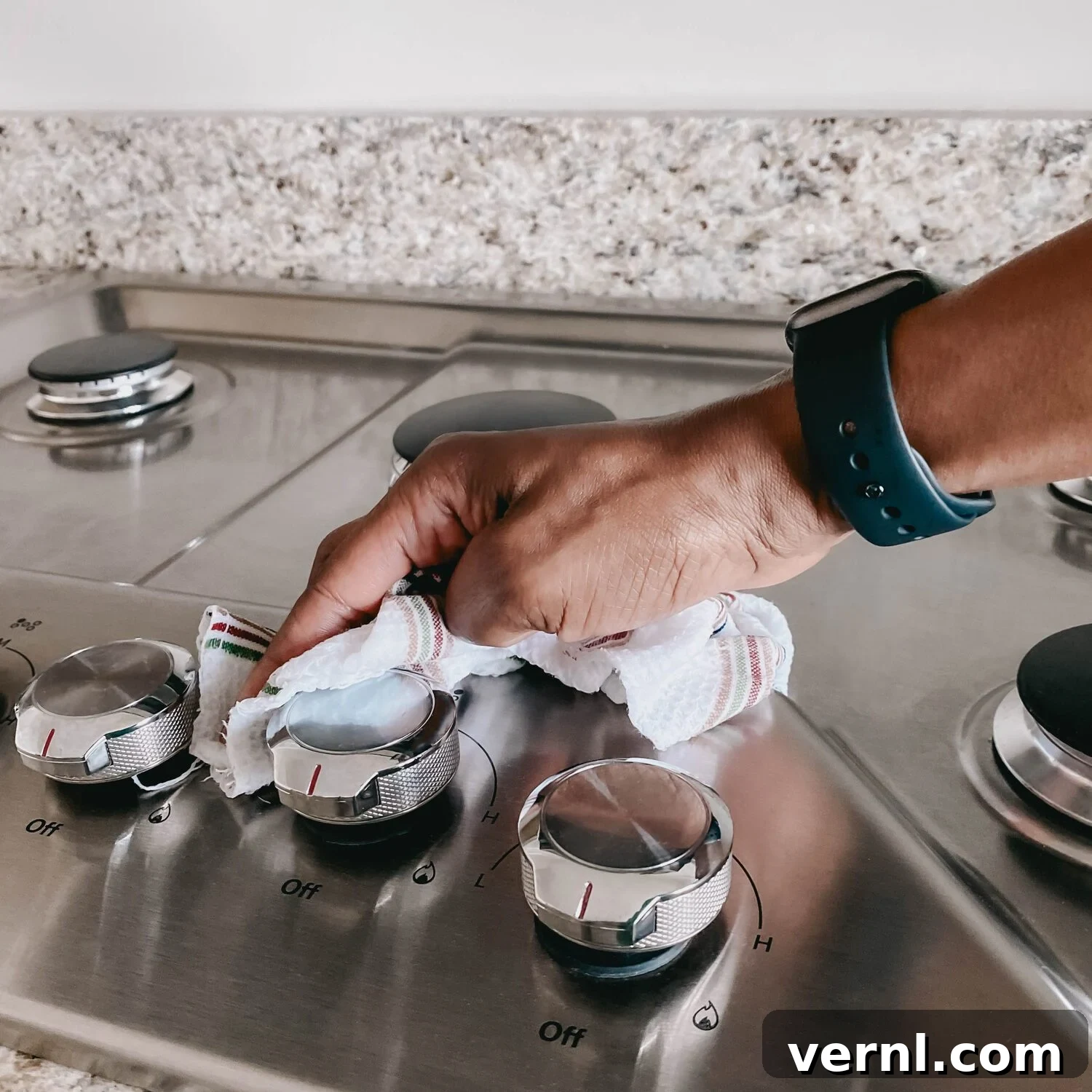
Unlock a Natural Shine: The Ultimate Guide to Cleaning Stainless Steel with Olive Oil
For those of us who prioritize a clean home but prefer to avoid the harsh chemicals often found in conventional cleaning products, finding effective natural alternatives is a constant pursuit. I used to dread the task of polishing stainless steel appliances, anticipating the strong fumes and residue left behind by specialized chemical cleaners. However, discovering a simple, eco-friendly solution to banish smudges and fingerprints from stainless steel has been a game-changer: ordinary olive oil.
According to Forrest Webber, owner of Bear Brothers Cleaning, “If you want a truly polished stainless steel look, you should absolutely consider using olive oil. It imparts that extra layer of shine that will not only impress you but will certainly catch the eye of your guests.” This natural method not only delivers stunning results but also offers a safer, more sustainable way to maintain the brilliance of your kitchen and home appliances. But to truly master this technique, there are a few essential tricks to learn. Here’s everything you need to know about achieving a professional-level shine on your stainless steel using nothing more than olive oil.
The Unexpected Power of Olive Oil: Why It Works for Stainless Steel
Before diving into the how-to, it’s worth understanding why olive oil, a kitchen staple, is so effective at cleaning and polishing stainless steel. Stainless steel, despite its name, is prone to showing fingerprints, water spots, and smudges due to its non-porous surface. These imperfections become highly visible as light reflects off the uneven surface. Olive oil works by creating an incredibly thin, even layer that fills in microscopic inconsistencies on the surface, allowing light to reflect uniformly. This results in that coveted streak-free, glossy appearance. Furthermore, this protective layer can help repel future smudges and even reduce the adhesion of dust, making your appliances look cleaner for longer.
Beyond its polishing prowess, olive oil offers distinct advantages over traditional chemical polishes. It’s non-toxic, biodegradable, and readily available in most households, making it a cost-effective and environmentally conscious choice. You won’t have to worry about skin irritation, respiratory issues from fumes, or the environmental impact of disposing of chemical residues. This makes it an ideal solution for homes with children, pets, or individuals with sensitivities to chemicals.
Step-by-Step Guide: How to Clean Stainless Steel with Olive Oil
Achieving that perfect, gleaming finish requires a methodical approach. Skipping steps or using too much olive oil can lead to a sticky residue rather than a brilliant shine. Follow these detailed steps to ensure flawless results every time.
Step 1: Prepare the Surface with a Thorough Pre-Clean
The foundation of a great polish is a clean surface. Before applying any olive oil, you must remove all existing dirt, grease, and grime. This is crucial because applying oil over a dirty surface will only trap the contaminants, making your appliances look worse and feel greasy.
- Initial Wipe Down: Begin by wiping down the entire stainless steel surface with warm water mixed with a small amount of mild dish soap. Use a soft cloth, ideally a high-quality microfiber cloth, to gently clean the surface. Microfiber is excellent because its unique fibers are designed to pick up dirt and moisture effectively without scratching. Avoid using abrasive scrubbers, steel wool, or harsh sponges, as these can permanently scratch the delicate surface of your stainless steel.
- Rinsing and Drying: After cleaning, rinse the cloth and wipe down the surface again with clean water to remove any soap residue. Then, immediately dry the surface thoroughly with a separate, clean, and dry towel, preferably another microfiber cloth. This step is vital to prevent water spots and ensure the surface is completely dry before moving on. Lingering moisture can interfere with the olive oil application and lead to streaking.
- Tackling Tougher Stains with Vinegar: For stubborn grime, fingerprints, and existing water spots, Alicia Sokolowski, President and CEO of AspenClean, strongly recommends using vinegar. “Avoid skipping the vinegar step, as it can result in trapping dirt under the oil,” she warns. Simply spray a fine mist of white vinegar directly onto the stainless steel or apply it to a microfiber cloth, then wipe down the surface. Vinegar’s acidic nature helps to break down mineral deposits and oily residues, preparing the surface perfectly for the olive oil. Always dry thoroughly after using vinegar.
- Addressing Stuck-On Residue with Baking Soda: If you encounter truly challenging, stuck-on food or residue, Sokolowski suggests a gentle abrasive approach. Sprinkle a small amount of baking soda onto the problem area and let it sit for a few minutes. Baking soda is a mild abrasive that can help lift stubborn particles without scratching. After a few minutes, gently scrub the area with a damp soft cloth or sponge, then wipe clean and dry thoroughly.
Step 2: Apply a Thin Layer of Olive Oil
This is where the magic happens, but precision is key. A little olive oil goes a very long way, and using too much is the most common mistake people make, leading to a greasy finish.
- Minimal Application: “Put just a few drops of olive oil on a soft, clean cloth,” advises Ryan Knoll, owner of Tidy Casa. The emphasis here is truly on “a few drops”—think dime-sized amount for a large appliance. You can always add more if needed, but it’s much harder to remove excess.
- Following the Grain: This is arguably the most crucial aspect of application. “Make sure to go the same direction as the grain,” Knoll stresses. “It’s like petting a cat the right way.” Stainless steel has a subtle grain that runs either horizontally or vertically, depending on the appliance. Wiping against the grain can create microscopic scratches and streaks that become visible under certain lighting. Take a moment to observe your appliance and determine the direction of the grain. Then, using your cloth with the olive oil, gently wipe along the grain, covering the entire surface in smooth, even strokes. This ensures the oil settles into the natural lines of the steel, enhancing its inherent texture and maximizing the shine.
- Even Coverage: Continue to spread the oil across the entire surface, ensuring even coverage. Don’t press too hard; the goal is to leave a very thin, barely perceptible film. If the cloth starts to feel dry, add another drop or two of olive oil. Remember Knoll’s wisdom: “A little oil goes a long way. If you wipe off the extra and it still feels greasy, you used too much!”
Step 3: Buff to a Brilliant, Streak-Free Shine
The final step transforms the slightly oiled surface into a gleaming masterpiece. Buffing is essential for removing any excess oil and achieving that professional-grade shine without a greasy feel.
- The Buffing Process: Grab a fresh, completely dry microfiber cloth. Using moderate pressure, begin to buff the stainless steel surface, again following the direction of the grain. The goal is to polish away any remaining oil, leaving behind a perfectly smooth, non-greasy, and incredibly shiny finish.
- Continuous Buffing: Continue buffing until the surface feels completely dry to the touch and reflects light uniformly. “This helps it shine without feeling greasy,” says Knoll. You’ll notice the streaky appearance gradually disappear, replaced by a deep, lustrous sheen. If your buffing cloth becomes saturated with oil, switch to another clean, dry one to avoid simply reapplying oil rather than removing it.
- Checking Your Work: Step back and examine your appliance from different angles and under various lighting conditions. This will help you spot any missed spots or areas that need a bit more buffing. The result should be a uniform, fingerprint-resistant, and dazzlingly clean stainless steel surface.
Deeper Dive: Pros and Cons of Olive Oil Stainless Steel Cleaning
While olive oil offers a fantastic natural alternative, it’s important to understand both its advantages and potential drawbacks to determine if it’s the right cleaning method for your home.
The Advantages of this Natural Method
- Exceptional Shine: As Forrest Webber enthusiastically states, “The biggest pro is that you can make your stainless steel look like you’re a professional chef with the shine!” Olive oil truly brings out a deep, rich luster that can rival or even surpass many commercial polishes.
- Easy to Find: Olive oil is a common pantry item. You likely already have it, eliminating the need for a special trip to the store for a dedicated stainless steel cleaner.
- Affordable: Compared to specialized cleaning products, olive oil is an incredibly cost-effective solution. A single bottle can last for many cleaning sessions.
- Eco-friendly and Chemical-Free: This is a major benefit for environmentally conscious households. Olive oil is biodegradable and non-toxic, eliminating exposure to harsh chemicals, strong fumes, and environmental pollution often associated with conventional cleaners. It’s a safer choice for your family, pets, and the planet.
- Prevents Fingerprints and Smudges: The thin layer of olive oil doesn’t just polish; it also creates a barrier that helps to repel fingerprints and smudges, keeping your appliances looking cleaner for longer between deep cleans. This creates a protective, hydrophobic layer.
- Safe for Food Surfaces: Because it’s a food-grade product, olive oil is perfectly safe to use on stainless steel appliances in the kitchen, such as refrigerators, dishwashers, and ovens, without worrying about chemical contamination of food preparation areas.
- Restores Appearance: Over time, stainless steel can lose some of its initial luster. Olive oil helps to restore that factory-fresh appearance, making older appliances look new again.
Potential Drawbacks and How to Mitigate Them
- Can Feel Sticky or Greasy if Too Much is Used: This is by far the biggest con. As mentioned, applying too much olive oil will leave a greasy, sticky residue that attracts dust and can be unpleasant to touch. The key here is moderation and thorough buffing. If you do use too much, simply wipe down the surface again with vinegar and start fresh.
- Attracts Dust Over Time: While the initial application helps repel dust, if a residual film of oil remains or if it’s not buffed sufficiently, it can attract dust particles over time. Regular, light cleaning can prevent this build-up.
- Requires Frequent Reapplication: To maintain the pristine shine and fingerprint resistance, olive oil treatment may need to be reapplied more frequently than some long-lasting chemical polishes. However, given how quick and easy the process is, this often isn’t a significant deterrent.
- Can Leave a Smell (with certain oils): Using extra virgin olive oil, which is thicker and has a stronger aroma, can sometimes leave a faint scent. This is why lighter, refined olive oils are recommended.
Frequently Asked Questions About Olive Oil and Stainless Steel
To help you confidently integrate olive oil into your cleaning routine, here are answers to some common questions.
What Type of Olive Oil Should I Use?
This is an important distinction. “Yes, it matters what type of olive oil you use,” confirms Ryan Knoll. He advises using light or regular olive oil to clean stainless steel. “Extra virgin olive oil is thicker and can leave a smell.” The more refined light or regular olive oils have a milder scent and a less viscous consistency, making them easier to apply thinly and buff away without residue. Forrest Webber further recommends going organic, and especially likes Graza brand for its quality.
How Often Should I Clean My Stainless Steel Products with Olive Oil?
The frequency depends on how much your appliances are used and how quickly they accumulate smudges. Knoll recommends a quick shine-up once a week to keep things looking fresh and a deeper clean, including the pre-clean steps, every few weeks. “If it starts to feel sticky,” he advises, “wipe it down with vinegar and start fresh.” This periodic reset ensures you don’t build up too much oil over time.
Can Olive Oil Attract Dust or Pests?
While a properly buffed surface will resist dust, a sticky, unbuffed residue of olive oil can attract dust. It’s unlikely to attract pests like ants or rodents in the way spilled food would, especially if applied in minimal amounts and buffed correctly. The key is to ensure the surface is dry to the touch and not greasy after polishing.
What If I Use Too Much Olive Oil?
Don’t panic! If you find your stainless steel feels greasy after polishing, simply grab a clean cloth dampened with white vinegar. Wipe down the entire surface with the vinegar, following the grain. The vinegar will help cut through the excess oil. Then, dry the surface thoroughly with a clean towel and reapply a *very small* amount of olive oil, making sure to buff meticulously. This essentially resets the process.
Is Olive Oil Safe for All Stainless Steel Surfaces?
Generally, yes. Olive oil is safe for most types of stainless steel found in homes, including appliances, sinks, and even stainless steel backsplashes. However, it’s always a good practice to test any new cleaning method on an inconspicuous area first, especially if you have a unique finish or a brand-new appliance, just to be absolutely sure.
The Environmental and Health Benefits of Natural Cleaning
Beyond the immediate results on your stainless steel, choosing olive oil for cleaning contributes to a broader positive impact. Opting for natural cleaning agents like olive oil, vinegar, and baking soda drastically reduces the number of synthetic chemicals released into your home’s air and water. Many conventional stainless steel polishes contain petroleum distillates, ammonia, and other compounds that can irritate eyes, skin, and respiratory systems. They also contribute to indoor air pollution and can be harmful to aquatic life when washed down drains.
By embracing natural alternatives, you create a healthier indoor environment, reduce your ecological footprint, and often save money in the long run. It empowers you to take control of what goes into your home and reflects a mindful approach to cleanliness and well-being.
Expert Insights on Stainless Steel Care
Our cleaning experts have shared invaluable advice to help you achieve the best results with olive oil.
Meet Our Cleaning Professionals
- Ryan Knoll is the astute owner of Tidy Casa, a highly successful cleaning company he founded in 2015. His company boasts an impressive track record, cleaning over 600 homes per month across the Phoenix and Tucson areas, demonstrating his deep expertise in home maintenance and spotless finishes.
- Forrest Webber is the dedicated owner of Bear Brothers Cleaning, based in Huntsville, Alabama. His company is renowned for its specialized floor cleaning services, alongside comprehensive offerings in various aspects of home cleaning, ensuring every surface shines.
- Alicia Sokolowski holds the esteemed position of President and CEO of AspenClean, a pioneering green cleaning company. Located in Vancouver, British Columbia, AspenClean is not only a service provider but also a manufacturer of environmentally friendly cleaning products, reflecting Alicia’s commitment to sustainable and effective cleaning solutions.
With these expert tips and a little practice, you can easily transform your stainless steel appliances from smudged and dull to spectacularly gleaming, all while embracing a healthier, more natural approach to home cleaning. Give olive oil a try – you might just find it’s the secret ingredient your cleaning routine has been missing!