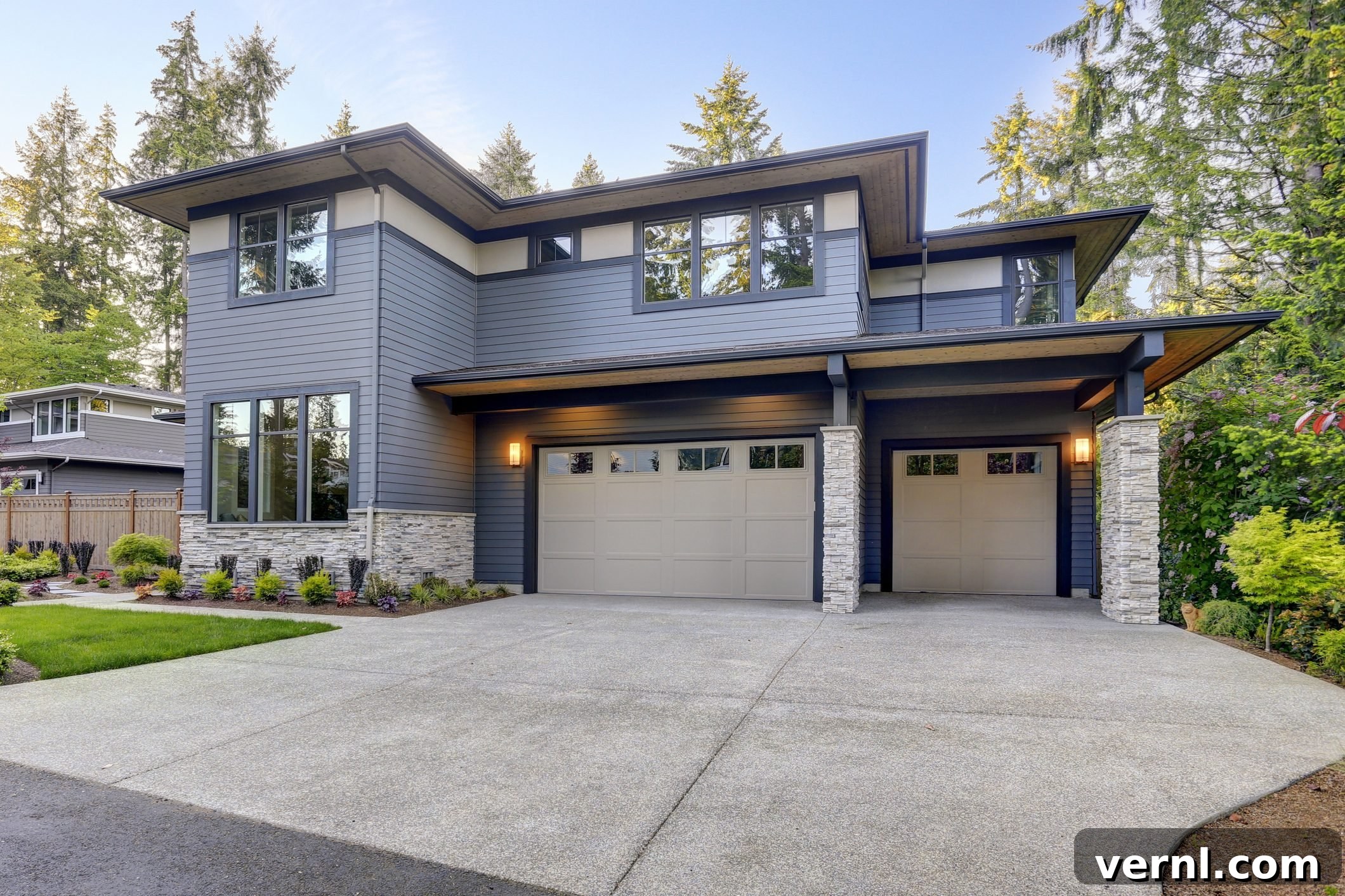
For decades, aluminum siding has been a prominent feature in the American housing landscape. Celebrating its 50th anniversary in 1995, it was once lauded by the Washington Post as “a marvel of mass production” yet simultaneously labeled “a suburban eyesore.” This initial perception perfectly encapsulates the core debate surrounding aluminum siding: its undeniable practicality paired with its often-criticized aesthetic. While aluminum siding sales were estimated between $6 and $20 billion annually in 1995, surging to $151 billion in 2020, its market share today represents a smaller slice of the overall national siding market. Many homeowners might associate it more with utilitarian structures like sheds, outbuildings, or budget-friendly lakeside vacation homes, rather than their primary residences.
Several factors have contributed to aluminum siding’s perceived decline in popularity. Experts, such as Empire Roofing Company, often cite its somewhat industrial appearance, susceptibility to color fading, and vulnerability to denting as key disadvantages. However, it’s crucial to look beyond these common criticisms. Modern aluminum siding has undergone significant evolution since its earlier iterations. Today’s products are more durable, aesthetically versatile, and maintain their budget-friendly appeal. This comprehensive guide will delve into the multifaceted world of aluminum siding, exploring its numerous advantages, addressing its drawbacks, and providing insights into why it might still be an excellent choice for your new or existing home.
Why Consider Aluminum Siding for Your Home?
For homeowners prioritizing a blend of low maintenance, impressive durability, and cost-effectiveness, aluminum siding consistently stands out as a smart choice. Urban Exteriors highlights that its affordability and ease of maintenance are compelling reasons for its continued use in home construction and renovation projects.
Maintaining aluminum siding is remarkably straightforward. A simple rinse with a garden hose is usually sufficient to remove dirt and dust, keeping your home’s exterior looking fresh. Periodically checking seams to prevent dirt buildup is also a fundamental but effective metal siding maintenance tip that contributes to its long-term pristine condition. This minimal upkeep translates directly into time and cost savings for homeowners.
Regarding cost, Modernize reports that aluminum siding typically ranges from $5.60 to $10.30 per square foot for both material and installation, making it an attractive option for those working with a tight budget. Beyond the initial investment, aluminum siding offers exceptional longevity. With proper care, it can last 40 years or even longer. This extended lifespan, combined with its 100% recyclability, firmly positions aluminum siding among the more environmentally friendly and sustainable siding options available today. Its low lifecycle cost and reduced environmental footprint make it an increasingly relevant choice for modern, eco-conscious homeowners.
The Undeniable Advantages of Aluminum Siding
While initial cost is a significant driver, with aluminum often being slightly cheaper than vinyl, fiber cement, and stucco, and substantially more affordable than brick, stone, or wood, its benefits extend far beyond the price tag. Here are several compelling reasons why aluminum continues to be a top contender among siding options:
- Rot- and Pest-Proof: A standout among aluminum house siding advantages is its inherent resistance to common threats like rot, mildew, and pests. Unlike organic materials such as wood, aluminum does not absorb moisture, making it immune to fungal growth and deterioration. Its inorganic nature also means it provides no food source or nesting ground for insects like termites, carpenter ants, or rodents. This protection helps preserve the structural integrity of your home and can even lead to a reduction in homeowner’s insurance premiums, depending on your insurer, due to reduced risk of pest-related damage.
- Exceptional Weather Resistance: Aluminum siding offers superior protection against the elements. It is inherently waterproof, preventing moisture infiltration that can lead to costly interior damage. Unlike vinyl, it does not expand and contract significantly with fluctuating temperatures, eliminating the risk of warping, buckling, or cracking over time. Aluminum also resists turning brittle with age, a common issue with some other materials. While aluminum does rust, the resulting aluminum oxide forms a stable, protective barrier on the surface that effectively prevents further corrosion, ensuring its longevity and maintaining its structural integrity in diverse climates.
- Highly Paintable and Customizable: While aluminum siding comes in a diverse range of factory colors, its ability to be repainted is a significant advantage. When the original factory finish eventually fades or if you simply desire a fresh look, you can repaint it without the adhesion issues often encountered with vinyl. This allows for unparalleled customization and flexibility, enabling homeowners to update their home’s aesthetic as trends change or as personal preferences evolve, all without the expense of a full siding replacement.
- Good Insulating Properties: Aluminum siding is available in various gauges (thicknesses). The heavier gauges offer excellent insulating capabilities, contributing to a more energy-efficient home. This enhanced thermal performance helps to reduce heating and cooling costs by minimizing heat transfer through the walls. For homes in regions with extreme climates, where temperatures fluctuate widely, the insulating qualities of thicker aluminum siding make it a particularly wise choice, providing comfort and significant utility bill savings.
- Lightweight and Easy to Install: The relatively light weight of aluminum siding panels simplifies the installation process. This ease of handling often translates directly into lower labor costs compared to heavier, more cumbersome siding materials like fiber cement or stone. Quicker installation times also mean less disruption to your daily life and a faster completion of your home’s exterior project, making it an efficient option for both new constructions and renovations.
- Environmentally Responsible and Recyclable: Aluminum is widely recognized as a “green” building material due to its exceptional recyclability. Virtually 100% of used aluminum siding can be recycled and repurposed, diverting significant waste from landfills. While the initial environmental impact of aluminum mining is considerable, its endless recyclability and long lifespan significantly offset this, making it a sustainable choice over its entire lifecycle. Choosing aluminum contributes to a circular economy and reduces demand for virgin materials.
- Excellent Fire Resistance: According to United Home Experts, aluminum is almost completely fireproof. This inherent fire resistance provides a crucial layer of safety for your home and its occupants. In the event of a fire, aluminum siding will not ignite, melt, or contribute to the spread of flames, unlike some other materials. This superior fire safety is another reason why homeowners who opt for aluminum siding often qualify for lower homeowners’ insurance rates, adding another financial benefit to its list of advantages.
Understanding the Cons of Aluminum Siding
Despite its many advantages, aluminum siding does present a few drawbacks that potential homeowners should consider. For many, the primary concern revolves around its appearance, which can sometimes be perceived as dated or overly industrial. Manufacturers have actively worked to address this by creating panels that mimic natural wood grain patterns and offering a broader palette of earth-tone colors and sophisticated finishes. However, the lingering stigma or preference for more organic textures means that aluminum might not appeal to everyone seeking a specific aesthetic.
Beyond aesthetics, other significant disadvantages include:
- Vulnerability to Dents and Scratches: Aluminum, being a metal, is susceptible to denting and scratching, especially from impacts. Flying debris during strong winds, such as tree branches, or accidental bumps from lawn equipment can easily cause visible imperfections. These dents immediately betray the metallic nature of the material, which can detract from the home’s curb appeal. Homeowners can mitigate this risk by opting for thicker, more robust panels, such as 53-gauge, which offer greater impact resistance compared to standard 44-gauge options, though they come at a higher cost.
- Color Fading and Chalking: The factory finish on aluminum siding can inevitably fade over time when exposed to prolonged sunlight and harsh weather. This fading often leads to a chalky residue on the surface, known as chalking. This can create a challenge when trying to replace a single damaged panel, as finding an exact color match for faded siding can be extremely difficult, resulting in a patchy appearance. To maintain its best look, aluminum siding typically requires repainting every 10 years or so, which is an additional maintenance consideration and cost. Here, you can find out the cost of replacing the siding entirely if fading becomes too severe.
- Pinging Noises: A unique characteristic of aluminum siding is its potential to produce “pinging” or “ticking” noises. This occurs primarily during high winds or on exceptionally hot summer days as the metal expands and contracts with rapid temperature changes. While not a structural issue, the noise can be a nuisance for some homeowners, particularly those sensitive to ambient sounds, and is a factor to consider, especially in areas prone to extreme weather conditions.
Leading Aluminum Siding Manufacturers
The history of aluminum in construction dates back to the 1920s, with pioneers like Alcoa. However, Frank Hoess secured the first patent for aluminum siding in 1937, founding a small company that persisted until the 1960s despite fierce competition from industry giants such as Reynolds Metals. While these historical players are no longer in the modern aluminum siding market, numerous contemporary manufacturers continue to innovate and produce high-quality aluminum siding options for homes today.
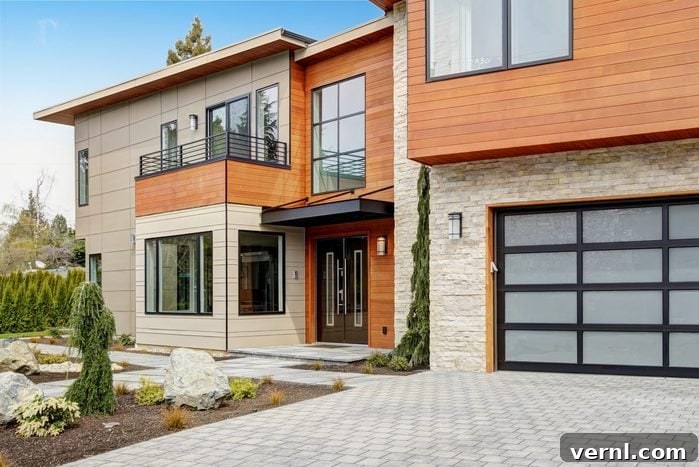
Kaycan
Established in 1974, Kaycan initially focused on aluminum siding before expanding its product range to include vinyl siding in 1983. With a robust presence across several U.S. states and Canadian provinces, Kaycan offers two distinct product lines designed to meet diverse aesthetic preferences. Their standard Kaycan siding line provides a selection of traditional light colors alongside a few darker options, catering to classic home styles. For those seeking a more contemporary aesthetic, their Urbanix siding line features highly textured panels available in a darker, more modern color palette, offering a sophisticated and updated look for any aluminum siding house.
Duschene
A trusted, family-owned supplier based in Quebec, Duschene boasts a rich history in manufacturing roofing and siding products since 1927. Their extensive experience makes them a reliable choice throughout Canada and the U.S. Duschene specializes in offering both horizontal and vertical aluminum siding solutions. Their product range, while focused on quality over sheer breadth, includes plain and textured surfaces in classic colors such as white, ivory, and chocolate. Beyond siding panels, Duschene also provides complementary aluminum soffits, fascia, and various moldings, enabling a cohesive exterior design. They also offer valuable advice on how to effectively combine aluminum with other materials, like vinyl, for a custom look.
Gentek
As a division of Associated Materials, LLC, Gentek Building Products has been a prominent manufacturer of aluminum and steel building products for five decades. Their commitment to innovation is evident in their three distinct lines of aluminum siding products. The Deluxe line represents their original, time-tested offering. More recent additions, the Woodgrain 2000 Series and the Cedarwood series, incorporate advanced manufacturing techniques to create textured surfaces that remarkably mimic the natural appearance of wood grain, addressing the aesthetic concerns of many homeowners. A notable advantage of Gentek siding is its manufacturing with an extra-deep 1/2-inch butt height, which gives the siding an added dimension and shadow line, providing a more substantial and premium appearance not typically associated with aluminum.
Frequently Asked Questions About Aluminum Siding
Is aluminum siding a good choice for houses?
Yes, aluminum siding is undeniably a good choice for many houses due to its compelling combination of affordability, ease of maintenance, sustainability, and durability. An aluminum siding house can be tailored to various architectural styles, offering a wide array of options to enhance curb appeal and add personality. Beyond its practical benefits, modern manufacturing techniques allow traditional aluminum lap siding to be engineered to closely resemble wood siding, offering similar beneficial qualities without the associated maintenance headaches. This versatility and long-term value solidify its position as one of the top choices among available siding materials.
How long can aluminum siding last on a house?
When properly installed and consistently maintained, aluminum siding can have an impressive lifespan, often exceeding 40 years. However, its longevity is subject to several critical factors. These include the initial quality of the material (e.g., gauge thickness, finish quality), the expertise of the installation method, and the specific climate conditions it endures. Adhering to essential metal siding maintenance tips, such as routine cleaning to prevent dirt buildup and periodic repainting to refresh the finish and protect against environmental elements, significantly contributes to maximizing its lifespan. In regions characterized by heavy snowfall or high humidity, aluminum siding may degrade more quickly. Under such conditions, it can be prone to oxidation, which manifests as a powdery, chalk-like coating on its surface. Furthermore, prolonged exposure to certain chemicals can instigate chemical reactions, leading to corrosion over time.
What are the key differences between aluminum and vinyl siding?
While both aluminum and vinyl are popular siding materials, they possess distinct characteristics. Typically, aluminum siding is slightly more expensive than vinyl siding in terms of material cost, though installation costs can vary. The fundamental difference lies in their composition: aluminum is a metal, while vinyl is a plastic polymer. In terms of resilience, vinyl does not rot or rust, a characteristic it shares with aluminum, which also exhibits strong rot resistance. However, a key distinction is their response to impact: vinyl siding is generally more resistant to denting than aluminum, but it is more susceptible to cracking or becoming brittle in extreme cold, whereas aluminum typically withstands such conditions without cracking. Additionally, aluminum siding often requires more frequent repainting (every 10-15 years) compared to vinyl, which typically maintains its color and finish for longer without needing a fresh coat. The choice between the two often hinges on specific factors like your local climate, budgetary constraints, desired aesthetic, and your preference for highly eco-friendly siding options, given aluminum’s superior recyclability.
Conclusion
Aluminum siding, despite its fluctuating popularity and historical perceptions, remains a robust and viable option for homeowners today. Its evolution has addressed many of its earlier shortcomings, offering enhanced durability, improved aesthetics, and undeniable cost-effectiveness over its long lifespan. From its rot- and pest-proof nature to its weather resistance, paintability, and excellent insulation properties, the advantages of aluminum siding are compelling. While considerations like denting, color fading, and occasional “pinging” noises are valid, modern solutions and proper maintenance can effectively mitigate these issues.
When weighing your exterior home building materials, it’s essential to look beyond outdated stereotypes and consider the current state of aluminum siding technology. Its sustainability through recyclability and contributions to energy efficiency align well with contemporary building practices and environmental consciousness. By exploring options from reputable manufacturers like Kaycan, Duschene, and Gentek, homeowners can find high-quality aluminum siding that not only protects their investment but also contributes to the beauty and value of their property for decades to come. Making an informed decision based on a comprehensive understanding of its pros and cons is key to selecting the perfect siding solution for your home.
Sources:
- Empire Building: “Roofing Company in Allison Park”
- Kaycan: “Kaycan Aluminum Siding & Accessories.”
- Duchesne: “Aluminum Soffits, Mouldings and Flat Stock.”
- Gentek: “Aluminum Siding.”
- United Home Experts: “The Pros and Cons of Aluminum Siding”
- Urban Exteriors: “Pros And Cons Of Aluminum Siding: What You Need To Know”
- Modernize: “How Much Does Aluminum Siding Cost?”