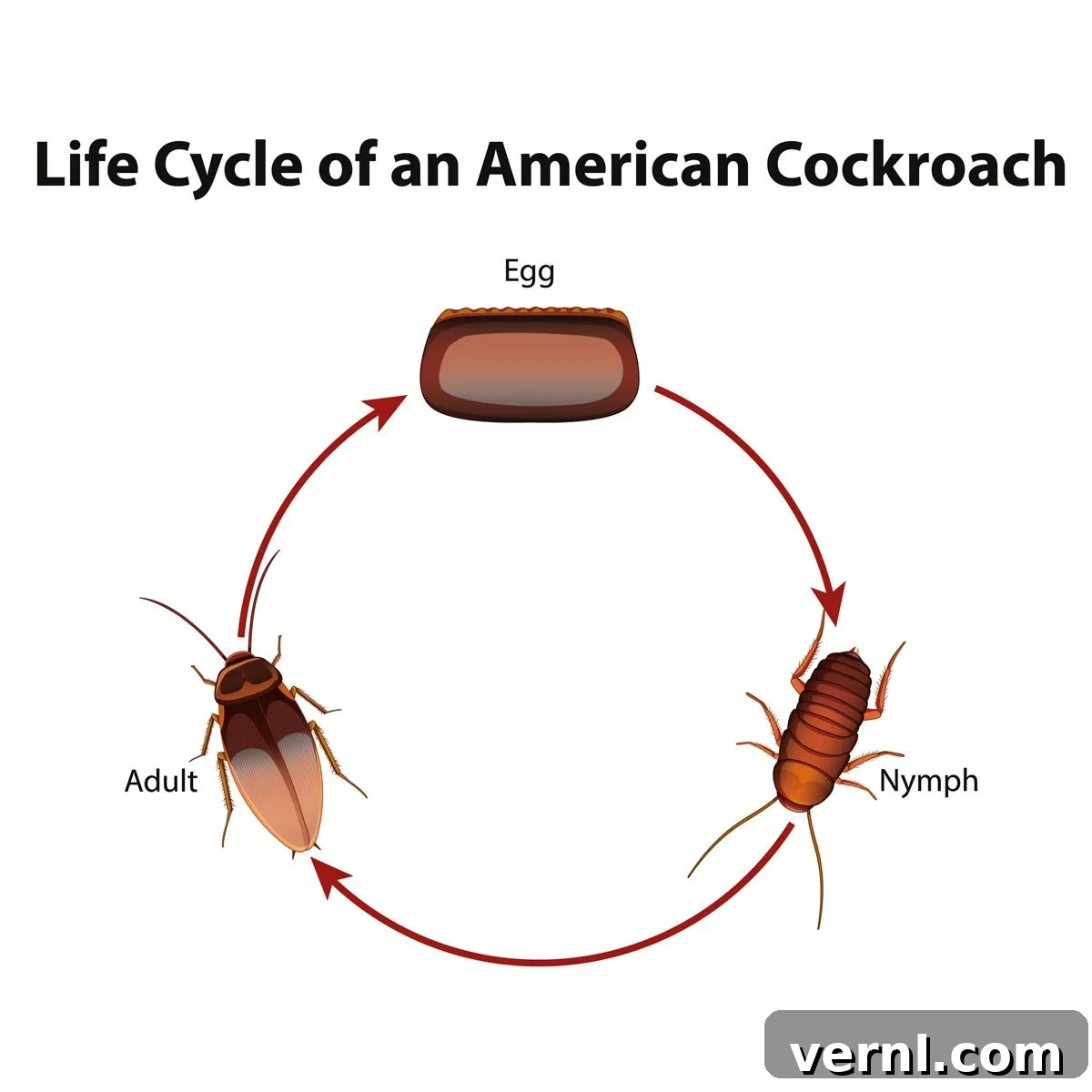
The Resilient World of Cockroaches: Understanding Their Life Cycle and Impact
Cockroaches are among the most ancient and adaptable insects on Earth, with their lineage tracing back over 200 million years, some estimates pushing this even further to 350 million years. These remarkable survivors have endured countless environmental changes and global shifts, a testament to their incredible resilience and reproductive prowess. Often unwelcome inhabitants of human dwellings, understanding the cockroach is the first crucial step toward effective management. This comprehensive guide delves into the fascinating, albeit sometimes unsettling, life cycle of cockroaches, exploring their stages of development, their astonishing longevity, and the reasons behind their persistent presence in our homes and businesses.
From the moment a single cockroach is spotted, it signals a potential underlying infestation that requires immediate attention. To effectively combat these resilient pests, it’s essential to grasp their biology, habits, and the complete journey they undertake from egg to adult. By understanding each phase of their life, we can identify vulnerabilities and implement targeted strategies to mitigate their presence and prevent future invasions.
Cockroach Life Cycle: A Journey of Transformation and Proliferation
Unlike insects that undergo complete metamorphosis (like butterflies with larva, pupa, adult stages), cockroaches exhibit incomplete metamorphosis. This means their life cycle progresses through three primary developmental stages: the egg, nymph, and adult. Each stage presents unique characteristics and challenges for pest control, underscoring the importance of a holistic approach to eradication.
The speed at which cockroaches can reproduce and develop contributes significantly to their status as formidable pests. A single female can produce numerous offspring within her lifespan, leading to exponential population growth if left unchecked. This rapid reproductive capability, combined with their ability to thrive in a variety of environments, makes early detection and intervention absolutely vital.
Stage 1: The Ootheca – The Egg Stage
The cockroach life cycle begins with the egg stage, which is often encased within a protective structure called an ootheca, or egg case. Female cockroaches are incredibly prolific, with the ability to lay anywhere from 10 to 55 eggs at a time, depending on the species. The majority of cockroach species are oviparous, meaning the eggs develop externally, outside the mother’s body, housed within this durable ootheca.
Oothecae vary in appearance by species but generally are small, capsule-shaped structures. For instance, German cockroach oothecae are typically light brown and resemble a tiny bean, while American cockroach oothecae are darker, reddish-brown, and larger. These egg cases are meticulously crafted to protect the developing embryos from external threats, including desiccation and some pesticides. Females strategically deposit these oothecae in warm, moist, and secluded environments—such as cracks, crevices, behind appliances, or in damp basements—places that offer optimal conditions for hatching and protection from predators.
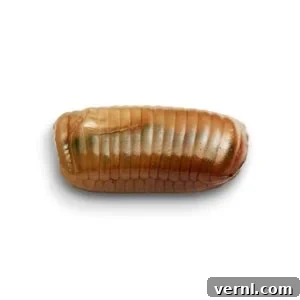
The incubation period for cockroach eggs typically ranges from one to two months, though this can be significantly influenced by species and environmental factors like temperature and humidity. Some species, under ideal conditions, may hatch faster. The ability of female cockroaches to produce multiple oothecae throughout their lifespan, often several times a year, means that a single female can be responsible for hundreds, even thousands, of offspring annually. This prolific reproduction makes controlling cockroach populations particularly challenging. Therefore, discovering and eliminating cockroach egg cases early is a critical step in preventing widespread infestations and containing their rapid spread.
Stage 2: The Nymph – Growing Pains and Molting
Once a cockroach egg hatches from its ootheca, the tiny, immature cockroach enters the nymph stage. Newly hatched nymphs are often startlingly small, soft-bodied, and appear white or translucent. This initial coloration quickly changes as their exoskeleton hardens, gradually darkening to resemble a miniature version of the adult cockroach, typically a brown or reddish-brown hue, depending on the species.
The nymph stage is characterized by a series of growth spurts known as molts or instars. During each molt, the nymph sheds its outer exoskeleton, allowing its body to grow larger. This process can occur multiple times, with the number of molts varying by species, ranging from as few as 5 to as many as 13. During the brief period immediately after molting, nymphs are vulnerable due to their soft, exposed bodies. They quickly seek shelter until their new exoskeleton hardens.
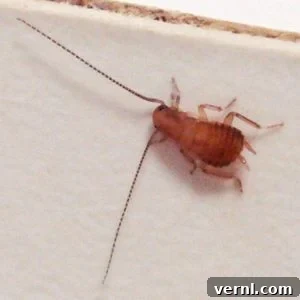
Nymphs are voracious feeders and will consume the same types of food as adult cockroaches, contributing to the contamination of food sources and surfaces. Their behavior is largely secretive, mirroring adults, as they prefer dark, undisturbed locations. While some female cockroach species, such as the German cockroach, exhibit some maternal care by carrying their oothecae until hatching, others may abandon their young shortly after laying eggs. The duration of the nymphal stage can vary significantly, lasting anywhere from a few months to almost a year, influenced by factors such as temperature, humidity, and the availability of food and water. As nymphs mature through their successive molts, small wing pads may become visible, but functional wings do not develop until the final adult stage.
Stage 3: The Adult – Reproduction and Longevity
The final and perhaps most impactful stage in the cockroach life cycle is the adult stage. A cockroach reaches adulthood after undergoing its final molt, emerging as a fully developed, reproductively capable insect. At this point, the cockroach will have achieved its maximum size, ranging from approximately 1/2 inch to over 3 inches long, depending on the species. Adult cockroaches typically possess three pairs of legs for rapid movement, two pairs of wings (though not all species are capable of flight), and a distinctive long pair of antennae on the front of their head, which they use to navigate their environment and detect food sources.
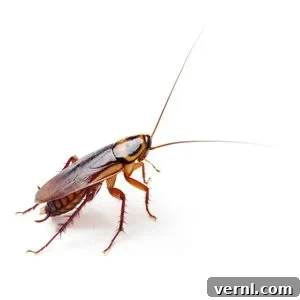
While many cockroach species do possess wings, a significant number of them either do not fly or are poor flyers. Instead, they rely on their incredible speed, crawling quickly from place to place, capable of traveling up to two to three miles per hour to evade predators and seek shelter. This speed makes them notoriously difficult to catch. The primary function of the adult stage is reproduction. Females, once fully mature, will begin the process of courting and attracting males to initiate the reproduction cycle, leading to the creation of new oothecae and perpetuating the species’ presence.
The appearance of adult cockroaches varies greatly across species. For example, German cockroaches are smaller and light brown with two dark stripes behind their head, commonly found in kitchens and bathrooms. American cockroaches are larger, reddish-brown, and often found in basements, sewers, and outdoors. Oriental cockroaches are dark brown to black and often referred to as “water bugs” due to their preference for damp, cool environments. Identifying the specific species is crucial for tailoring effective pest control strategies.
The Remarkable Lifespan and Resilience of Cockroaches
The average lifespan of an adult cockroach typically ranges from one to two years, though some exceptional species can live for as long as a decade under optimal conditions. Their enduring existence on Earth for hundreds of millions of years is a testament to their incredible survival instincts and robust biological makeup. This remarkable longevity and historical presence classify them as one of the oldest surviving insect orders on the planet.
Several factors contribute to their unparalleled resilience and ability to thrive:
- Rapid Reproduction Rates: Their ability to reproduce frequently and in large numbers ensures continuous population growth, even when faced with control efforts.
- Hardy Exoskeletons: Their tough outer shells provide physical protection against impacts, environmental stresses, and even some chemical treatments.
- Adaptability to Diverse Environments: Cockroaches are incredibly versatile. They can survive in a vast array of habitats, from tropical forests to arid deserts, and most famously, within human structures that provide consistent warmth, moisture, and food.
- Omnivorous Diet: They are not picky eaters, consuming almost anything organic—food scraps, decaying matter, paper, glue, fabrics, and even their own shed skins. This broad diet ensures they can find sustenance almost anywhere.
- Ability to Withstand Harsh Conditions: Cockroaches can endure extended periods without food or water, survive decapitation for weeks, and demonstrate a remarkable tolerance to radiation (though not to the extent of cartoon myths, they are more resilient than humans).
- Nocturnal and Secretive Habits: Their preference for darkness and hiding in cracks and crevices makes them difficult to detect until an infestation is well-established.
- High Speed and Evasive Maneuvers: Their swift movement and ability to squeeze into tight spaces allow them to escape threats quickly, making them hard to catch or eliminate physically.
These combined attributes make cockroaches formidable pests that require persistent and knowledgeable efforts to manage.
Why Cockroach Infestations are a Serious Concern
Beyond their unsightly presence, cockroach infestations pose significant health risks and can cause considerable distress and damage. It’s crucial to understand why these pests are not just a nuisance but a serious public health concern:
- Allergens and Asthma Triggers: Cockroach droppings, saliva, and shed exoskeletons contain potent allergens that can trigger allergic reactions, especially in sensitive individuals. They are a known cause and aggravator of asthma, particularly in children living in urban environments.
- Spread of Pathogens: Cockroaches are vectors for numerous bacteria, viruses, fungi, and parasites. As they crawl through unsanitary areas like sewers, drains, and garbage, they pick up pathogens on their bodies and legs. When they then walk across food preparation surfaces, utensils, or food itself, they can transfer these contaminants, leading to illnesses such as salmonellosis, E. coli infections, dysentery, and even polio.
- Contamination of Food and Surfaces: Their foraging habits mean they contaminate food items, kitchen counters, dishes, and other surfaces with their waste and the microbes they carry. This renders food unsafe for consumption.
- Damage to Property: While not as destructive as rodents, cockroaches can damage household items by feeding on non-food items like paper products, books, fabrics, and even electronics, often attracted by food residues or adhesives.
- Psychological Distress: The sight of cockroaches can cause significant psychological discomfort, anxiety, and embarrassment for homeowners and businesses alike, impacting quality of life and business reputation.
Recognizing the signs of an infestation early is vital. These include the presence of droppings (which may resemble coffee grounds or black pepper), a distinct musty odor, shed skins (exuviae), visible egg cases, and, of course, live sightings—especially during the day, which often indicates a large population forced out by overcrowding or lack of resources.
Effective Strategies for Cockroach Control and Prevention
Addressing a cockroach problem requires a multi-faceted approach, combining proactive prevention with targeted control measures. Here are effective strategies for managing and preventing cockroach infestations:
- Early Detection is Key: Regular inspection of common cockroach hiding spots (under sinks, behind appliances, in pantries) is crucial. Monitoring with sticky traps can help determine their presence and population size.
- Superior Sanitation: Eliminating food sources is paramount. Keep kitchens spotless, clean up crumbs and spills immediately, store food in airtight containers, and take out trash regularly in sealed bins. Wash dishes promptly and clean pet food bowls.
- Moisture Control: Cockroaches need water to survive. Fix leaky pipes, faucets, and drains. Reduce humidity with proper ventilation, especially in bathrooms and basements. Wipe down sinks and showers after use.
- Seal Entry Points: Cockroaches can enter through tiny cracks and crevices. Seal gaps around pipes, utility lines, and electrical outlets. Repair any holes in walls, floors, or foundations. Ensure doors and windows have tight-fitting screens and seals.
- Trapping and Baiting: Gel baits are highly effective as cockroaches consume the bait and carry it back to their nests, spreading the insecticide throughout the colony. Place baits in known activity areas, away from food and pets. Sticky traps can also help monitor and reduce populations.
- Insecticide Application: Dusts and sprays can be used in targeted areas like wall voids and deep crevices, but care must be taken to follow label instructions precisely. Over-reliance on sprays can lead to resistance and may disperse populations, making the problem worse.
- When to Call Professionals: For severe or persistent infestations, professional pest control services are highly recommended. Experts can accurately identify the species, locate hidden nesting sites, and apply specialized treatments safely and effectively, implementing an Integrated Pest Management (IPM) plan.
An Integrated Pest Management (IPM) approach combines biological, cultural, physical, and chemical tools in a way that minimizes economic, health, and environmental risks. It’s the most sustainable way to manage pests.
Common Types of Cockroaches and Their Characteristics
While many species of cockroaches exist worldwide, a few are particularly common as household pests:
- German Cockroach (Blattella germanica): The most common indoor species globally. Small (1/2 to 5/8 inch), light brown with two dark stripes behind the head. Reproduces very quickly, often found in kitchens and bathrooms due to their need for warmth, food, and moisture.
- American Cockroach (Periplaneta americana): The largest common house-infesting cockroach (1.5 to 2 inches), reddish-brown. Often found in basements, sewers, and drains, preferring warm, damp environments. They can fly short distances.
- Oriental Cockroach (Blatta orientalis): Also known as “water bugs.” Dark brown to black (1 to 1.25 inches). Prefer cool, damp places like basements, crawl spaces, and drains. They are poor climbers and generally cannot fly.
- Brown-banded Cockroach (Supella longipalpa): Smaller (1/2 inch), dark brown with two light bands across their body and wings. Prefer warmer, drier locations than German cockroaches, often found in bedrooms, living rooms, and high on walls or ceilings, less restricted to kitchens and bathrooms.
Understanding these different species helps in identifying their unique habits and thereby implementing more specific and effective control measures.
Your Comprehensive Guide to Cockroach Management
In conclusion, cockroaches are more than just a nuisance; they are ancient, incredibly resilient insects with a rapid life cycle that can pose significant health risks and cause distress in any home or business. Their ability to survive and reproduce in challenging conditions is a marvel of natural selection, but it also makes them one of the most persistent pests known to humanity.
Effective cockroach management hinges on a deep understanding of their biology, particularly their three-stage life cycle, from the protective ootheca to the fast-moving adult. Proactive measures such as rigorous sanitation, moisture control, and sealing entry points are the foundation of prevention. When infestations occur, early detection coupled with targeted treatments like baiting and, if necessary, professional pest control, are crucial for successful eradication.
By staying informed and vigilant, you can protect your living spaces from these tenacious invaders and ensure a healthier, more comfortable environment. Remember, consistency and thoroughness are your greatest allies in the ongoing battle against cockroaches.
Further Resources for Cockroach Control and Information
For more in-depth knowledge about cockroaches, their identification, and advanced control strategies, explore the following resources:
- Cockroach Guide
- Types of Cockroaches
- How to Get Rid of Cockroaches
- Best Ways to Kill Cockroaches
- How to Prevent Cockroaches
- Cockroach Infestations: Signs, Causes, and Solutions
- Cockroach Life Cycle: Eggs, Nymphs, and Adults Explained
- Cockroach Safety: Protecting Your Home and Health
- Fascinating Cockroach Facts
Scientific and Health Sources
- https://www.who.int/water_sanitation_health/resources/vector288to301.pdf
- http://ipm.ucanr.edu/PMG/PESTNOTES/pn7467.html#IDENTIFICATION