
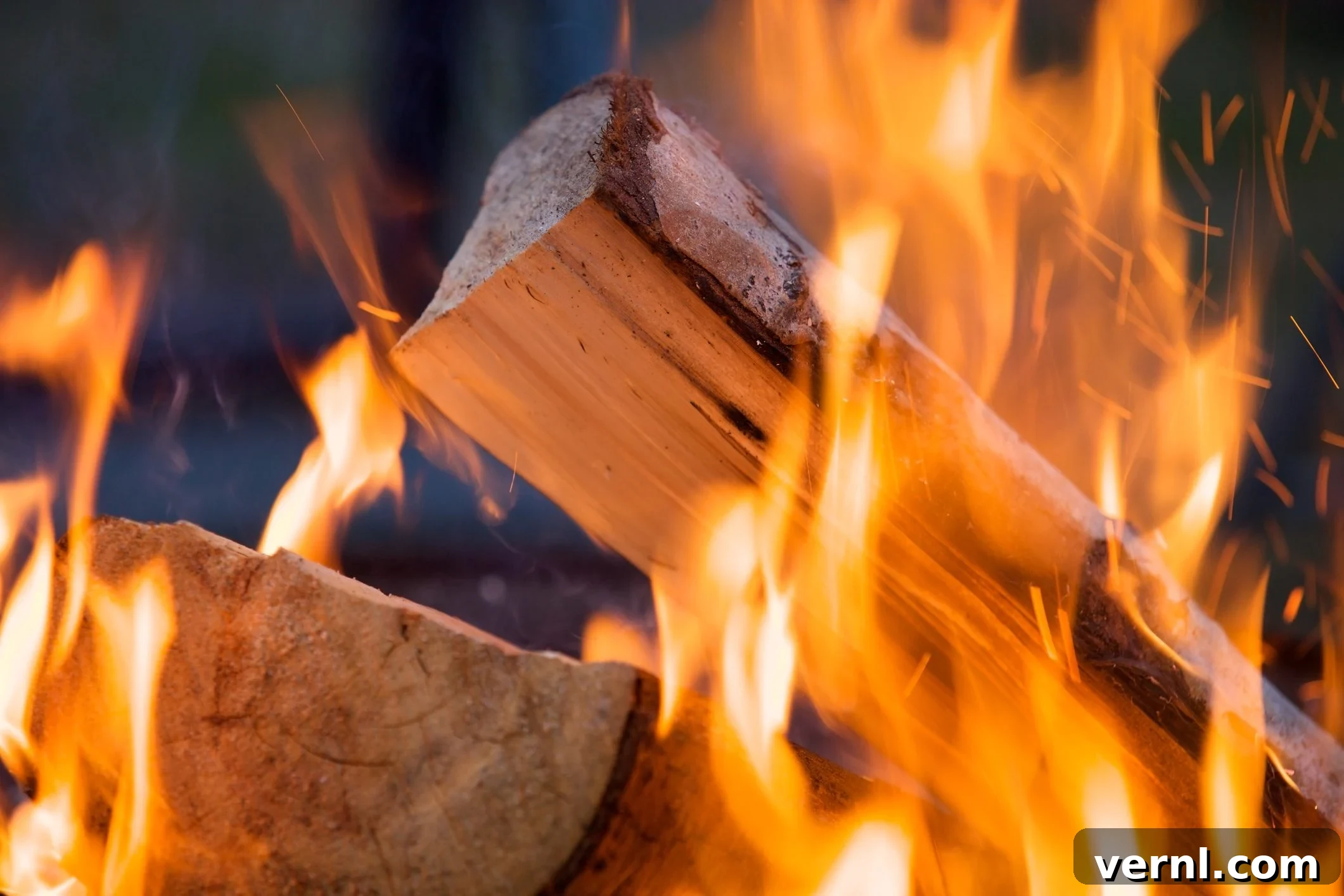
Seasoned vs. Kiln-Dried Firewood: Making the Smart Choice for Your Fire
There’s nothing quite like the crackling warmth and inviting glow of a roaring fire, whether it’s illuminating a cozy evening in your fireplace at home or providing comfort and light in a campground firepit. But the quality of your fire hinges significantly on the quality of your fuel. When you embark on the journey of buying wood to burn, you’ll quickly encounter a fundamental distinction: “green” wood versus dried wood. Understanding the differences between naturally seasoned and kiln-dried firewood is paramount not just for a better fire, but also for safety, efficiency, and environmental responsibility. This comprehensive guide will illuminate the nuances, helping you make an informed decision for every occasion.
Freshly cut wood, often referred to as “green wood,” is brimming with moisture, typically boasting a water content around 60 percent. This high moisture level renders it essentially useless as firewood. Burning green wood leads to excessive smoke, difficult ignition, a weak flame, and inefficient heat production, often accompanied by a distinct hissing sound as the water boils away. To transform this raw material into effective fuel, the moisture must be significantly reduced. This drying process typically occurs in one of two ways: natural seasoning or accelerated kiln-drying. While both methods aim to lower moisture content, they yield different results with distinct advantages and disadvantages. Let’s delve into the specifics of each.
What Is Seasoned Firewood?
Seasoned firewood is the product of a traditional, natural drying process. After a tree is cut and split, the wood is left exposed to the elements – sun and wind – for an extended period, allowing its internal moisture to gradually evaporate. This time-honored method relies purely on ambient conditions, making it a sustainable and cost-effective approach to preparing firewood.
The seasoning process is not a quick one; it typically demands a significant investment of time, ranging from six to 18 months. Some dedicated enthusiasts even advocate for a three-year seasoning period, particularly for denser hardwoods, to achieve optimal dryness and burning quality. The exact duration required for proper seasoning is influenced by a multitude of factors, each playing a critical role in the rate of moisture loss:
- The Tree’s Condition When Felled: Whether the cut tree was alive or already dead when felled impacts its initial moisture content. Live trees naturally hold more water, extending the seasoning period. Dead standing trees, on the other hand, may have already begun to dry out, potentially shortening the seasoning time. However, deadfall can also mean increased risk of rot or insect infestation if not processed promptly.
- Wood Hardness and Species: The density and cellular structure of the wood significantly affect how quickly it dries. Softwoods, such as pine, spruce, or cedar, generally have a more porous structure and lower initial moisture content, allowing them to dry faster than hardwoods. Hardwoods like oak, maple, hickory, and cherry are much denser, containing more moisture that is slower to release, thus requiring a longer seasoning period.
- Season of Cutting: The time of year when the wood is harvested also matters. Wood cut during warmer, drier months (spring and summer) tends to dry more efficiently due to higher ambient temperatures and lower humidity, which accelerate evaporation. Conversely, wood cut in colder, wetter months will take longer to season.
- Proper Stacking and Airflow: How firewood is stacked is arguably one of the most crucial elements in effective natural seasoning. For optimal results, wood should be stacked in a way that maximizes airflow around each piece. This typically involves elevating the stack off the ground to prevent moisture absorption and rot, and arranging pieces in a criss-cross pattern or with sufficient gaps to allow air to circulate freely. Covering the top of the stack can protect it from rain and snow, but sides should ideally remain exposed to the wind. For more detailed insights on this, refer to guides on how long you should dry firewood.
Identifying Properly Seasoned Wood
At the culmination of the natural seasoning process, the wood should exhibit several distinct characteristics that indicate its readiness for burning. The moisture level should ideally drop to approximately 20 to 30 percent. Visually, the wood will typically begin to show cracks, known as “checking,” at the edges and ends as the fibers contract during drying. Its color will transition from a vibrant, fresh hue to a duller, often grayish or faded appearance. When handled, properly seasoned wood will feel noticeably lighter than its green counterpart, as much of its water weight has dissipated. A simple test involves knocking two pieces together; seasoned wood will produce a clear, hollow sound, whereas green wood will sound dull. It’s important to note that while seasoning requires patience, giving the wood too much time to season can be detrimental, leading to the risk of it decomposing, rotting, or becoming infested with insects, ultimately diminishing its heat output and overall quality.
What Is Kiln-Dried Firewood?
Kiln-drying represents a modern, accelerated approach to preparing firewood, essentially supercharging the natural drying process. Instead of relying on passive air circulation, this method utilizes a controlled, industrial environment to rapidly reduce the wood’s moisture content. This makes kiln-dried firewood a preferred choice for many due to its consistency and immediate readiness for use.
In a kiln-drying operation, firewood is carefully stacked within a large, climate-controlled chamber, or kiln. Inside this specialized oven, the wood bakes at elevated temperatures, typically ranging between 120 and 220 degrees Fahrenheit (approximately 49 to 104 degrees Celsius), combined with carefully managed low humidity levels. This intense, regulated heat and dry air rapidly draw moisture from the wood. The entire process is remarkably efficient, usually taking only three to six days to achieve optimal dryness. This short turnaround time stands in stark contrast to the months or even years required for natural seasoning, offering a significant advantage in terms of production and availability.
The primary goal of kiln-drying is to lower the wood’s moisture content below 20 percent, making it perfect for burning. This precise control over the drying environment ensures a consistent moisture level across the entire batch, a consistency that is often difficult to achieve with natural seasoning. Kiln-dried firewood will exhibit similar indicators of dryness as seasoned wood, but often more pronounced. It will weigh significantly less than naturally seasoned wood, having shed even more water. When tapped, a piece of kiln-dried wood will produce a distinctly hollow sound, a clear indication of its low moisture content. Additionally, its appearance may be cleaner and more uniform, often lacking the deep cracks that characterize naturally seasoned wood, although some surface checking can still occur.
Seasoned vs. Dried Firewood: A Direct Comparison
When it comes down to the actual burning experience, the differences between naturally seasoned and kiln-dried firewood become strikingly apparent. These distinctions extend beyond simple convenience, impacting performance, environmental factors, health, and cost effectiveness.
1. Ease of Lighting and Ignition
- Kiln-Dried: With significantly less residual water trapped within its fibers, kiln-dried firewood lights far easier and quicker. This means less struggle, less reliance on excessive kindling, and often just a bit of shredded newspaper or a fire starter is enough to get a robust flame going. The instant gratification and reduced effort make it a favorite for quick fires.
- Seasoned: While good quality seasoned wood will light, it generally requires more effort and a greater quantity of fire starter kits or kindling to overcome its higher moisture content (20-30% versus under 20%). This can lead to frustration and a longer wait for a stable fire.
2. Smoke Production and Environmental Impact
- Kiln-Dried: The reduced moisture content in kiln-dried wood means it burns much cleaner and produces considerably less smoke. This translates to fewer fine particulate emissions into the atmosphere, a significant environmental benefit. Cleaner burning also reduces the buildup of creosote in chimneys and flues, which is a major fire hazard.
- Seasoned: While seasoned wood is far better than green wood, its higher moisture content still results in more smoke compared to kiln-dried wood. This increased smoke output means more particulate matter released into the air and a higher risk of creosote accumulation. According to the Environmental Protection Agency, breathing in too much smoke can irritate and inflame your lungs, negatively impact your immune system, and trigger asthma attacks and other respiratory health issues. Choosing cleaner-burning wood is therefore a crucial aspect of fire safety and personal health.
3. Heat Output and Burning Efficiency
- Kiln-Dried: The lower moisture level in kiln-dried wood means that less energy from the combustion process is wasted boiling off water. This allows the wood to burn hotter and more efficiently, releasing more British Thermal Units (BTUs) of heat per log. As a result, you’ll use less wood to achieve the desired warmth, making it more cost-effective in the long run.
- Seasoned: While seasoned wood burns well, a portion of its heat energy is consumed in evaporating the remaining moisture. This translates to a slightly lower heat output per log and potentially means you’ll need to feed your fire more frequently or use a greater volume of wood to maintain the same level of warmth.
4. Pest and Mold Destruction
- Kiln-Dried: One of the most significant advantages of the hotter kiln-drying process is its ability to effectively destroy residual pesticides, mold spores, and, crucially, invasive pests. Insects like the notorious emerald ash borer, Asian longhorn beetle, and various other wood-boring insects cannot survive the intense temperatures of the kiln. This makes kiln-dried wood a safer choice, especially when transporting firewood across regions. For this reason, many state and national parks, which typically ban firewood from outside the immediate area to prevent the spread of invasive species, will make exceptions for pre-packaged, certified kiln-dried wood.
- Seasoned: Naturally seasoned wood, while dried, does not reach temperatures high enough to eliminate all pests or mold. This means that insects, their larvae, or mold spores could potentially hitch a ride on seasoned wood, posing a risk to local ecosystems if transported.
5. Cost Analysis
- Seasoned: Generally, naturally seasoned wood is cheaper upfront, typically by about 10 to 30 percent per cord or bundle compared to kiln-dried wood. This makes it an attractive option for those on a tighter budget or who prefer the traditional approach.
- Kiln-Dried: The industrial process and energy required for kiln-drying mean it comes with a higher initial price tag. However, when considering factors like increased efficiency (using less wood), reduced maintenance (less creosote), and superior burning performance, the perceived higher cost can often be offset by long-term savings and a more enjoyable fire experience. In terms of overall value and burning quality, it’s often no contest.
In virtually every use case, whether you’re building a vibrant campfire under the stars or cultivating a cozy blaze in your living room fireplace, kiln-dried firewood offers a superior experience over traditional seasoned wood. Its benefits in terms of ease of use, cleanliness, efficiency, and pest control make it a compelling choice for discerning users.
Beyond Firewood: The Role of Wood Pellets for Home Heating
While both seasoned and kiln-dried wood are excellent for recreational fires and supplementary heating, neither is typically recommended as the best firewood for heating your entire home, especially when relying on appliances like a wood burning stove or furnace as a primary heat source. For serious home heating, experts often suggest specialized wood pellets. These pellets are engineered from compressed sawdust and wood waste, making them incredibly dense and uniform. Crucially, they boast an ultra-low moisture content, often in the single digits (below 5-8%). This extreme dryness and density translate into exceptionally high heat output, remarkably clean burning with minimal emissions, and consistent combustion, which is ideal for automated feeding systems found in modern pellet stoves and boilers.
Making the Right Choice for Your Fire
The decision between seasoned and kiln-dried firewood ultimately depends on your priorities, budget, and specific application. If you prioritize immediate convenience, maximum heat output, minimal smoke, and are concerned about pest transmission, kiln-dried firewood is undeniably the superior option. Its consistent quality and readiness for use provide a hassle-free and efficient burning experience, making it ideal for those who want a fire without the fuss. It’s especially recommended for use in national and state parks where strict regulations are in place to prevent the spread of invasive species.
On the other hand, if you have access to raw wood, enjoy the process of preparing your own fuel, have ample storage space, and are willing to wait for the natural drying process, naturally seasoned wood can be a more economical choice. It aligns with traditional practices and can provide a perfectly adequate fire, provided it has been truly and thoroughly dried. Just be mindful of its higher smoke output and potential for pests if transported. For the occasional backyard fire pit or a leisurely evening by the hearth, good quality seasoned wood can certainly suffice.
Regardless of your choice, ensuring your firewood is properly dried is the single most important factor for an enjoyable, efficient, and safe fire. Burning green wood is detrimental to your appliance, your health, and the environment. By understanding the characteristics and benefits of both seasoned and kiln-dried options, you empower yourself to make the best decision, ensuring every fire you light is a success.