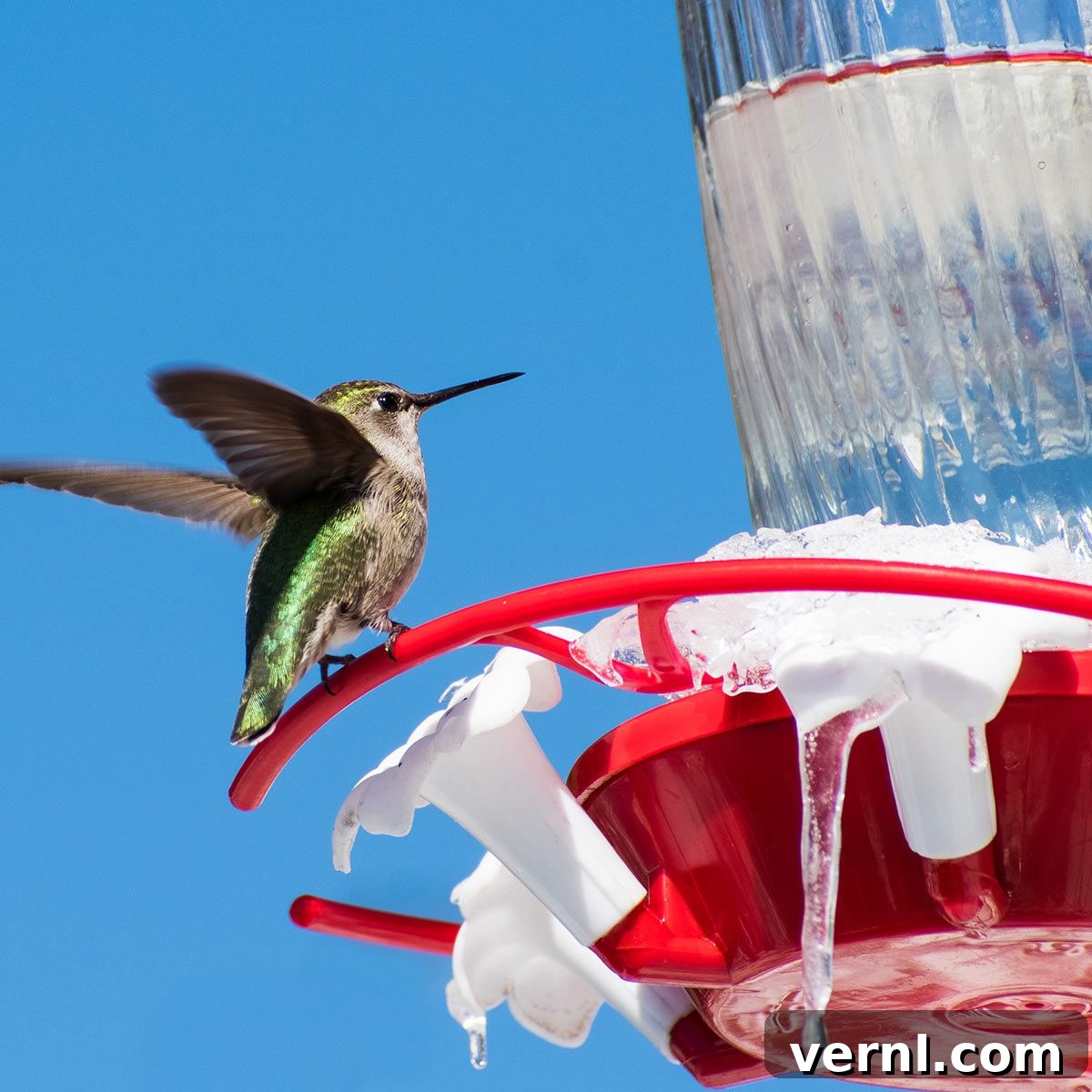
Hummingbirds, nature’s tiniest aviators, are renowned for their dazzling agility and their incredible migratory journeys. These vibrant birds are not just a delight to watch; they are a testament to evolutionary endurance, undertaking epic migrations that span thousands of miles between their breeding and wintering grounds. Understanding their migratory patterns and how we can support them, especially during the challenging colder months, deepens our appreciation for these remarkable creatures.
The most common and widely recognized hummingbird in eastern North America is the ruby-throated hummingbird. Its breeding range stretches extensively from the Gulf Coast of the United States northward, deep into the diverse landscapes of Canada. As autumn approaches, these magnificent tiny birds embark on an arduous journey, typically flying south to the warmer climes of southern Mexico, through the lush regions of Central America, and all the way to Panama, where they spend the winter months.
One of the most astonishing feats of their migration is the non-stop flight across the vast expanse of the Gulf of Mexico. Many ruby-throated hummingbirds launch from the Yucatan Peninsula, flying continuously for up to five hundred miles to reach the coastal areas stretching from southern Texas to central Florida. This incredible journey requires immense reserves of energy and navigational prowess. Upon reaching the northern Gulf Coast, these exhausted travelers take a brief but crucial rest, replenishing their energy before continuing their northward migration. They typically progress at a steady rate of about 20 miles per day, completing their epic journey to their Canadian breeding grounds by late May.
Despite often being observed in seemingly large numbers, particularly around abundant food sources like feeders during the bustling fall migration, hummingbirds are inherently solitary birds. Unlike many other migratory species, they do not travel or live in flocks. Each hummingbird is an individual adventurer, making its own way. This means that individual hummingbirds may begin their migration earlier or later than others of their species, and their specific routes and destinations can vary slightly, highlighting their independent nature and adaptability.
When Should Hummingbird Feeders Be Taken Down? Dispelling a Common Myth
A prevalent misconception among backyard bird enthusiasts is the belief that hummingbird feeders should be removed in the fall to encourage migration. However, this is largely untrue and can actually be detrimental to late-season migrants. The primary trigger for hummingbird migration is the changing length of daylight, not the availability of food. As the days shorten, hummingbirds instinctively prepare for and begin their southward journey, regardless of how much nectar is available in feeders.
Therefore, it is generally not necessary—and often beneficial—to keep hummingbird feeders up throughout the winter, especially in regions where overwintering hummingbirds are increasingly being observed. A well-maintained feeder, even in colder temperatures, can serve as a vital lifeline for young hummingbirds born late in the season, or for other individuals that might not have completed their full migratory journey. These birds, often weaker or disoriented, rely heavily on accessible food sources. Once the peak migration period has passed in your specific area, consider the compassionate act of maintaining at least one feeder year-round. This simple gesture can provide critical support during unexpected cold snaps or for resident hummingbirds.
Should You Leave Hummingbird Feeders Out in Winter? The Case for Year-Round Feeding
The question of whether to leave hummingbird feeders out during the winter months is becoming increasingly relevant, particularly with observed changes in hummingbird behavior and distribution. The answer is a resounding yes, especially if you reside in certain geographical areas.
Leaving feeders out in winter weather is highly recommended for residents living west of the Rocky Mountains, along the U.S./Mexico border, or throughout the Southeast United States. These regions often experience milder winters or are situated along established or emerging overwintering routes. However, even in areas with harsher winters, an occasional late-migrant or a rare overwintering individual might appear, making a year-round feeder a potentially life-saving resource.
Providing a consistent food source can significantly impact the survival rate of hummingbirds that either choose to shorten their migration or are delayed by various factors. It’s a proactive step in wildlife conservation, offering tangible support to these vulnerable birds when natural food sources are scarce.
Where Do Hummingbirds Nest in Winter? Traditional vs. Emerging Overwintering Locations
Historically, the vast majority of migratory hummingbirds, including the ruby-throated hummingbird, would travel to southern Mexico and Central America to overwinter. These tropical and subtropical regions offer a consistent supply of nectar-producing flowers and insects, providing the necessary sustenance for these active birds throughout the colder northern months.
However, in recent decades, there has been a noticeable and increasing trend of individual hummingbirds choosing to overwinter in milder climates within the United States. This phenomenon is particularly common along the Southeast (e.g., Florida, Georgia, coastal Carolina), the West Coast (especially California and parts of Arizona), and other areas located along the traditional migratory routes. These birds, often referred to as “short-stopping” or “overwintering” individuals, have, for various reasons, opted not to complete their entire journey to the traditional southern wintering grounds.
Several factors contribute to this shift. Milder winter temperatures, possibly influenced by climate change, create more hospitable conditions. More importantly, the widespread availability of backyard hummingbird feeders provides a reliable and accessible food source that might not have existed in previous generations. While these birds are not “nesting” in the traditional sense during winter (as nesting occurs during breeding season), they establish temporary territories where they find shelter and food to survive until spring.
How Can I Help My Hummingbirds in the Winter? Practical Steps for Support
Supporting hummingbirds through the winter months, whether they are late migrants or overwintering residents, is a rewarding and crucial endeavor. The supplemental energy they receive from well-maintained feeders could literally be the difference between life and death, especially in the event of a sudden, unexpected cold snap or an extended period of freezing temperatures.
Maintain at Least One Feeder Year-Round
As discussed, the most impactful action you can take is to continue providing at least one well-maintained hummingbird feeder throughout the year. Consistency is key. These birds develop an awareness of reliable food sources, and your feeder can become a vital part of their survival strategy.
Tips for Winter Feeder Management:
- Prevent Freezing: This is perhaps the most significant challenge in winter.
- Multiple Feeders: Have several feeders on hand. When one starts to freeze, swap it with a fresh, unfrozen one.
- Insulation: Wrap feeders with bubble wrap, pipe insulation, or even an old sock to help delay freezing.
- Feeder Heaters: Specialized hummingbird feeder heaters are available commercially. These low-wattage devices keep the nectar thawed.
- DIY Heating: A simple incandescent light bulb (like an old-fashioned Christmas tree light) placed strategically near or below the feeder can generate enough heat to prevent freezing. Ensure it’s safe from moisture and fire hazards.
- Bring Indoors: On very cold nights, bring your feeder indoors. Rehang it at dawn to provide immediate access for hungry birds.
- Nectar Concentration: While the standard 1:4 sugar-to-water ratio is usually sufficient, some sources suggest a slightly higher concentration (e.g., 1:3) during extreme cold to provide extra energy. Always use plain white table sugar; never use artificial sweeteners, honey, or red dye.
- Regular Cleaning: Even in cold weather, feeders can harbor bacteria and mold. Clean your feeders every few days, or more often if temperatures rise. Use hot water and a bottle brush, avoiding harsh soaps. A diluted bleach solution (then thoroughly rinsed) can be used periodically.
- Optimal Placement: Place feeders in a sheltered location, out of direct wind and potentially near evergreens or dense shrubs that offer cover. A spot that receives some morning sun can also help delay freezing.
- Natural Food Sources: While scarce, planting winter-blooming flowers (like Mahonia, Scented Jessamine, Firespike, or certain Salvias) can offer additional natural nectar and attract small insects, which are also a crucial part of a hummingbird’s diet.
- Provide Shelter: Dense evergreen shrubs, trees, or even brush piles can offer protection from harsh winds and freezing temperatures. While hummingbirds don’t use birdhouses, they will seek out dense foliage for roosting.
By taking these simple, proactive steps, you can provide invaluable assistance to these incredible birds, ensuring their survival during the colder months and allowing you to continue enjoying their captivating presence throughout the year. Witnessing a hummingbird darting about on a frosty winter morning is a truly magical experience, reminding us of the resilience of nature and the vital role we play in supporting it.