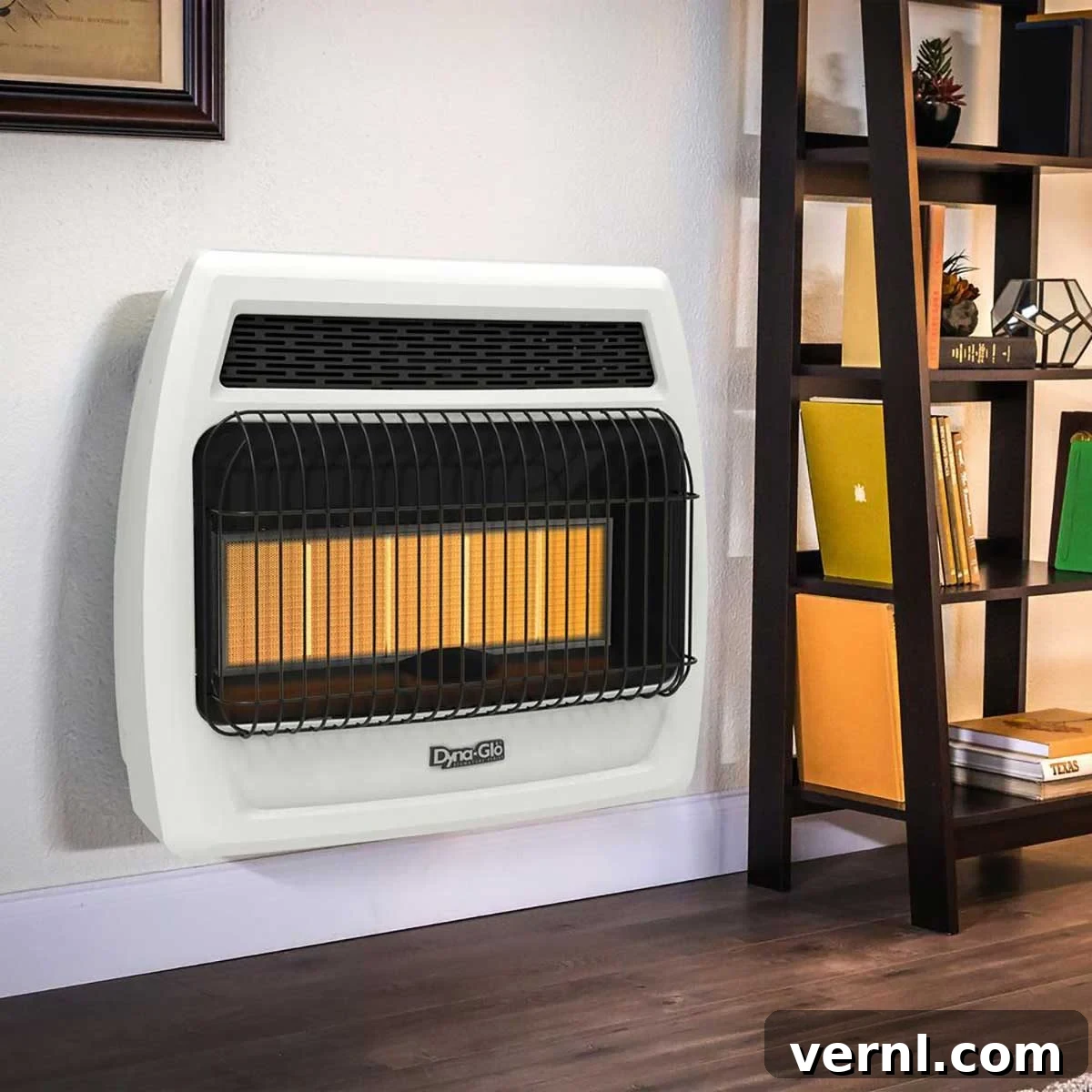
Wall Furnaces: The Compact Solution for Efficient Home Heating
The landscape of home heating has evolved significantly since Alice Parker received the first central air heating system patent in 1919. While early central heating systems, powered by coal, oil, gas, or electricity, offered comprehensive warmth, their installation was often costly and complex. This economic reality sparked a demand for more localized, cost-effective heating solutions. It didn’t take long for inventive minds to devise methods for heating homes room-by-room, leading to the ingenious development of the wall heater.
The first coal-fired wall furnace emerged around 1935, specifically designed to minimize both cost and precious floor space. Recessed directly into the wall, these early models used a fan to circulate warm air into the room through a register. Wall furnaces rapidly gained popularity in the 1950s, presenting a streamlined alternative to bulky cast-iron radiators, full-sized standard furnaces, and even electric baseboard heaters. They offered a space-saving, efficient way to heat targeted areas without the extensive ductwork required by central systems.
Today, the wall furnace remains a highly viable and practical home heating option. But in an era of diverse heating technologies, how does it stack up against a traditional central furnace? Let’s delve deeper into the world of wall furnaces to understand their benefits, considerations, and whether they might be the perfect fit for your heating needs.
What Exactly Is a Wall Furnace?
Often referred to simply as a wall heater, a wall furnace is a self-contained, compact heating unit designed for permanent installation either within or on the wall of a building. Its most defining characteristic is its direct venting system, which expels combustion gases directly through an exterior wall or the roof, eliminating the need for complex ductwork.
At its core, a wall furnace operates by circulating air within a sealed internal chamber. This air is then warmed, typically through the combustion of fuel (like natural gas or propane) or by an electric heating element. Once heated, a fan actively blows the warm air out from the front of the unit, directly into the room it serves. This direct-heat delivery mechanism makes wall furnaces exceptionally efficient for heating specific, open spaces.
Unlike a standard forced-air furnace that relies on an extensive network of ducts to distribute warmth throughout an entire house, a modern wall furnace is a ductless solution. Its compact size, coupled with a relatively straightforward installation process, makes it an ideal choice for heating smaller rooms, additions, open-concept areas, or even supplemental heating in larger homes where certain zones require extra warmth.
Types of Wall Furnaces
Wall furnaces can be broadly categorized based on their heat generation method:
- Electric Wall Heaters: These units utilize an internal electric resistive element to produce heat. They are generally the simplest to install (requiring only an electrical connection) and offer clean, fume-free operation. While the units themselves can be affordable, their operating costs depend heavily on local electricity rates.
- Gas Wall Heaters: Drawing fuel from a home’s natural gas line or a liquid propane (LP) gas tank stored on the property, gas wall furnaces produce heat through combustion. They are often highly efficient and can provide substantial warmth, making them popular in areas with access to natural gas. Proper venting and professional installation are crucial for safety.
- Hydronic Wall Heaters: Less common but highly effective, hydronic wall heaters circulate hot water supplied by a central boiler system. These units can offer a very even, radiant heat. They are particularly appealing in homes that already have a boiler for other heating zones or hot water, offering a silent and consistent heat source.
Understanding Wall Furnace Costs and Key Considerations
When considering any home improvement, cost is a primary factor. Wall furnaces present a compelling case for budget-conscious homeowners. “Generally,” notes HVAC.com, “a wall heater unit will cost between $450 and $550.” However, a quick market survey in 2024 reveals a broader range, with models starting as low as $200 and reaching up to $900, depending on features, BTU output, and brand.
Beyond the unit price, installation costs are significantly lower than those for a full central furnace system. While a new central furnace can range from $1,500 to $8,000 for the unit alone, installation for a wall furnace typically runs an additional $150 to $200 in labor costs, as cited by HVAC.com. This lower installation cost is a major draw, largely because wall units don’t necessitate complex ductwork. The venting process, directly through a wall or roof, is relatively simple, though the final cost can increase if your home features challenging siding materials like brick or stone that require specialized cutting.
Limitations and Practicality
Despite their economic advantages, wall furnaces are not a one-size-fits-all solution. They average only about half the heat output of central forced-air furnaces, depending on the unit’s size and BTU rating. More importantly, they function as direct heaters, relying on the natural movement of air within a building to distribute warmth. This means their effectiveness diminishes considerably the further away an area is from the heater. They excel in specific environments:
- Well-insulated small spaces: Think workshops, garages, sunrooms, or single rooms in an apartment.
- Open-concept layouts: A wall furnace can efficiently heat a large living room/kitchen area if strategically placed.
- Additions or remote rooms: Providing supplemental heat without extending existing ductwork.
Conversely, they do not perform as well in larger homes, especially those with numerous walls or poor insulation, during very cold winter months. In such scenarios, the heat struggles to penetrate all areas, leading to uneven temperatures and potentially higher energy consumption as the unit works harder.
Essential Wall Furnace Safety Measures
Modern wall furnaces, when properly installed and maintained, are remarkably safe heating appliances. However, like any heat source, they come with inherent risks that homeowners must be aware of. Understanding these potential problems and implementing preventative measures is crucial for ensuring the safest possible experience.
- Professional Gas Installation is Paramount: Gas-burning wall furnaces involve unique risks such as gas leaks and the potential for carbon monoxide poisoning. For these reasons, it is absolutely critical to hire a licensed furnace specialist for installation. Many local jurisdictions enforce strict building codes regarding venting installation, the types of pipes used, and how the gas line connects to the unit, all of which a professional will be familiar with. Investing in a carbon monoxide detector for any room with a gas appliance is also a non-negotiable safety measure.
- Professional Electric Installation Recommended: While electric units typically pose fewer risks than gas models concerning combustion byproducts, it’s still highly advisable to have an electric wall furnace installed by a licensed electrician or HVAC professional. This ensures proper wiring, adequate circuit capacity, and adherence to electrical codes, preventing potential fire hazards or system overloads.
- Annual Professional Inspections: Regardless of the fuel type, scheduling annual inspections with a qualified furnace technician is vital. These professionals can identify and rectify potential issues before they become serious problems, ensuring your unit operates efficiently and safely throughout its lifespan. They will check for wear and tear, proper ventilation, and overall system integrity.
- Maintain Cleanliness Around Heating Elements: For electric wall furnaces, regularly cleaning the heating coils to keep them free of dust and debris is essential. Accumulated dust on hot coils can become a significant fire hazard. Similarly, ensure the air intake and exhaust vents on any type of wall furnace are unobstructed to prevent overheating and ensure proper airflow.
- Clearances from Combustibles: Always maintain recommended clearances between the wall furnace and any combustible materials such as furniture, curtains, or clothing. Refer to the manufacturer’s manual for specific distance requirements.
Wall Furnace Energy Efficiency Ratings and Optimization
Understanding the energy efficiency of your wall furnace is key to managing operating costs and environmental impact. The standard metric for measuring the energy efficiency of heating appliances, including wall-mounted heaters, is the Annual Fuel Utilization Efficiency ratio (AFUE).
“The AFUE ratio measures the standard energy efficiency of a wall-mounted heater,” explains HVAC.com. “Wall-mounted heaters with AFUE ratings of 80-85% are considered mid-efficiency, while those with ratings above 90% are classified as highly efficient.” What this means in practical terms is that an 80% AFUE rating indicates that 80 cents of every dollar spent on fuel directly contributes to heating your home, with the remaining 20 cents lost through the venting process.
For the specific application a wall furnace is designed for – typically a single room or a mainly open-concept space – even a mid-range energy efficiency rating is quite good. Wall furnaces boast a distinct advantage over central air systems in terms of distribution efficiency. Because they blow warm air directly into the room rather than forcing it through an extensive network of ducts, they experience minimal heat loss during transmission. This direct heating method often makes wall furnaces more energy efficient than their central air counterparts for localized heating.
However, it’s crucial to acknowledge that older units, particularly those that rely on a natural draft for ventilation instead of an active fan, are often considerably less efficient. Advancements in fan-assisted combustion and sealed-combustion technologies have significantly improved the efficiency of modern units.
Optimizing Wall Furnace Efficiency
- Proper Sizing: Ensure the wall furnace is correctly sized (in BTUs) for the space it needs to heat. An undersized unit will run constantly and struggle to maintain temperature, while an oversized unit may cycle on and off too frequently, leading to inefficiency and premature wear.
- Excellent Insulation: Maximizing insulation in the walls, ceiling, and windows of the heated space will dramatically improve the efficiency of any heating appliance, including a wall furnace.
- Thermostat Control: Utilize a programmable thermostat to manage heating schedules, lowering the temperature when the room is unoccupied. Some advanced wall furnaces even come with built-in programmable thermostats or smart home compatibility.
- Seal Air Leaks: Address any drafts around windows, doors, and electrical outlets to prevent warm air from escaping and cold air from infiltrating the room.
Comprehensive Wall Furnace Maintenance
Like all heating appliances, wall furnaces require routine maintenance to ensure optimal performance, efficiency, and longevity. A consistent maintenance schedule can prevent costly repairs and extend the life of your unit.
Begin by performing basic exterior cleaning. Using a soft, damp cloth, wipe down the outside of your furnace, paying special attention to the vents. Ensure they are clear of any accumulated dust, dirt, or debris, as blockages can impede airflow and reduce efficiency. This should ideally be done monthly during heating season.
For a more thorough cleaning, follow these steps, typically recommended annually before the heating season begins:
- Shut Off Power: Always begin by completely shutting off the power supply to your furnace. For electric units, this means flipping the circuit breaker. For gas units, turn off the gas supply valve in addition to the electrical power switch. Safety first!
- Remove Outer Cover: Carefully remove the outer cover of the unit to access the internal components. Consult your owner’s manual for specific instructions on how to do this for your model.
- Clean Fan Blades and Motor: Use a duster, a soft-bristle brush, or a carefully handled vacuum cleaner with a soft brush attachment to gently remove dust and debris from the fan blades, motor, and any visible heating elements. Accumulations here can hinder air circulation and potentially lead to overheating.
- Inspect and Clean Gas Venting (for gas units): If you have a gas-burning unit, cleaning your venting (the exhaust pipe that leads outside) once a year is crucial. Before starting, put on a dust mask and rubber gloves. Carefully open the vent pipe (again, consult your manual) and remove any debris, bird nests, or blockages with a damp rag or vacuum cleaner. Ensure all connections are secure after cleaning. This is critical for preventing carbon monoxide buildup.
- Check for Wear and Tear: While the cover is off, visually inspect for any signs of wear, loose connections, or damaged components. If you notice anything unusual, it’s best to call a qualified technician.
- Replace Cover and Restore Power: Once cleaning is complete and everything is reassembled, replace the outer cover and restore power to the unit.
Wall Furnace Fixes and Repairs: When to Call a Pro
Modern wall furnaces, while compact, often incorporate sophisticated technology, including specialized parts, computerized functions, timers, and programming options. This complexity means that when something goes wrong, diagnosing and fixing the issue often requires the expertise of a licensed HVAC specialist. Attempting DIY repairs on intricate internal components can be dangerous and may void your warranty.
Here are some common problems you might encounter with a wall furnace, indicating it’s time to call a professional:
- Banging Noises: While minor noises can sometimes be attributed to expanding and contracting metal, loud or persistent banging could indicate issues with the heat exchanger, fan, or other internal components that require professional assessment.
- Pilot Light Problems: For gas units, if the pilot light frequently goes out, or if you have trouble igniting it, there could be issues with the thermocouple, gas supply, or igniter. This is a critical safety concern and should be addressed by a gas technician immediately.
- Short Cycling: If your furnace turns on for a brief period, heats up, then quickly shuts off before the room reaches the desired temperature, it’s likely “short cycling.” This can be caused by a variety of issues, including a clogged filter (if applicable), a faulty thermostat, or an improperly sized unit.
- Gas Leaks: Any detection of a gas smell, even faint, is an emergency. Immediately turn off the gas supply, evacuate the premises, and call your gas company and an HVAC professional from a safe location. Do not attempt to locate or fix a gas leak yourself.
- Thermostat Problems: If the furnace isn’t responding to thermostat settings, or if the temperature readings are inaccurate, the thermostat itself or its connection to the furnace may be faulty.
- Limit Switch Problems: The limit switch is a crucial safety component that prevents the furnace from overheating. If it’s malfunctioning, the furnace may shut down prematurely or not turn on at all.
- No Heat/Insufficient Heat: If the unit is running but producing no heat, or very little heat, there could be an issue with the heating element (electric), gas supply (gas), or internal combustion components.
Advantages of Choosing a Wall Furnace
Wall furnaces offer several compelling benefits that make them an attractive heating solution for specific scenarios:
- Space-Saving Design: Their primary advantage is their compact, wall-mounted or recessed design, freeing up valuable floor space that traditional furnaces or radiators would occupy.
- Ductless Operation: Eliminating the need for extensive and costly ductwork makes installation simpler, faster, and significantly cheaper than central heating systems. It also avoids heat loss common in duct systems.
- Zone Heating Capability: Wall furnaces are excellent for zone heating, allowing you to heat only the rooms or areas you are actively using. This can lead to substantial energy savings compared to heating an entire home with a central system.
- Lower Installation Costs: As discussed, the absence of ducts and the relatively straightforward venting process translate into lower overall installation expenses.
- Quick Heat Delivery: By blowing warm air directly into the room, wall furnaces can heat a space rapidly, providing immediate comfort.
- Supplemental Heating: They are ideal for adding heat to extensions, remote rooms, or areas where existing central heating is insufficient.
Disadvantages of Wall Furnaces to Consider
While advantageous, wall furnaces also have limitations that might make them unsuitable for certain homes or preferences:
- Limited Coverage: They are generally designed to heat a single room or an open-concept area. They are not effective for heating multiple, separated rooms or an entire large home.
- Aesthetics: While compact, a wall-mounted unit is still a visible appliance on your wall, which some homeowners might find less appealing than an entirely concealed central system.
- Noise Levels: The internal fan, while efficient, can produce some operational noise, which might be noticeable in very quiet environments.
- Fuel Storage (for LP): If using an LP gas wall furnace, you will need to accommodate an external liquid propane storage tank on your property.
- Ventilation Requirements: Proper venting is critical, and while simpler than ducts, it still requires a clear path through an exterior wall or the roof, which can be a consideration in some architectural designs.
Choosing the Right Wall Furnace for Your Home
Selecting the best wall furnace involves considering several key factors to ensure it meets your specific heating needs and lifestyle:
- BTU Requirements: The most crucial factor is sizing the unit correctly. BTU (British Thermal Units) measures heating output. Calculate the square footage of the room or area you intend to heat and consider factors like ceiling height, insulation quality, and local climate. Generally, you need approximately 20 BTUs per square foot in mild climates and up to 50-60 BTUs per square foot in very cold climates or poorly insulated spaces.
- Fuel Type:
- Electric: Easiest to install, no fumes, but potentially higher operating costs depending on electricity rates.
- Natural Gas: Cost-effective if you have an existing gas line, but requires professional installation and proper venting.
- Liquid Propane (LP): Suitable for homes without natural gas access, but requires an external tank and delivery.
- Hydronic: Excellent for even, silent heat if a central boiler system is already present.
- Vent Type:
- Direct-Vent: The most common and safest for gas furnaces, drawing combustion air from outside and exhausting fumes directly outside through a sealed system.
- B-Vent (Atmospheric): Draws combustion air from inside the room and exhausts fumes outside. Less common now due to safety concerns (potential for backdrafting) and lower efficiency.
- Vent-Free (Unvented): Burns fuel without a vent. Not recommended for continuous use in living spaces due to moisture production and potential for indoor air pollution. Many codes restrict their use.
- Features and Controls: Look for features like programmable thermostats, remote controls, multiple fan speeds, safety shut-off mechanisms, and even smart home connectivity for enhanced convenience and energy management.
- Installation Method: Decide between recessed (flush with the wall) or surface-mounted units based on aesthetic preference and installation feasibility.
FAQ
How much does a wall furnace cost to purchase and install?
Based on HVAC.com data and market trends, a wall heater unit typically costs between $200 and $900 in 2024, with most falling in the $450 to $550 range. Installation is relatively straightforward compared to central furnaces, with professional labor costs estimated at $150 to $200. However, this cost can be higher if specialized work is needed, such as cutting through brick or stone siding for proper venting, or if extensive new electrical or gas line work is required to meet local codes.
Can a DIYer install a wall furnace on their own?
Generally, no, DIY installation is not recommended or often permitted. While the physical task of mounting and venting the unit might seem simple enough, most communities and building codes require licensed professionals to handle critical aspects like hooking up gas lines, wiring new electric heaters, and ensuring proper ventilation according to safety standards. Improper installation can lead to severe hazards, including gas leaks, carbon monoxide poisoning, electrical fires, and inefficient operation. Always consult local regulations and hire certified technicians for safety and compliance.
Conclusion: Is a Wall Furnace Right for You?
Wall furnaces offer a compelling blend of affordability, efficiency, and targeted heating, making them an excellent choice for specific applications. If you’re looking to heat a single room, a small apartment, an addition, or an open-concept space, a modern wall furnace provides a powerful, space-saving, and cost-effective alternative to central heating. By understanding the different types, considering the installation and safety requirements, and committing to routine maintenance, you can harness the benefits of these compact heating powerhouses to create a comfortable and efficient living environment.
Sources
- HVAC.com: A Complete Guide to Wall Heaters; 2023.
- Family Handyman: Various articles on heating systems, furnaces, and home improvement.