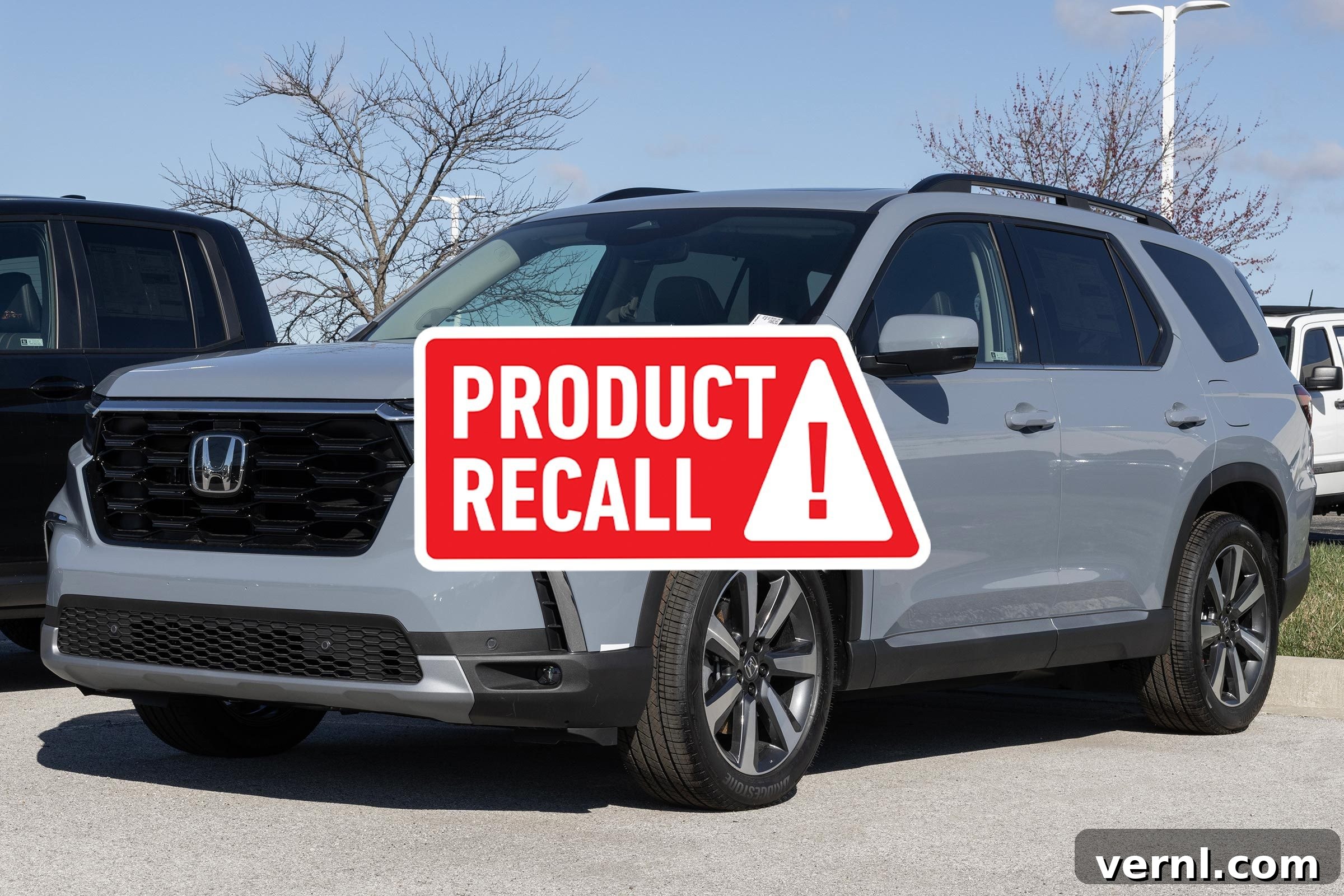
Urgent Safety Alert: Honda Pilot and Passport SUVs Recalled Over Serious Fire Risk
Imagine the unsettling thought that your relatively new vehicle, a trusted companion for daily commutes and family adventures, harbors a hidden defect capable of posing a severe fire risk. This concerning scenario has become a reality for hundreds of thousands of Honda Pilot and Passport SUV owners following a newly announced safety recall. This critical recall addresses a potential flaw in the fuel system that could lead to dangerous situations, particularly in the event of a collision. Understanding the specifics of this recall, including which models are affected, the underlying cause, and the immediate steps you should take, is paramount for ensuring your safety and the safety of those who share the road.
Vehicle recalls are a fundamental aspect of automotive safety, serving as a crucial mechanism to address potential defects that could compromise occupant well-being or vehicle performance. While no owner wishes to receive a recall notification, these actions demonstrate a manufacturer’s commitment to correcting issues and preventing potential tragedies. In this comprehensive guide, we’ll delve deep into the Honda Pilot and Passport fuel system recall, providing all the essential details to empower affected drivers and maintain peace of mind.
Understanding the Scope: Which Honda SUVs Are Affected by This Recall?
The latest safety recall from Honda specifically targets a significant number of their popular SUV models, spanning multiple model years. According to the detailed recall report submitted to the National Highway Traffic Safety Administration (NHTSA) on November 27, 2024, a total of 205,760 vehicles are included in this urgent safety measure. Owners of the following models should pay close attention:
- 2023 Honda Pilot
- 2023 Honda Passport
- 2024 Honda Pilot
- 2024 Honda Passport
- 2025 Honda Pilot
This wide range of affected model years underscores the importance of verifying your vehicle’s status, even if it feels relatively new. Honda has committed to notifying all registered owners of these recalled vehicles by mail. These crucial notification letters are anticipated to be sent out in early January 2025. It is vital to open and review all official correspondence from Honda to ensure you don’t miss important information regarding your vehicle’s safety. Even before receiving a letter, proactive owners can take steps to check their vehicle’s recall status using their Vehicle Identification Number (VIN) on the NHTSA or Honda recall websites.
The Critical Flaw: Why Are These Honda SUVs Being Recalled for a Fire Risk?
The heart of this recall lies in a significant defect within the fuel system of the affected Honda Pilot and Passport SUVs. The NHTSA report clearly outlines the technical problem: “Some vehicles may have an incomplete connection between the fuel filler neck tube and fuel filler pipe.” This seemingly minor manufacturing oversight carries potentially catastrophic consequences. To fully grasp the severity, let’s break down what this means:
- The Components: The fuel filler neck tube is the conduit through which fuel enters your vehicle’s gas tank when you fill up. It connects to the fuel filler pipe, which then directs the fuel into the tank itself.
- The Defect: In the affected vehicles, the connection point where these two crucial components meet is not properly secured or fully connected. This incomplete seal is the root of the problem.
- The Risk in a Crash: While this defect might not manifest during normal driving conditions, its true danger emerges in the event of a vehicle collision. The forces involved in an impact, even a seemingly minor one, could cause the inadequately connected filler neck tube to fully separate from the filler pipe.
- The Fuel Leak: Should this separation occur, it creates an open pathway for gasoline to leak out of the fuel system. Gasoline is highly volatile and flammable, making any uncontrolled leak an immediate and extreme hazard.
- The Ignition Source: The environment of a vehicle collision often presents numerous potential ignition sources. Sparks from damaged electrical systems, hot engine components, or even friction from scraping metal can easily ignite leaking fuel.
- The Consequence: The combination of a fuel leak and an ignition source directly translates to a significantly increased risk of a vehicle fire. Such a fire poses an immediate threat to the occupants of the vehicle, other motorists, and emergency responders, not to mention the total loss of the vehicle itself.
This detailed explanation underscores why this recall is considered urgent. Honda, in coordination with regulatory bodies, is taking swift action to mitigate this severe safety risk before any preventable incidents occur. Owners must understand that this isn’t merely a convenience issue; it’s a matter directly impacting the safety integrity of their vehicle’s fuel containment system.
Immediate Action Required: What To Do If Your Honda SUV Is Recalled
If you own a 2023, 2024, or 2025 Honda Pilot or a 2023 or 2024 Honda Passport, taking prompt and decisive action is crucial to ensure your safety and address this serious defect. Honda is committed to rectifying this issue free of charge to all affected owners. Here’s a clear, step-by-step guide on what you should do:
- Await Official Notification (or Proactively Check): While Honda plans to send official notification letters in early January 2025, you don’t necessarily have to wait. You can proactively check your vehicle’s recall status by visiting the official NHTSA recall website or Honda’s dedicated recall page. You will need your vehicle’s 17-digit Vehicle Identification Number (VIN) to perform this search. The VIN is typically found on the driver’s side dashboard (viewable through the windshield) or on a sticker inside the driver’s side door jamb.
- Contact Your Local Honda Dealer Immediately: Once you confirm your vehicle is part of the recall, or as soon as you receive your official notification letter, do not delay. Call your preferred or local authorized Honda dealership as soon as possible. Explain that your vehicle is subject to the fuel system recall (recall number OKM) and request to schedule an inspection and repair appointment.
- Schedule Your Free Inspection and Repair: When you contact the dealership, be prepared to provide your VIN. The dealership will arrange a convenient time for you to bring your SUV in for service. It’s important to reiterate that Honda will perform the necessary inspection and repair absolutely free of charge to you, the owner. This includes all parts and labor involved in securing the fuel filler neck tube to the fuel filler pipe correctly.
- Understand the Repair Process: During your appointment, certified Honda technicians will inspect the connection between the fuel filler neck tube and the fuel filler pipe. If the incomplete connection is confirmed, they will properly secure and reinforce this connection to prevent any future separation, thereby eliminating the fire risk. The dealership staff should be able to provide an estimated timeframe for the repair when you schedule your appointment.
- Keep Records: Once the repair is complete, ensure you receive documentation from the dealership confirming that the recall service (OKM) has been performed on your vehicle. Keep this record for your files.
If you have any questions or concerns that your local dealer cannot adequately address, or if you do not receive an ownership letter by mid-January 2025 despite owning an affected model, you can contact Honda’s customer service directly at 1-888-234-2138. When you call, refer to recall number OKM for expedited assistance.
Beyond the Repair: General Vehicle Safety and Recall Awareness
While addressing this specific Honda recall is paramount, it also serves as an important reminder about general vehicle safety and the significance of staying informed about potential automotive issues. Here are some broader safety tips for all drivers:
- Don’t Ignore Warning Signs: Be attentive to any unusual smells (like gasoline), sounds, or warning lights in your vehicle. A strong smell of fuel, particularly after a minor bump or collision, should be investigated immediately by a qualified mechanic.
- Regular Maintenance: Adhere to your vehicle’s recommended maintenance schedule. Regular inspections can sometimes identify potential issues before they become critical, though a hidden manufacturing defect like this recall might only be discovered through official channels.
- Stay Informed: Periodically check the NHTSA website or your vehicle manufacturer’s recall portal using your VIN. Recalls can be issued at any time, and staying proactive ensures you’re always aware of any safety campaigns affecting your specific vehicle.
- Update Your Contact Information: Ensure your vehicle registration and contact information with Honda (or any manufacturer) are up-to-date. This ensures you receive official recall notifications promptly via mail.
- Report Safety Concerns: If you experience what you believe to be a safety-related defect in your vehicle that hasn’t been recalled, you can report it to NHTSA. Your report can contribute to investigations that may lead to future recalls, helping to protect other drivers.
This Honda Pilot and Passport recall highlights the intricate engineering and potential vulnerabilities that can exist even in modern vehicles. While inconvenient, recalls are a vital part of the automotive industry’s commitment to continuous improvement and consumer safety. By taking swift action and staying informed, owners can ensure their vehicles remain safe and reliable for years to come.
Sources and Further Information
For the official recall documentation and further details directly from the source, please refer to the following:
- NHTSA.gov:”Fuel Leak from Fuel Filler Pipe Separation” Recall Report – Recall Number 24V-900
- NHTSA.gov:Official Recall Search Page
- Honda Owners Site:Official Recall Information