
The Ultimate Guide to Responsible Backyard Bird Feeding: Experts Weigh In
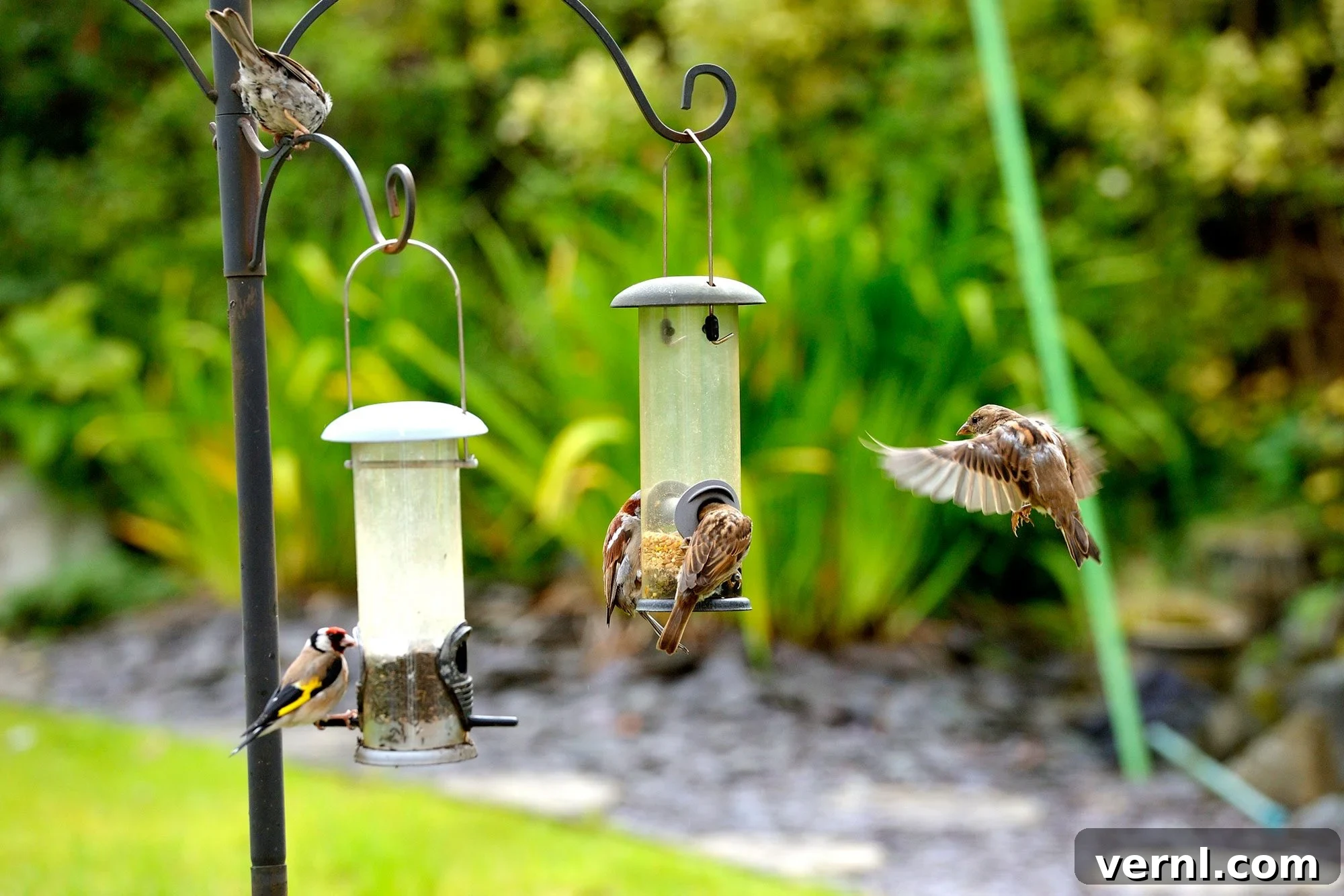
For many nature enthusiasts, the simple act of feeding birds in their backyard offers immense joy and a direct connection to the natural world. Watching a cardinal visit a feeder, a hummingbird hover at a nectar source, or a chickadee snatch a seed brings daily delight and a sense of stewardship. Indeed, backyard birds serve as vital ambassadors of nature, reminding us of the biodiversity that thrives even in our urban and suburban environments.
However, the question of whether feeding wild animals is truly beneficial or potentially harmful has long been a subject of debate. While we are often advised against feeding certain wildlife like foxes, deer, or chipmunks due to the risks of habituation and dependency, bird feeding remains a widespread and cherished activity for an estimated 59 million Americans. This intriguing dichotomy recently sparked a critical inquiry: Is it truly okay to feed the birds?
To navigate this complex question and provide a comprehensive answer, we sought insights from leading experts in ornithology and wildlife conservation. We consulted Dr. Emma Ilena Greig, project leader at Cornell Lab’s renowned Project FeederWatch, a citizen science initiative monitoring bird populations; and Mary Phillips, head of Garden for Wildlife and certified wildlife habitat programs at the National Wildlife Federation. Their expert perspectives shed light on how to engage in bird feeding safely and responsibly, ensuring it benefits our feathered friends and not inadvertently harms them.
Is Backyard Bird Feeding Safe and Beneficial for Birds?
Generally, yes, feeding birds can be a safe and enriching activity for both humans and birds, but it comes with crucial responsibilities. Bird feeders, while providing a valuable supplementary food source, can also inadvertently create hazardous conditions if not managed properly. Adhering to best practices is paramount to protecting the health and well-being of your backyard visitors. Here are the essential guidelines to ensure a safe environment for your feathered guests:
- Protect Birds from Predators: Domestic cats are a significant threat to wild bird populations. Keeping cats indoors is the single most effective action you can take to prevent bird fatalities. If outdoor access is desired for your feline companion, consider building a secure catio (an enclosed outdoor space). Additionally, strategically place feeders at least 10 feet away from shrubs, dense bushes, and brush piles, which can serve as ambush points for predatory animals like cats, hawks, and other ground-dwelling threats. A feeder with a protective roof can also deter aerial predators like hawks.
- Prevent Window Collisions: Millions of birds die annually from collisions with windows, often attracted by reflections or the sight of indoor plants. To minimize this risk, apply decals, reflective films, or specially designed UV stickers to your windows. Hanging mobiles, wind chimes, or even fruit tree netting on the outside of windows can also break up reflections and make the glass visible to birds. Position feeders within 3 feet of a window, or more than 30 feet away; intermediate distances are often the most dangerous.
- Maintain Impeccable Feeder Hygiene: Cleanliness is critical to preventing the spread of diseases among bird populations. Moldy food and contaminated surfaces can harbor harmful bacteria and fungi, leading to severe health issues. Clean all feeders regularly—ideally every two weeks, or more frequently during periods of heavy use or warm, humid weather. Use a solution of one part bleach to nine parts water to disinfect feeders, rinsing thoroughly and allowing them to dry completely before refilling.
- Respond to Disease Outbreaks: Be vigilant for signs of avian illness, such as lethargic birds, ruffled feathers, or unusual lumps. If you notice sick birds or receive alerts about disease outbreaks in your area (e.g., salmonellosis, avian pox, conjunctivitis), immediately remove all feeders and bird baths for at least two weeks. Clean and disinfect them thoroughly before returning them to service. This action helps prevent the congregation and transmission of pathogens.
- Keep the Ground Area Clean: Seeds, hulls, and droppings that accumulate beneath feeders can also become sources of disease and attract unwanted pests. Periodically rake or sweep the ground under your feeders to remove debris. This simple act significantly reduces the risk of mold growth and bacterial contamination.
- Properly Store Bird Seed: Improperly stored bird seed can quickly become moldy or rancid, losing its nutritional value and potentially harming birds. Store seeds in secured, airtight containers in a cool, dry location. Avoid exposure to direct sunlight or humidity, which accelerates spoilage.
- Use Suet Appropriately: Suet provides a crucial high-energy fat source for birds, especially during cold weather. However, in hot temperatures, suet can melt, become rancid, and drip onto birds’ feathers, compromising their natural insulation and waterproofing. During warm months, consider offering alternatives like dried mealworms or specific seed mixes, or use no-melt suet varieties.
- Avoid Harmful Chemicals: The use of pesticides, herbicides, and other harmful chemicals in your garden and yard can directly poison birds or reduce their essential insect food sources. Embrace organic gardening practices and create a chemical-free environment to support a healthy ecosystem for birds and other wildlife.
- Never Feed Wild Birds Outside Your Yard: While your backyard feeder can be a supplemental food source, it’s crucial to limit feeding to your private property. Feeding wild birds in public parks, forests, or other natural areas can lead to over-concentration of birds, increased disease transmission, habituation to humans, and disruption of natural foraging behaviors, particularly for imperiled species.
Beyond the birds, feeding activities are generally safe for humans, though some minor inconveniences may arise. As Mary Phillips notes, “Birds are messy and can flick seeds and shells on the ground. This can cause weeds or attract mice and squirrels.” Regular cleanup and proper feeder placement can mitigate these small hassles, ensuring a pleasant experience for everyone.
What Should I Feed My Backyard Birds?
The ideal diet for your backyard birds varies significantly depending on the species you wish to attract and the season. Observing your local bird population will provide valuable clues about their dietary preferences. Additionally, planning special offerings for seasonal migrators, such as orioles and hummingbirds, can enhance your feeding experience.
In general, a diverse selection of seeds will appeal to a wide range of birds. Many species enjoy high-quality blends that include black oil sunflower seeds, white proso millet, and cracked corn. Black oil sunflower seeds, in particular, are a universal favorite due to their high oil content and thin shells, making them easy for most birds to crack. Striped sunflower seeds, with thicker shells, are preferred by larger birds like grosbeaks and cardinals.
Mary Phillips advises on specific preferences: “Birds that prefer sunflower seeds often consume them eagerly, discarding millet and corn to the ground.” This discarded seed isn’t wasted, however, as it “will create a feast for ground-feeding birds like sparrows and juncos. For woodpeckers, nuthatches and titmice, find a mixture containing peanuts, nuts and dried fruit.” These species appreciate the added protein and fat from larger, more substantial food items.
What to Avoid in Bird Seed Mixes:
It’s equally important to know what *not* to feed. Emma Greig warns against seed mixes heavy on red milo. “This is an inexpensive seed that most birds don’t like and is used as a filler in cheaper mixes,” she explains. “If you buy it, most of it will just end up on the ground,” attracting pests rather than pleasing birds. Other common fillers like oats and wheat are also largely ignored.
Beyond specific seeds, avoid feeding birds processed human foods such as bread, crackers, and pastries, which offer little nutritional value and can even cause digestive issues. Also, never offer cooked oats, avocado, chocolate, fruit pits or seeds (which can contain cyanide), or salted nuts, all of which can be toxic or harmful to birds.
Optimizing Your Feeding Station:
To further create an inviting space for an array of species, employ a variety of seeds in different types of feeders. For instance, tube feeders are excellent for sunflower seeds, hopper feeders work well for mixes, and platform feeders can accommodate ground feeders. Place feeders around the yard at different heights: hanging feeders for perching birds, suet cages for clinging birds, and ground platforms for sparrows and doves. This caters to diverse foraging habits and reduces competition.
Always start each winter season with fresh seed. Old seed can be less nutritional and palatable, especially if it has been exposed to summer heat, which can cause oils to break down and flavors to turn stale.
Does Feeding the Birds Make Them Dependent?
A common concern among aspiring bird feeders is whether providing supplemental food will make birds dependent on human intervention, diminishing their natural foraging instincts. Fortunately, research suggests this is largely not the case. As Mary Phillips reassures us, “Birds are evolutionarily inclined to continuously explore a diverse range of foods to ensure their survival and not become too dependent upon a single food source.”
Wild birds possess an innate drive to seek out natural food sources, which constitute the majority of their diet. Feeder offerings typically serve as a supplementary safety net rather than a primary food source. Birds will continue to forage for insects, berries, nectar, and natural seeds, especially during warmer months when natural food abounds. Feeders become particularly beneficial during periods of scarcity, such as harsh winter snowstorms, prolonged droughts, or during the energy-intensive migration seasons, when natural food sources might be limited or difficult to access. In these critical times, a reliable feeder can provide essential energy, helping birds conserve vital reserves and increasing their chances of survival. It’s a helping hand, not a complete takeover of their food supply.
Is It OK To Feed Ducks and Geese at Lakes and Ponds?
While the urge to feed waterfowl at local parks and ponds is understandable, it is strongly discouraged by wildlife experts. “Feeding ducks and geese at lakes and ponds is often discouraged because the types of foods people offer in these situations tend to be unhealthy for birds, such as processed breads and crackers,” explains Emma Greig. These human foods lack the essential nutrients waterfowl require for healthy development and can lead to debilitating conditions like “angel wing,” a deformation that prevents flight.
Beyond nutritional deficiencies, feeding waterfowl can have several negative consequences:
- Health Problems: Processed foods like bread offer empty calories, filling birds up without providing necessary vitamins and minerals. This can lead to malnutrition and susceptibility to disease.
- Overpopulation and Disease: Concentrated feeding areas can lead to unnaturally high densities of waterfowl, increasing competition for resources and facilitating the rapid spread of diseases among them.
- Water Pollution: Large congregations of waterfowl produce significant amounts of droppings, which can pollute ponds and lakes, leading to increased algae growth and reduced water quality.
- Aggression and Habituation: Mary Phillips adds, “Waterfowl will naturally keep a safe distance from humans. Feeding them can make them lose their fear of us and, in some situations, cause geese to attack.” This loss of natural caution can put both birds and humans at risk.
A much better approach, Phillips suggests, “is encouraging local parks to plant natives and observe these creatures from a distance with binoculars.” Supporting healthy natural habitats is the most effective and respectful way to care for waterfowl.
So, Is It Truly OK To Feed the Birds? A Balanced Perspective
After careful consideration and expert consultation, the resounding answer to whether it’s okay to feed birds is: Yes, with significant caveats and a strong emphasis on responsibility. As Emma Greig wisely states, “There is no single answer to the question of is it OK to feed birds. The truth is that it’s complicated and there is a lot we don’t know.”
However, a general consensus emerges: “Generally, if you provide healthy food and a safe environment and there are no disease outbreaks happening in your area, it is a harmless activity. However, there may be times that it would be better to remove feeders, such as when there are disease outbreaks or if you have an outdoor cat that lives at your home.” This highlights the dynamic nature of bird feeding and the need for ongoing vigilance.
Ultimately, the most holistic and beneficial approach to supporting birds in your backyard involves more than just feeders. Both Greig and Phillips powerfully emphasize the importance of also giving birds abundant natural food sources and a safe, thriving environment. This means embracing habitat creation and planting native plants that provide natural sustenance and shelter. A truly wildlife-friendly habitat is one free of harmful chemicals and rich in host plants for caterpillars, which are a critical food source for nesting birds and their young.
Mary Phillips further recommends the following key actions to create a flourishing avian paradise:
- Cultivate Native Flower Power: Include native flowers like coneflower (Echinacea) and black-eyed Susans (Rudbeckia) in your garden. These robust plants produce vital seed heads in the fall and winter, offering natural food. Additionally, their sturdy stalks provide shelter and house protein-filled insects, a crucial food source for many bird species. You can easily find native plants suited for your specific location through the National Wildlife Federation’s invaluable Native Plant Finder.
- Plant Berry-Producing Trees and Shrubs: Incorporate native trees and bushes that yield nutritious berries into your landscape, such as spicebush (Lindera benzoin) or chokeberry (Aronia melanocarpa). These natural food factories will attract a magnificent array of birds, including cardinals, juncos, waxwings, and mockingbirds, providing essential sustenance throughout the chilly seasons. Explore ideal options for your region at Garden for Wildlife.
- Become a Certified Wildlife Habitat: Beyond feeding, actively transform your yard into a haven for wildlife. Consult resources like Wild Birds Unlimited’s advice for selecting the right seed for your specific region, and consider taking the step to get your yard registered as a Certified Wildlife Habitat. This recognition signifies your commitment to providing food, water, cover, and places to raise young, all while implementing sustainable gardening practices.
By combining responsible feeder management with the creation of a vibrant, native-plant-rich habitat, you can move beyond simply feeding birds to truly nurturing them. This holistic approach ensures that your backyard not only offers a visual spectacle but also contributes meaningfully to the health and survival of wild bird populations.
About the Experts
- Emma Ileana Greig, Ph.D., is the dedicated team leader of Project FeederWatch, a pivotal citizen science program administered by the renowned Cornell Lab of Ornithology. Holding a Ph.D. from the University of Chicago, Dr. Greig brings a wealth of global experience, having extensively studied bird populations in diverse ecological settings across Australia, Malaysia, and Hawaii. Her work focuses on understanding bird distribution and abundance at feeders.
- Mary Phillips is a leading figure at the National Wildlife Federation, where she oversees the impactful Garden for Wildlife and Certified Wildlife Habitat programs. As a passionate ambassador for nature, Phillips is dedicated to fostering and expanding habitat gardening initiatives, championing sustainable practices and integrating the latest scientific knowledge to empower individuals to create thriving wildlife sanctuaries in their own backyards.