
Mastering Your Garden: Essential Plant Pairings to Avoid for Optimal Growth and Health
Every gardener dreams of a thriving, productive green space. Yet, even with the best intentions and meticulous care, sometimes certain plants just don’t get along. Years ago, while eagerly planting my season’s tomatoes, I discovered tiny sunflowers sprouting amongst the young transplants. Enchanted by the vision of a vibrant, mixed bed, I allowed them to flourish together. The initial beauty, however, soon gave way to unforeseen challenges. As the sunflowers matured and bloomed, their towering presence cast dense shadows, depriving my sun-loving tomatoes of the essential light they needed. Adding to the dilemma, the discarded seed hulls from visiting birds released chemicals that inhibited the growth of the surrounding soil, a phenomenon known as allelopathy. This experience was a profound lesson: while some plants thrive in harmony, others are simply better off kept apart to ensure the success of the entire garden ecosystem.
Much of my gardening wisdom has been cultivated through hands-on experience and an insatiable curiosity for experimentation, which I love to share with fellow enthusiasts. When embarking on a new gardening venture, I frequently consult with Marcia Bundi, a revered horticultural specialist whose decades of expertise span everything from delicate greenhouse selections to robust commercial garlic production. Our brainstorming sessions are always fruitful, helping to unravel complex gardening challenges and identify the most effective approaches for any new project.
Marcia Bundi’s commitment to horticultural education extends far beyond her university background. She is relentlessly researching innovative gardening techniques, including the nuanced art and science of companion planting. She rigorously tests these concepts in her own diverse gardens, embodying her pragmatic philosophy: “Some things work for some, and not for others.” With Marcia’s invaluable insights, we will delve into the critical reasons why certain plants fail to thrive when placed together, and conversely, discover the combinations that foster mutual growth and resilience.
Meet Our Gardening Expert
Marcia Bundi is a distinguished Level 3 master gardener and the co-owner and horticultural specialist of Bundi Gardens, nestled in Great Falls, Montana. Her deep knowledge and practical experience make her an indispensable resource for understanding complex plant interactions.
Authoritative Sources for Our Insights
Our comprehensive guide draws upon research and expertise from leading horticultural institutions, ensuring accurate and reliable information:
- West Virginia Extension: Companion Planting;
- Penn State Extension: Allelopathy in the Home Garden;
- University of Florida Gardening Solutions: Allelopathy;
- University of Maryland Extension: Blister Beetles on Flowers;
- Wisconsin Horticulture Division of Extension: Landscaping in Spite of Black Walnuts;
- Researchgate: Allelopathic Potential of Fennel (Foeniculum vulgare);
- Santa Barbara Botanic Gardens: Mechanisms of dominance of fennel (Foeniculum vulgare) and native species recovery on Santa Cruz Island, California.
- The Ohio State University Extension Clermont County: Potager Article No. 8.
Unpacking Plant Incompatibility: What Makes Plants Fail to Thrive Together?
Understanding why certain plant combinations falter is crucial for designing a successful garden. My experience with tomatoes and sunflowers perfectly illustrates two primary reasons for incompatibility. First, I underestimated the rapid growth rate of the sunflower seedlings, which quickly outcompeted and shaded out my slower-growing tomatoes, hindering their crucial sun exposure. Second, I failed to consider the natural chemicals present within the sunflower seed hulls—a phenomenon known as allelopathy—which actively inhibited the growth of other plants nearby. These are just two distinct factors contributing to poor plant pairings.
Beyond competitive growth and allelopathic effects, several other critical considerations dictate successful plant companionship. These include matching water and nutrient requirements, as conflicting needs can stress both plants. Equally important is the shared susceptibility to specific garden pests or diseases. Grouping plants with similar vulnerabilities essentially creates a concentrated “buffet” for pests, allowing them to spread rapidly and devastate multiple crops. By addressing these factors proactively, gardeners can prevent common pitfalls and cultivate a more resilient and productive garden.
Vegetables Not to Plant Together for a Healthier Harvest
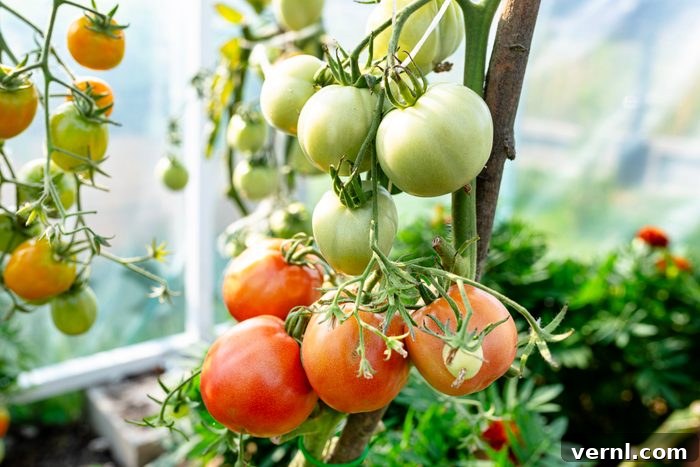
While we often envision our vegetable garden as one harmonious family, certain varieties benefit immensely from strategic separation. Learning which plant relationships flourish and which falter can significantly simplify your gardening efforts and enhance your overall yield. Thoughtful planning can lead to more vigorous plants and fewer pest and disease issues.
Kale and Cabbage: Avoiding Nutrient Depletion
“It’s best to avoid planting kale and cabbage together because they are both heavy feeders and compete for the same vital nutrients in the soil,” advises Marcia Bundi. She emphasizes that consecutively planting members of the same plant family in the same garden plot, year after year, severely depletes the soil of essential nutrients, leading to stunted growth and reduced harvests for both crops. To maintain soil health and plant vigor, practice thoughtful crop rotation and give these leafy greens their own dedicated spaces or alternate them with different plant families.
Potatoes and Eggplant: Averting Pest Hotspots
Gardeners should always be mindful of which plants attract specific pests. In the case of potatoes and eggplants, Bundi strongly recommends against planting them in close proximity. This is because both plants are highly susceptible to the destructive potato beetle, a pest notorious for its voracious appetite. If planted side-by-side, these beetles will readily feast on potato foliage and, when potato plants are scarce or heavily damaged, they will quickly move on to devour tender eggplant blossoms and leaves, jeopardizing the entire harvest of both crops. Spacing them far apart can help mitigate pest pressure.
Carrots and Bush Beans: The Challenge of Light Competition
“The delicate, fern-like tops of carrots require ample sunlight to develop their roots, but the broad, sprawling leaves of bush beans can easily overshadow them, preventing the carrots from thriving,” Bundi explains. Ensuring both plants receive adequate light is crucial for their development. To achieve this, provide plenty of distance between carrots and bush beans, or consider planting carrots on the sunny side of your bean rows where they won’t be shaded as the beans mature. Proper spacing allows each plant to capture the light it needs for robust growth.
Broccoli and Cole Crops: Allelopathic Interactions
While broccoli is a highly nutritious addition to our diets, it possesses a subtle yet powerful defense mechanism: its roots release specific chemicals designed to deter pests. However, these very chemicals can also inhibit the growth of other members of the Brassica family, commonly known as cole crops. Therefore, avoid planting broccoli directly alongside relatives such as cabbage, kale, cauliflower, or Brussels sprouts. Giving each of these crops their own space prevents potential growth inhibition and ensures that each plant can achieve its full potential without chemical interference from its kin.
Tomatoes and Potatoes: A Breeding Ground for Blight
The mere mention of “blight” strikes fear into the heart of any gardener, as this devastating fungal disease can quickly transform a flourishing garden into a withered disappointment. Tomatoes and potatoes, unfortunately, belong to the same botanical family (Solanaceae), which makes them highly susceptible to many of the same infections, including various forms of blight. Planting them in close proximity creates an ideal environment for the rapid spread of these pathogens, potentially wiping out both crops. To safeguard your harvest, always provide significant spatial separation between tomatoes and potatoes, and practice good garden hygiene.
Onions and Beans: Conflicting Watering Requirements
Some gardeners report that onions can stunt the growth of bush beans. More precisely, their incompatibility often stems from their divergent watering needs rather than direct antagonism. Both crops initially benefit from consistent moisture during their early growth stages. However, once onion tops begin to mature and naturally fall over, gardeners typically reduce or cease additional watering to allow the bulbs to properly cure and store well. Conversely, bush beans require steady, consistent moisture throughout most of their extended growing period to produce bountiful pods. This fundamental difference in water demands makes them less-than-ideal neighbors; planting them apart ensures each crop receives the precise hydration it requires.
Herbs Not to Plant Together for a Harmonious Herb Garden
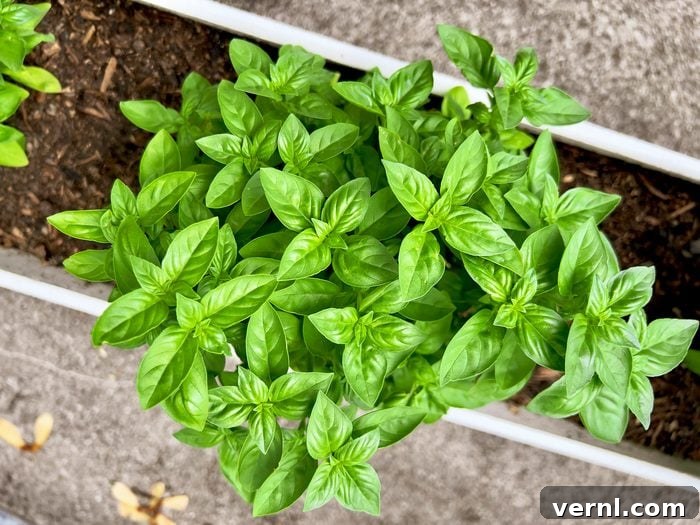
While most herbs are excellent companions, sharing similar growing requirements and often enhancing each other’s flavors or growth, a select few are best cultivated in separate containers or at a considerable distance from one another. Some herbs, like vigorous mints, can become aggressive bullies, while others release compounds that actively discourage the growth of nearby plants. Understanding these exceptions is key to maintaining a balanced and productive herb garden.
Mint and Basil: The Battle of Growth Rates
“You absolutely want to avoid planting anything that grows exceptionally fast next to a slower-growing plant,” warns Bundi. I learned this lesson firsthand one year when I optimistically tucked a few basil plants into what seemed like an ample open space. By mid-summer, a vigorous chocolate mint, initially a small sprig, had completely taken over, smothering my precious basil and leaving it struggling for light and resources. Mint’s aggressive, spreading root system makes it notorious for outcompeting less assertive herbs; it’s almost always best grown in its own dedicated pot to prevent garden takeover.
Fennel and Cilantro: Allelopathic Seed Inhibitors
Though fennel elegantly straddles the line between a vegetable and an herb, for companion planting purposes, we’ll consider it an herb here. Fennel is known for producing chemicals that can inhibit seed germination and stunt the growth of young seedlings. This allelopathic effect makes it a particularly poor neighbor for any seed-started plants. Therefore, it is crucial to keep fennel well separated from cilantro, which is often grown from seed, and indeed any other plants you intend to start or grow from seed in the immediate vicinity. This isolation ensures better germination rates and healthier development for sensitive seedlings.
Sage and Lemon Balm: Conflicting Water Needs
Both sage and lemon balm are wonderfully fragrant herbs, each offering distinct culinary and medicinal uses. However, their divergent water requirements make them incompatible garden bed companions. Lemon balm, a thirstier plant, thrives in consistently moist soil, whereas sage prefers drier, well-drained conditions. Planting them together often leads to overwatering for the sage, which can cause root rot and overall decline, while the lemon balm might not receive enough consistent moisture. It’s best to group sage with other drought-tolerant herbs like lavender, rosemary, and thyme, allowing each plant to flourish in its preferred environment.
Flowers Not to Plant Together for Stunning Displays
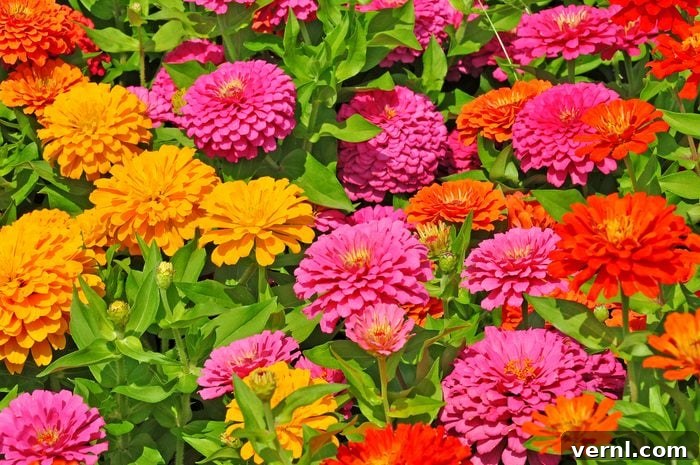
Beyond the common sense of grouping sun-loving flowers together and shade-loving varieties together, certain floral combinations can prove problematic for more subtle reasons. These issues can range from aggressive growth habits that overwhelm neighbors to shared susceptibilities to specific pests. Understanding these incompatibilities is vital for creating vibrant, healthy, and long-lasting flower beds.
Black-Eyed Susan Vine and Bachelor Buttons: The Vine’s Embrace
Individually, both the cheerful black-eyed Susan vine and the robust bachelor buttons are beloved additions to any garden, each offering distinct charm. However, when planted in close proximity, a significant problem arises: the vigorous, climbing tendrils of the black-eyed Susan vine quickly seek out and entwine around the sturdy stems of bachelor buttons. As the vine grows, it eventually engulfs the bachelor buttons, suffocating them and preventing them from receiving adequate sunlight and air circulation, ultimately compromising their health and display. Give these beauties their own space to shine independently.
Asters and Zinnias: Creating a Blister Beetle Buffet
“I’ve consistently encountered issues with blister beetles aggressively targeting my aster plants,” Marcia Bundi shares. This makes it a prudent gardening strategy to keep species highly favored by blister beetles, such as asters and zinnias, at a considerable distance from each other. When you group multiple varieties that are a pest’s preferred food source, you inadvertently create a concentrated “buffet” for them. In this scenario, the voracious blister beetles can potentially decimate not just one, but two beautiful flower species, rapidly spreading their damage. Dispersion is key to managing these pests.
Daylilies and Gladiolus: Shared Thrip Vulnerability
While daylilies and gladiolus create breathtaking bouquets when cut, growing them together in the garden can lead to shared vulnerabilities. Both of these stunning flowering plants are highly prone to infestations by thrips, tiny, insidious sucking insects that can cause significant damage, leading to distorted blooms, silvery streaking, and stunted growth. When planted side-by-side, a thrip problem on one species can quickly spread to the other, potentially ruining the display of both. Providing ample space between them can help isolate any thrip damage, allowing you to address an infestation on one plant before it impacts its neighbor.
Other Plants Not to Plant Together for a Balanced Landscape
Beyond vegetables, herbs, and ornamental flowers, other common landscape plants can also prove to be difficult neighbors. Understanding these broader incompatibilities is essential for creating a cohesive and healthy outdoor environment, from small garden plots to larger landscape designs.
Roses and Hops: The Unwanted Embrace
Hop plants are an outstanding perennial choice for growing along fences or trellises, celebrated for their rapid, vigorous growth each season and their relatively easy cleanup in fall or spring to prepare for new growth. However, it is crucial to avoid planting roses anywhere near hops. A single hop runner can astonishingly infiltrate a rose bush, intertwining itself within the thorny branches and seemingly growing into it overnight. The aggressive growth of hops will quickly overwhelm and choke out the more delicate rose, making removal extremely difficult without damaging the rose itself. Maintain a significant separation to protect your roses.
Black Walnut Trees and Almost Anything Else: The Allelopathic Giant
Black walnut trees (Juglans nigra) are infamous for their profound and far-reaching impact on the surrounding soil, making the successful cultivation of almost any other garden plant near them exceptionally challenging. This is due to a powerful allelopathic chemical called juglone, which is present in the tree’s roots, leaves, and fruit hulls. Juglone is toxic to many plant species, inhibiting their growth or causing them to wither and die. If you have a black walnut tree on your property, it is imperative to establish your garden at least 50 feet away from the tree’s drip line, or even further, to avoid the juglone’s harmful effects and ensure the viability of your plants.
Nasturtiums and Eggplants: A Flea Beetle Magnet
Flea beetles are a widespread and persistent nuisance in many home gardens, known for their distinctive jumping ability and the “shotgun hole” damage they inflict on leaves. During more than one growing season, Bundi noted that flea beetles specifically targeted her nasturtiums, causing significant damage. Because flea beetles readily jump from plant to plant, creating new infestations, it’s wise to keep nasturtiums well away from eggplants, which are another particular favorite of these tiny, destructive pests. Isolating these susceptible plants can help reduce the overall flea beetle pressure in your garden and protect your crops.
Frequently Asked Questions About Plant Compatibility
What exactly is companion planting?
Companion planting is a gardening practice deeply rooted in historical tradition, serving as an informal yet effective method for optimizing plant health and productivity. It involves considering the chemical makeup, specific growing requirements, and pest vulnerabilities of each plant to determine beneficial or detrimental pairings. Many gardeners enthusiastically endorse the pairing of “friendly” plants that, through anecdotal evidence and observed success, seem to thrive and even enhance each other’s growth, flavor, or pest resistance when grown in close proximity. While companion planting isn’t always a rigid scientific discipline, developing a nuanced understanding of why some plants are not good neighbors empowers gardeners to make informed choices when planning and cultivating a healthy, vibrant garden.
How far apart should you keep plants that don’t grow well together?
For plants known to have negative interactions, whether due to allelopathy, intense resource competition, or shared pest/disease susceptibility, providing sufficient physical separation is crucial. As a general guideline, aim for a minimum of three full rows or a distance of at least three feet between incompatible varieties. This buffer zone helps to mitigate competition for light, water, and nutrients, reduces the spread of pests and diseases, and dilutes any allelopathic compounds released into the soil, thereby protecting all your plants and promoting a healthier garden ecosystem.