
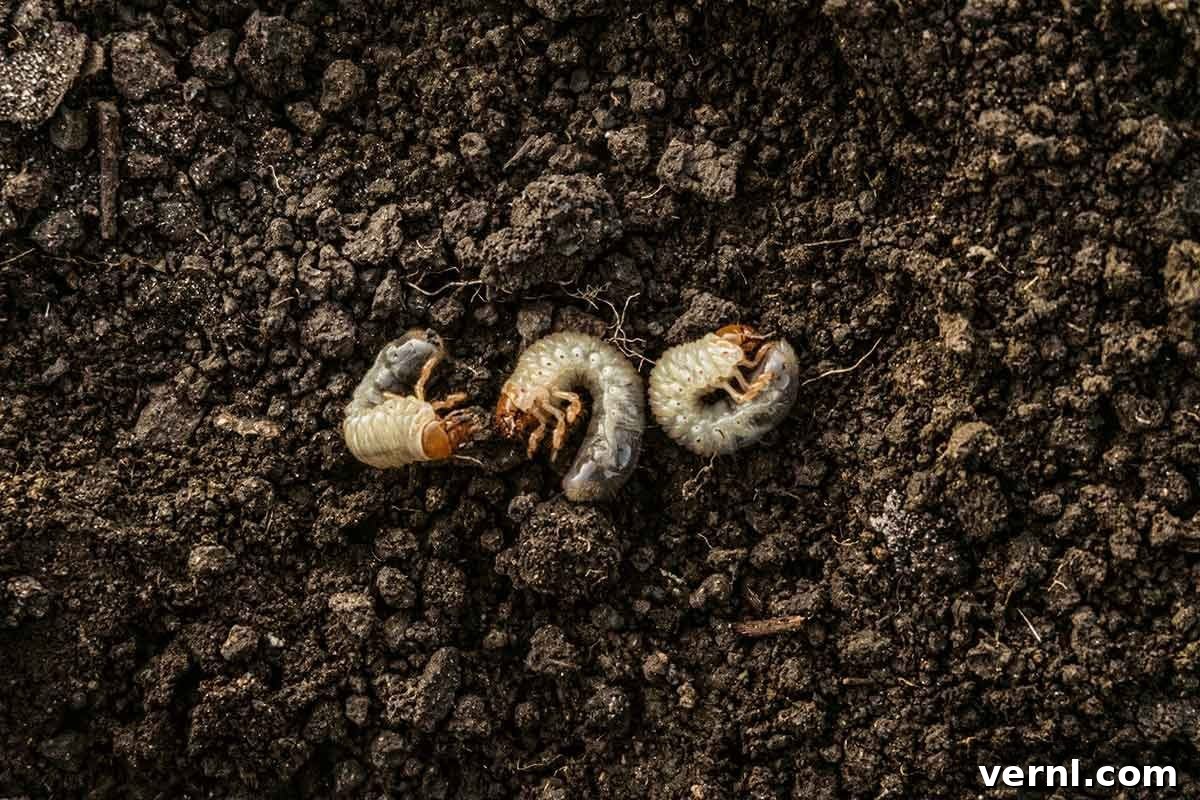
You’re envisioning the perfect lawn: lush, green, and inviting. But then, a closer look reveals a troubling reality – irregular brown patches marring the landscape, areas where the grass peels back effortlessly like a loose rug, and perhaps even unwelcome animal visitors like raccoons and birds persistently digging into your soil. These are tell-tale signs, pointing to a common and destructive adversary: a lawn grub infestation.
While a healthy lawn possesses a remarkable resilience to tolerate a small number of these subterranean pests, a full-blown grub infestation is a formidable force capable of wreaking significant havoc. It can transform your vibrant turf into a patchy, desolate expanse, impacting not just aesthetics but the overall health and vitality of your outdoor space.
So, what exactly are these elusive grubs, and why do they pose such a serious threat to your precious lawn? To help us unearth the critical facts and equip you with the knowledge to reclaim your yard, we consulted Valerie Smith, a distinguished lawn care expert and Content Strategist at Sod Solutions. In this comprehensive guide, we’ll delve into everything you need to understand about these destructive pests. We’ll cover how to accurately spot the early warning signs, understand their complex life cycle, and most importantly, outline the most effective strategies to get rid of them before your turf becomes an irreversible, all-you-can-eat buffet for these voracious root-feeders.
What Are Lawn Grubs? Understanding the Subterranean Threat
Lawn grubs, often simply referred to as grub worms or white grubs, are the immature, larval stage of several species of beetles. These C-shaped, milky-white creatures are typically found just beneath the surface of your lawn, diligently feeding on the delicate root system of your grass. Characterized by their six tiny legs located near their brownish heads, these larvae can range in size from a quarter-inch to a more substantial two inches long, depending on their species and developmental stage.
The primary reason grubs are so detrimental to your lawn is their insatiable appetite for grass roots. By systematically severing these vital connections, grubs effectively cut off the plant’s ability to absorb essential water and nutrients from the soil. This deprivation leads to a rapid decline in grass health, causing it to yellow, brown, and eventually die. If left unchecked, what once was a lush, vibrant lawn can quickly devolve into a brittle, patchy wasteland, with large sections of turf easily lifted due to the absence of an intact root system. Understanding these fundamental aspects of grubs is the first step in formulating an effective defense strategy against them.
Key Types of Grub Species in North America
While numerous insect larvae might inhabit your lawn, it’s primarily the grubs of certain beetle species that are responsible for widespread damage in North America. The two most common and destructive types found across the U.S. are billbug larvae and the more widely recognized scarab beetle larvae, commonly referred to as white grubs. Identifying which type of grub is plaguing your lawn can influence your treatment strategy, as their behaviors and feeding patterns can differ.
Billbug Grubs: The Stealthy Root Destroyers
Billbug grubs are often less recognized than their scarab counterparts, but they are no less damaging. These larvae are typically legless, possessing a tan or creamy-white body with a distinct reddish-brown or brown head, and they also exhibit the characteristic C-shape. What sets billbug grubs apart is their unique feeding habit. Unlike other grubs that immediately target roots, billbug larvae begin their destructive journey by feeding inside the stems of grass plants. This internal feeding makes early detection particularly challenging, as the initial damage often mimics symptoms of drought stress or fungal diseases, leading to misdiagnosis and delayed treatment.
According to the Entomological Society of America, several billbug species are prevalent in lawns throughout the U.S., each with its preferred geographical range and turfgrass hosts:
- Hunting Billbug (Sphenophorus venatus vestitus): A frequent and problematic offender, particularly in the Southern states and within the critical transition zone where cool-season and warm-season grasses overlap.
- Bluegrass Billbug (Sphenophorus parvulus): Widely common across the northern U.S. and southern Canada, this species primarily targets cool-season turf varieties, making it a significant pest in those regions.
- Denver Billbug (Sphenophorus cicatristriatus): This species is a notable threat to lawns situated in the Rocky Mountains and across the northern Great Plains, adapting to the specific climate and turf types found there.
- Phoenix Billbug (Sphenophorus phoeniciensis): As its name suggests, this billbug is found in the Southwest, where it primarily attacks popular warm-season grasses such as bermudagrass and zoysiagrass.
- Lesser Billbug and Unequal Billbug: While perhaps more localized in their distribution, these species can still cause substantial damage when their populations surge, highlighting the need for vigilance across various regions.
Scarab Beetle Grubs (White Grubs): The Classic Lawn Pest
These are the iconic white, C-shaped grubs that most homeowners instantly recognize. While North America hosts an astonishing diversity of over 1,300 scarab beetle species, only a select handful are significant lawn pests. These are the grubs that are most likely to cause widespread and visible damage to your turf. Here are the most common culprits:
- Japanese Beetle (Popillia japonica): An invasive species that has become widespread across much of the U.S., known for both its grub damage and adult feeding on ornamental plants.
- June Beetles/May Beetles (Phyllophaga spp.): A large and diverse group of native species, their grubs can cause significant root damage, especially when populations are high.
- Masked Chafer (Cyclocephala borealis): A common native pest, its grubs are robust and can inflict considerable damage to turf roots.
- Argentinian Scarab (Cyclocephala signaticollis): An invasive species that has established itself in various regions, contributing to white grub problems.
- African Black Beetle (Heteronychus arator): Another invasive species, particularly problematic in certain areas where it can cause severe turf damage.
- European Chafer (Amphimallon majale): An aggressive invasive species, highly destructive to lawns in areas where it has become established.
- Asiatic Garden Beetle (Maladera castanea): Known for its feeding habits on a wide range of plants, its grubs also contribute to lawn damage.
- Oriental Beetle (Anomala orientalis): Another invasive species, its grubs are particularly destructive to turfgrass roots.
The Lifecycle of Lawn Grubs: Timing Your Defense
Lawn grubs rarely announce their presence with a dramatic flourish. Instead, their initial signs—subtle brown patches, thinning grass, or turf that lifts with disconcerting ease—often appear after significant damage has already occurred beneath the soil. To effectively manage and eradicate these pests, a thorough understanding of their complete lifecycle is absolutely essential. Most lawn-damaging grubs, whether they are the C-shaped larvae of scarab beetles or the legless larvae of billbugs, undergo four distinct life stages. Knowing the timing and characteristics of each stage is the key to determining precisely when and how to treat lawn grubs effectively, maximizing your chances of success.
1. Egg Stage: The Beginning of the Problem
The “grub season” officially kicks off in the summer months when adult beetles and billbugs emerge from the soil to mate and lay their eggs. The precise timing of this egg-laying phase is dependent on the specific species and geographical location. Billbugs, for instance, tend to start earlier in the season, sometimes as early as May, while most scarab beetles typically lay their eggs from June through August. Adult beetles are often attracted to moist, healthy turf for egg-laying, which means well-maintained and irrigated lawns can inadvertently become prime targets for infestation.
Once laid, these tiny eggs usually hatch within a relatively short period, typically 10 to 14 days. This hatching marks the pivotal moment when the real trouble begins, as the newly emerged larvae are ready to start their destructive feeding.
2. Larval Stage: The Most Destructive Phase
This is arguably the most critical and destructive stage of the grub lifecycle. Once the eggs hatch, the young grubs immediately begin feeding voraciously on the tender roots of your turfgrass. Their continuous feeding activity progressively severs the root system, ultimately leading to the visible lawn damage observed above ground.
- White Grubs (from Scarab Beetles): These grubs undergo three distinct larval or “instar” stages, growing larger with each molt. They are most active and feed closest to the soil surface during late summer and early fall, which is when they cause the most noticeable damage.
- Billbug Larvae: These legless grubs exhibit a slightly different feeding pattern. They initially feed inside the grass stems, moving downward towards the crown and eventually into the root zone. This internal feeding can be particularly damaging to new lawns, especially those that have been recently sodded or seeded.
Because young grubs are smaller, more vulnerable, and actively feeding closer to the surface during this stage, it represents the absolute best time to apply insecticides or introduce biological control options. Delaying treatment allows the grubs to mature, burrow deeper into the soil, and inflict more extensive and potentially irreversible damage to your lawn.
3. Pupal Stage: A Period of Transformation
As fall progresses and soil temperatures begin to cool, mature grubs enter a resting phase known as the pupal stage. During this period, they form protective cells within the soil and cease feeding entirely. Over the course of several weeks to a few months, these grubs undergo a remarkable metamorphosis, transforming from their larval form into adult beetles. At this point, any grub treatments, whether chemical or biological, become largely ineffective. The grubs are dormant, not actively feeding, and thus insecticides will not be absorbed or ingested by them.
4. Adult Stage: The Cycle Continues
With the arrival of spring and warmer temperatures, the cycle renews itself. Adult beetles and billbugs emerge from the soil, ready to feed, mate, and lay a new generation of eggs, perpetuating the grub problem. Managing the adult population, where feasible, can also play a role in reducing future infestations, though direct grub treatment remains the primary focus for turf protection.
How Do I Know if My Lawn Has Grubs? Early Detection is Key
Grub damage isn’t always immediately obvious, often starting subtly before becoming widespread. However, if you understand what specific signs to look for, your lawn will begin to communicate that something is amiss beneath its surface. “Given the right opportunity and the appropriate amount of time, grub worms have the capability to completely destroy an entire lawn,” cautions Valerie Smith of Sod Solutions, a leading provider of turfgrass for commercial and residential properties. This underscores the critical importance of early detection—identifying and addressing the problem before the damage escalates and becomes irreversible.
Here are the crucial early signs of grubs in grass to watch out for:
- Brown Patches That Feel Spongy Underfoot: One of the most common visual indicators of grub damage is the appearance of irregular, seemingly random brown patches across your lawn. Unlike drought-stressed grass, these areas often fail to green up even after consistent watering. When you walk across these affected spots, the turf may feel distinctly soft and spongy, almost like stepping on a waterlogged sponge. This sensation is due to the extensive loss of roots, which normally anchor the grass firmly to the soil.
- The Tug Test: A classic and highly reliable method for confirming a severe infestation is the “tug test.” If you can easily pull back sections of your sod, much like rolling up a cheap rug, it’s a strong indicator of significant root damage. Peeling back the turf will often reveal loose, rootless soil underneath, and in many cases, you’ll see a writhing cluster of grubs just below the surface, confirming their presence and the extent of their destructive work.
- Uninvited Wildlife Visitors: If you suddenly notice an increase in holes in your lawn or observe animals like birds, skunks, or raccoons digging into your lawn, it’s a strong signal. These predators have a keen sense for a readily available food source, and a lawn teeming with grubs provides an irresistible “grub buffet.” They will tear through turf, leaving behind unsightly damage, all in pursuit of a tasty grub snack.
How to Accurately Assess Grub Infestation Levels
To definitively confirm a grub infestation and gauge its severity, direct inspection of the soil is necessary. Performing the square-foot test is a simple yet effective way to do this:
- Using a sharp shovel or spade, carefully cut a 1-foot by 1-foot square of turf on three sides, creating a flap.
- Gently peel back this section of turf and carefully inspect the top few inches of soil (typically the top 2-4 inches).
- Count the number of grubs you find within that square foot area.
- Repeat this process across several different sections of your lawn, especially in areas showing signs of stress or browning. This provides a more accurate overall picture of the infestation level.
Optimal Timing for Grub Treatments: Preventive vs. Curative
Effective grub control heavily relies on precise timing. There are two main strategies: preventive and curative treatments, each with its own optimal application window:
- Preventive treatments are most effective when applied in late spring to early summer (typically May to early July), just before or as beetle eggs begin to hatch. These treatments work by creating a protective barrier in the soil, preventing newly hatched grubs from causing damage.
- Curative treatments are best applied in late summer to early fall (typically August to September), when grub larvae are actively feeding closest to the soil’s surface. These fast-acting solutions target the grubs that are already present and causing damage.
When Should I Treat Lawn Grubs? Deciding When to Act
Not every lawn with grubs necessarily requires immediate treatment. Finding a small number, generally between 0 to 5 grubs per square foot, is usually considered harmless and manageable by a healthy lawn. However, if your square-foot test reveals more than five grubs, or if your lawn is already showing significant signs of stress or is not in optimal health, then, according to expert Valerie Smith, it is time for immediate and decisive treatment to prevent widespread destruction.
Effective Strategies: How To Treat Lawn Grubs
The most effective approach to treating lawn grubs is highly dependent on when you detect the infestation and the extent of damage that has already occurred. Understanding the available options—chemical, natural, and professional—will allow you to make an informed decision tailored to your specific situation and environmental considerations.
Chemical Treatments for Aggressive Grub Control
Chemical insecticides offer a potent solution for controlling grub populations, especially when dealing with moderate to severe infestations. Sod Solutions, for example, often recommends products like Dylox 6.2 Granular White Grub Insecticide, which typically requires application with a broadcast spreader and thorough watering within 24 hours to ensure the active ingredients reach the grubs in the soil.
Timing is paramount for grub-killing products:
- Preventative Treatments: For proactive protection, apply products containing active ingredients like chlorantraniliprole in late spring to early summer (typically May through July) before the beetle eggs hatch. Chlorantraniliprole works systemically, meaning it’s absorbed by the grass roots and targets grubs as they feed. This option is generally considered low-risk to pollinators and pets when applied as directed, making it a safer choice for families with children or animals who frequently use the yard.
- Curative Treatments: If you’re dealing with an active infestation in late summer or early fall (August to September), when grubs are actively feeding near the surface, opt for fast-acting curative treatments containing trichlorfon or carbaryl. These ingredients typically work on contact or ingestion, providing a quicker knockdown of grub populations. However, it is crucial to note that these are more highly toxic compounds and may pose risks to beneficial insects, including bees, as well as aquatic life. Always exercise extreme caution, strictly follow label instructions, avoid application near water bodies, and limit foot traffic on the treated lawn until it is completely dry.
Regardless of the chemical chosen, always read and adhere to the manufacturer’s label instructions precisely. Ensure the product is watered in thoroughly after application to allow it to penetrate the soil and reach the grubs. Avoid mowing immediately after treatment, as this can reduce effectiveness.
Natural and Organic Grub Control Methods
For environmentally conscious homeowners seeking alternatives to synthetic chemicals, several natural and organic options can effectively manage grub populations. These methods often require more patience but offer long-term, eco-friendly solutions.
- Beneficial Nematodes: These microscopic, naturally occurring roundworms (like those found in products such as this type) are a highly effective biological control. Specific species of nematodes actively hunt down and parasitize grubs, entering their bodies and releasing bacteria that kill them. They are completely safe for pets, humans, and other beneficial insects. For best results, apply nematodes when soil temperatures are warm and moist, and grubs are actively feeding (late summer/early fall).
- Milky Spore: This is a naturally occurring bacterial disease (e.g., Milky Spore Powder) that specifically targets and infects Japanese beetle grubs. While it can take several seasons (often two years of consistent application) to build up effective levels in the soil, once established, milky spore can provide protection for 10 years or even more. It is highly specific to grubs and poses no threat to other plants, beneficial insects, or wildlife.
Both beneficial nematodes and milky spore require consistent application and may take longer to show significant results compared to chemical options. However, their safety for pets, pollinators, and the environment makes them excellent choices for sustainable lawn care, aligning with practices that protect your lawn in the long run.
Environmental Considerations When Choosing Treatments
The decision to treat for grubs should always include careful consideration of the environmental impact. Chemical pesticides, especially broad-spectrum insecticides, can have unintended consequences. They can harm beneficial insects like bees and ladybugs, contaminate groundwater through runoff, and negatively affect nearby wildlife and aquatic ecosystems.
Whenever possible, opt for selective treatments that specifically target grubs rather than broad-spectrum insecticides that indiscriminately kill many insect species. If you live near water bodies, such as ponds, rivers, or lakes, prioritize natural methods or consult with a professional lawn care service that specializes in eco-safe options to minimize environmental risks. Adopting an Integrated Pest Management (IPM) approach—which combines cultural practices, biological controls, and judicious chemical use—is often the most responsible and sustainable way to manage grubs while preserving the overall health of your ecosystem and misunderstood insects in your gardens.
Professional Treatments vs. DIY: When to Call the Experts
For smaller lawns or minor, localized grub infestations, DIY solutions can be highly effective and cost-efficient. Homeowners with a good understanding of grub lifecycles and product application can successfully manage the problem. However, for large properties, persistent or recurring grub problems, or extensive damage, engaging a professional lawn care service can offer significant advantages.
Professionals possess specialized equipment for even product distribution, have in-depth knowledge to accurately identify specific grub species, and can precisely time treatments for maximum efficacy. They can also diagnose underlying soil health issues or cultural practices that might be contributing to the recurring problem, offering a holistic and long-term solution that often goes beyond surface-level treatment.
How to Prevent Lawn Grubs From Coming Back: Long-Term Strategies
While grubs may be out of sight for much of their life cycle, they certainly shouldn’t be out of mind. The most powerful defense against future grub infestations and the beetles that lay their eggs is a healthy, robust lawn. Proactive lawn care practices create an environment less appealing to adult beetles and more resilient to any potential grub damage. Here’s how you can keep your lawn grub-free:
- Regular Fertilization: Fertilize your lawn once or twice a year, providing the essential nutrients for strong, vigorous grass growth. A dense, healthy turf is better equipped to withstand minor grub activity and recovers more quickly from any damage.
- Manage Thatch Buildup: Periodically remove built-up thatch—the layer of dead grass material that accumulates between the green blades and the soil surface. Excessive thatch (more than half an inch) provides an ideal environment for beetles to lay eggs and for grubs to thrive, as it retains moisture and protects them. Dethatching improves air circulation and water penetration, making the area less attractive to grubs.
- Proper Watering Practices: While moist soil attracts egg-laying beetles, deep and infrequent watering encourages grass roots to grow deeper, making them less susceptible to surface-feeding grubs. Avoid light, frequent watering that keeps the top inch of soil consistently damp.
- Mowing Height: Maintain a slightly higher mowing height, typically between 2.5 to 3 inches. Taller grass provides shade to the soil, which helps retain moisture but also makes the soil surface less attractive to adult beetles for egg-laying.
- Create a Bird-Friendly Habitat: Attract natural predators to your yard. By placing birdhouses and bird baths, you can encourage insect-eating birds like robins, wrens, blue jays, and starlings. These diligent birds are excellent natural grub controllers, as they will actively forage for both grubs and adult beetles, helping to keep populations in check. Attracting birds is a sustainable and enjoyable prevention method.
- Consider Organic Lawn Fertilizers: If you’ve chosen to use beneficial nematodes for grub control, it’s particularly important to select an organic lawn fertilizer. Some chemical fertilizers can be detrimental to nematodes, reducing the effectiveness of your biological control efforts. Organic fertilizers support a healthier soil microbiome, which in turn can foster a more resilient lawn ecosystem.
Frequently Asked Questions (FAQs) About Lawn Grubs
What causes grubs to appear in lawns?
Lawn grubs are the offspring of various beetle species. They appear in lawns when adult beetles lay their eggs in the soil, typically during mid-summer. Factors that attract egg-laying beetles include moist soil, lush grass, and a thick layer of thatch, which provides a protective environment for the eggs to hatch.
Can grub damage be reversed?
Yes, often grub damage can be reversed, especially if caught and treated promptly. Once the grubs have been effectively controlled, you can reseed or re-sod the affected areas. With consistent and proper watering, fertilization, and care, the grass can regrow, particularly if the repair work is done in early fall or spring.
Are grubs harmful to pets?
The grubs themselves are not toxic or directly harmful to pets if ingested. However, the pesticides and chemical treatments used to eradicate grubs can be harmful. Always strictly follow the label instructions on any grub control product and keep pets off treated areas for the recommended duration to ensure their safety.
Do grubs come back every year?
Unfortunately, grubs can be a recurring problem. Adult beetles often return to favorable lawns—those with good moisture, dense turf, and abundant food sources—to lay their eggs each year. However, by implementing regular lawn maintenance practices, consistent monitoring, and timely preventative or curative treatments, you can significantly reduce the chances and severity of reinfestation.
About the Expert
Valerie Smith is a highly respected lawn care specialist and Content Strategist at Sod Solutions, a company boasting over 25 years of extensive experience within the turfgrass industry. Drawing on her profound understanding of turfgrass health, sustainable lawn practices, and effective pest management, Valerie is dedicated to empowering homeowners and industry professionals alike. She provides invaluable insights and guidance, enabling them to make informed decisions regarding optimal grass care, seasonal maintenance strategies, and robust pest control solutions to maintain vibrant and healthy landscapes.
Sources
- Journal of Integrated Pest Management, Volume 7, Issue 1, January 2016, 6: “Biology and Management of Billbugs (Coleoptera: Curculionidae) in Turfgrass”
- Envu | Innovative Environmental Solutions: “Billbug”
- Envu | Innovative Environmental Solutions: “White grub”
- Purdue University Publications: “Turfgrass Insects”
- Home & Garden Information Center, Clemson University: “White Grub Management in Turfgrass”
- Colorado State University Extension: “Billbugs and white grubs: Control in Home Lawns”
- Michigan State University Extension: “How to choose and when to apply grub control products for your lawn”
- National Pesticide Information Center: “Carbaryl Fact Sheet”
- National Pesticide Information Center: “Chlorantraniliprole Fact Sheet”
- Missouri Botanical Garden: “Grubs in Lawn”
- University of Georgia Extension: “White Grubs”
- Scotts: “How to Control Lawn Grubs”