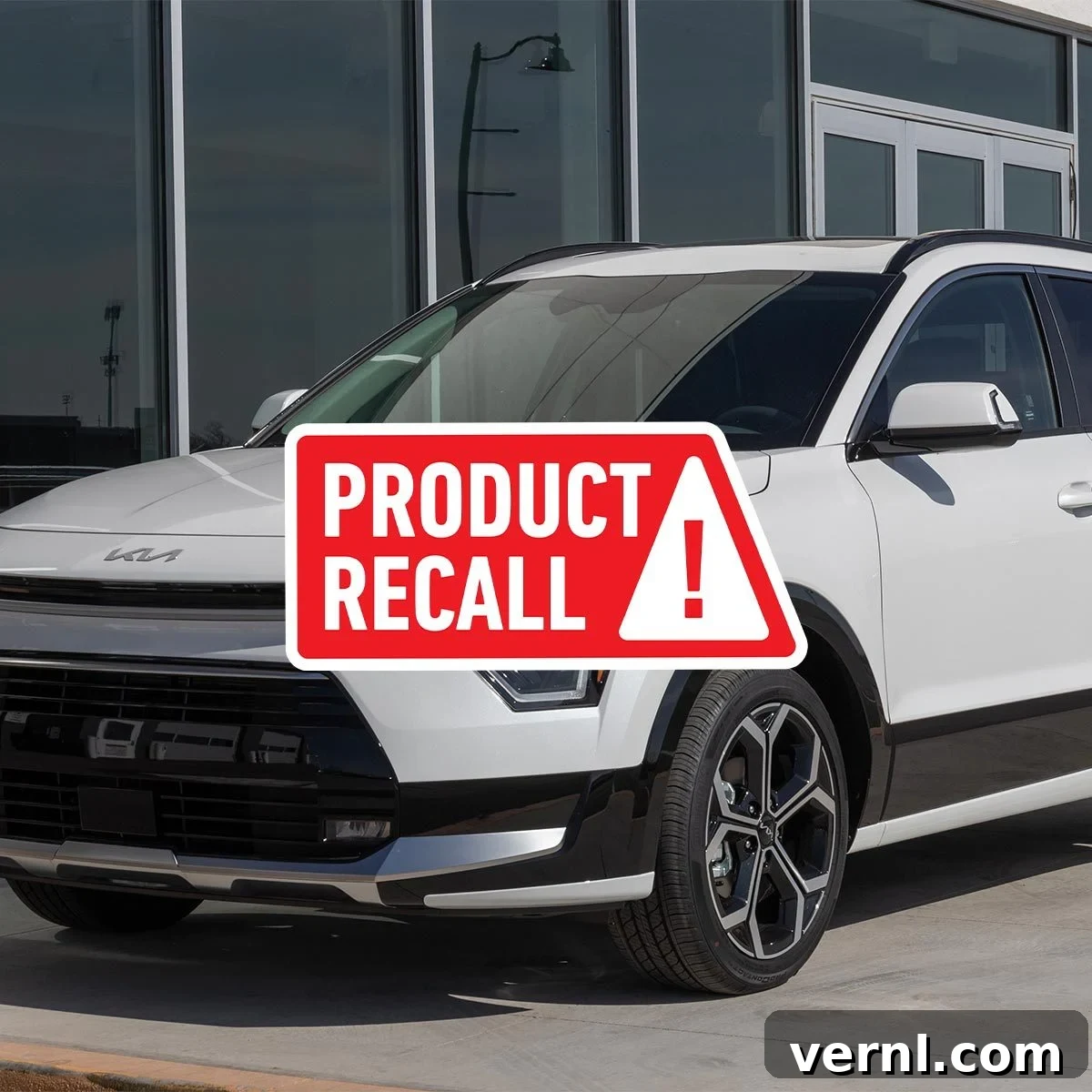
Urgent Kia Recall: Over 80,000 Kia SUVs Face Critical Airbag and Seatbelt Wiring Defects
Vehicle safety is paramount, and among the myriad features designed to protect occupants, airbags and seatbelts stand out as indispensable guardians. In the event of a collision, these critical safety systems are often the last line of defense, dramatically reducing the risk of severe injury or fatality. When these fundamental components are compromised, the danger to drivers and passengers escalates exponentially. It is with this grave concern that Kia America (Kia) has recently announced a significant recall affecting tens of thousands of its popular SUV models due to pressing issues with their airbag and seatbelt systems. This recall highlights a serious electrical problem that could prevent these vital safety features from functioning as intended, putting vehicle occupants at undue risk. Owners of affected vehicles are urged to take immediate action to address these safety concerns, prioritizing their safety and the safety of their passengers.
The National Highway Traffic Safety Administration (NHTSA), the leading federal agency dedicated to achieving the highest standards of safety on our nation’s roads, has released comprehensive details summarizing the nature of these defects and outlining the proposed remedies. We have meticulously analyzed this information to provide you with a clear, concise, and complete understanding of what this recall entails, ensuring you have all the answers you need to protect yourself and your loved ones from potential hazards associated with this manufacturing defect.
Why Are These Kia SUVs Being Recalled? An In-Depth Look at the Safety Defect
At the heart of this urgent recall lies a critical electrical problem within the affected Kia SUVs. According to the detailed brief issued by the NHTSA, the specific concern revolves around the “floor wiring assembly beneath the front passenger seat.” This particular wiring component is susceptible to damage, which has profound and dangerous implications for the vehicle’s passive safety systems. The integrity of this wiring is absolutely crucial for the proper operation of both the front airbags and the seatbelt pretensioners—mechanisms designed to tighten seatbelts instantly upon impact, securing occupants more effectively.
When this floor wiring assembly becomes damaged, the consequences can be catastrophic in a collision scenario. The primary and most alarming risk is that the front airbags and seatbelts may fail to deploy properly or, in some cases, may not deploy at all during an impact. This malfunction strips occupants of the vital protection these systems are designed to provide, leaving them exposed to significantly higher risks of severe injury, including head trauma, internal injuries, spinal damage, and even death. The absence of proper airbag deployment and seatbelt restraint can turn a survivable crash into a life-threatening event, undermining the very essence of modern automotive safety engineering.
Furthermore, the NHTSA brief highlights another concerning potential outcome: an “unintended side curtain airbag deployment.” While less common, an airbag deploying unexpectedly outside of a crash situation can be incredibly startling, potentially distracting the driver and leading to a loss of control, thereby creating an entirely new accident risk. Even if it occurs during a minor impact, an unintended deployment can cause minor injuries, significant property damage to the vehicle’s interior, and considerable stress and inconvenience for the vehicle owner. Such an event also triggers the expense and hassle of necessary repairs.
The NHTSA explicitly warns that “air bags and seat belts that deploy improperly or an air bag deploying unintentionally can increase the risk of injury in a crash.” This statement underscores the severity of the defect. The fundamental purpose of these safety features is to mitigate harm and protect occupants; when their reliability is compromised by faulty wiring, they can inadvertently become sources of additional danger or fail to provide any protection at all. This defect is not merely a minor inconvenience; it is a fundamental flaw that directly impacts the core safety architecture of the vehicle. For these reasons, owners of affected Kia SUVs are strongly advised to minimize driving their vehicles as much as possible until the necessary inspections and repairs have been completed by an authorized dealership. Prioritizing this recall remedy is essential for ensuring the continued safety of everyone who travels in these vehicles.
Which Kia SUV Models Are Impacted by This Vital Recall?
This widespread safety recall impacts a significant number of vehicles, with over 80,000 Kia SUVs identified as potentially having the critical floor wiring defect. It is imperative for owners to verify if their specific vehicle falls within this recall. The affected models span several popular lines within Kia’s Niro series and cover multiple model years. Please review the comprehensive list below to determine if your Kia SUV is included, keeping in mind the potential danger posed by this defect:
- 2023 Niro EV: This fully electric variant from the 2023 model year is among those potentially affected, emphasizing that even vehicles utilizing the latest electric vehicle technology are not immune to critical component failures that impact fundamental safety systems.
- 2024 Niro EV: Owners of the 2024 electric Niro also need to be vigilant and check for recall notices, as these models are included in the scope of the defect. The continued inclusion across model years suggests a persistent manufacturing or design issue requiring broad attention.
- 2025 Niro EV: Even vehicles as new as the 2025 model year Niro EV are part of this recall, indicating that the defect may have been present in manufacturing over an extended period and affects the latest iterations of the vehicle.
- 2023 Niro Plug-in Hybrid (PHEV): The plug-in hybrid version from 2023 is also on the recall list, impacting owners who rely on its blend of electric and gasoline power for daily commuting and longer journeys.
- 2024 Niro PHEV: Owners of the 2024 Niro PHEV should also take note, as their vehicles are included, and immediate action is advised upon notification to ensure continued driving safety.
- 2025 Niro PHEV: Similarly, the newest 2025 Niro PHEV models are not exempt from this recall, highlighting the broad reach of the manufacturing issue across the entire Niro PHEV production cycle for these years.
- 2023 Niro Hybrid: The traditional hybrid variant from 2023 is part of this recall, affecting a significant segment of Kia’s fuel-efficient SUV lineup and demonstrating the defect is not limited to specific powertrain types.
- 2024 Niro Hybrid: The 2024 Niro Hybrid models are also subject to this safety alert, requiring owners to stay informed and address the issue promptly to maintain the intended safety standards of their vehicle.
- 2025 Niro Hybrid: Finally, the 2025 Niro Hybrid rounds out the list, underscoring that all versions of the Niro across these three model years may harbor the dangerous wiring defect that could compromise critical safety features.
Kia America has committed to notifying all affected owners directly. Official recall letters are anticipated to be mailed out to registered owners in mid-March 2025. While awaiting this notification, if you own any of the aforementioned vehicles, it is strongly recommended that you exercise heightened caution when driving. Given the critical nature of the safety systems involved, proactive vigilance is key. Consider checking your vehicle’s VIN (Vehicle Identification Number) on the NHTSA website for the most up-to-date information regarding your specific vehicle’s recall status, as this method provides the most accurate and immediate results.
What Owners Should Do If Their Kia SUV Is Recalled: Your Comprehensive Action Plan
Receiving a recall notice for your vehicle, especially one concerning critical safety features like airbags and seatbelts, can be unsettling. However, it’s crucial to remember that recalls are issued to ensure your safety and that manufacturers are obligated to rectify these issues at no cost to you. Kia has outlined a clear and cost-free process for addressing this defect. Owners of the affected Kia Niro SUVs should follow these steps diligently to protect themselves and their passengers:
1. Understand the Repair Process: Free and Comprehensive Service
According to Kia’s official statements, authorized dealerships are fully prepared to address the damaged floor wiring assembly. The remedy will involve several key actions to ensure the integrity and proper function of your vehicle’s safety systems:
- Thorough Inspection: Certified technicians will conduct a detailed inspection of the floor wiring assembly beneath the front passenger seat. This examination aims to precisely assess the extent of any existing damage, signs of wear, or vulnerabilities that could lead to future malfunction.
- Component Replacement: If any damage is found, or if the assembly is identified as being susceptible to future issues based on its current condition or revised specifications, the faulty wiring assembly will be promptly replaced. The new component will meet updated standards designed to prevent the recurrence of the defect.
- Strategic Rerouting: A crucial part of the fix involves carefully rerouting the wiring assembly. This step is designed to reposition the wiring in a manner that minimizes the risk of future damage that might arise from seat movement, passenger interaction (such as items pushed under the seat), or other environmental factors within the vehicle.
- Installation of Protective Wiring Covers: To provide an additional, robust layer of protection, dealerships will install durable wiring covers. These covers act as a physical barrier, safeguarding the rerouted wiring from potential physical damage, abrasion, and general wear and tear over the lifespan of the vehicle.
Crucially, all these services—including the inspection, replacement of parts, rerouting of wiring, and installation of protective covers—will be provided entirely free of charge to the vehicle owner. There should be no out-of-pocket expenses associated with this recall repair, underscoring Kia’s commitment to resolving this significant safety hazard promptly and without burdening its valued customers.
2. Act Promptly: Do Not Delay Safety-Critical Repairs
Given that faulty airbags and seatbelts represent an accident waiting to happen, delaying the necessary repairs is not advisable. The risks involved are simply too high. As soon as you receive your official recall letter, or even if you suspect your vehicle is affected based on the model list, contact your local authorized Kia dealership to schedule an appointment. Early action can prevent potential catastrophic consequences in the event of a collision. When scheduling, ensure you mention that you are booking a service for recall number SC332, which will help the dealership streamline the process.
3. Exercise Extreme Caution While Driving
Until your vehicle has been inspected and the necessary repairs completed, it is prudent to exercise extreme caution. If possible, minimize driving the affected vehicle, especially for long distances, at high speeds, or in conditions where the risk of an accident might be higher. Remember, the core safety systems designed to protect you in a crash—your airbags and seatbelts—may not function as intended, severely compromising your safety and that of your passengers.
4. How to Get More Information and Assistance
Should you have additional questions after reviewing your owner letter, or if you prefer not to wait for the letter and wish to proactively inquire about your vehicle’s status, several reliable resources are available:
- Contact Kia America Directly: You can reach Kia’s dedicated customer service for recall-specific inquiries by calling 1-800-333-4542. When you call, be sure to clearly state that you are inquiring about recall number SC332. This will help the representative quickly identify the specific issue and provide accurate, up-to-date information regarding the recall process and scheduling.
- Contact the NHTSA: For independent verification, to report a safety concern, or if you have broader questions about vehicle safety and recalls, the National Highway Traffic Safety Administration is an invaluable federal resource. You can contact them by calling 1-888-327-4236. When speaking with an NHTSA representative, reference NHTSA recall number 25V024000 for details related to this specific Kia recall.
- Check Online with Your VIN: The most precise and immediate way to determine if your specific vehicle is currently under any active recall is to use your Vehicle Identification Number (VIN). Visit the official NHTSA recall lookup tool on their website (www.nhtsa.gov/recalls) and simply enter your unique 17-character VIN. This will provide an immediate and definitive answer regarding any outstanding recalls for your particular car, ensuring you have the most accurate information.
Understanding Vehicle Recalls: A Commitment to Public Safety
Vehicle recalls, while sometimes concerning for owners, are an essential component of consumer protection and automotive safety regulations worldwide. They represent a manufacturer’s and regulator’s commitment to addressing defects that could pose a risk to safety or violate federal standards. The process typically involves several stages: initial identification of a potential defect, thorough investigation by authorities like the NHTSA, the formal issuance of a recall, mandatory notification of all affected owners, and finally, the provision of a free, manufacturer-paid remedy.
The NHTSA plays a pivotal role in overseeing vehicle safety in the United States. Its core mission is to save lives, prevent injuries, and reduce vehicle-related crashes by setting and enforcing safety standards, investigating defects, and providing consumers with vital safety information. The agency diligently monitors consumer complaints, conducts its own extensive investigations into potential safety defects, and, when necessary, compels manufacturers to issue recalls and provide effective remedies. This diligent oversight ensures that safety standards are consistently upheld and that vehicles on our roads meet stringent criteria designed to protect occupants and other road users.
For consumers, understanding the recall process empowers them to act responsibly and promptly. It reinforces the importance of staying informed about their vehicle’s safety status, whether through official manufacturer notifications, proactive online VIN checks, or subscribing to recall alerts from reputable sources. Your active participation in addressing recalls not only protects you and your passengers from potential harm but also contributes significantly to the overall safety and reliability of the motoring public as a whole.
Conclusion: Prioritizing Your Safety on the Road
The Kia SUV recall for faulty airbag and seatbelt wiring is a serious matter that demands the immediate attention of all affected owners. The potential for these critical safety systems to fail or deploy incorrectly poses a significant risk of severe injury or death in the event of a crash. Kia has taken the necessary steps to provide a free and comprehensive repair, and it is now incumbent upon owners to act swiftly and responsibly to mitigate these risks.
Do not underestimate the importance of functional airbags and seatbelts. They are not merely convenient features; they are complex, engineered life-saving devices designed to perform under extreme circumstances. We strongly urge all owners of 2023, 2024, and 2025 Kia Niro EV, PHEV, and Hybrid models to verify their vehicle’s recall status using their VIN and schedule repairs without delay at an authorized Kia dealership. Your proactive engagement is key to ensuring your safety and the safety of everyone sharing the road. Stay informed, stay vigilant, and always prioritize your well-being.
Source