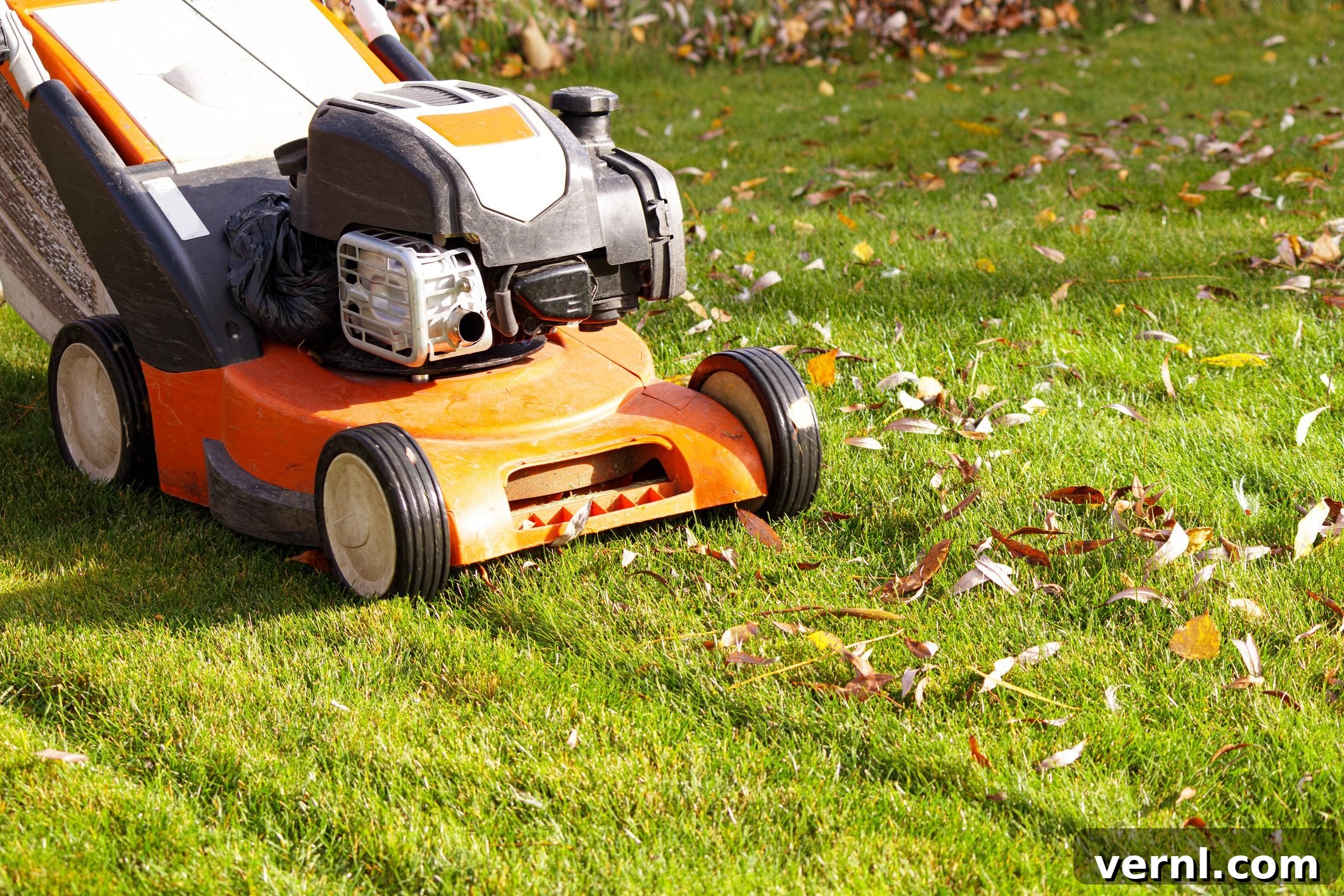
Year-Round Lawn Care: Nurturing a Resilient Lawn from Fall to Spring
For homeowners in cooler climates, the arrival of fall and winter often signals a welcome break from the weekly chore of mowing. However, the misconception that lawn care ceases with the warmer months can lead to a struggling lawn come springtime. While the rhythm certainly changes, your grass still demands dedicated attention to remain healthy, resilient, and primed for vibrant growth when temperatures rise again.
“Every season of lawn care has a different rhythm, no matter where you are in the country,” explains seasoned lawn care expert Craig Elworthy. “So by skipping seasons of lawn care, you might not give your lawn the nutrients, water or mowing height it needs to thrive.” This comprehensive guide will equip you with essential post-summer and winter lawn maintenance strategies, ensuring your turf not only survives the colder months but emerges stronger, greener, and healthier in the spring.
The Overlooked Season: Why Post-Summer Lawn Care Matters
As the vibrant hues of summer fade, many homeowners understandably shift their focus away from their lawns. With school back in session, holidays approaching, and the impending arrival of frost and snow, the temptation to put away the lawnmower and forget about the grass is strong. It’s easy to assume the lawn simply goes dormant and will naturally rebound with spring’s warmth. Yet, this period of perceived dormancy is, in fact, a critical window for setting the stage for future health and vitality.
“But I tell friends and customers: post-summer lawn maintenance is what separates resilient lawns from needy ones,” emphasizes seed expert Troy Hake. “With some focused care in late summer and fall, you’ll help it rebuild strong roots, head into winter stronger and set yourself up for a faster, greener lawn come spring.” Investing a little time in fall lawn care during the cooler months means less remedial work and more enjoyment of a lush, healthy lawn when spring arrives. This proactive approach prevents numerous issues from developing during the dormant period.
Beyond Aesthetics: The Importance of Year-Round Lawn Maintenance
Year-round lawn maintenance is far more than just keeping your grass looking appealing; it’s fundamental to its long-term health, resilience, and resistance to environmental stressors. A consistent care regimen ensures your turf can withstand the various challenges each season presents, from the scorching heat of summer to the freezing temperatures of winter, and everything in between.
“After summer, lawns are often stressed from heat, drought and heavy foot traffic, making them more vulnerable to disease, pests and thinning,” notes lawn care expert Chris Ramos. “Regular care repairs damage, replenishes nutrients and prepares the lawn for seasonal changes.” Neglecting your lawn during this time leaves it susceptible to a host of problems that can undermine its vigor and visual appeal for months to come. Proper seasonal attention ensures deep root development, optimal nutrient absorption, robust protection against common lawn issues, and a significantly reduced chance of costly renovations in the future. A well-maintained lawn is a strong lawn, capable of fending off diseases and weeds with greater ease.
Fall Lawn Maintenance: Recovery and Preparation for Winter
Autumn is a pivotal season for lawn care, serving as a period of crucial recovery from summer’s stresses and vital preparation for the dormant winter months. The cooler temperatures, often accompanied by increased moisture, create ideal conditions for turf to absorb nutrients, strengthen its root system, and build up carbohydrate reserves. This stored energy is essential for surviving the cold and fueling vigorous growth in the spring.
“Fall lawn care is focused on recovery and preparation, making its priorities different from spring, which is focused on growth, and summer, which is focused on heat and drought stress management,” elaborates lawn care expert Rob Palmer. By understanding these distinct seasonal goals, homeowners can tailor their approach to maximize the health and longevity of their lawns, ensuring they enter winter in peak condition.
Aerate Your Lawn for Optimal Health
Throughout the spring and summer, your lawn endures considerable foot traffic, mowing, and environmental pressure, leading to soil compaction. This compaction can severely restrict the movement of air, water, and essential nutrients to the grass roots, ultimately stunting growth and weakening the turf. Furthermore, a layer of thatch – a build-up of dead grass stems and roots – can accumulate just above the soil surface, acting as a barrier that prevents vital elements from reaching the root zone.
Aerating in the fall is a powerful solution to these issues. This process involves creating small holes in the lawn, typically by removing plugs of soil (core aeration) rather than just poking holes (spike aeration). This critical step allows air to circulate, water to penetrate deeply, and fertilizers to reach the root zone more effectively. Improved root access translates to deeper, stronger roots, which are far better equipped to withstand the rigors of winter dormancy and bounce back vigorously in spring. Consider aerating your lawn once a year, or every other year, especially if your lawn experiences heavy use, has clay-rich soil, or suffers from excessive thatch build-up. The cooler fall temperatures and potential for natural rainfall make it an ideal time for recovery post-aeration.
Fertilize for Winter Resilience
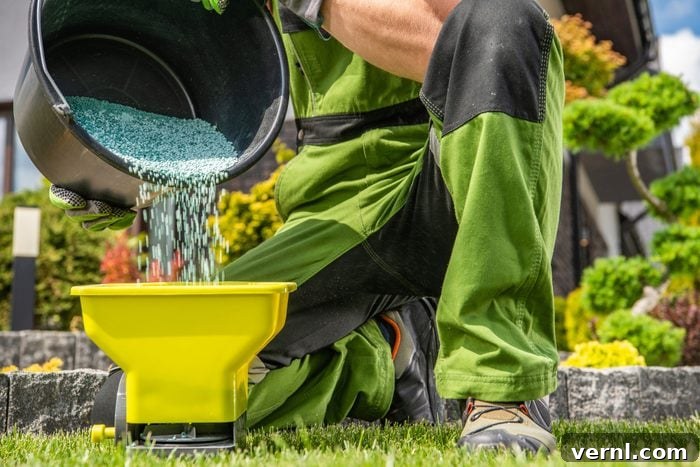
One of the most impactful steps you can take for fall lawn maintenance is late-season fertilization. Often referred to as a “lawn winterizer,” this application provides your grass with the necessary nutrients to store energy, fortify its root system, and increase its resistance to frost, disease, and insect damage over the winter months. Unlike spring fertilizers that focus on top growth, fall fertilizers encourage strong root development and nutrient storage. Look for fertilizers rich in nitrogen (N) for blade health and potassium (K) for overall plant health and stress resistance, typically with a balanced or lower phosphorus (P) content unless a soil test indicates a specific deficiency.
“This can be the most important application of the year for some lawns, as it supplies grass with the necessary nutrients to survive the winter,” states Palmer. Before applying any fertilizer, it is highly recommended to conduct a soil test. This simple analysis will reveal any specific nutrient deficiencies or pH imbalances, allowing you to choose the most appropriate fertilizer for your lawn’s unique needs. Always follow the product instructions meticulously, as over-application can burn your grass, damage the soil’s microbial balance, and contribute to groundwater contamination and harmful runoff into local waterways. Precise application ensures maximum benefit with minimal environmental impact and promotes a truly resilient lawn.
Overseed to Thicken and Enhance Your Lawn
For those in cool climates, even seemingly healthy lawns can benefit significantly from overseeding in the fall. Overseeding involves spreading new grass seed over existing turf, helping to fill in any thinning areas, bare spots, and improving the overall density and vigor of your lawn. This proactive measure ensures a thicker, more uniform lawn come spring, enhancing its appearance and making it more resistant to weeds, pests, and diseases by increasing turf density.
“Fall is the ideal time to overseed because cooler temperatures and increased rainfall create excellent conditions for new seed to germinate and establish before winter,” explains Hake. The moderate soil temperatures encourage rapid germination, while the cooler air temperatures prevent new seedlings from drying out too quickly, allowing them to establish a strong root system before the ground freezes. Ensure proper soil contact by raking lightly, dethatching, or aerating before seeding. Maintain consistent moisture with light, frequent watering until the new grass is well-established, typically for several weeks. Choosing the right cool-season grass seed blend, suitable for your specific climate and lawn conditions, is also crucial for optimal results and a diverse, robust turf.
Effective Weed Control in Autumn
While spring is often associated with weed emergence, late summer and early fall present an opportune time for highly effective weed control. Many perennial broadleaf weeds, such as dandelions, clover, and plantain, are actively absorbing nutrients during this period to store energy in their root systems for winter survival. This makes them particularly susceptible to herbicides, as the treatment is readily translocated throughout the plant.
Weeds that sprouted during summer can be effectively treated by applying post-emergent herbicides in late summer or early fall. In cool regions, Palmer recommends the window from August to October, when daytime temperatures are still warm enough for the herbicides to be effective (typically above 50°F or 10°C), but before the weather becomes too cold for plant activity. Always identify the specific weeds you are targeting to select the most appropriate product, and follow all label instructions for application rates, safety precautions, and environmental considerations. Addressing weeds now prevents them from proliferating, going to seed, and creating larger, more entrenched problems next spring, making your overall lawn care easier.
Adjusting Watering and Mowing Habits
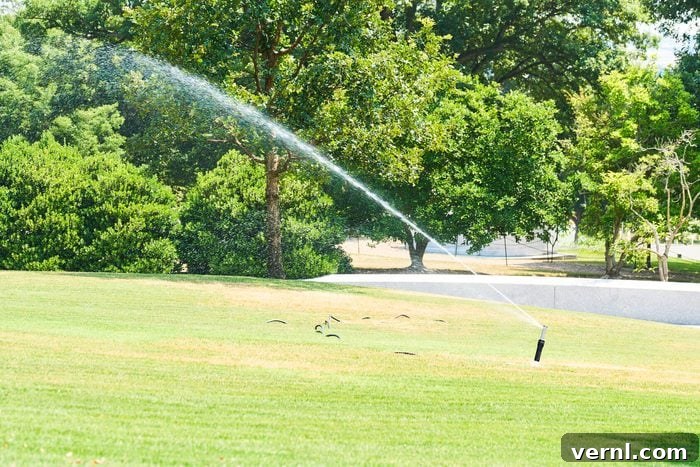
As fall progresses and grass growth naturally begins to slow, it’s essential to gradually wind down your watering and mowing routines. While regular watering is still important for new seed germination and nutrient uptake after fertilization, the frequency can be reduced as rainfall becomes more consistent and temperatures drop. Similarly, preparing your lawn for winter involves a strategic approach to mowing height.
The ideal height for overwintering depends on the specific species of turfgrass in your lawn. However, a general rule is to gradually lower your mower blade during the fall, aiming for a shorter cut (typically between 2 to 2.5 inches for most cool-season grasses like fescue or rye) for the final mow before winter dormancy. This shorter height is crucial for minimizing the risk of a fungal infection known as snow mold, which can damage turf under a blanket of snow. George Reister of Husqvarna explains, “Many regions are prone to a warm week or two during the winter that can trap water under a layer of snow that then promotes the fungus.” Longer grass can also mat down under snow, creating an ideal environment for mold.
However, “You don’t want to give your lawn a huge cut all at once,” advises Elworthy. Instead, reduce the blade height by no more than one-third of the grass blade at each mowing, gradually reaching your desired winter height over several weeks. This prevents undue stress on the grass while ensuring it enters winter dormancy at an appropriate length. Continue watering until the ground freezes, ensuring the roots have adequate moisture going into winter.
Managing Fallen Debris: Leaves and More
Fallen leaves are an iconic symbol of autumn, but on your lawn, they can become a detriment if not managed properly. While a thin layer of finely mulched leaves can return nutrients to the soil, thick, matted piles can suffocate the grass, block essential sunlight, prevent fertilizer and water from reaching the roots, and even interfere with newly germinated seeds. This creates conditions ripe for fungal diseases and pest infestations.
“It’s important not to let them pile up, as they can block sunlight, prevent fertilizer from reaching the roots and interfere with seed germination,” cautions landscaper Skye Durrant. One highly effective and environmentally friendly strategy is to use your lawnmower to mulch fallen leaves directly on the lawn. This chops them into small, nutrient-rich pieces that quickly break down, enriching the soil with valuable organic matter. If the leaf fall is too heavy for mulching, rake and remove the excess. However, consider spreading these excess leaf mulches elsewhere in your yard – in garden beds, around trees, or in designated compost piles – where they can continue to decompose and return valuable nutrients to the soil, improving soil structure and water retention.
Furthermore, if you can, resist the urge to clear away all dead stalks and spent perennials around the perimeter of your yard. Allowing these natural elements to overwinter in other areas of your landscape greatly benefits local wildlife, providing crucial shelter and food sources for birds, butterflies, and other essential invertebrates and pollinators during the harsh winter months. This small act can significantly contribute to local biodiversity.
Winter Lawn Maintenance: Passive Protection
While winter generally signifies a period of dormancy for cool-season grasses, a completely hands-off approach can lead to avoidable damage. Winter lawn maintenance demands less active care but focuses on critical protective measures to safeguard your turf until spring, ensuring it emerges vibrant and healthy when warmer weather returns.
Minimizing Winter Damage to Your Lawn
The colder months bring their own set of challenges that can harm your lawn, even when it’s dormant and appears resilient. Snowplows, de-icing salts, harsh chemicals, and excessive foot traffic can all contribute to significant turf damage. To mitigate risks, consider staking out the edges of your driveway and walkways before the first snowfall; this helps guide plows and shovels, preventing them from inadvertently digging into your lawn and damaging the crowns of the grass plants.
Exercise caution with de-icers. While useful for safety on paved surfaces, many common rock salts (like sodium chloride) can dehydrate the soil, leading to nutrient imbalances and “burned” or dead patches of grass come spring. Opt for pet-friendly and lawn-safe de-icers, or consider using sand or sawdust for traction in some areas, which cause less chemical harm to the soil. Importantly, “You should also stay off your lawn, especially in frost and snow, to avoid compacting your soil heavily,” advises turf specialist Chrissie Handle. Frozen grass blades are brittle and easily damaged when walked upon, and compaction restricts root access to oxygen and water, leading to suffocation and slower recovery.
Pets can also inadvertently cause issues during the winter. “Dogs often choose the same spots to urinate, and without rainfall or irrigation to dilute it, those areas can develop dead patches by spring,” explains Durrant. The high nitrogen content in pet urine acts like a concentrated fertilizer burn. Encourage your pets to rotate their preferred spots or establish a designated area for them to help distribute the impact and reduce concentrated damage. If urine spots do occur, try to dilute them with water as soon as possible, if practical, to minimize soil saturation with salts and prevent severe damage.
Strategic Winter Aeration (If Needed)
Aeration is predominantly a fall task, designed to prepare the soil before deep freezing. However, in specific circumstances, winter aeration can still be a beneficial, albeit less common, practice. This is typically only considered in milder winter climates or during unseasonably warm spells where the ground is not frozen solid.
“If you find that you’re getting areas of water pooling on the lawn after rainfall, or the lawn is becoming boggy, you may want to aerate during winter with a garden fork, which helps soil structure, drainage and airflow to the soil,” suggests Handle. This method provides targeted relief for localized issues, improving drainage and allowing the soil to breathe. It’s crucial, however, to only attempt this when the ground is not frozen solid. Aerating frozen soil is ineffective, can damage both your lawn and your tools, and can cause more harm than good to the delicate root systems. For most cool climates, fall remains the primary and most effective time for comprehensive aeration, preparing the lawn for the entire winter period.
The Cost of Neglect: What Happens If You Skip Year-Round Lawn Care?
Ignoring your lawn’s needs throughout the year, especially after summer and during winter, can have significant and often costly repercussions. The immediate effect is a visible decline in the health and aesthetic appeal of your grass, leading to a landscape that looks tired and unhealthy.
“The turf thins, weeds move in and disease and pest issues climb,” warns Hake. A sparse, weak lawn creates an open invitation for opportunistic weeds to colonize, competing fiercely with your desirable grass for vital resources like water and nutrients. Furthermore, a stressed lawn is far more susceptible to fungal diseases (like snow mold or brown patch), insect infestations (such as grubs), and environmental damage, leading to unsightly brown patches, uneven growth, and a generally unkempt appearance that detracts from your home’s curb appeal.
“Ultimately, what should be simple upkeep turns into costly renovation, and you’re stuck with a sluggish spring recovery,” Hake concludes. Instead of enjoying a vibrant, healthy lawn with minimal effort, you might face extensive and expensive remedial work in the spring. This can include intensive dethatching, significant overseeding or even sod replacement, soil amendments to correct nutrient deficiencies, and aggressive weed and pest control programs. This can involve considerable financial outlay, time-consuming labor, and a delayed return to a beautiful lawn.
However, if you’ve had a lapse in your lawn care routine, don’t despair too much. “All of these problems are ultimately solvable, so don’t worry if you’ve slacked on lawn care during a particular time,” offers Elworthy reassuringly. “Lawns are plants and can usually be brought back with the right care and nutrients.” While recovery might require more effort than consistent maintenance, a neglected lawn can almost always be revitalized with a focused plan of action, proper diagnosis, and consistent care.
Frequently Asked Questions About Seasonal Lawn Care
Which season is it easiest to care for a lawn?
Defining the “easiest” season for lawn care can be subjective and largely depends on your geographical location and what tasks you personally consider easy. In cooler climates, many find late spring and fall to be periods when growing conditions are at their optimum, and the grass is particularly resilient, making routine maintenance rewarding with noticeable results. During winter, while active care (like mowing) is minimal, the focus shifts to protective measures and damage prevention, which some might find less physically demanding.
“Each season of lawn care comes with its own challenges and rewards,” observes Durrant. “I wouldn’t say one is easier than another, but my lawn always looks its best in the fall.” Ultimately, consistency, understanding your lawn’s seasonal needs, and implementing timely practices will make any season manageable and contribute significantly to a healthier, more beautiful landscape year-round.
How can I prepare my lawn for unexpected weather changes?
Preparing your lawn for unpredictable weather, especially in transitional seasons like spring and fall, involves building its overall resilience. Key strategies include maintaining optimal soil health through regular aeration and appropriate fertilization, as a healthy soil structure allows for better water absorption during heavy rains and nutrient retention during dry spells. Overseeding annually can also create a denser turf that is more resistant to thinning from weather stress and less susceptible to weed invasion. Additionally, ensuring proper drainage around your property helps prevent waterlogging, while keeping your lawn at the appropriate seasonal cutting height helps it withstand temperature fluctuations and disease pressure. A well-maintained lawn, fed with the right nutrients and given proper cultural practices, is inherently better equipped to handle whatever Mother Nature throws its way, minimizing damage from extreme heat, cold, or moisture.
About the Experts
- Troy Hake is an avid gardener, lawn care expert and owner and founder of Outsidepride Seed Source, a family-owned business based in Willamette Valley, Oregon.
- Craig Elworthy is founder of the natural DIY lawn care company Lawnbright, a lawn care subscription service featuring all-natural products that are safe for kids and pets.
- Chrissie Handley is a lawn care specialist at Online Turf, a soil and compost supplier, and has extensive expertise in turf laying, grass maintenance and seasonal gardening.
- Chris Ramos is PR and events coordinator at Blain’s Farm & Fleet, an outdoor, home and garden store chain.
- George Reister is director of product management at Husqvarna, manufacturer of outdoor home tools.
- Rob Palmer is brand President at Lawn Squad, a franchise offering local lawn care services and weed control.
- Skye Durrant is founder of LawnGuru, a platform that connects homeowners with top-tier landscaping pros across the USA, and also founder of Ventures Design, a landscape and design company in Michigan.