Creating a Buzz: The Ultimate Guide to Successful Insect Houses & Bug Hotels for Your Garden
As children, many of us spent countless hours observing the miniature world of insects in our backyards, fostering a deep sense of wonder and appreciation for nature’s intricate designs. That natural curiosity often stays with us, revealing the hidden lives of these tiny creatures right outside our windows. But beyond their capacity to captivate and entertain, the diverse insect populations in our gardens play absolutely vital roles in maintaining healthy ecosystems.
Beneficial insects are the unsung heroes of our green spaces. They diligently pollinate our flowers, vegetables, and fruit trees, ensuring bountiful harvests. They act as natural pest controllers, keeping harmful insect populations in check without the need for chemical intervention. Furthermore, they form a crucial base of the food web, sustaining birds, amphibians, and other wildlife. The richer and more diverse the insect community you can cultivate in your yard, the more resilient and vibrant your entire ecosystem will become.
Unfortunately, insect populations globally are facing unprecedented declines due to habitat loss, pesticide use, climate change, and urbanization. As natural areas are developed, insects often lose their prime nesting, feeding, and overwintering sites. This is where human intervention, through thoughtful habitat creation, becomes incredibly important. Installing insect houses, often referred to as bug hotels or bee houses, is a direct and impactful way to increase your yard’s biodiversity and provide much-needed refuge for these essential creatures.
“As urbanization of native areas occurs, insects often lose prime habitat,” explains Francisco Garcia Bulle Bueno, Ph.D., target species manager at the Butterfly Pavilion. “Therefore, providing insects with houses is a great way to positively support them, offering crucial nesting and overwintering opportunities that might otherwise be scarce.”
However, it’s important to understand that not all insect houses are created equal. Some commercially available options can be ineffective, or worse, even detrimental to insect health, sometimes serving more as a marketing gimmick than a genuine conservation tool. To help you navigate the options and ensure your efforts truly make a difference, we’ve gathered expert advice from leaders in the field. This guide draws on the insights of Dr. Garcia Bulle Bueno, along with specialists from the Xerces Society for Invertebrate Conservation and the National Wildlife Federation, to help you choose the right insect homes and make them a resounding success in your garden.
Meet Our Distinguished Experts in Insect Conservation
Our comprehensive guide is enriched by the knowledge of leading voices in invertebrate conservation and wildlife habitat creation:
Mary Phillips is a prominent figure at the National Wildlife Federation, where she directs the impactful Garden for Wildlife and Certified Wildlife Habitat programs. As a passionate ambassador for nature, Mary ensures that habitat gardening initiatives thrive through the integration of sustainable practices and the latest scientific advancements.
Francisco Garcia Bulle Bueno, Ph.D., serves as the target species manager at the Butterfly Pavilion in Westminster, Colorado. The Butterfly Pavilion holds the unique distinction of being the first standalone non-profit insect zoo in the United States, making Dr. Garcia Bulle Bueno’s expertise invaluable in understanding insect behavior and conservation needs.
Jennifer Hopwood is a senior pollinator conservation specialist with the renowned Xerces Society for Invertebrate Conservation. In her role, Jennifer develops critical training programs focused on beneficial insect management and ecological landscape restoration, guiding communities and individuals in creating effective habitats.
What Exactly Is an Insect House or Bug Hotel?
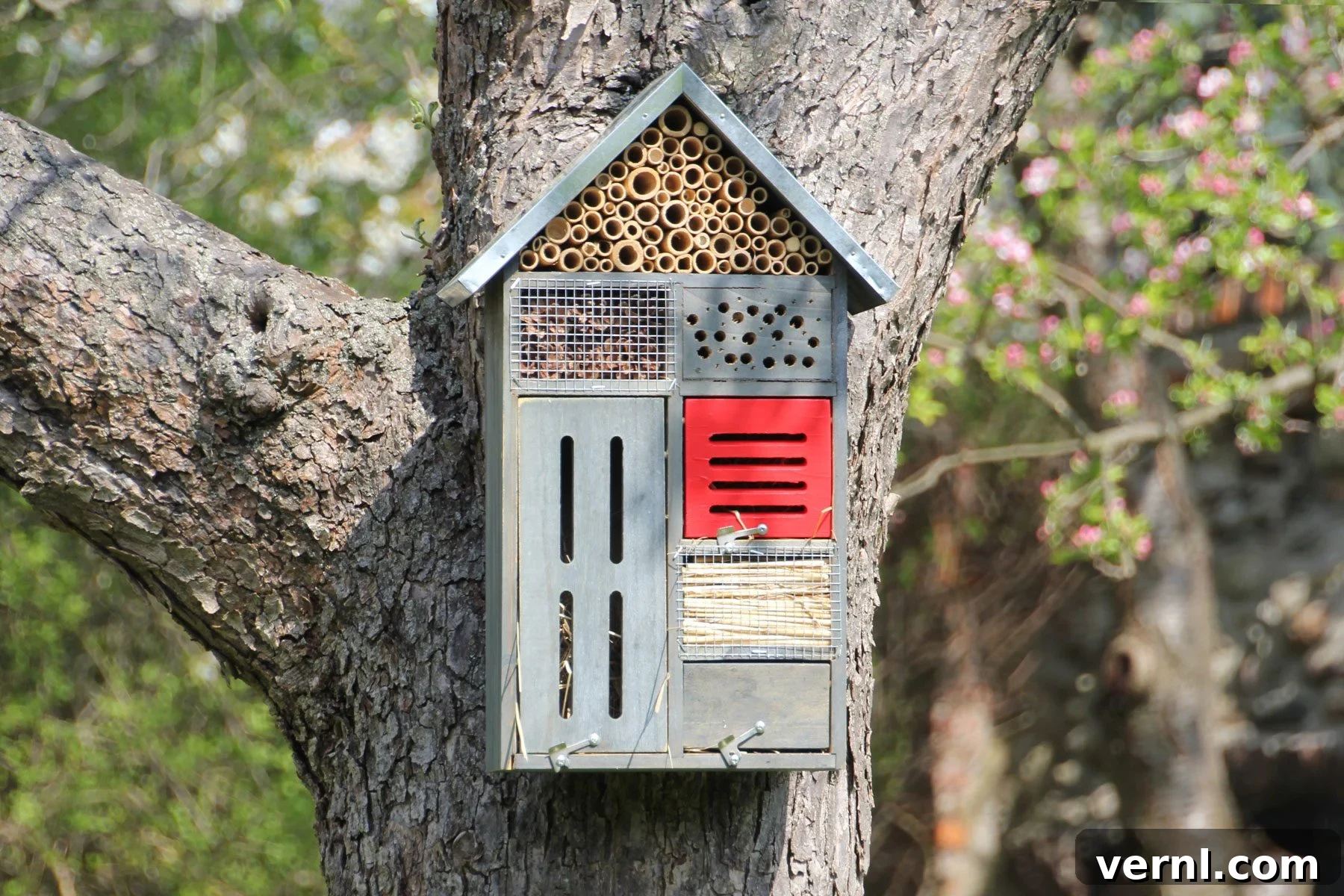
At its core, an insect house – often interchangeably called a bug hotel, bee house, or even butterfly house – is a man-made structure designed to provide crucial shelter, nesting sites, and overwintering locations for a variety of beneficial insects. These structures are typically crafted from natural, sustainable materials, most commonly wood, and are installed in gardens, yards, and other green spaces. They usually feature various compartments or chambers filled with natural materials such as bamboo tubes, hollow plant stems, pine cones, straw, drilled wood blocks, or even terracotta pieces. The goal is to mimic the diverse natural nooks and crannies that insects seek out in undisturbed environments, offering them a safe haven from predators and harsh weather conditions.
Universal Best Practices for Effective Insect House Utilization
While different insect species have distinct requirements, a set of universal guidelines can significantly enhance the success and safety of any insect house or bug hotel. Adhering to these tips will help ensure your efforts truly benefit the insects you aim to support:
- Strategically Disperse Houses: Instead of clustering multiple houses in one spot, spread them out across your landscape. This mimics natural insect dispersal patterns and helps to mitigate the spread of parasites and diseases, preventing an unhealthy concentration of pests in one area.
- Ensure Adequate Spacing and Ventilation: Overcrowding is detrimental. Design or choose houses with sufficient space between nesting materials and compartments to allow for proper airflow. Good ventilation is crucial to prevent the buildup of mold and fungus, which can harm developing larvae and adult insects.
- Prioritize Natural and Breathable Materials: Always steer clear of materials that are glued together, as the adhesives can contain toxic chemicals harmful to insects. Similarly, avoid non-natural materials like solid metal or plastic. These materials are not breathable, trap moisture, and can create an environment conducive to mold and fungal growth, leading to disease. Opt for untreated wood, bamboo, hollow stems, and natural fibers.
- Optimal Placement Near Flora: Position your insect houses close to a diversity of flowering plants, which serve as essential food sources (nectar and pollen) for many beneficial insects. Ensure the houses are protected from the harshest elements like strong winds and torrential rain, but crucially, maintain adequate airflow to prevent humidity and potential fungal issues.
- Cultivate a Native Plant Garden: The most significant contribution you can make to insect health, even beyond an insect house, is planting a wide variety of native plants in your yard. Native flora provides the specific food sources (nectar, pollen, host plants for larvae) and habitat that local insects have evolved to depend on, forming the foundation of a healthy ecosystem.
- Eliminate Pesticides: It should go without saying, but never use synthetic pesticides, herbicides, or insecticides in your yard. These chemicals are indiscriminate, killing beneficial insects alongside pests, and can negate all your efforts to create a safe haven. Embrace organic gardening practices instead.
- Strategic Height and Predator Protection: Place houses typically three to six feet off the ground. This height helps protect insects from ground-dwelling predators like ants and rodents. Furthermore, position houses away from active bird feeders and ponds, as these areas tend to attract birds and amphibians which, while beneficial in their own right, are natural predators of insects.
- Ideal Orientation for Sunlight: Face your insect houses predominantly south or southeast. This orientation allows for crucial morning sunlight, which helps warm the structures and activates insects, while providing welcome afternoon shade to prevent overheating during the hottest parts of the day.
Understanding Bee Houses: Specifics for Solitary Pollinators
Bee houses are specialized artificial nests designed primarily for solitary bee species, such as mason bees and leafcutter bees. Unlike honeybees, solitary bees do not live in colonies, produce honey, or aggressively defend a hive; instead, each female bee builds her own nest. These houses typically consist of wooden boxes filled with pre-drilled holes or replaceable paper/bamboo tube inserts of specific diameters. In the late spring and summer, female bees lay their eggs within these tunnels, provision each egg with a ball of pollen and nectar for the developing larva to eat, and then seal off the individual cells with mud or leaves, depending on the species.
These structures are highly effective when designed correctly because they expertly mimic the natural conditions these tunnel-nesting bees seek out in the wild. Jennifer Hopwood, a senior pollinator conservation specialist with the Xerces Society for Invertebrate Conservation, explains, “In the wild, tunnel-nesting bees will seek out hollow or pithy stems, abandoned beetle burrows in dead wood, or other existing tunnel cavities. Bee houses provide a direct substitute for these increasingly scarce natural nesting sites.”
How to Maximize the Effectiveness and Safety of Bee Houses
While bee houses can be incredibly beneficial, it’s crucial to implement them thoughtfully to support native species and minimize potential risks. Jennifer Hopwood notes a significant concern: “Bee houses, particularly poorly designed ones, tend to disproportionately support introduced bee species, rather than the native ones most in need of conservation.” Furthermore, poorly maintained bee houses can inadvertently increase rates of parasitism and disease transmission due to concentrated populations. To make your bee houses as safe and welcoming as possible for native pollinators, follow these essential guidelines:
- Keep Bee Hotels Small and Manageable: Opt for smaller bee hotels with only four to six entrances or a limited number of nesting tubes. Larger, multi-compartment hotels can attract too many bees to one location, increasing the risk of disease spread and attracting parasitic wasps or mites that specifically target bee larvae. Smaller units are easier to clean and manage.
- Annual Replacement and Cleaning are Critical: One of the most important aspects of responsible bee house management is replacing the internal nesting materials (like paper tubes or bamboo inserts) every single growing season. After the bees have emerged in the spring, carefully remove the old nesting materials and clean the entire house with a brush and water to remove any residual parasites, pathogens, or fungal spores. This interruption of parasite lifecycles is vital for bee health.
- Timely Installation: Install your bee houses in early spring, typically around March or April, before native bees emerge from their cocoons and become active. This provides them with immediate nesting opportunities as they begin their foraging and reproductive cycle.
- Precise Tube Dimensions: The size of the nesting tunnels is paramount. Use tubes or drilled holes that are approximately six inches long, with precise internal diameters ranging between 0.125 and 0.375 inches (3.2 to 9.5 mm). This range accommodates the majority of native solitary bees. “Many manufacturers use bamboo that is not the correct size for native bees,” warns Dr. Garcia Bulle Bueno. “If the opening for the bees is too large, they will not use it, or worse, you will most likely have wasps or other non-target species nesting in the house, potentially outcompeting or preying on native bees.”
Do Bee Houses Truly Work?
Yes, unequivocally, when installed and maintained correctly, bee houses are highly effective. Mary Phillips, who leads the National Wildlife Federation’s Garden for Wildlife and Certified Wildlife Habitat programs, confirms their utility: “Many solitary bee species lack the ability to excavate their own nesting tunnels, and natural nesting sites are becoming increasingly scarce. In such circumstances, bees readily utilize these well-designed houses as vital replacements for their natural homes. They are a tangible way to support these critical pollinators.”
Demystifying Butterfly Houses: Fact vs. Fiction
Butterfly houses are typically distinctive wooden boxes characterized by narrow, vertical slits. They are often marketed as shelters designed to offer butterflies a safe place to hibernate during winter or to seek refuge from adverse weather conditions like storms. The intended target species for these structures are butterflies that overwinter as adults, such as the elegant mourning cloaks and the intriguing question mark butterflies, rather than those that overwinter as eggs, larvae, or pupae.
Do Butterfly Houses Actually Work?
Regrettably, the scientific consensus suggests that butterfly houses are usually ineffective. Jennifer Hopwood plainly states, “There isn’t compelling evidence that butterflies consistently use these structures for their intended purpose.” Furthermore, these houses can unintentionally create additional challenges for butterfly survival. “Butterfly houses may inadvertently increase predator pressure on butterfly populations,” Hopwood adds. This occurs because the narrow slits and enclosed spaces can also attract a range of predators, including ants, spiders, and wasps, all of which are natural enemies of caterpillars and adult butterflies, turning a supposed sanctuary into a potential trap.
Effective Strategies to Support and Attract Butterflies
Rather than relying on largely ineffective butterfly houses, the most successful approach to attracting and supporting butterflies in your backyard involves creating a holistic, thriving pollinator garden. Mary Phillips emphasizes this point: “It is far more effective to stock your garden with a rich diversity of native plants, meticulously chosen to include both crucial host plants for butterfly larvae and abundant nectar sources for adult butterflies.”
Beyond plants, consider these additional elements:
- Provide Basking Spots: Add a flat, dark-colored rock or stone in a sunny location. Butterflies are cold-blooded and need to warm up in the sun to become active. A warm rock provides an ideal basking spot.
- Create a Puddling Area: Butterflies don’t just need nectar; they also require hydration and essential minerals. Create a ‘puddling spot’ by partially burying a shallow dish or saucer in damp sand or soil. Fill it with a little water and add some pebbles or small stones for butterflies to perch on while they sip mineral-rich water.
- If You Insist on a House, Maintain It Rigorously: Should you still wish to experiment with a butterfly house, Dr. Garcia Bulle Bueno stresses the critical importance of regular and thorough cleaning. This involves frequently removing any unwanted insects (like spiders or wasps) and accumulated debris to ensure the structure doesn’t become a hazard rather than a help.
The Versatility of Insect Hotels: A Haven for Diverse Bugs
Insect hotels, sometimes referred to broadly as bug hotels, represent a more general category of fabricated shelters designed to support a wider array of beneficial insect species beyond just bees and butterflies. These multifaceted hotels can be purchased commercially or creatively made as DIY projects, offering valuable accommodation for solitary wasps (which are beneficial predators, not aggressive stingers like yellow jackets), lacewings, lady beetles (ladybugs), spiders, earwigs, and ground beetles, among others. Insect hotels come in various shapes and sizes, often incorporating different materials and compartments to appeal to multiple species. Ideally, they should include a protective roof or overhang to shield residents from rain. They are typically constructed from a rich assortment of natural and often recycled materials, such as untreated wood blocks with drilled holes, hollow bamboo canes, straw, pine cones, terracotta pieces, cardboard rolls, stones, and pieces of bark, creating a varied texture and environment.
Do Insect Hotels Deliver on Their Promise?
Yes, when thoughtfully designed, correctly installed, and properly maintained, insect hotels are highly effective in supporting local biodiversity. Mary Phillips confirms their value: “Having a well-constructed bug hotel in your landscape can provide invaluable nesting sites, safe hibernation spots, and overwintering shelter for a diverse range of beneficial insects. This directly contributes to increased biodiversity, enhances natural pest control within your garden, and supports vital pollination services.”
Beyond their direct ecological benefits, insect hotels also serve as excellent tools for citizen science initiatives. Phillips highlights this aspect: “Bug hotels are especially good for collecting crucial citizen science data about local insect populations. Platforms like iNaturalist allow individuals to document the species using their hotels, contributing valuable data to scientists tracking insect health and distribution, empowering anyone to become a conservationist.”
Maximizing the Effectiveness of Your Insect Hotel
To ensure your insect hotel truly becomes a bustling hub of activity and an ecological asset, careful planning is key. “Bug hotels can be highly successful in attracting different species if they’re placed in a proper location and tailored to local needs,” explains Phillips. To achieve the best results:
- Follow General Guidelines: Adhere to the universal tips outlined earlier in this article, covering aspects like sun exposure (south/southeast facing for morning sun), protection from elements, placement away from predators, and avoiding pesticides.
- Research Local Native Insects: The most effective approach is to research the specific needs of beneficial native insects in your region. What nesting materials do they prefer? What size tunnels do they use? Understanding these details allows you to customize your hotel with the most appealing and appropriate materials and designs.
- Diversity of Materials: Offer a variety of material types and hole sizes to attract a wider range of species. Include drilled wood, bamboo tubes, bundles of hollow stems, pine cones, and straw to cater to different preferences.
- Maintenance is Key: Like bee houses, insect hotels require occasional maintenance. Check for damage, clean out old materials that might harbor parasites (especially for specific chambers like bee tubes), and replace worn-out elements to keep it fresh and inviting.
Beyond the House: Cultivating a Thriving Ecosystem
While installing insect houses and bug hotels is an excellent step towards supporting local insect populations, it’s important to view them as just one component of a broader, holistic strategy for creating a truly thriving wildlife habitat. A well-placed insect house will only reach its full potential when integrated into an environment rich with other vital resources.
- Embrace Native Plant Gardening: As repeatedly emphasized, native plants are the cornerstone of any effective wildlife garden. They provide the precise food sources (nectar, pollen, seeds, fruits) and host plants that local insects have co-evolved with, forming an unbreakable ecological bond. A diverse array of native plants ensures continuous bloom cycles, offering sustenance throughout the seasons.
- Eliminate Chemical Use: The single most impactful action you can take to protect beneficial insects is to completely cease the use of all synthetic pesticides, herbicides, and fungicides. These chemicals indiscriminately kill insects, disrupt delicate food webs, and contaminate soil and water. Embrace organic pest control methods and learn to tolerate a certain level of natural imperfection in your garden.
- Provide Water Sources: Just like all living creatures, insects need water. Shallow dishes with pebbles for perching, bird baths, or even damp spots in the garden can provide essential hydration. Ensure water sources are refreshed regularly to prevent mosquito breeding.
- Leave Natural Debris: Many beneficial insects and other wildlife rely on leaf litter, fallen logs, brush piles, and standing dead plant stalks for shelter, nesting, and overwintering. Instead of meticulously cleaning up your garden, consider leaving some areas wild and undisturbed, particularly during the colder months. This provides crucial cover and insulation.
- Create Diverse Microhabitats: Think about layers in your garden – ground cover, small shrubs, medium-sized plants, and taller trees. This stratification offers varied microclimates and habitats, supporting a greater diversity of insect species with different needs. Incorporate sunny and shady spots, dry and moist areas, to cater to a wider array of life.
By combining well-chosen and properly maintained insect houses with these broader habitat creation strategies, you’re not just putting up a structure; you’re actively participating in the restoration and celebration of your local ecosystem. Every small action contributes to a larger impact, making your garden a vibrant sanctuary for the incredible world of insects.
Conclusion: Empowering Your Garden’s Insect Life
The journey to supporting our invaluable insect populations is both rewarding and crucial for the health of our planet. From childhood wonder to adult advocacy, our relationship with these tiny creatures evolves, revealing their profound impact on our shared environment. As we’ve explored, well-designed and conscientiously managed insect houses, bee hotels, and bug hotels offer tangible solutions to the pressing issue of habitat loss, providing vital nesting and shelter for beneficial species.
While the allure of a butterfly house might be strong, understanding its limitations and prioritizing native plantings for nectar and host sources is key to truly supporting our winged beauties. For solitary bees and a myriad of other beneficial insects, carefully constructed and regularly cleaned shelters can make a significant difference, boosting pollination services and natural pest control in your garden. Remember that the success of any insect home hinges on adhering to best practices, from strategic placement and material selection to rigorous hygiene.
Ultimately, an insect house is a powerful tool when integrated into a larger vision of ecological stewardship. By cultivating a pesticide-free environment, planting a diverse array of native flora, providing water sources, and allowing for natural decomposition, you transform your backyard into a thriving ecosystem. Your efforts not only create a haven for local wildlife but also connect you more deeply with the intricate rhythms of nature, making a lasting contribution to biodiversity. Start building your bug-friendly sanctuary today, and watch your garden truly come alive with the buzz of vital insect life.