Understanding Common Furnace Smells: Your Guide to a Safe and Efficient Home
Your home’s heating system is a vital component for comfort, especially during colder months. While furnaces are generally reliable, they sometimes communicate through distinct odors that can range from harmless to dangerously critical. Recognizing these smells and understanding their implications is an essential skill for every homeowner. Ignoring unusual furnace odors could lead to escalating repair costs, diminished comfort, or, in severe cases, pose serious safety risks to your household.
This comprehensive guide delves into the most common furnace smells, providing you with detailed insights into what each odor signifies, the potential dangers it represents, and the immediate steps you should take. Whether it’s the familiar scent of burning dust at the start of the season or the alarming stench of rotten eggs, being informed will empower you to react appropriately, ensuring the safety and efficiency of your home’s heating system.
Decoding the Musty Furnace Smell: A Warning of Mold or Mildew
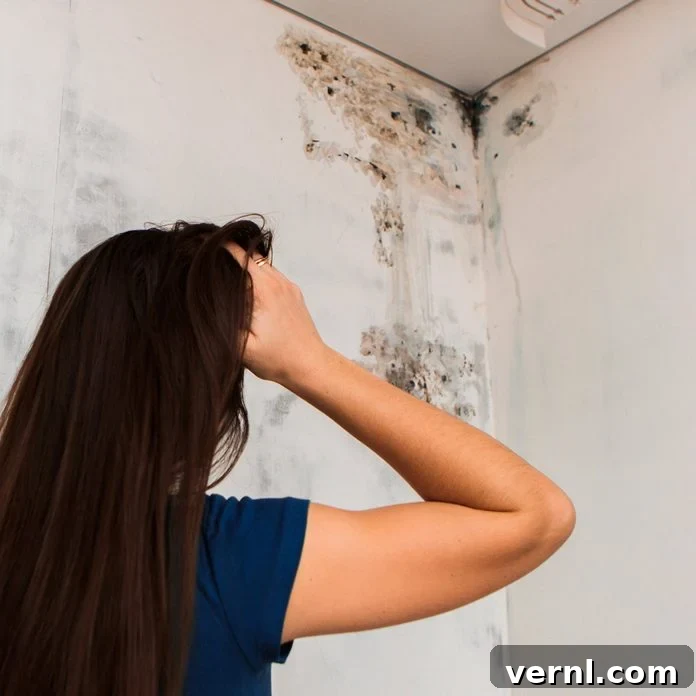
As the heating season begins and you activate your furnace after months of dormancy, a musty odor can often permeate your living space. This particular smell, reminiscent of damp earth, old books, or stale water, is a strong indicator of mold or mildew growth within your HVAC system. The most frequent culprits are either the ductwork, where moisture can settle and accumulate during warmer, humid periods, or the air conditioning (A/C) evaporator coil, which is typically mounted above your furnace. The coil’s function during cooling cycles inherently involves condensation, creating a damp environment ripe for fungal proliferation.
While a musty smell might not signal an immediate threat of furnace malfunction, it points to an issue that can significantly degrade your indoor air quality. Mold and mildew spores, once airborne, can trigger or exacerbate allergies, asthma, and other respiratory conditions, especially in sensitive individuals. Prolonged exposure can also lead to more widespread mold contamination within your home, making remediation efforts more extensive and costly.
Immediate Actions and Professional Solutions:
- Professional HVAC Inspection: The first and most critical step is to schedule a comprehensive inspection with a certified HVAC technician. They possess the expertise and tools to accurately locate the source of the mold.
- A/C Coil Examination: The technician will meticulously examine the A/C coil for visible mold growth. If detected, specialized cleaning methods are required to safely and effectively remove the mold without damaging the coil or spreading spores.
- Ductwork Cleaning: If the A/C coil is clean or has been cleaned, but the musty smell persists, the focus will shift to your ductwork. Professional duct cleaning services are equipped to remove accumulated mold, dust, and other biological contaminants, thereby restoring healthy indoor air circulation and eradicating the odor.
To prevent future occurrences, consider maintaining optimal indoor humidity levels (typically between 30-50%), ensuring proper ventilation, and scheduling regular HVAC maintenance, which includes cleaning the A/C coil and inspecting ductwork for moisture issues.
The Dangerous Rotten Egg or Sewer Gas Smell: A Critical Carbon Monoxide Alert
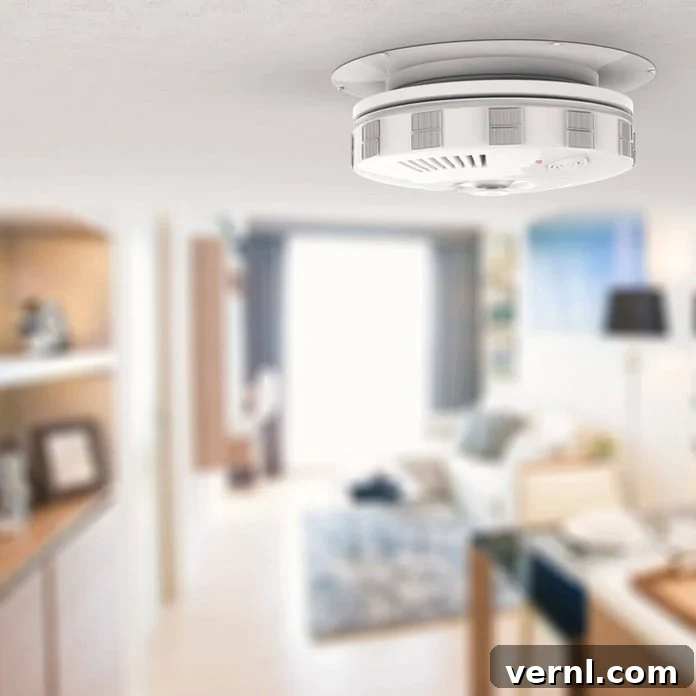
Among all furnace odors, the smell of rotten eggs or distinct sewer gas is arguably the most alarming and demands immediate, unequivocal action. This pungent, sulfurous odor is typically caused by mercaptan, an additive that utility companies introduce to natural gas to make leaks detectable. While a direct gas leak is a serious concern, when this smell emanates from your furnace, particularly if it’s a high-efficiency model, it often points to an even more sinister problem: a cracked or failed heat exchanger.
The heat exchanger is a crucial component that separates the combustion gases (containing carbon monoxide) from the breathable air circulated throughout your home. A crack, even a hairline one, compromises this barrier, allowing dangerous and potentially lethal carbon monoxide (CO) gas to infiltrate your indoor environment. Carbon monoxide is infamously known as “the silent killer” because it is completely odorless, colorless, and tasteless, making it impossible for humans to detect without specialized equipment. Exposure can lead to severe health issues, including nausea, dizziness, confusion, and eventually unconsciousness, brain damage, or death.
Immediate, Life-Saving Actions:
- Shut Off Your Furnace: Immediately turn off your furnace at the thermostat. If possible and safe, also switch off the gas supply valve to the furnace.
- Evacuate Your Home: Do not hesitate. Gather everyone, including pets, and evacuate your home immediately. Move to a safe outdoor location, away from the house.
- Contact Emergency Services: Once safely outside, call your natural gas provider and/or your local emergency services (e.g., 911 in the U.S.) without delay. Inform them of the smell and your suspicions of a gas leak or carbon monoxide presence.
- Do NOT Re-Enter: Under no circumstances should you re-enter your home until it has been thoroughly inspected and declared safe by emergency responders or a certified HVAC professional.
A failed heat exchanger is not a repairable item; it necessitates a complete furnace replacement to ensure safety. This critical incident underscores the paramount importance of having properly installed and regularly tested carbon monoxide detectors on every level of your home, especially near sleeping areas. These devices are your only reliable defense against this invisible threat.
The Common Dusty Furnace Smell: A Normal Seasonal Event
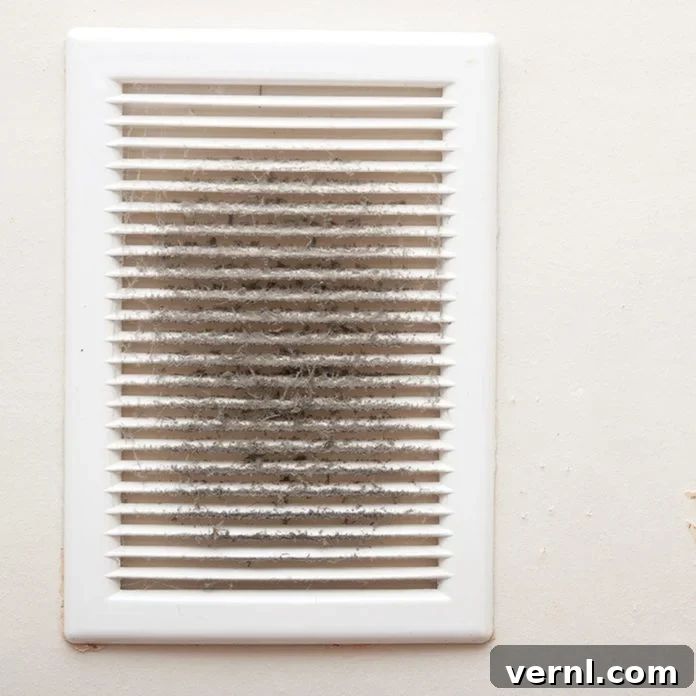
Of all the furnace odors you might encounter, the dusty smell is typically the least concerning and the most common, especially at the onset of the heating season. After lying dormant throughout the spring and summer months, your furnace naturally accumulates a layer of dust on its internal components, including the heat exchanger, burners, and blower motor.
When you switch your heating system on for the first time in the fall or after an extended period of inactivity, the heat generated by the furnace’s operation burns off these accumulated dust particles. This combustion process releases a distinctive, sometimes slightly acrid, but generally harmless “burning dust” smell. It’s similar to the aroma you might notice when turning on an old space heater or using an oven after a long break. Fortunately, this odor is usually transient; it typically dissipates within a few hours to a day as all the accumulated dust is consumed and the system cleans itself.
Simple Steps and Preventative Measures:
- Allow it to Dissipate: In most instances, no specific action is required. Simply allow your furnace to run; the smell should clear on its own within a short period.
- Inspect Your Air Filter: While the dusty smell is normal, it’s always a good practice to check your furnace’s air filter. A dirty or clogged filter can exacerbate the dusty odor and reduce airflow. Replacing a dirty filter can help minimize dust burning and improve overall furnace efficiency.
- Regular Filter Replacement: To minimize future dust accumulation and reduce the intensity and duration of this seasonal smell, commit to regularly replacing your furnace air filter every 1 to 3 months, or more frequently if you have pets or suffer from allergies.
If the dusty smell persists for more than 48 hours, or if it’s accompanied by other unusual symptoms such as strange noises, reduced heating performance, or visible smoke, it’s advisable to consult a professional HVAC technician for a closer inspection. For a simple home hack, you can even discover this furnace filter trick to help freshen the air throughout your home during the heating season.
The Urgent Burning Plastic Smell: Electrical Failure or Overheating Hazard
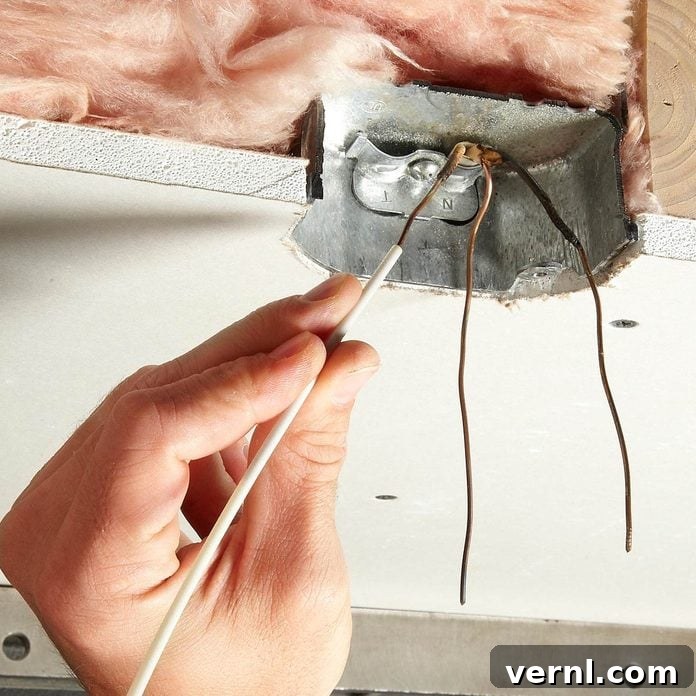
A smell resembling burning plastic, melting rubber, or hot electrical wiring emanating from your furnace is an unequivocal sign of an emergency that demands immediate attention. This distinct and alarming odor indicates that internal components within your furnace are overheating or short-circuiting, leading to the scorching or melting of electrical insulation, plastic parts, or wiring. Common causes for this dangerous smell include a failing blower fan motor, loose or frayed electrical connections, a malfunctioning circuit board, or even foreign objects (like plastic toys or insulation debris) that have entered the system and are making contact with hot components.
The risks associated with a burning plastic smell are severe. Overheating electrical components can rapidly escalate into a serious electrical fire, posing a grave threat to your home and its occupants. Beyond the fire hazard, continuous operation under these conditions will likely result in catastrophic damage to your furnace, transforming a potentially repairable issue into a need for an expensive and premature furnace replacement.
Immediate, Critical Actions:
- Cut All Power: Do NOT delay. Immediately turn off your furnace at the thermostat. More importantly, locate your home’s electrical panel and switch off the circuit breaker that supplies power to your furnace. This action completely de-energizes the unit, preventing further overheating and mitigating the fire risk.
- Do NOT Attempt to Operate: Under no circumstances should you attempt to restart or operate the furnace after detecting this smell.
- Contact a Professional HVAC Technician: As soon as power is cut, contact a certified HVAC technician for emergency service. Clearly describe the smell and the steps you have taken. A professional will be able to safely diagnose the exact cause of the overheating or electrical fault and recommend the necessary repairs or replacement parts.
Swift action is paramount when you detect a burning plastic smell. Prioritizing safety and professional intervention will protect your home from fire hazards and potentially extend the life of your heating system. Regular annual furnace maintenance can often identify and rectify such electrical issues before they become dangerous.
General Furnace Safety and Essential Carbon Monoxide Awareness
While specific smells offer critical clues, a broader understanding of furnace safety and the pervasive threat of carbon monoxide (CO) is indispensable for every homeowner. Proactive measures can prevent many furnace-related dangers.
- Install and Maintain CO Detectors: This is non-negotiable. Install high-quality carbon monoxide detectors on every level of your home, especially near sleeping areas and your furnace. Test them monthly, replace batteries annually, and replace the units themselves according to the manufacturer’s recommendations (typically every 5-7 years).
- Schedule Annual Professional Inspections: A yearly furnace tune-up by a qualified HVAC technician is your best defense against hidden dangers. These inspections are crucial for identifying potential issues like a cracked heat exchanger, gas leaks, or electrical faults before they become hazardous.
- Ensure Proper Ventilation: Never block furnace intake or exhaust vents. Ensure that all heating vents and return air registers inside your home are unobstructed by furniture, rugs, or drapes to maintain proper airflow and prevent overheating or CO buildup.
- Clear External Exhaust Vents: Regularly check that your furnace’s external exhaust vents (often on the side or roof of your house) are free from obstructions such as snow, ice, leaves, or bird nests. Blocked exhaust vents can lead to dangerous carbon monoxide accumulation indoors.
- Keep the Area Around the Furnace Clear: Maintain at least 3 feet of clearance around your furnace. Avoid storing flammable materials, chemicals, or debris near the unit, which could pose a fire hazard.
By integrating these general safety practices with your knowledge of furnace odors, you create a robust defense system, ensuring your home remains a safe and comfortable haven throughout the heating season.
When to Consider a Furnace Replacement: Repair vs. Invest
Deciding whether to repair an ailing furnace or invest in a brand-new unit is a common dilemma for homeowners, requiring a balance between immediate costs, long-term savings, and desired comfort levels. Modern furnaces are built to last, with an average lifespan of 15 to 20 years, provided they receive consistent, professional maintenance. However, as a furnace approaches the end of this lifecycle, it inevitably becomes less efficient, more prone to breakdowns, and may require increasingly frequent and expensive repairs.
A widely adopted “rule of thumb” in the heating, ventilation, and air conditioning (HVAC) industry suggests that if the cost of a single furnace repair exceeds 20 percent of the cost of a new, comparable furnace unit, it is generally more financially sensible to opt for replacement. This guideline helps homeowners make an informed decision, especially when faced with significant component failures such as a cracked heat exchanger, a failing main circuit board, or a completely seized blower motor. These types of repairs are often prohibitively expensive and do not guarantee the longevity or efficiency of an aging system.
Compelling Benefits of Upgrading Your Furnace:
- Significant Energy Efficiency Gains: Newer furnace models boast substantially higher AFUE (Annual Fuel Utilization Efficiency) ratings. This means they convert a much larger percentage of fuel into usable heat, significantly reducing energy waste and translating into noticeable savings on your monthly utility bills.
- Enhanced Reliability and Peace of Mind: A new furnace comes with a comprehensive manufacturer’s warranty and the assurance of fewer unexpected breakdowns, providing consistent warmth and comfort during the coldest periods.
- Improved Indoor Air Quality: Many modern furnaces integrate advanced filtration systems and are designed to work seamlessly with sophisticated air purification technologies, contributing to a healthier living environment by reducing allergens and pollutants.
- Superior Comfort and Quieter Operation: Features like variable-speed blowers and multi-stage heating allow for more precise temperature control, eliminating hot and cold spots, and delivering heat more quietly and evenly throughout your home.
- Reduced Environmental Impact: More efficient heating systems consume less fossil fuel, thereby lowering your home’s carbon footprint and contributing to environmental sustainability.
Beyond the 20% repair cost rule, consider the frequency of repairs. If your furnace requires multiple repairs every heating season, or if you’re frequently calling technicians, it’s a clear signal that the unit is nearing the end of its useful life. Consulting with a trusted HVAC professional can provide a detailed assessment of your current furnace’s condition and help you explore the most suitable replacement options tailored to your home’s needs and your budget.
Essential Furnace Maintenance and Common Solutions
Proactive and consistent maintenance is the bedrock of a long-lasting, efficient, and safe heating system. Neglecting routine care can lead to avoidable breakdowns, diminished performance, and ultimately, expensive emergency repairs. While certain tasks unequivocally require professional expertise, understanding fundamental maintenance practices and recognizing simple fixes can empower homeowners to keep their furnace running smoothly.
Key Maintenance Practices for Homeowners:
- Regular Air Filter Replacement: This is arguably the simplest yet most impactful maintenance task. A dirty or clogged air filter severely restricts airflow, forcing your furnace to work harder, consuming more energy, and accelerating wear and tear on components. Inspect your filter monthly and replace it every 1 to 3 months, or more frequently if you have pets, live in a dusty environment, or have family members with allergies.
- Annual Professional Tune-Up: Schedule a yearly furnace tune-up with a certified HVAC technician, ideally before the heating season begins. This comprehensive service typically includes cleaning internal components, lubricating moving parts, tightening electrical connections, testing safety controls, calibrating the thermostat, and inspecting the heat exchanger. An annual tune-up can identify minor issues before they become major problems, ensure optimal performance, and often validates your furnace’s warranty.
- Maintain Clear Surroundings: Ensure there is adequate clear space (at least three feet) around your furnace unit. This allows for proper airflow, prevents fire hazards, and provides technicians with easy access for service. Avoid storing any flammable materials, chemicals, or debris in the immediate vicinity of the furnace.
- Keep Vents and Registers Unobstructed: Periodically check that all supply and return air vents throughout your home are open and not blocked by furniture, rugs, or drapes. Blocked vents can disrupt the balance of your ductwork system, leading to inefficient heating and potential strain on your furnace.
Addressing Common Minor Issues:
While complex issues always warrant professional attention, some minor problems can often be identified and sometimes resolved by a handy homeowner:
- Furnace Not Working or Blowing Cold Air: Before panicking, check the simplest solutions first. Ensure the thermostat is set to “Heat” and the temperature is above the current room temperature. Check your circuit breaker panel for a tripped breaker associated with the furnace. A severely clogged air filter can also cause your furnace to shut down or blow cold air due to overheating.
- Pilot Light Issues (for older furnaces): If your older furnace’s pilot light goes out, refer to your owner’s manual for safe, step-by-step instructions on how to relight it. Always follow safety precautions.
- Furnace Leaking Water (High-Efficiency Models): For high-efficiency condensing furnaces, water leaks often indicate a clogged condensate drain line. This can sometimes be cleared by carefully using a wet/dry vacuum to suction out the clog, but if unsure, call a professional.
For any persistent problems, complex diagnostics, or if you feel uncomfortable performing a task, always prioritize calling a professional HVAC technician. Attempting repairs beyond your skill level can be dangerous and may inadvertently void your furnace’s warranty.
Further Resources for Comprehensive Furnace Care
To further empower you with knowledge and provide specific actionable steps for maintaining, troubleshooting, and understanding your furnace, we’ve curated a list of valuable resources:
- Signs Your Furnace Needs Repair
- Simple Fixes If Your Furnace Is Not Working
- What Is a Furnace Tune-Up?
- How DIY Furnace Maintenance Can Save a Repair Bill
- Why Is My Furnace Leaking Cold Water?
- Why Is My Furnace Blowing Cold Air?
- Boost Your Furnace Output With This Simple Trick
- Why Is the Furnace Drain Trap Full of Water?
- Why Did My Furnace Pilot Light Go Out and How Do I Relight It?
- How to Clean a Furnace Ignitor
Conclusion: Prioritizing Furnace Health for Uncompromised Home Safety and Comfort
The ability to interpret the various odors emanating from your furnace is an invaluable skill for any homeowner. Each smell, from the benign and transient scent of burning dust to the critical and potentially life-threatening aroma of rotten eggs or melting plastic, serves as a unique diagnostic signal about the underlying health and safety of your heating system. Prompt recognition and appropriate, decisive action are paramount to preventing minor issues from escalating into major, costly repairs or, more importantly, dangerous emergencies.
A consistent commitment to regular furnace maintenance, including annual professional tune-ups and diligent air filter replacements, is not just about extending your furnace’s lifespan and enhancing its efficiency; it’s a crucial preventative measure against many of these concerning odors and the problems they represent. Always ensure your home is equipped with functioning carbon monoxide detectors as a vital safeguard against unseen threats. When confronted with serious or persistent odors, never hesitate to seek professional HVAC intervention. By remaining informed, vigilant, and proactive, you can ensure your furnace operates safely, efficiently, and reliably, providing consistent warmth and peace of mind for your family throughout the heating season.