
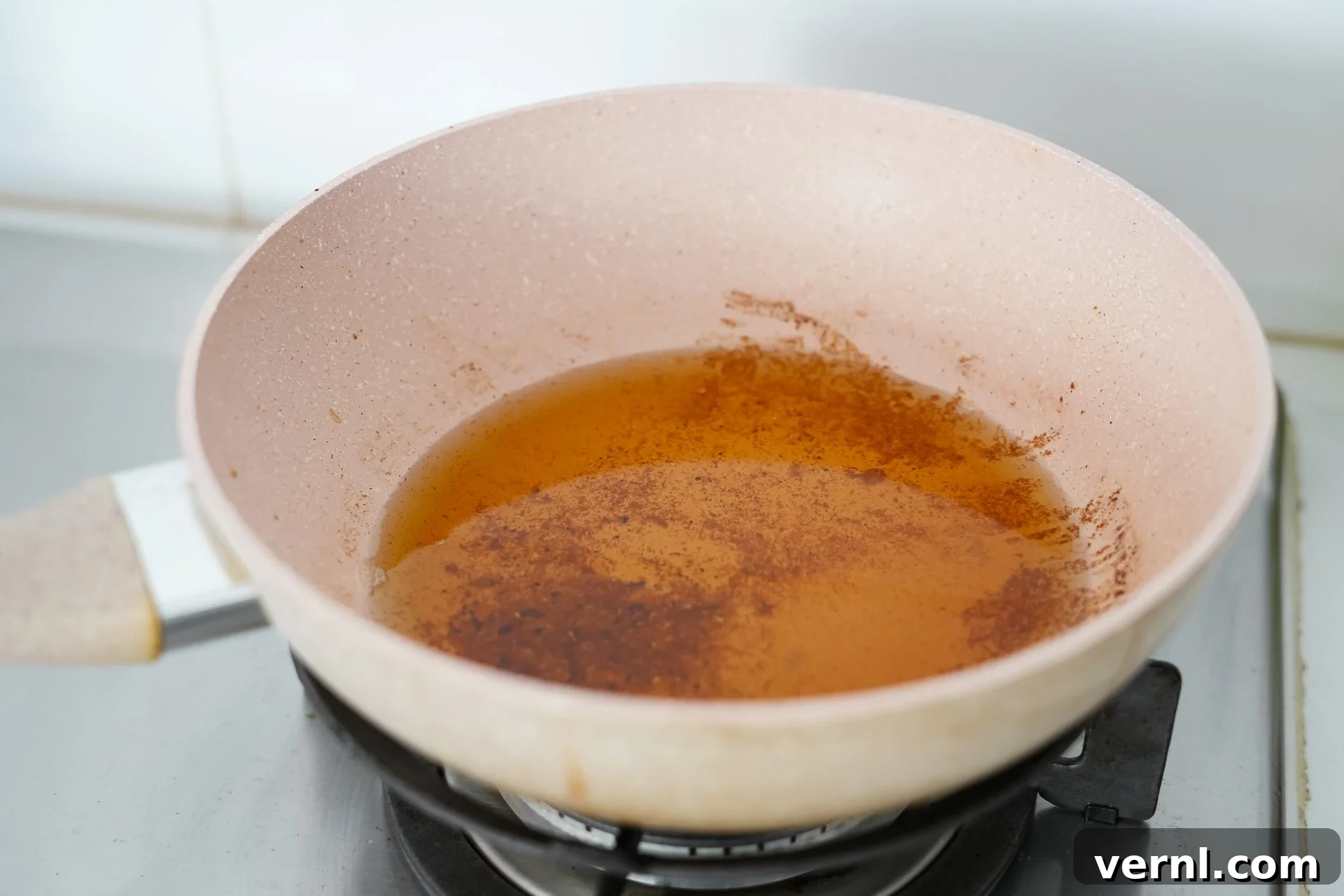
We’ve all been there: after cooking a delicious meal involving frying, like crispy chile rellenos, succulent fried chicken, or even just some savory bacon, you’re left with a pan or deep fryer full of spent cooking oil. The immediate, almost instinctive urge might be to simply pour this liquid waste down the kitchen sink. This temptation is especially strong when you don’t have an easily accessible junk can or jar readily available for disposal. However, succumbing to this urge carries significant, often unseen, consequences for your home’s plumbing, the wider environment, and even your city’s infrastructure.
While used cooking oil may not possess the immediate acute toxicity of substances like motor oil or gasoline, its improper disposal causes a surprising amount of damage. It contributes to costly municipal sewer cleaning operations, draining millions of dollars from city budgets annually. More critically, it can lead to devastating clogs in your own pipes and pollute natural waterways.
“Used cooking oil never vanishes down a drain; it congeals like cholesterol,” warns Jorge Argota, a seasoned cooking oil recycler and co-founder of Grease Connections. “Whatever the volume, it invites clogs, rancid odors, and basement backups for you and everyone downhill. Even a small amount can contribute to a much larger problem over time, building up layers that harden and restrict flow.”
Whether you’re dealing with just a few tablespoons of pan drippings or several gallons from a holiday turkey fryer, understanding and implementing the correct procedures for cooking oil disposal is not just a recommendation—it’s an essential practice for maintaining a healthy home, ensuring efficient public services, and protecting our planet. This comprehensive guide will walk you through the safest, most responsible, and eco-friendly ways to handle your used cooking oil, ensuring you’re doing your part to prevent costly damage and environmental harm.
Why Proper Cooking Oil Disposal Is Crucial: Protecting Your Home, Environment, and Community
The seemingly innocent act of pouring cooking oil down the drain initiates a domino effect of negative repercussions that stretch far beyond your kitchen sink. It’s a critical issue with multifaceted implications for your plumbing, public health, the environment, and even your local tax dollars. Let’s delve into why responsible disposal of fats, oils, and greases (FOGs) is absolutely vital for every household.
1. Preventing Costly Plumbing Nightmares and Persistent Drain Clogs
The primary and most immediate consequence of pouring hot oil down the drain is the creation of stubborn clogs. While hot oil flows freely, it quickly cools as it travels through your plumbing system. As it cools, cooking oil solidifies and adheres to the interior surfaces of your pipes. This sticky, greasy residue then acts as a formidable trap, catching other flushed debris such as food particles, soap scum, and hair. Over time, these layers accumulate, gradually narrowing the pipe’s diameter until a complete blockage occurs.
“Even small amounts poured down the drain can cause big problems,” emphasizes recipe developer Marissa Stevens. “Over time, that can lead to clogs you can’t see until they cause damage, often resulting in expensive repairs, foul odors, or even sewage backups into your home.” These blockages don’t just affect your personal drains; they extend into the larger municipal sewer lines, contributing to the formation of massive “fatbergs.” These are monstrous conglomerations of congealed fats, oils, greases, and non-biodegradable items like wet wipes. Fatbergs can completely obstruct sewer pipes, leading to widespread sewage backups into homes and businesses, burst pipes, and costly emergency repairs that disrupt entire neighborhoods and pose significant health hazards.
2. Safeguarding Our Environment and Precious Waterways
Beyond the immediate plumbing woes, improperly disposed cooking oil poses a severe and insidious threat to our natural environment and water resources. When FOGs clog municipal sewer systems, they frequently lead to sewer overflows, especially during heavy rainfall. These overflows release raw, untreated sewage, including the oil, directly into rivers, lakes, streams, and oceans. This contamination has devastating effects on aquatic ecosystems.
Oil floating on the surface of water prevents oxygen from reaching aquatic plants and animals, effectively suffocating them. It can coat the fur of mammals and the feathers of birds, impairing their ability to move, regulate body temperature, or even breathe. Fish and other marine life can ingest oil, leading to internal organ damage and death. Furthermore, oil that seeps into the soil from landfills or spills can contaminate groundwater, impacting drinking water sources. Wastewater treatment plants are designed to handle biodegradable waste, but they struggle to efficiently process large quantities of fats, oils, and greases, making their removal a challenging, energy-intensive, and often incomplete task. By properly disposing of your cooking oil, you play a crucial role in protecting our planet’s delicate balance and preserving clean, healthy water for all living things.
3. Reducing Municipal Costs and Protecting Public Infrastructure
The financial burden associated with managing and mitigating the damage from improper cooking oil disposal is astronomical. Cities and towns across the globe spend millions of dollars annually to inspect, clean, and repair sewer systems ravaged by FOGs. This constant battle against fatbergs and persistent blockages diverts funds that could be used for other vital public services. Ultimately, these significant costs are borne by taxpayers through increased utility bills, municipal fees, and higher taxes.
Frequent blockages and corrosive conditions created by FOGs can also compromise the structural integrity of sewer pipes, leading to their premature deterioration and the necessity for prohibitively expensive replacement projects. Investing in preventative measures, such as comprehensive public education on proper disposal methods, is far more cost-effective and sustainable than endless, reactive maintenance and emergency repairs. By understanding and adhering to proper disposal methods, every household contributes directly to the longevity, efficiency, and cleanliness of public infrastructure, ensuring a reliable and sanitary wastewater system for the entire community.
Understanding FOGs: Local Laws & Regulations on Cooking Oil Disposal
Given the extensive damage, health risks, and substantial financial strain that improperly disposed fats, oils, and greases (FOGs) inflict upon urban sewer systems, most municipalities have established specific ordinances and regulations to govern their disposal. These “FOGs ordinances” are far more than mere suggestions; they are legally binding rules designed to protect public health, critical infrastructure, and the environment from the pervasive problems caused by cooking oil waste. While these regulations are often more stringent for commercial establishments like restaurants (which are typically required to install and maintain grease traps), many also apply to residential practices, particularly when dealing with larger quantities of oil.
It is absolutely crucial for homeowners to be aware of and comply with their local FOGs regulations. Violations can sometimes lead to significant fines, penalties, or even liability for damage caused by blockages originating from one’s property. To find out about the specific FOGs ordinances and recommended disposal practices in your area, consider the following reliable methods:
- Online Search: The quickest and often most comprehensive way to find information is through an internet search. Use specific terms combining your city or county name with phrases like “FOG ordinance,” “grease disposal guidelines,” “cooking oil recycling program,” or “wastewater management rules.” These searches will typically lead you directly to relevant information on your local government’s official website, often within the public works, environmental services, or waste management sections.
- Call 311: In many cities across North America, 311 serves as a non-emergency hotline for municipal services and information. Calling 311 and asking to speak with the local public works department or waste management division can connect you directly to knowledgeable experts who can provide precise, up-to-date guidance on cooking oil disposal specific to your area. They can also often point you to relevant online resources or physical drop-off locations.
- Contact Your City or County Recycling/Solid Waste Department: These departments are often the primary resources for all waste-related inquiries, including specialized items like used cooking oil. Check their official website for detailed guidelines, comprehensive frequently asked questions (FAQs), and specific information on local recycling programs, permanent drop-off centers, or seasonal collection events for FOGs. Many publish accessible brochures or online guides specifically addressing proper FOGs management.
Being informed about your local regulations not only helps you avoid potential penalties and costly plumbing issues but also empowers you to be a more responsible and engaged resident, contributing positively to your community’s overall health, environmental sustainability, and the long-term integrity of its infrastructure.
Practical Steps: How To Dispose of Cooking Oil Safely and Responsibly at Home
Disposing of used cooking oil doesn’t have to be a messy, complicated, or environmentally harmful task. By adhering to a few simple, common-sense steps, you can ensure that you’re handling this kitchen waste safely, cleanly, and in an environmentally friendly manner, regardless of the quantity. “At home the rule is simple: cool, contain, recycle,” advises Jorge Argota, succinctly summarizing the three core principles of responsible cooking oil disposal.
1. For Small Quantities (e.g., less than half a cup, pan drippings, bacon grease):
For minor amounts of cooking oil, such as the residue left after frying an egg, sautéing a small batch of vegetables, or rendering bacon fat, direct disposal in the regular household trash is generally acceptable, provided it’s managed correctly and thoroughly absorbed. The most critical preliminary step here is to allow the oil to cool completely to room temperature, or ideally, until it solidifies. Never attempt to wipe or dispose of hot oil directly into the trash or down the drain.
Once cool, use absorbent materials like several layers of paper towels, old rags, or even newspaper to thoroughly wipe out the pan or skillet. These oil-soaked materials can then be securely placed into your regular household trash. This method is highly effective for minimizing mess and ensuring that no liquid oil accidentally makes its way into your drainage system.
To further reduce mess, prevent liquid oil from seeping through trash bags, and enhance absorbency, you can mix the cooled oil with an absorbent, solid material before disposal. Excellent options include:
- Baking Powder or Flour: Stir a generous amount into the cooled oil until it forms a thick, paste-like, and scoopable consistency.
- Kitty Litter: A small scoop of used kitty litter (if you have it) or fresh litter can absorb the oil very effectively and neutralize odors.
- Sawdust or Sand: If readily available from a hobby or workshop, these can also be mixed in to create a more solid mass.
- Commercial Oil Solidifiers: Products specifically engineered to convert liquid cooking oil into a solid, scoopable mass are available in most grocery stores or online. These offer a very convenient and clean solution for small to medium quantities.
Once solidified or thoroughly absorbed, the mixture can be safely scooped or placed into your trash can. Always ensure the oil is completely cool to prevent fires or the melting of plastic trash bags or containers.
2. For Medium Quantities (e.g., a few cups, from shallow frying or one-time use):
When you have a few cups of used cooking oil, perhaps from shallow frying chicken cutlets, making churros, or a single batch of French fries, it requires a more contained and deliberate disposal approach. As always, the first and most crucial step is to allow the oil to cool completely to room temperature. Pouring hot oil into plastic containers can cause them to melt, leading to dangerous leaks, burns, and a significant mess.
Once the oil is safely cooled, carefully transfer it into a sturdy, sealable container. Excellent choices for containing medium quantities include:
- Original Oil Jugs: If the oil is relatively clean and you plan to dispose of it, pouring it back into its original plastic container is often the most convenient option.
- Empty Plastic Milk Jugs or Cartons: Rinse them out thoroughly with cold water and ensure they are completely dry before pouring oil in. Their screw caps provide a secure seal.
- Glass Jars with Lids: Mason jars, old pickle jars, or jam jars work well and are robust. However, exercise caution not to expose glass to hot oil, as thermal shock can cause it to crack or break.
- Plastic Bottles with Screw Caps: Clean soft drink bottles or water bottles (ensuring they are thoroughly rinsed and dry) can also be used effectively.
“If the oil is still clean and has not reached its smoke point, I often strain and reuse it,” notes Marissa Stevens. Reusing cooking oil can be an economical and environmentally friendly practice, especially for deep frying. However, ensure the oil is properly filtered after each use to remove food particles, and be mindful of how many times it can be reused (typically 2-3 times for most home cooking, depending on what was fried) before it degrades. Even reused oil will eventually need to be properly disposed of.
Once the used oil is securely sealed within its container, place it into your regular household trash. This method effectively prevents spills, eliminates rancid odors, and deters pests from being attracted to your trash. Under no circumstances should you pour even these “medium” quantities down the drain – the cumulative effect is precisely what leads to severe plumbing issues.
3. For Large Quantities (e.g., deep fryer, turkey fryer, large batch frying, Dutch oven’s worth):
Disposing of significant volumes of cooking oil, such as what remains after deep-frying a holiday turkey, a large batch of homemade potato chips, or a substantial amount of fish, demands specialized attention and should ideally involve recycling or a designated waste disposal facility. These large quantities are generally unsuitable for regular household trash due to their volume and potential for leaks, even in sealed containers.
The process begins, as always, by allowing the oil to cool completely. For large volumes, this can take several hours, or even overnight, so plan your disposal accordingly. Never rush this step. Once the oil has reached room temperature or solidified, carefully strain it using a fine-mesh sieve or several layers of cheesecloth to remove any remaining food particles, sediment, or crumbs. This straining step is important whether you plan to reuse the oil or dispose of it, as food particles can accelerate degradation, cause odors, and attract pests in disposal containers.
Next, pour the strained oil back into its original sturdy plastic jug or into another robust, clearly labeled, and securely sealable container. Labeling the container as “Used Cooking Oil” is crucial for safety and clarity for waste handlers. This prepared container should then be taken to a specialized cooking oil recycler or a designated household hazardous waste (HHW) center. Many HHW facilities accept used cooking oil because, while not chemically “hazardous” in the same vein as corrosive chemicals, its improper disposal causes significant environmental and infrastructural damage, qualifying it for special handling.
Recycling used cooking oil is by far the most sustainable and responsible disposal option. Recyclers process this waste into valuable resources such as biofuels like biodiesel (a renewable and cleaner-burning alternative to fossil diesel), industrial lubricants, soaps, and other chemical products, contributing significantly to a circular economy and reducing reliance on virgin resources.
Finding Your Local Solution: How To Find Where to Dispose of Cooking Oil Near Me
Once you’ve safely contained your used cooking oil, the critical next step is locating the nearest and most appropriate disposal or recycling facility. Fortunately, a variety of reliable resources are widely available to help you find these crucial drop-off points. Identifying a convenient and authorized location is key to ensuring your cooking oil is handled responsibly, minimizing its negative impact on your home and the environment.
1. Utilize Online Locators and Search Engines Effectively
One of the most comprehensive primary resources for finding cooking oil recyclers nationwide is Earth911’s cooking oil recycler locator. This valuable tool maintains an updated list of drop-off locations across the country; simply enter your zip code to find facilities in your immediate vicinity. For a broader and more localized search, leverage general internet search engines using highly specific phrases like “cooking oil disposal near me,” “used cooking oil recycling + [your city/county name],” “grease drop-off locations for residents,” or “where to recycle cooking oil.” These targeted searches will often lead you directly to local government websites, community recycling programs, or specialized private recycling companies.
2. Consult Local Government and Waste Management Services
Your local municipal government is typically the most authoritative and reliable source of information regarding waste disposal within your area. Make it a point to check your city or county’s official solid waste management, public works, or environmental services department website. These websites almost always feature dedicated sections on recycling and hazardous waste, which frequently include specific guidelines and accepted materials for cooking oil. Additionally, don’t hesitate to reach out to your local recycling or waste management services company directly. They can provide detailed information on any available curbside collection programs (though specific cooking oil collection is rare for residential areas), upcoming special drop-off events, or permanent collection centers for FOGs. They are also excellent resources for understanding local regulations and acceptable container types.
3. Explore Community Collection Points and Holiday Programs
Around major holidays, especially Thanksgiving and Christmas, when large quantities of oil are commonly used for frying (e.g., for turkey fryers or large family meals), many communities proactively set up temporary, convenient collection points. These temporary sites might be strategically located at local fire stations, transfer stations, designated community centers, or public works facilities. These holiday collection programs are invaluable for safely disposing of significant volumes of used oil, preventing them from entering the sewer system during peak usage times. Always keep a vigilant eye on local news outlets, municipal announcements, community calendars, or public utility newsletters for information on these seasonal collection events.
4. Consider Specialized Collection Companies and Industrial Recyclers
In certain areas, there are dedicated collection companies that specialize exclusively in the recycling, disposal, and even pickup of used cooking oil. While many of these primarily serve restaurants, industrial kitchens, and commercial food service businesses due to the large volumes they generate, some may offer specialized residential services, particularly for homeowners dealing with exceptionally large quantities (e.g., after a catering event or community fry). A quick internet search for “commercial cooking oil recycling [your area]” might reveal such services. These companies play a pivotal role in the broader effort to transform waste oil into valuable resources like biodiesel and other industrial products.
5. Examples of Local Initiatives
Many forward-thinking municipalities and counties across the nation offer robust and accessible options for getting rid of used cooking oil responsibly. For instance, in Outagamie County, Wisconsin, residents are permitted to drop off up to 25 gallons of used cooking oil per day at the county’s Resource Recovery Park, as highlighted by waste removal expert Jordan Grissman. This serves as an excellent example of the commitment many local governments have to provide convenient and effective solutions for their communities. Always remember to verify the specific requirements, accepted volumes, and operating hours of any collection point before heading out, as these can vary significantly by location and facility.
Frequently Asked Questions (FAQ) About Cooking Oil Disposal
Can you pour cooking oil down the drain?
No, absolutely not. Pouring cooking oil down the drain is unequivocally one of the worst things you can do for your plumbing and the environment. As waste removal expert Jordan Grissman firmly states, “It’s important to dispose of cooking oil properly because pouring it down the drain can clog pipes and harm the environment.” Beyond the severe and immediate risk of creating costly clogs in your own plumbing and contributing to massive municipal sewer blockages (infamous “fatbergs”), it can also be illegal depending on the quantity and your local FOGs regulations. The extensive damage it causes to wastewater treatment systems, its environmental pollution potential, and the financial burden it imposes on communities make it a highly irresponsible and discouraged disposal method.
What about very small amounts of grease, like pan drippings after cooking bacon?
Even what appears to be a small amount of grease can accumulate significantly over time and contribute to insidious clogs. While a few drops might seem insignificant on their own, consistently rinsing even small quantities down the drain will inevitably lead to problems. For very small amounts of cooking residue like bacon grease, pan drippings from ground meat, or a minimal film of oil after sautéing, the best practice is to allow it to cool and solidify in the pan. Once solid, scrape it directly into the trash using a spatula or paper towel. Alternatively, wipe the cooled pan thoroughly with a paper towel and dispose of the towel in the trash. Never attempt to rinse it down the drain, even with hot water, as the oil will eventually cool and solidify further down the pipe anyway, starting the clogging process.
Can I pour hot oil directly into the trash can?
No, you should never pour hot oil directly into the trash can. Hot oil poses several significant hazards. Firstly, it can easily melt plastic trash bags or the plastic lining of your trash can, leading to messy leaks, spills, and potential damage. More dangerously, hot oil can ignite if it comes into contact with other flammable materials in the trash, potentially starting a serious fire in your home. Always allow cooking oil to cool completely to room temperature or, ideally, to solidify before placing it into a securely sealed container and then into the trash. This simple step prevents accidents, fires, and unnecessary messes.
Can cooking oil be composted at home?
Generally, it is not recommended to add cooking oil to a typical home compost pile, especially in any significant quantity. While some very small amounts of plant-based oils (like olive or vegetable oil) might break down in an exceptionally active, hot compost system, animal fats and larger quantities of any oil can cause several significant problems. Oil can create anaerobic conditions (a lack of oxygen) within the compost pile, leading to foul, putrid odors that attract pests. It also acts as a deterrent to beneficial composting microorganisms. Furthermore, oil can attract unwanted pests such as rodents, raccoons, and insects, which can be difficult to deter once they’ve found a food source in your compost. For these reasons, it’s best to keep cooking oil out of your home compost bin and instead opt for trash disposal (for small, solidified amounts) or, preferably, recycling (for larger quantities).
What happens to cooking oil when it’s recycled? What are its second uses?
Recycled cooking oil has a surprisingly valuable and diverse second life, contributing significantly to sustainability efforts! The most common and impactful use is in the production of biodiesel, a renewable and cleaner-burning alternative to petroleum diesel. This process helps reduce reliance on fossil fuels, lowers greenhouse gas emissions, and creates a more sustainable energy source. Beyond biofuel, recycled cooking oil can also be processed and transformed into a variety of other valuable products, including: ingredients for soaps and detergents, industrial lubricants and greases, cosmetics, animal feed supplements, and various other chemical products. By choosing to recycle your used cooking oil, you’re not just preventing pollution and infrastructure damage; you’re actively contributing to a circular economy, conserving natural resources, and fostering the creation of new, sustainable products.
About the Experts
- Jorge Argota is co-founder of Grease Connections, a company that specializes in recycling used cooking oil, conducting audits for commercial kitchens across the Southeast, and assisting cities in transforming fryer waste into valuable biodiesel. He has provided expert guidance to more than 400 restaurants since 2024.
- Marissa Stevens is a renowned recipe developer and the founder of Pinch and Swirl, a popular platform where she shares meticulously tested recipes for everyday meals, alongside practical advice on minimizing and managing food waste effectively.
- Jordan Grissman is the dedicated owner of Grissman Dumpsters, a waste removal service based in Wisconsin, known for providing efficient and responsible waste management solutions.