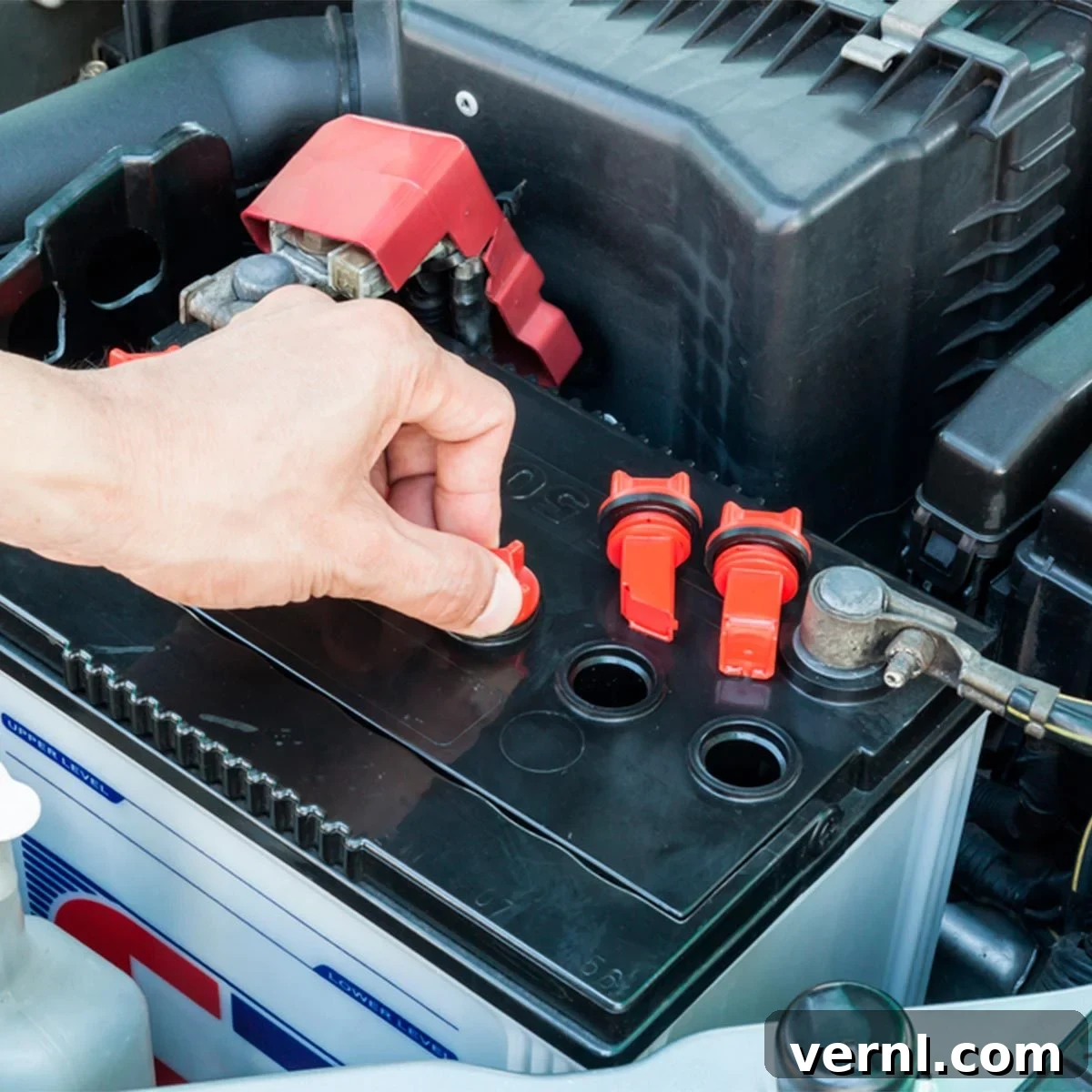
Few components of your vehicle demand attention quite like the car battery. It’s often an out-of-sight, out-of-mind item until that fateful moment your engine sputters, struggles, or refuses to start altogether. When the time comes for a battery replacement, the actual swap-out process is usually straightforward for most DIY enthusiasts. However, a critical question often arises once the new battery is securely in place: What do you do with that old, dead car battery? The answer is unequivocally clear: Do not simply throw it away. Proper disposal through recycling is not just a recommendation; it’s an environmental imperative.
The Critical Importance of Proper Automotive Battery Disposal
Understanding why recycling your old car battery is so crucial begins with examining its composition. A typical automotive battery is a sophisticated device primarily constructed from lead plates and filled with a sulfuric acid electrolyte. Both of these core components pose significant environmental and health risks if not handled correctly. Lead, as many are aware, stands as one of the most toxic heavy metals known. The devastating effects of lead poisoning are well-documented; The Centers for Disease Control and Prevention (CDC) has extensively highlighted how exposure can lead to severe behavioral and learning problems in children, impact neurological development, and cause long-term health issues in adults. If a car battery is improperly discarded and ends up in a landfill, the protective casing can degrade or rupture, releasing both lead and sulfuric acid into the surrounding environment. This leakage can severely contaminate soil, polluting vital groundwater sources that communities rely on for drinking water and agriculture. Furthermore, sulfuric acid is highly corrosive, posing immediate dangers to wildlife, plants, and anyone who comes into contact with it. Fortunately, there are safe methods for handling acid spills, including how to neutralize battery acid to mitigate its destructive potential.
Despite the inherent dangers, there’s a remarkably positive story regarding automotive batteries: they are, in fact, the most recycled consumer product in the United States. An astonishing ninety-nine percent of all car batteries are successfully recycled. This exceptional recycling rate means that nearly every old car battery is repurposed, with its lead, plastic, and even sometimes its acid being used to manufacture brand new batteries. This closed-loop recycling system prevents millions of pounds of hazardous materials from entering landfills annually, conserving natural resources and significantly reducing the environmental footprint associated with battery production. It’s a testament to the effectiveness of industry initiatives and consumer participation in responsible recycling programs.
Recognizing When It’s Time for a Battery Replacement
Often, the first sign of a failing battery is your car struggling to start, particularly during extreme hot or cold weather. However, many other subtle indicators can signal that your battery is nearing the end of its life cycle. Slow engine cranking, dim headlights, a flickering dashboard, or even an illuminated “check engine” light can all point towards a weakening battery. Before rushing to purchase a new one, it’s prudent to properly test your existing battery. Starting problems aren’t exclusively battery-related; they can also stem from loose or corroded battery terminals, a faulty alternator, or issues with the starter motor. A simple voltage test with a multimeter can give you a preliminary indication, while a load tester can provide a more accurate assessment of its cranking power. In some cases, if your battery isn’t completely dead but merely discharged, you may be able to charge your car battery and extend its life, at least temporarily. Proactive testing can save you unnecessary expenses and prevent unexpected breakdowns.
Safely Disconnecting Your Old Car Battery
Once you’ve confirmed that a battery replacement is indeed necessary, the next crucial step is to safely disconnect the old unit. Working with car batteries, even “dead” ones, requires caution due to the lingering electrical charge, the presence of corrosive acid, and the potential for explosive hydrogen gas. Always prioritize your safety by wearing protective gear, including gloves and safety glasses, and ensuring you are working in a well-ventilated area. Remove any metal jewelry that could accidentally short-circuit the battery terminals. Follow these essential safety protocols when disconnecting your car battery:
- Disconnect the Negative Terminal First: This is a fundamental safety rule. Always begin by locating the negative battery terminal (usually marked with a “–” symbol and often has a black cable) and disconnecting its cable first. The reason for this is critical: if you disconnect the positive terminal first and your wrench accidentally touches a grounded metal part of the car, it can create a direct short circuit, leading to sparks, potential damage to the vehicle’s electrical system, or even an explosion. Disconnecting the negative terminal first eliminates the risk of accidental grounding.
- Avoid Short Circuits: While disconnecting, never allow your wrench or any other metal tool to simultaneously touch both the positive and negative terminals. Even a “dead” battery typically retains enough residual energy to generate a significant electrical arc if short-circuited. This can not only damage your tools and the battery itself but also cause severe burns or ignite flammable gases that may have accumulated around the battery. Always work carefully and deliberately, ensuring your tools are insulated where possible and used precisely.
- Lift with Proper Technique: Car batteries are surprisingly heavy, often weighing between 30 to 60 pounds or more. Improper lifting can easily lead to back injuries. Always lift with your knees, not your back, keeping your back straight and the battery close to your body. Be mindful of your surroundings; dropping a battery can not only cause personal injury but also lead to an acid spill, which necessitates immediate cleanup and neutralization. Watch your feet and car fenders to prevent accidental drops or scrapes.
- Inspect the Battery Tray: Before installing the new battery, take a moment to inspect the battery tray and surrounding area for any signs of corrosion. Battery acid can cause significant damage to metal components. Clean any corrosion thoroughly using a mixture of baking soda and water to neutralize the acid, then rinse and dry the area before placing the new battery.
How to Safely and Responsibly Dispose of Your Old Car Battery
Given that an impressive 99 percent of all car batteries are recycled into new ones, it’s clear that the infrastructure for proper disposal is robust, and the demand for old batteries is high. This makes disposing of your old car battery surprisingly straightforward and often financially beneficial.
Typically, when you purchase a new car battery from a retailer, you’ll notice an additional, nominal “core charge” added to the price. This charge acts as a deposit and serves as a powerful incentive for you to return your old battery for recycling. When you bring your old battery back to the store where you bought the new one, this core charge is promptly refunded to you. This system effectively ensures that old batteries don’t end up in landfills, as returning them is not only convenient but also saves you money. Many retailers will even waive the core charge entirely if you bring your old battery with you at the time of purchasing the new one, streamlining the process even further.
What if you have extra dead batteries lying around, or if you acquired a battery without paying a core charge? You still have several convenient and responsible options for disposal:
- Automotive Parts Stores: Major automotive parts retailers (e.g., AutoZone, Advance Auto Parts, O’Reilly Auto Parts, Pep Boys) are primary collection points for old car batteries. They often accept batteries for recycling, sometimes even offering store credit if you don’t have a core charge to refund. Their staff are usually knowledgeable about the process and can guide you.
- Battery Manufacturers and Recyclers: Companies like Clarios, a leading battery manufacturer, actively facilitate battery recycling. They often provide helpful online resources, such as a ZIP code-based finder for battery drop-off locations, making it easy to locate the nearest recycling center. These specialized facilities ensure that the materials are processed correctly for reuse.
- Local Recycling Centers and Hazardous Waste Facilities: Many municipal recycling centers or local hazardous waste collection sites accept automotive batteries. It’s always a good idea to check with your local waste management authority for specific guidelines, operating hours, and any potential fees. These facilities are equipped to handle hazardous materials safely.
- Car Dealerships and Independent Mechanics: Some car dealerships and independent repair shops may also accept old batteries for recycling, especially if you are a regular customer or having service performed. It never hurts to inquire about their recycling policies.
When transporting your old battery to a drop-off location, ensure it is secure and upright in your vehicle to prevent spills. Placing it in a plastic container or box can provide an extra layer of protection against potential leaks. By participating in these recycling programs, you contribute directly to a cleaner environment, prevent the spread of toxic materials, and support a sustainable manufacturing cycle. Every recycled battery makes a difference, turning a potential hazard into a valuable resource for the next generation of automotive power.